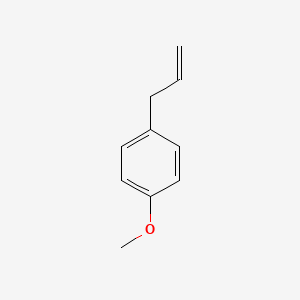
| The Content Variation of Natural Product Induced by Different Factor(s) | |||||||||||||||||||||||||||||||||||||||||||||||||||||||||||||||||||||||||||||||||||||||||
|---|---|---|---|---|---|---|---|---|---|---|---|---|---|---|---|---|---|---|---|---|---|---|---|---|---|---|---|---|---|---|---|---|---|---|---|---|---|---|---|---|---|---|---|---|---|---|---|---|---|---|---|---|---|---|---|---|---|---|---|---|---|---|---|---|---|---|---|---|---|---|---|---|---|---|---|---|---|---|---|---|---|---|---|---|---|---|---|---|---|
| Species Name: Ichthyothere terminalis | |||||||||||||||||||||||||||||||||||||||||||||||||||||||||||||||||||||||||||||||||||||||||
| Factor Name: Locality Variation | [1] | ||||||||||||||||||||||||||||||||||||||||||||||||||||||||||||||||||||||||||||||||||||||||
| Experiment Detail |
The leaves and stems of Ichthyothere terminalis were collected at Marapanim, PA (sample A) and Manaus, AM (sample B).
Click to Show/Hide
|
||||||||||||||||||||||||||||||||||||||||||||||||||||||||||||||||||||||||||||||||||||||||
| Factor Function |
The chief constituent found in the leaf oil of sample of, I. terminalis collected at Marapanim (PA) was sabinene (18.0%). The leaf oil of I. terminalis collected at Manaus (AM) was dominated by alpha-pinene (19-8%), sabinene (14.8%) and limonene (35.8%), while the main components identified in the stem oil were alpha-pinene (13.9%) and limonene (20.0%).
Click to Show/Hide
|
||||||||||||||||||||||||||||||||||||||||||||||||||||||||||||||||||||||||||||||||||||||||
| Factor | Part | Location | NP Content | ||||||||||||||||||||||||||||||||||||||||||||||||||||||||||||||||||||||||||||||||||||||
|
Leaves: Manaus, Brazil
|
Leaves | Brazil |
NP Content: 0.8 %
|
||||||||||||||||||||||||||||||||||||||||||||||||||||||||||||||||||||||||||||||||||||||
| Species Name: Ocimum basilicum | |||||||||||||||||||||||||||||||||||||||||||||||||||||||||||||||||||||||||||||||||||||||||
| Factor Name: Variety Comparison | [2] | ||||||||||||||||||||||||||||||||||||||||||||||||||||||||||||||||||||||||||||||||||||||||
| Experiment Detail |
Aerial parts of Ocimum basilicum var. purpurascens Benth, Ocimum basilicum var. dianatnejadii Salimi at flowering stage were collected from plants grown in Experimental Station of Pykan Shahr, near Tehran. Elevation 1215 m above sea level, latitude 35° 42′ North, 51° 8′ East, average humidity 36% and climatic category semi-arid.
Click to Show/Hide
|
||||||||||||||||||||||||||||||||||||||||||||||||||||||||||||||||||||||||||||||||||||||||
| Factor Function |
Methyl chavicol (43.0%) and linalool (28.9%) were identified as the major compounds in the oil of O. basilicum var. purpurascens, while methyl chavicol (37.6%), linalool (33.4%) and alpha-cadinol (5.7%) were the major constituents in the oil of O. basilicum var. dianatnejadii.
Click to Show/Hide
|
||||||||||||||||||||||||||||||||||||||||||||||||||||||||||||||||||||||||||||||||||||||||
| Factor | Part | Location | NP Content | ||||||||||||||||||||||||||||||||||||||||||||||||||||||||||||||||||||||||||||||||||||||
|
Ocimum basilicum var. dianatnejadii Salimi
|
Aerial parts | Iran |
NP Content: 37.6 %
|
||||||||||||||||||||||||||||||||||||||||||||||||||||||||||||||||||||||||||||||||||||||
|
Ocimum basilicum var. purpurascens Benth
|
Aerial parts | Iran |
NP Content: 43 %
|
||||||||||||||||||||||||||||||||||||||||||||||||||||||||||||||||||||||||||||||||||||||
| Factor Name: Drought Stress Treatment | [3] | ||||||||||||||||||||||||||||||||||||||||||||||||||||||||||||||||||||||||||||||||||||||||
| Experiment Detail |
Seeds of Ocimum basilicum cv. keskenylevelu provided from Hungary, were used in this study. Potted seedlings of Ocimum basilicum were subjected to study the effect of different irrigation rigimes on the essential oil content and composition at experimental farm of college of agriculture, Tarbiat Modarres, University, located in Tehran. (1215 m above sea level, latitude 35° 43′ north, altitude 51° 8′ east). The seeds were sown in spring of 2001 in pots. The irrigation regimes to induce of water stress were: 100%, 85%, 70% and 55% of field capacity. This percentage of field capacity kept constant in the soil by daily weighting of pots. The soil was sandy-loam with 22.6% of field capacity. The harvest of whole plants was performed at the beginning of the flowering stage.
Click to Show/Hide
|
||||||||||||||||||||||||||||||||||||||||||||||||||||||||||||||||||||||||||||||||||||||||
| Factor Function |
The essential oil content of herb increased from 1.12 to 1.26% as plant water deficit increased (till 70% of field capacity). The number of component of the oil of Ocimum basilicum increased as water stress increase. Amount of the main constituents of the oil such as linalool, methyl chavicol, 1,8-cineole and trans alpha-bergamotene significantly affected by water stress.
Click to Show/Hide
|
||||||||||||||||||||||||||||||||||||||||||||||||||||||||||||||||||||||||||||||||||||||||
| Factor | Part | Location | NP Content | ||||||||||||||||||||||||||||||||||||||||||||||||||||||||||||||||||||||||||||||||||||||
|
100% Field Irrigation (Control)
|
Whole plant | Mali |
NP Content: 2.7 %
|
||||||||||||||||||||||||||||||||||||||||||||||||||||||||||||||||||||||||||||||||||||||
|
55% Field Irrigation
|
Whole plant | Mali |
NP Content: 6.6 %
|
||||||||||||||||||||||||||||||||||||||||||||||||||||||||||||||||||||||||||||||||||||||
| Species Name: Ocimum basilicum L | |||||||||||||||||||||||||||||||||||||||||||||||||||||||||||||||||||||||||||||||||||||||||
| Factor Name: Cultivar Comparison | [4] | ||||||||||||||||||||||||||||||||||||||||||||||||||||||||||||||||||||||||||||||||||||||||
| Experiment Detail |
The 36 'Genovese' and 24 'Foglia di Lattuga' samples preliminarily analysed were grown in Tavazzano (MI), and harvested at flowering, from 5th to 10th August 1998. The breeding program started in 1999, by crossing several selected lines of 'Genovese' with 'Foglia di Lattuga' and 'Compatto'. Selected F1 plants were selfpollinated in 2000. Plants of the F2 (2001), F3 (2002) and F4 (2003) generations were selected on the basis of agronomic and morphologic traits, and self-pollinated. Only the seeds from self pollinated plants with satisfactory essential oil content and composition were used to obtain the next generation. In 2004, some F4 plants were replanted in order to evaluate their stability in relation to environmental variations. All leaf harvests were carried out at flowering.
Click to Show/Hide
|
||||||||||||||||||||||||||||||||||||||||||||||||||||||||||||||||||||||||||||||||||||||||
| Factor Function |
Genovese' showed higher essential oil and linalool content, with almost total absence of methyl chavicol, very abundant in 'Foglia di Lattuga'.
Click to Show/Hide
|
||||||||||||||||||||||||||||||||||||||||||||||||||||||||||||||||||||||||||||||||||||||||
| Factor | Part | Location | NP Content | ||||||||||||||||||||||||||||||||||||||||||||||||||||||||||||||||||||||||||||||||||||||
|
Ocimum basilicumcv. Foglia Lattuga
|
Leaves | Italy |
NP Content: 29.5 %
|
||||||||||||||||||||||||||||||||||||||||||||||||||||||||||||||||||||||||||||||||||||||
|
Ocimum basilicumcv. Genovese
|
Leaves | Italy |
NP Content: 1.1 %
|
||||||||||||||||||||||||||||||||||||||||||||||||||||||||||||||||||||||||||||||||||||||
| Factor Name: Chemotype Comparison | [5] | ||||||||||||||||||||||||||||||||||||||||||||||||||||||||||||||||||||||||||||||||||||||||
| Experiment Detail |
The study was conducted in North-Central Anatolia under semi arid conditions. Seeds of 18 basil landraces (O. basilicum L.) were collected from local farms and home gardens in Turkey. To examine essential oil composition of the basil landraces without environmental influences, the plants were grown under identical (same environmental and soil conditions) conditions. Seeds were sown on a medium (1:1:1 washed sand, horse manure and field soil) in greenhouse conditions on March 25, 2003. Seedlings were grown until the 3-5 leaf stage. The seedlings were transplanted into pilots in the Gaziosmanpasxa University Experimental Research Station on May 15, 2003. The plants were harvested at the full blooming stage and dried at 35 ℃ for essential oil isolation.
Click to Show/Hide
|
||||||||||||||||||||||||||||||||||||||||||||||||||||||||||||||||||||||||||||||||||||||||
| Factor Function |
Variation of essential oils in the landraces was subjected to cluster analysis, and seven different chemotypes were identified. They were (1) linalool, (2) methyl cinnamate, (3) methyl cinnamate/linalool, (4) methyl eugenol, (5) citral, (6) methyl chavicol (estragol), and (7) methyl chavicol/citral. Methyl chavicol with high citral contents (methyl chavicol/citral) can be considered as a 'new chemotype' in the Turkish basils.
Click to Show/Hide
|
||||||||||||||||||||||||||||||||||||||||||||||||||||||||||||||||||||||||||||||||||||||||
| Factor | Part | Location | NP Content | ||||||||||||||||||||||||||||||||||||||||||||||||||||||||||||||||||||||||||||||||||||||
|
Chemotype (linalool-rich type)
|
Leaves | Turkey |
NP Content: 0.6 %
|
||||||||||||||||||||||||||||||||||||||||||||||||||||||||||||||||||||||||||||||||||||||
|
Chemotype (methyl (E)-cinnamate-rich type)
|
Leaves | Turkey |
NP Content: 0.4 %
|
||||||||||||||||||||||||||||||||||||||||||||||||||||||||||||||||||||||||||||||||||||||
|
Chemotype (methyl eugenol-rich type)
|
Leaves | Turkey |
NP Content: 0.8 %
|
||||||||||||||||||||||||||||||||||||||||||||||||||||||||||||||||||||||||||||||||||||||
|
Chemotype (methyl chavicol-rich type)
|
Leaves | Turkey |
NP Content: 68.3 %
|
||||||||||||||||||||||||||||||||||||||||||||||||||||||||||||||||||||||||||||||||||||||
|
Chemotype (methyl chavicol and citral-rich type)
|
Leaves | Turkey |
NP Content: 41.8 %
|
||||||||||||||||||||||||||||||||||||||||||||||||||||||||||||||||||||||||||||||||||||||
| Species Name: Ocimum gratissimum | |||||||||||||||||||||||||||||||||||||||||||||||||||||||||||||||||||||||||||||||||||||||||
| Factor Name: Developmental Stage Variation | [6] | ||||||||||||||||||||||||||||||||||||||||||||||||||||||||||||||||||||||||||||||||||||||||
| Experiment Detail |
Field experiment was initiated in June 2000 in the same block of the research farm. The experiment was laid out in a randomized block design with five treatments on stage of crop harvest (pre-flowering and 25%, 50%, 75% and 100% flowering) and four replications, individual plots being 3 × 6 m. Each plot received uniform dose of neem cake 900 g (0.5 t/ha), di-ammonium phosphate 155 g (40 Kg P2O5 /ha) and muriate of potash 120 g (40 kg K2O/ha) as basal dose which was incorporated with 5 cm top soil using hand hoe. Ocimum gratissimum seedlings, six weeks old, were planted at 60 cm row-to-row and 45 cm plant-to-plant spacing in June 2000. The field was irrigated immediately after planting for early establishment of the seedlings. Thereafter, the field was irrigated 11 and 13 times in the first and second year of experimentation, respectively. Nitrogen at 120 kg/ha was applied in the form of urea spreading over all the harvests per annum. The crop received fi ve and four hand weedings during first and second year of experimentation. Apical part (25-35 cm) of all the branches was harvested in all the treatments as given below: (Pre-flowering Year1 September 20 and November 12, 2000 and January 16, March 17 and May 16, 2001; Year2 July 20, September 13 and November 17, 2001 and January 27, April 7 and June 16, 2002); (25% flowering Year1 September 26 and November 25, 2000 and February 3, April 9 and June 13, 2001; Year2 August 17, October 16 and December 26, 2001 and March 11 and May 25, 2002); (50% flowering Year1 September 30 and December 4, 2000 and February 17, April 28 and July 7, 2001; Year2 September 10 and November 14, 2001 and January 24, April 9 and June 23, 2002); (75% flowering Year1 October 7 and December 16, 2000 and March 6 and May 20, 2001; Year2 August 3, October 12 and December 21, 2001 and March 6 and May 25, 2002); (100% flowering Year1 October 15 and December 29, 2000 and March 24 and June 12, 2001; Year2 August 31 and November 14, 2001 and January 28, April 18 and July 7, 2002).
Click to Show/Hide
|
||||||||||||||||||||||||||||||||||||||||||||||||||||||||||||||||||||||||||||||||||||||||
| Factor Function |
Harvesting at pre-flowering produced 12.5%, 24.1%, 35.5% and 50.0% higher biomass yield compared to harvesting at 25%, 50%, 75% and 100% flowering, respectively, in the first year of cropping. The respective increase was 16.8%, 22.0%, 38.2% and 63.2% in the second year. Late harvested crop (100% flowering) contained the highest amount of essential oil and it decreased in the order of harvesting at 100% flowering > 75% flowering > 50% flowering > 25% flowering > pre-flowering treatment. The total oil yield was, however, significantly higher (15.8-19.9% and 12.7-33.6% in first and second years, respectively) with pre-flowering compared to all other harvest treatments. Pre-flowering harvested crop produced oil containing the highest amount of eugenol and it decreased in the order of harvesting at pre-flowering > 25% flowering > 50% flowering > 75% flowering > 100% flowering treatment.
Click to Show/Hide
|
||||||||||||||||||||||||||||||||||||||||||||||||||||||||||||||||||||||||||||||||||||||||
| Factor | Part | Location | NP Content | ||||||||||||||||||||||||||||||||||||||||||||||||||||||||||||||||||||||||||||||||||||||
|
Branch: Pre-flowering stage
|
Apical part of branches | India |
NP Content: 0.1 %
|
||||||||||||||||||||||||||||||||||||||||||||||||||||||||||||||||||||||||||||||||||||||
|
Branch: 25% flowering stage
|
Apical part of branches | India |
NP Content: 0.1 %
|
||||||||||||||||||||||||||||||||||||||||||||||||||||||||||||||||||||||||||||||||||||||
|
Branch: 75% flowering stage
|
Apical part of branches | India |
NP Content: 0.1 %
|
||||||||||||||||||||||||||||||||||||||||||||||||||||||||||||||||||||||||||||||||||||||
|
Branch: 50% flowering stage
|
Apical part of branches | India |
NP Content: 0.1 %
|
||||||||||||||||||||||||||||||||||||||||||||||||||||||||||||||||||||||||||||||||||||||
|
Branch: 100% flowering stage
|
Apical part of branches | India |
NP Content: 0.1 %
|
||||||||||||||||||||||||||||||||||||||||||||||||||||||||||||||||||||||||||||||||||||||
| Species Name: Ocimum selloi | |||||||||||||||||||||||||||||||||||||||||||||||||||||||||||||||||||||||||||||||||||||||||
| Factor Name: Photosynthetic Active Radiation Treatment | [7] | ||||||||||||||||||||||||||||||||||||||||||||||||||||||||||||||||||||||||||||||||||||||||
| Experiment Detail |
Plant material and horticultural practice: The experiments were conducted at the Universidade Federal de Lavras between November 2005 and January 2006. Seeds of O. selloi were sown in commercial substrate [Plantmax (Eucatex, Sao Paulo, SP, Brazil)] contained in 72-cell plastic trays and maintained in the greenhouse under intermittent nebulization for 60 days. Seedlings were transplanted to 10 L pots containing a substrate consisting of soil, matured cattle manure and sand (5:3:2), and cultivated under three different light regimes, namely, full sunlight, and sunlight with blue or red shading. Each treatment was repeated seven times and two plants were employed per repetition.
Click to Show/Hide
|
||||||||||||||||||||||||||||||||||||||||||||||||||||||||||||||||||||||||||||||||||||||||
| Factor Function |
The compositions of the oils varied according to the quality of light. Although the qualitative profiles of the oils of plants grown under full sunlight or red shading were similar, that obtained from plants grown under blue shading presented a larger number of constituents. The highest level of methyl chavicol (93.2%), the major component of the oil, was observed in plants grown under full sunlight.
Click to Show/Hide
|
||||||||||||||||||||||||||||||||||||||||||||||||||||||||||||||||||||||||||||||||||||||||
| Factor | Part | Location | NP Content | ||||||||||||||||||||||||||||||||||||||||||||||||||||||||||||||||||||||||||||||||||||||
|
Full sunlight: light intensities were 1500 µmol.m-2.s-1
|
Leaves | Brazil |
NP Content: 93.2 %
|
||||||||||||||||||||||||||||||||||||||||||||||||||||||||||||||||||||||||||||||||||||||
|
Blue shading: light intensities were 650 µmol.m-2.s-1
|
Leaves | Brazil |
NP Content: 86.1 %
|
||||||||||||||||||||||||||||||||||||||||||||||||||||||||||||||||||||||||||||||||||||||
|
Red shading: light intensities were 690 µmol.m-2.s-1
|
Leaves | Brazil |
NP Content: 87.6 %
|
||||||||||||||||||||||||||||||||||||||||||||||||||||||||||||||||||||||||||||||||||||||
| Species Name: Persea americana | |||||||||||||||||||||||||||||||||||||||||||||||||||||||||||||||||||||||||||||||||||||||||
| Factor Name: Variety Comparison; Locality Variation | [8] | ||||||||||||||||||||||||||||||||||||||||||||||||||||||||||||||||||||||||||||||||||||||||
| Experiment Detail |
Experimental: Two hundred grams of healthy mature intact leaves were harvested from each of the taxa growing on their own rootstocks at the UC South Coast Research and Extension Center. flocc = P. americana var. floccosa from Mexico D-7; stey = P. americana var. steyermarkii from Mexico El Salvador 3-22-16; nubi = P. americana var. nubigena from Guatemala 45-C-1; mex = P. americena var. drymfolia from Tasco, Mexico; guat = P. americana var. guatemalensis cult. Nimlioh from Florida; bwl = P. ameticana var. americana cult. Trapp from Florida.
Click to Show/Hide
|
||||||||||||||||||||||||||||||||||||||||||||||||||||||||||||||||||||||||||||||||||||||||
| Factor Function |
Analysis of oils showed the presence of over 90 components, of which 76 were identified. P. schiedeana oil was found to contain alpha-pinene (23.7%), beta-pinene (23.2%) and beta-caryophyllene as major components. The major constituents of P. americana var. floccosa and P. americana var. steyermarkii were alpha-pinene (10.9%, 7.6%), beta-pinene (20.6%, 10.4%), alpha-terpineol (9.6%, 7.9%), beta-caryophyllene (12.6%, 8.4%), viridiflorene (0.1%, 10.3%) and globulol (0.1%, 9.2%), respectively. The oils of P. americana var. nubigena and P. americana var. drymifolia contained alpha-terpineol (18.4%, 393%) and methylchavicol (12.4%, 40.2%), as major components, respectively. P. americana var. guatemalensis was found to be rich in beta-caryophyllene (38.3%), while the oils of P. americana var. americana and P. primatogena contained alpha-pinene (27.5%) and beta-pinene (40.9%), and alpha-pinene (24.6%), beta-caryophyllene (20.7%) and germacene D (10.1%).
Click to Show/Hide
|
||||||||||||||||||||||||||||||||||||||||||||||||||||||||||||||||||||||||||||||||||||||||
| Factor | Part | Location | NP Content | ||||||||||||||||||||||||||||||||||||||||||||||||||||||||||||||||||||||||||||||||||||||
|
Persea americana var. americana cv. Trapp (Locality: Florida)
|
Leaves | Florida, USA |
NP Content: 0.4 %
|
||||||||||||||||||||||||||||||||||||||||||||||||||||||||||||||||||||||||||||||||||||||
|
Persea americana var. drymfolia (Locality: Tasco)
|
Leaves | Tasco, Mexico |
NP Content: 40.2 %
|
||||||||||||||||||||||||||||||||||||||||||||||||||||||||||||||||||||||||||||||||||||||
|
Persea americana var. floccosa (Locality: Mexico)
|
Leaves | Mexico |
NP Content: 2.1 %
|
||||||||||||||||||||||||||||||||||||||||||||||||||||||||||||||||||||||||||||||||||||||
|
Persea americana var. nubigena (Locality: Guatemala)
|
Leaves | Guatemala |
NP Content: 12.4 %
|
||||||||||||||||||||||||||||||||||||||||||||||||||||||||||||||||||||||||||||||||||||||
