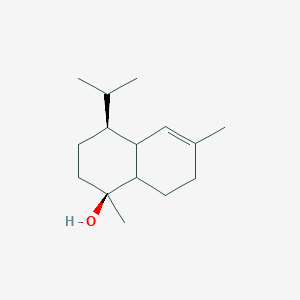
| The Content Variation of Natural Product Induced by Different Factor(s) | |||||||||||||||||||||||||||||||||||||||||||||||||||||||||||||||||||||||||||||||||||||||||
|---|---|---|---|---|---|---|---|---|---|---|---|---|---|---|---|---|---|---|---|---|---|---|---|---|---|---|---|---|---|---|---|---|---|---|---|---|---|---|---|---|---|---|---|---|---|---|---|---|---|---|---|---|---|---|---|---|---|---|---|---|---|---|---|---|---|---|---|---|---|---|---|---|---|---|---|---|---|---|---|---|---|---|---|---|---|---|---|---|---|
| Species Name: Cymbopogon winterianus | |||||||||||||||||||||||||||||||||||||||||||||||||||||||||||||||||||||||||||||||||||||||||
| Factor Name: Pest Infestation | [1] | ||||||||||||||||||||||||||||||||||||||||||||||||||||||||||||||||||||||||||||||||||||||||
| Experiment Detail |
General plantation of citronella cv. Java 2 was maintained following recommended agricultural practices at the Experimental Farm of Central Institute of Medicinal and Aromatic Plants, Field Station, Hyderabad, India. The experimental station has a semi-arid tropical climate. The experiment was conducted in the same plantation for 2 consecutive years during the summer month of June 1996 and 1997, when the incidence of the disease was higher. In each year, 12 each of healthy and diseased plants were selected at random and harvested. The occurrence of the disease is generally observed during the hot summer season months, when the temperatures are in the range 36-43 ℃. Initial symptoms of the pest attack appear as yellow specks or blotches, mostly along leaf margins, that in later stages develop into yellow streaks running along the length of the affected leaves. Emerging young leaves are pale green to yellow coloured, twisted, crinkled, developed into whip-like structures and in severe cases of infection fail to open. Even if they do open, these leaves fail to exhibit a smooth leaf surface. Severely affected older leaves turn brown, dry and die. The overall growth and development of the infected plant is severely affected, giving it a dwarfed and unhealthy appearance.
Click to Show/Hide
|
||||||||||||||||||||||||||||||||||||||||||||||||||||||||||||||||||||||||||||||||||||||||
| Factor Function |
The essential oil examined by GC and GC-MS from cultivated healthy plants contained citronellal (28.4%), geraniol (24.8%), citronellol (11.8%) and elemol (10.2%). The major components from diseased plants were geraniol (19.0-25.5%), elemol (15.3-20.4%), citronellal (13.4-19.1%) and citronellol (12.9-15.1%). Caryophyllene oxide (3.5-6.0%) was an important minor component.
Click to Show/Hide
|
||||||||||||||||||||||||||||||||||||||||||||||||||||||||||||||||||||||||||||||||||||||||
| Factor | Part | Location | NP Content | ||||||||||||||||||||||||||||||||||||||||||||||||||||||||||||||||||||||||||||||||||||||
|
Healthy leaves of healthy plant
|
Leaves | Hyderabad, India |
NP Content: 0.7 %
|
||||||||||||||||||||||||||||||||||||||||||||||||||||||||||||||||||||||||||||||||||||||
|
Healthy leaves of diseased plant (Yellowing and crinkling disease)
|
Leaves | Hyderabad, India |
NP Content: 0.9 %
|
||||||||||||||||||||||||||||||||||||||||||||||||||||||||||||||||||||||||||||||||||||||
|
Crinkled, whip like leaves of diseased plant (Yellowing and crinkling disease)
|
Leaves | Hyderabad, India |
NP Content: 1.1 %
|
||||||||||||||||||||||||||||||||||||||||||||||||||||||||||||||||||||||||||||||||||||||
|
Dead leaves of diseased plant (Yellowing and crinkling disease)
|
Leaves | Hyderabad, India |
NP Content: 0.6 %
|
||||||||||||||||||||||||||||||||||||||||||||||||||||||||||||||||||||||||||||||||||||||
|
Semi-diseased leaves of diseased plant (Yellowing and crinkling disease)
|
Leaves | Hyderabad, India |
NP Content: 1 %
|
||||||||||||||||||||||||||||||||||||||||||||||||||||||||||||||||||||||||||||||||||||||
| Species Name: Eugenia chlorophylla | |||||||||||||||||||||||||||||||||||||||||||||||||||||||||||||||||||||||||||||||||||||||||
| Factor Name: Developmental Stage Variation | [2] | ||||||||||||||||||||||||||||||||||||||||||||||||||||||||||||||||||||||||||||||||||||||||
| Experiment Detail |
Plant material was collected at vegetative stage (stems and leaves,September 2005) and at flowering stage (leaves and flowers,December 2004), inCuritiba,Parana state, Brazil.
Click to Show/Hide
|
||||||||||||||||||||||||||||||||||||||||||||||||||||||||||||||||||||||||||||||||||||||||
| Factor Function |
Thirty-four components were identified, representing more than 80% of total oil. The major components were beta-caryophyllene (flowers-12.8%), caryophyllene oxide (stems-17.2%), globulol (stems-16.5%; leaves-22.5% at vegetative stage and 18.9% at flowering stage), 1-epi-cubenol (stems-10.9%), epi-alpha-muurolol (stems-16.8%) and alpha-cadinol (stems-12.1%; flowers-10.1%).
Click to Show/Hide
|
||||||||||||||||||||||||||||||||||||||||||||||||||||||||||||||||||||||||||||||||||||||||
| Factor | Part | Location | NP Content | ||||||||||||||||||||||||||||||||||||||||||||||||||||||||||||||||||||||||||||||||||||||
|
Flower: flowering stage
|
Flowers | Brazil |
NP Content: 8.5 %
|
||||||||||||||||||||||||||||||||||||||||||||||||||||||||||||||||||||||||||||||||||||||
|
Leaf: flowering stage
|
Leaves | Brazil |
NP Content: 6.1 %
|
||||||||||||||||||||||||||||||||||||||||||||||||||||||||||||||||||||||||||||||||||||||
|
Leaf: vegetative stage
|
Leaves | Brazil |
NP Content: 8.1 %
|
||||||||||||||||||||||||||||||||||||||||||||||||||||||||||||||||||||||||||||||||||||||
|
Stem: vegetative stage
|
Stems | Brazil |
NP Content: 16.8 %
|
||||||||||||||||||||||||||||||||||||||||||||||||||||||||||||||||||||||||||||||||||||||
| Species Name: Hyptis mutabilis | |||||||||||||||||||||||||||||||||||||||||||||||||||||||||||||||||||||||||||||||||||||||||
| Factor Name: Developmental Stage Variation | [3] | ||||||||||||||||||||||||||||||||||||||||||||||||||||||||||||||||||||||||||||||||||||||||
| Experiment Detail |
It was collected in Lujan, Ayacucho Department, San Luis, Argentina, in the vegetative flowering stage (February 1997) and at flowering-fructification (April 1996).
Click to Show/Hide
|
||||||||||||||||||||||||||||||||||||||||||||||||||||||||||||||||||||||||||||||||||||||||
| Factor Function |
Flowering and flowering-fructification, did not differ in regard to the composition of analyzed sesquiterpenes but showed variation in the relative concentration of one of its constituents. Twenty-four compounds were identified, which represented 93-5% of the oil in the flowering stage and 92.5% of it in the flowering-fructification one. The oil was found to contain beta-caryophyllene (14.3-12.0%), germacrene D (14.7-15.3%), curzerene (11.5-12.7%) and bicyclogermacrene (12.1-14.2%) as major compounds.
Click to Show/Hide
|
||||||||||||||||||||||||||||||||||||||||||||||||||||||||||||||||||||||||||||||||||||||||
| Factor | Part | Location | NP Content | ||||||||||||||||||||||||||||||||||||||||||||||||||||||||||||||||||||||||||||||||||||||
|
Aerial part: Flowering stage
|
Aerial parts | San Luis, Argentina |
NP Content: 0.78 %
|
||||||||||||||||||||||||||||||||||||||||||||||||||||||||||||||||||||||||||||||||||||||
|
Aerial part: flowering-fructification stage
|
Aerial parts | San Luis, Argentina |
NP Content: 0.62 %
|
||||||||||||||||||||||||||||||||||||||||||||||||||||||||||||||||||||||||||||||||||||||
| Species Name: Mentha rotundifolia | |||||||||||||||||||||||||||||||||||||||||||||||||||||||||||||||||||||||||||||||||||||||||
| Factor Name: Altitude Variation | [4] | ||||||||||||||||||||||||||||||||||||||||||||||||||||||||||||||||||||||||||||||||||||||||
| Experiment Detail |
Mentha rotundifolia leaves were collected in the second week of November 2004 in two localities of Algeria (Rouina: altitude 250 m, Miliana: altitude 780 m) within the region of Ain-Defla located in northern Algeria.
Click to Show/Hide
|
||||||||||||||||||||||||||||||||||||||||||||||||||||||||||||||||||||||||||||||||||||||||
| Factor Function |
Thirty-nine compounds were identified in leaf oil of sample 1 (Rouina, Algeria), the main one being cis-piperitone oxide. Thirty-nine compounds were identified in leaf oil of sample 2 (Miliana, Algeria). The main one being piperitenone oxide.
Click to Show/Hide
|
||||||||||||||||||||||||||||||||||||||||||||||||||||||||||||||||||||||||||||||||||||||||
| Factor | Part | Location | NP Content | ||||||||||||||||||||||||||||||||||||||||||||||||||||||||||||||||||||||||||||||||||||||
|
Locality: Rouina, Algeria; Altitude 250 m
|
Leaves | Algeria |
NP Content: 0.3 %
|
||||||||||||||||||||||||||||||||||||||||||||||||||||||||||||||||||||||||||||||||||||||
|
Locality: Miliana, Algeria; Altitude 780 m
|
Leaves | Algeria |
NP Content: 0.6 %
|
||||||||||||||||||||||||||||||||||||||||||||||||||||||||||||||||||||||||||||||||||||||
| Species Name: Persea americana | |||||||||||||||||||||||||||||||||||||||||||||||||||||||||||||||||||||||||||||||||||||||||
| Factor Name: Variety Comparison; Locality Variation | [5] | ||||||||||||||||||||||||||||||||||||||||||||||||||||||||||||||||||||||||||||||||||||||||
| Experiment Detail |
Experimental: Two hundred grams of healthy mature intact leaves were harvested from each of the taxa growing on their own rootstocks at the UC South Coast Research and Extension Center. flocc = P. americana var. floccosa from Mexico D-7; stey = P. americana var. steyermarkii from Mexico El Salvador 3-22-16; nubi = P. americana var. nubigena from Guatemala 45-C-1; mex = P. americena var. drymfolia from Tasco, Mexico; guat = P. americana var. guatemalensis cult. Nimlioh from Florida; bwl = P. ameticana var. americana cult. Trapp from Florida.
Click to Show/Hide
|
||||||||||||||||||||||||||||||||||||||||||||||||||||||||||||||||||||||||||||||||||||||||
| Factor Function |
Analysis of oils showed the presence of over 90 components, of which 76 were identified. P. schiedeana oil was found to contain alpha-pinene (23.7%), beta-pinene (23.2%) and beta-caryophyllene as major components. The major constituents of P. americana var. floccosa and P. americana var. steyermarkii were alpha-pinene (10.9%, 7.6%), beta-pinene (20.6%, 10.4%), alpha-terpineol (9.6%, 7.9%), beta-caryophyllene (12.6%, 8.4%), viridiflorene (0.1%, 10.3%) and globulol (0.1%, 9.2%), respectively. The oils of P. americana var. nubigena and P. americana var. drymifolia contained alpha-terpineol (18.4%, 393%) and methylchavicol (12.4%, 40.2%), as major components, respectively. P. americana var. guatemalensis was found to be rich in beta-caryophyllene (38.3%), while the oils of P. americana var. americana and P. primatogena contained alpha-pinene (27.5%) and beta-pinene (40.9%), and alpha-pinene (24.6%), beta-caryophyllene (20.7%) and germacene D (10.1%).
Click to Show/Hide
|
||||||||||||||||||||||||||||||||||||||||||||||||||||||||||||||||||||||||||||||||||||||||
| Factor | Part | Location | NP Content | ||||||||||||||||||||||||||||||||||||||||||||||||||||||||||||||||||||||||||||||||||||||
|
Persea americana var. floccosa (Locality: Mexico)
|
Leaves | Mexico |
NP Content: 0.1 %
|
||||||||||||||||||||||||||||||||||||||||||||||||||||||||||||||||||||||||||||||||||||||
|
Persea americana var. guatemalensis cv. Nimlioh (Locality: Florida)
|
Leaves | Florida, USA |
NP Content: 0.5 %
|
||||||||||||||||||||||||||||||||||||||||||||||||||||||||||||||||||||||||||||||||||||||
|
Persea americana var. nubigena (Locality: Guatemala)
|
Leaves | Guatemala |
NP Content: 0.5 %
|
||||||||||||||||||||||||||||||||||||||||||||||||||||||||||||||||||||||||||||||||||||||
|
Persea americana var. steyermarkii (Locality: Mexico El Salvador)
|
Leaves | Mexico El Salvador |
NP Content: 0.5 %
|
||||||||||||||||||||||||||||||||||||||||||||||||||||||||||||||||||||||||||||||||||||||
| Species Name: Pilocarpus spicatus | |||||||||||||||||||||||||||||||||||||||||||||||||||||||||||||||||||||||||||||||||||||||||
| Factor Name: Locality Variation; Harvest Time Variation | [6] | ||||||||||||||||||||||||||||||||||||||||||||||||||||||||||||||||||||||||||||||||||||||||
| Experiment Detail |
Five different populations of P. spicatus were collected in different geographical regions of the northeast of Brazil. Populations I: (Locality: Morro do Chapeu,Bahia, harvesting: 02.19.94); Populations II: (Locality: Maranguape,Ceara, harvesting: 06.01.97); Populations III: (Locality: Jacobina,Bahia, harvesting: 02.19.94); Populations IV: (Locality: Cocalzinho,Ceara, harvesting: 02.22.94); Populations V: (Locality: Sitio dos Moreiras,Pernambuco, harvesting: 02.22.94)
Click to Show/Hide
|
||||||||||||||||||||||||||||||||||||||||||||||||||||||||||||||||||||||||||||||||||||||||
| Factor Function |
The aliphatic ketones 2-undecanone, 2-tridecanone and 2-pentadecanone were present in samples of all populations. 2-Tridecanone (1.7-84.7 %) was detected in 30 out of 34 samples analyzed. It was the main component in all samples of root barks, except one where 2-pentadecanone (24.7%) was the major component. 2-Undecanone, beta-eudesmol and sabinene were the major components of leaf oils.
Click to Show/Hide
|
||||||||||||||||||||||||||||||||||||||||||||||||||||||||||||||||||||||||||||||||||||||||
| Factor | Part | Location | NP Content | ||||||||||||||||||||||||||||||||||||||||||||||||||||||||||||||||||||||||||||||||||||||
|
Root wood: (Locality: Maranguape, Ceara, Northeast of Brazi) + (Harvesting time: 01-June-1997)
|
Root woods | Maranguape, Ceara, Northeast of Brazil |
NP Content: 1.4 %
|
||||||||||||||||||||||||||||||||||||||||||||||||||||||||||||||||||||||||||||||||||||||
| Species Name: Tanacetum cadmeum ssp. orientale | |||||||||||||||||||||||||||||||||||||||||||||||||||||||||||||||||||||||||||||||||||||||||
| Factor Name: Locality Variation | [7] | ||||||||||||||||||||||||||||||||||||||||||||||||||||||||||||||||||||||||||||||||||||||||
| Experiment Detail |
Plant materials were collected during the flowering period in July 2002 from the Dumluca Mountain in the vicinity of Divrigi village of Sivas city at 1900 m altitude and Saksagan Gorge in Saimbeyli village of Adana city at 1900 m altitude.
Click to Show/Hide
|
||||||||||||||||||||||||||||||||||||||||||||||||||||||||||||||||||||||||||||||||||||||||
| Factor Function |
The flower, stem and root oils of T. cadmeum ssp. orientale collected from the Adana location were characterized with alpha-thujone (25%, 5.2%), cis-linalool oxide (6.8%, 12.8%), trans-chrysanthenyl acetate (5.8%, 8.5%) for flower and stem oils, and beta-eudesmol (10.3%, 6.2%, 13.8%); in addition, stem oil contained 1,8-cineole (6.6%) and root oil contained hexadecanoic acid (6.0%), spathulenol (5.8%) and beta-muurolol (5.3%). The flower and stem oils of T. cadmeum ssp. orientale collected from the Sivas location were characterized with camphor (25.9%, 14.8%), borneol (15.4%, 25.8%) and alpha-thujone (7.8%, 5.5%); in addition, stem oil contained 1,8-cineole (7.4%) and root oil contained nonacosane (16.2%), spathulenol (6.8%) and hexadecanoic acid (5.8%).
Click to Show/Hide
|
||||||||||||||||||||||||||||||||||||||||||||||||||||||||||||||||||||||||||||||||||||||||
| Factor | Part | Location | NP Content | ||||||||||||||||||||||||||||||||||||||||||||||||||||||||||||||||||||||||||||||||||||||
|
Flower: (Locality: Adana, Turkey)
|
Flowers | Adana, Turkey |
NP Content: 1.8 %
|
||||||||||||||||||||||||||||||||||||||||||||||||||||||||||||||||||||||||||||||||||||||
|
Stem: (Locality: Adana, Turkey)
|
Stems | Adana, Turkey |
NP Content: 3.6 %
|
||||||||||||||||||||||||||||||||||||||||||||||||||||||||||||||||||||||||||||||||||||||
|
Root: (Locality: Adana, Turkey)
|
Roots | Adana, Turkey |
NP Content: 5.3 %
|
||||||||||||||||||||||||||||||||||||||||||||||||||||||||||||||||||||||||||||||||||||||
|
Flower: (Locality: Sivas, Turkey)
|
Flowers | Sivas, Turkey |
NP Content: <0.1 %
|
||||||||||||||||||||||||||||||||||||||||||||||||||||||||||||||||||||||||||||||||||||||
|
Root: (Locality: Sivas, Turkey)
|
Roots | Sivas, Turkey |
NP Content: 2.3 %
|
||||||||||||||||||||||||||||||||||||||||||||||||||||||||||||||||||||||||||||||||||||||
| Species Name: Teucrium chamaedrys | |||||||||||||||||||||||||||||||||||||||||||||||||||||||||||||||||||||||||||||||||||||||||
| Factor Name: Locality Variation | [8] | ||||||||||||||||||||||||||||||||||||||||||||||||||||||||||||||||||||||||||||||||||||||||
| Experiment Detail |
The aerial parts of T. chamaedrys were collected at the flowering stage in June 2004 near Corti, Corsica, France and near Oristano, Sardinia, Italy
Click to Show/Hide
|
||||||||||||||||||||||||||||||||||||||||||||||||||||||||||||||||||||||||||||||||||||||||
| Factor Function |
The Corsican and Sardinian oils of T. chamaedrys investigated in this study were qualitatively similar but they differed by the amount of their major components. The major components were beta-caryophyllene (29.0% and 27.4%, respectively) and germacrene D (19.4% and 13.5%, respectively), followed by alpha-humulene (6.8%) and delta-cadinene (5.4%) in the Corsican oil and by caryophyllene oxide (12.3%) and alpha-humulene (6.5%) in the Sardinian oil. These quantitative differences are also noticeable on the amounts of the different class compounds. Especially, the monoterpene hydrocarbons amounted for 10.3% and 4.1% in Sardinian and Corsican oils respectively and the oxygenated sesquiterpenes amounted for 18.9% and only 7.4% in both oils, respectively. Both oils were qualitatively rather similar in comparison with those reported in the literature from various geographic regions. However, among the 87 components identified in this study, 47 minor components (< 0.6%) reported were identified for the first time in T. chamaedrys oil. This study confirms the quantitative variability of the major components according to the plant origin.
Click to Show/Hide
|
||||||||||||||||||||||||||||||||||||||||||||||||||||||||||||||||||||||||||||||||||||||||
| Factor | Part | Location | NP Content | ||||||||||||||||||||||||||||||||||||||||||||||||||||||||||||||||||||||||||||||||||||||
|
Locality: Corti, Corsica, France
|
Aerial parts | France |
NP Content: 0.3 %
|
||||||||||||||||||||||||||||||||||||||||||||||||||||||||||||||||||||||||||||||||||||||
|
Locality: Oristano, Sardinia, Italy
|
Aerial parts | Italy |
NP Content: 0.2 %
|
||||||||||||||||||||||||||||||||||||||||||||||||||||||||||||||||||||||||||||||||||||||
| Species Name: Teucrium flavum | |||||||||||||||||||||||||||||||||||||||||||||||||||||||||||||||||||||||||||||||||||||||||
| Factor Name: Month Variation; Developmental Stage Variation | [9] | ||||||||||||||||||||||||||||||||||||||||||||||||||||||||||||||||||||||||||||||||||||||||
| Experiment Detail |
The aerial parts of T. flavum were collected in different periods from December to July 2006, from plants growing along the Ionic coast of Sicily (Italy). LF 1-LF 2-LF 3: represent the composition of leaf oils of plant samples collected in December (vegetative stage), February (pre-flowering stage) and April (budding stage) respectively; FL: flower oil; FR: fruit oil.
Click to Show/Hide
|
||||||||||||||||||||||||||||||||||||||||||||||||||||||||||||||||||||||||||||||||||||||||
| Factor Function |
Some components, in all investigated plant parts, remained more or less constant during all the different phases of the plant cycle life. Worthy of note, considering the leaf oils, was that beta-pinene, limonene and germacrene D increased in the pre-flowering stage, while a series of esters and alpha-copaene, beta-caryophyllene, viridiflorol, Tmuurolol and phytol increased in the budding stage (LF3); the vegetative stage oil is generally characterized by a rich chemical composition and some constituents such as isoamyl hexanoate, alpha-humulene, bicyclogermacrene, beta-bisabolene and alpha-bisabolol reached their highest levels in this oil. In the flower oil, linalool and 1-octen-3-yl acetate were the main components compared to the amounts found in the other oils. Fruit oil composition was relatively oil poor, with beta-bisabolene, caryophyllene oxide, cadin-4-en-1-ol and phytone as the major constituents.
Click to Show/Hide
|
||||||||||||||||||||||||||||||||||||||||||||||||||||||||||||||||||||||||||||||||||||||||
| Factor | Part | Location | NP Content | ||||||||||||||||||||||||||||||||||||||||||||||||||||||||||||||||||||||||||||||||||||||
|
Harvesting time: February; pre-flowering stage
|
Leaves | Italy |
NP Content: 0.6 %
|
||||||||||||||||||||||||||||||||||||||||||||||||||||||||||||||||||||||||||||||||||||||
|
Harvesting time: April; budding stage
|
Leaves | Italy |
NP Content: 1 %
|
||||||||||||||||||||||||||||||||||||||||||||||||||||||||||||||||||||||||||||||||||||||
|
Harvesting time: December; vegetative stage
|
Leaves | Italy |
NP Content: 0.8 %
|
||||||||||||||||||||||||||||||||||||||||||||||||||||||||||||||||||||||||||||||||||||||
|
Flower oil
|
Flowers | Italy |
NP Content: 1 %
|
||||||||||||||||||||||||||||||||||||||||||||||||||||||||||||||||||||||||||||||||||||||
|
Fruit oil
|
Fruits | Italy |
NP Content: 1.4 %
|
||||||||||||||||||||||||||||||||||||||||||||||||||||||||||||||||||||||||||||||||||||||
| Species Name: Thymus striatus | |||||||||||||||||||||||||||||||||||||||||||||||||||||||||||||||||||||||||||||||||||||||||
| Factor Name: Locality Variation | [10] | ||||||||||||||||||||||||||||||||||||||||||||||||||||||||||||||||||||||||||||||||||||||||
| Experiment Detail |
Aerial parts of the plant were collected from four localities: A = Kirklareli: Karadere in May 1991; B = Kirklareli: Karahamza Village in May 1990; C = Kirklareli: Evciler Village on 13 June 1993; D = Kirklareli: Korukoy on 25 May 1994
Click to Show/Hide
|
||||||||||||||||||||||||||||||||||||||||||||||||||||||||||||||||||||||||||||||||||||||||
| Factor Function |
The four oils obtained from plants collected in different localities of the same region gave quite different compositions as follows: A: thymol (10.5%), 1,8-cineole (9.96%), p-cymene (9.48%), carvacrol (5.28%); B: beta-caryophyllene (29.50%), carvacrol(20.59%); C: thymol (34.7%), beta-caryophyllene (12.74%), carvacrol (5.24%); D: beta-caryophyllene (56.48%), germacrene D (11.12%), carvacrol (4.85%). Since the identities of the plant materials were checked repeatedly, any misidentification is ruled out. Except for A and C, all the other materials showed beta-caryophyllene as the major constituent. Carvacrol (20.59%) was present in good amount in the oil of B. In A, however, high percentages of 1,8-cineole (10%) and p-cymene (9.5%) were significant. This oil contained only a trace amount of beta-caryophyllene. Four isomeric caryophyllene alcohols were detected in the oil B. The results clearly indicate that the oil of T. striatus var. interruptus has no consistency and we can safely suggest that there are at least three chemotypes, namely thymol/1,8-cineole/p-cymene-type; thymol/beta-caryophyllene-type; and beta-caryophyllene-type, of this species.
Click to Show/Hide
|
||||||||||||||||||||||||||||||||||||||||||||||||||||||||||||||||||||||||||||||||||||||||
| Factor | Part | Location | NP Content | ||||||||||||||||||||||||||||||||||||||||||||||||||||||||||||||||||||||||||||||||||||||
|
Locality: Karahamza Village, Kirklareli, Turkey
|
Aerial parts | Kirklareli, Turkey |
NP Content: 0.1 %
|
||||||||||||||||||||||||||||||||||||||||||||||||||||||||||||||||||||||||||||||||||||||
