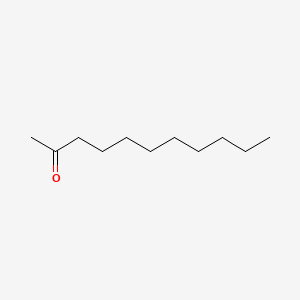
| The Content Variation of Natural Product Induced by Different Factor(s) | |||||||||||||||||||||||||||||||||||||||||||||||||||||||||||||||||||||||||||||||||||||||||
|---|---|---|---|---|---|---|---|---|---|---|---|---|---|---|---|---|---|---|---|---|---|---|---|---|---|---|---|---|---|---|---|---|---|---|---|---|---|---|---|---|---|---|---|---|---|---|---|---|---|---|---|---|---|---|---|---|---|---|---|---|---|---|---|---|---|---|---|---|---|---|---|---|---|---|---|---|---|---|---|---|---|---|---|---|---|---|---|---|---|
| Species Name: Mentha rotundifolia | |||||||||||||||||||||||||||||||||||||||||||||||||||||||||||||||||||||||||||||||||||||||||
| Factor Name: Altitude Variation | [1] | ||||||||||||||||||||||||||||||||||||||||||||||||||||||||||||||||||||||||||||||||||||||||
| Experiment Detail |
Mentha rotundifolia leaves were collected in the second week of November 2004 in two localities of Algeria (Rouina: altitude 250 m, Miliana: altitude 780 m) within the region of Ain-Defla located in northern Algeria.
Click to Show/Hide
|
||||||||||||||||||||||||||||||||||||||||||||||||||||||||||||||||||||||||||||||||||||||||
| Factor Function |
Thirty-nine compounds were identified in leaf oil of sample 1 (Rouina, Algeria), the main one being cis-piperitone oxide. Thirty-nine compounds were identified in leaf oil of sample 2 (Miliana, Algeria). The main one being piperitenone oxide.
Click to Show/Hide
|
||||||||||||||||||||||||||||||||||||||||||||||||||||||||||||||||||||||||||||||||||||||||
| Factor | Part | Location | NP Content | ||||||||||||||||||||||||||||||||||||||||||||||||||||||||||||||||||||||||||||||||||||||
|
Locality: Miliana, Algeria; Altitude 780 m
|
Leaves | Algeria |
NP Content: 0.4 %
|
||||||||||||||||||||||||||||||||||||||||||||||||||||||||||||||||||||||||||||||||||||||
| Species Name: Persea americana | |||||||||||||||||||||||||||||||||||||||||||||||||||||||||||||||||||||||||||||||||||||||||
| Factor Name: Variety Comparison; Locality Variation | [2] | ||||||||||||||||||||||||||||||||||||||||||||||||||||||||||||||||||||||||||||||||||||||||
| Experiment Detail |
Experimental: Two hundred grams of healthy mature intact leaves were harvested from each of the taxa growing on their own rootstocks at the UC South Coast Research and Extension Center. flocc = P. americana var. floccosa from Mexico D-7; stey = P. americana var. steyermarkii from Mexico El Salvador 3-22-16; nubi = P. americana var. nubigena from Guatemala 45-C-1; mex = P. americena var. drymfolia from Tasco, Mexico; guat = P. americana var. guatemalensis cult. Nimlioh from Florida; bwl = P. ameticana var. americana cult. Trapp from Florida.
Click to Show/Hide
|
||||||||||||||||||||||||||||||||||||||||||||||||||||||||||||||||||||||||||||||||||||||||
| Factor Function |
Analysis of oils showed the presence of over 90 components, of which 76 were identified. P. schiedeana oil was found to contain alpha-pinene (23.7%), beta-pinene (23.2%) and beta-caryophyllene as major components. The major constituents of P. americana var. floccosa and P. americana var. steyermarkii were alpha-pinene (10.9%, 7.6%), beta-pinene (20.6%, 10.4%), alpha-terpineol (9.6%, 7.9%), beta-caryophyllene (12.6%, 8.4%), viridiflorene (0.1%, 10.3%) and globulol (0.1%, 9.2%), respectively. The oils of P. americana var. nubigena and P. americana var. drymifolia contained alpha-terpineol (18.4%, 393%) and methylchavicol (12.4%, 40.2%), as major components, respectively. P. americana var. guatemalensis was found to be rich in beta-caryophyllene (38.3%), while the oils of P. americana var. americana and P. primatogena contained alpha-pinene (27.5%) and beta-pinene (40.9%), and alpha-pinene (24.6%), beta-caryophyllene (20.7%) and germacene D (10.1%).
Click to Show/Hide
|
||||||||||||||||||||||||||||||||||||||||||||||||||||||||||||||||||||||||||||||||||||||||
| Factor | Part | Location | NP Content | ||||||||||||||||||||||||||||||||||||||||||||||||||||||||||||||||||||||||||||||||||||||
|
Persea americana var. drymfolia (Locality: Tasco)
|
Leaves | Tasco, Mexico |
NP Content: 7 %
|
||||||||||||||||||||||||||||||||||||||||||||||||||||||||||||||||||||||||||||||||||||||
|
Persea americana var. nubigena (Locality: Guatemala)
|
Leaves | Guatemala |
NP Content: 0.1 %
|
||||||||||||||||||||||||||||||||||||||||||||||||||||||||||||||||||||||||||||||||||||||
| Species Name: Pilocarpus spicatus | |||||||||||||||||||||||||||||||||||||||||||||||||||||||||||||||||||||||||||||||||||||||||
| Factor Name: Locality Variation; Harvest Time Variation | [3] | ||||||||||||||||||||||||||||||||||||||||||||||||||||||||||||||||||||||||||||||||||||||||
| Experiment Detail |
Five different populations of P. spicatus were collected in different geographical regions of the northeast of Brazil. Populations I: (Locality: Morro do Chapeu,Bahia, harvesting: 02.19.94); Populations II: (Locality: Maranguape,Ceara, harvesting: 06.01.97); Populations III: (Locality: Jacobina,Bahia, harvesting: 02.19.94); Populations IV: (Locality: Cocalzinho,Ceara, harvesting: 02.22.94); Populations V: (Locality: Sitio dos Moreiras,Pernambuco, harvesting: 02.22.94)
Click to Show/Hide
|
||||||||||||||||||||||||||||||||||||||||||||||||||||||||||||||||||||||||||||||||||||||||
| Factor Function |
The aliphatic ketones 2-undecanone, 2-tridecanone and 2-pentadecanone were present in samples of all populations. 2-Tridecanone (1.7-84.7 %) was detected in 30 out of 34 samples analyzed. It was the main component in all samples of root barks, except one where 2-pentadecanone (24.7%) was the major component. 2-Undecanone, beta-eudesmol and sabinene were the major components of leaf oils.
Click to Show/Hide
|
||||||||||||||||||||||||||||||||||||||||||||||||||||||||||||||||||||||||||||||||||||||||
| Factor | Part | Location | NP Content | ||||||||||||||||||||||||||||||||||||||||||||||||||||||||||||||||||||||||||||||||||||||
|
Leaf: (Locality: Jacobina, Bahia, Northeast of Brazi) + (Harvesting time: 19-February-1994)
|
Leaves | Jacobina, Bahia, Northeast of Brazil |
NP Content: 68.9 %
|
||||||||||||||||||||||||||||||||||||||||||||||||||||||||||||||||||||||||||||||||||||||
|
Leaf: (Locality: Cocalzinho, Ceara, Northeast of Brazi) + (Harvesting time: 22-February-1994)
|
Leaves | Cocalzinho, Ceara, Northeast of Brazil |
NP Content: 64.3 %
|
||||||||||||||||||||||||||||||||||||||||||||||||||||||||||||||||||||||||||||||||||||||
|
Leaf: (Locality: Sitio dos Moreiras, Pernambuco, Northeast of Brazi) + (Harvesting time: 22-February-1994)
|
Leaves | Sitio dos Moreiras, Pernambuco, Northeast of Brazil |
NP Content: 55.5 %
|
||||||||||||||||||||||||||||||||||||||||||||||||||||||||||||||||||||||||||||||||||||||
|
Root bark: (Locality: Morro do Chapeu, Bahia, Northeast of Brazi) + (Harvesting time: 19-February-1994)
|
Root bark | Morro do Chapeu, Bahia, Northeast of Brazil |
NP Content: 7.7 %
|
||||||||||||||||||||||||||||||||||||||||||||||||||||||||||||||||||||||||||||||||||||||
|
Root bark: (Locality: Maranguape, Ceara, Northeast of Brazi) + (Harvesting time: 01-June-1997)
|
Root bark | Maranguape, Ceara, Northeast of Brazil |
NP Content: 40.4 %
|
||||||||||||||||||||||||||||||||||||||||||||||||||||||||||||||||||||||||||||||||||||||
|
Root bark: (Locality: Jacobina, Bahia, Northeast of Brazi) + (Harvesting time: 19-February-1994)
|
Root bark | Jacobina, Bahia, Northeast of Brazil |
NP Content: 5.8 %
|
||||||||||||||||||||||||||||||||||||||||||||||||||||||||||||||||||||||||||||||||||||||
|
Root bark: (Locality: Cocalzinho, Ceara, Northeast of Brazi) + (Harvesting time: 22-February-1994)
|
Root bark | Cocalzinho, Ceara, Northeast of Brazil |
NP Content: 3.1 %
|
||||||||||||||||||||||||||||||||||||||||||||||||||||||||||||||||||||||||||||||||||||||
|
Root bark: (Locality: Sitio dos Moreiras, Pernambuco, Northeast of Brazi) + (Harvesting time: 22-February-1994)
|
Root bark | Sitio dos Moreiras, Pernambuco, Northeast of Brazil |
NP Content: 20.3 %
|
||||||||||||||||||||||||||||||||||||||||||||||||||||||||||||||||||||||||||||||||||||||
|
Root wood: (Locality: Morro do Chapeu, Bahia, Northeast of Brazi) + (Harvesting time: 19-February-1994)
|
Root woods | Morro do Chapeu, Bahia, Northeast of Brazil |
NP Content: 20.8 %
|
||||||||||||||||||||||||||||||||||||||||||||||||||||||||||||||||||||||||||||||||||||||
|
Root wood: (Locality: Maranguape, Ceara, Northeast of Brazi) + (Harvesting time: 01-June-1997)
|
Root woods | Maranguape, Ceara, Northeast of Brazil |
NP Content: 5.7 %
|
||||||||||||||||||||||||||||||||||||||||||||||||||||||||||||||||||||||||||||||||||||||
|
Root wood: (Locality: Jacobina, Bahia, Northeast of Brazi) + (Harvesting time: 19-February-1994)
|
Root woods | Jacobina, Bahia, Northeast of Brazil |
NP Content: 9.8 %
|
||||||||||||||||||||||||||||||||||||||||||||||||||||||||||||||||||||||||||||||||||||||
|
Root wood: (Locality: Cocalzinho, Ceara, Northeast of Brazi) + (Harvesting time: 22-February-1994)
|
Root woods | Cocalzinho, Ceara, Northeast of Brazil |
NP Content: 11.9 %
|
||||||||||||||||||||||||||||||||||||||||||||||||||||||||||||||||||||||||||||||||||||||
|
Root wood: (Locality: Sitio dos Moreiras, Pernambuco, Northeast of Brazi) + (Harvesting time: 22-February-1994)
|
Root woods | Sitio dos Moreiras, Pernambuco, Northeast of Brazil |
NP Content: 4.8 %
|
||||||||||||||||||||||||||||||||||||||||||||||||||||||||||||||||||||||||||||||||||||||
|
Stem bark: (Locality: Morro do Chapeu, Bahia, Northeast of Brazi) + (Harvesting time: 19-February-1994)
|
Stem bark | Morro do Chapeu, Bahia, Northeast of Brazil |
NP Content: 14 %
|
||||||||||||||||||||||||||||||||||||||||||||||||||||||||||||||||||||||||||||||||||||||
|
Stem bark: (Locality: Maranguape, Ceara, Northeast of Brazi) + (Harvesting time: 01-June-1997)
|
Stem bark | Maranguape, Ceara, Northeast of Brazil |
NP Content: 3.6 %
|
||||||||||||||||||||||||||||||||||||||||||||||||||||||||||||||||||||||||||||||||||||||
|
Stem bark: (Locality: Jacobina, Bahia, Northeast of Brazi) + (Harvesting time: 19-February-1994)
|
Stem bark | Jacobina, Bahia, Northeast of Brazil |
NP Content: 61.4 %
|
||||||||||||||||||||||||||||||||||||||||||||||||||||||||||||||||||||||||||||||||||||||
|
Stem bark: (Locality: Cocalzinho, Ceara, Northeast of Brazi) + (Harvesting time: 22-February-1994)
|
Stem bark | Cocalzinho, Ceara, Northeast of Brazil |
NP Content: 3.1 %
|
||||||||||||||||||||||||||||||||||||||||||||||||||||||||||||||||||||||||||||||||||||||
|
Stem bark: (Locality: Sitio dos Moreiras, Pernambuco, Northeast of Brazi) + (Harvesting time: 22-February-1994)
|
Stem bark | Sitio dos Moreiras, Pernambuco, Northeast of Brazil |
NP Content: 62.4 %
|
||||||||||||||||||||||||||||||||||||||||||||||||||||||||||||||||||||||||||||||||||||||
|
Stem wood: (Locality: Morro do Chapeu, Bahia, Northeast of Brazi) + (Harvesting time: 19-February-1994)
|
Stem woods | Morro do Chapeu, Bahia, Northeast of Brazil |
NP Content: 4.9 %
|
||||||||||||||||||||||||||||||||||||||||||||||||||||||||||||||||||||||||||||||||||||||
|
Stem wood: (Locality: Maranguape, Ceara, Northeast of Brazi) + (Harvesting time: 01-June-1997)
|
Stem woods | Maranguape, Ceara, Northeast of Brazil |
NP Content: 44.2 %
|
||||||||||||||||||||||||||||||||||||||||||||||||||||||||||||||||||||||||||||||||||||||
|
Stem wood: (Locality: Jacobina, Bahia, Northeast of Brazi) + (Harvesting time: 19-February-1994)
|
Stem woods | Jacobina, Bahia, Northeast of Brazil |
NP Content: 20 %
|
||||||||||||||||||||||||||||||||||||||||||||||||||||||||||||||||||||||||||||||||||||||
|
Stem wood: (Locality: Cocalzinho, Ceara, Northeast of Brazi) + (Harvesting time: 22-February-1994)
|
Stem woods | Cocalzinho, Ceara, Northeast of Brazil |
NP Content: 11.9 %
|
||||||||||||||||||||||||||||||||||||||||||||||||||||||||||||||||||||||||||||||||||||||
|
Stem wood: (Locality: Sitio dos Moreiras, Pernambuco, Northeast of Brazi) + (Harvesting time: 22-February-1994)
|
Stem woods | Sitio dos Moreiras, Pernambuco, Northeast of Brazil |
NP Content: 36.3 %
|
||||||||||||||||||||||||||||||||||||||||||||||||||||||||||||||||||||||||||||||||||||||
| Species Name: Pinus sylvestris | |||||||||||||||||||||||||||||||||||||||||||||||||||||||||||||||||||||||||||||||||||||||||
| Factor Name: Locality Variation | [4] | ||||||||||||||||||||||||||||||||||||||||||||||||||||||||||||||||||||||||||||||||||||||||
| Experiment Detail |
The branches of pine were collected in July, 1996 in 15 different locations in Lithuania in the following regions: Western part (Silute, Jurbarkas, Kursiu Nerija), Eastern part (Salcininkai, Zarasai, Moletai), Southern part (Varena, Trakai, Radviliskis) and central part (Ukmerge, Jonava, Kaisiadorys). The branches in each location were collected from the trees in approximately 1 km radius.
Click to Show/Hide
|
||||||||||||||||||||||||||||||||||||||||||||||||||||||||||||||||||||||||||||||||||||||||
| Factor Function |
More than 70 constituents were identified (64 positively and 10 tentatively) in the oils. alpha-Pinene (18.5-33.0%) and delta-3-carene (9.1-24.6%) were dominating constituents with the only one exception when the germacrene-4-ol content in one of the samples was 13.2%. The important bornyl acetate content varied from 0.5% to 3.0%. The main sesquiterpenes were beta-caryophyllene, germacrene D, bicyclogermacrene, delta-cadinene, gamma-cadinene, germacrene D-4-ol, cubenol (2.0-5.1%) and alpha-cadinol (1.9-7.7%).
Click to Show/Hide
|
||||||||||||||||||||||||||||||||||||||||||||||||||||||||||||||||||||||||||||||||||||||||
| Factor | Part | Location | NP Content | ||||||||||||||||||||||||||||||||||||||||||||||||||||||||||||||||||||||||||||||||||||||
|
Locality: Jonava, Lithuania
|
Branches | Jonava, Lithuania |
NP Content: 0.3 %
|
||||||||||||||||||||||||||||||||||||||||||||||||||||||||||||||||||||||||||||||||||||||
|
Locality: Jonava, Lithuania
|
Branches | Jonava, Lithuania |
NP Content: 0.05 %
|
||||||||||||||||||||||||||||||||||||||||||||||||||||||||||||||||||||||||||||||||||||||
|
Locality: Jurbarkas, Lithuania
|
Branches | Jurbarkas, Lithuania |
NP Content: 0.2 %
|
||||||||||||||||||||||||||||||||||||||||||||||||||||||||||||||||||||||||||||||||||||||
|
Locality: Jurbarkas, Lithuania
|
Branches | Jurbarkas, Lithuania |
NP Content: 0.1 %
|
||||||||||||||||||||||||||||||||||||||||||||||||||||||||||||||||||||||||||||||||||||||
|
Locality: Kaisiadorys, Lithuania
|
Branches | Kaisiadorys, Lithuania |
NP Content: 0.2 %
|
||||||||||||||||||||||||||||||||||||||||||||||||||||||||||||||||||||||||||||||||||||||
|
Locality: Kaisiadorys, Lithuania
|
Branches | Kaisiadorys, Lithuania |
NP Content: 0.05 %
|
||||||||||||||||||||||||||||||||||||||||||||||||||||||||||||||||||||||||||||||||||||||
|
Locality: Moletai, Lithuania
|
Branches | Moletai, Lithuania |
NP Content: 0.3 %
|
||||||||||||||||||||||||||||||||||||||||||||||||||||||||||||||||||||||||||||||||||||||
|
Locality: Moletai, Lithuania
|
Branches | Moletai, Lithuania |
NP Content: 0.1 %
|
||||||||||||||||||||||||||||||||||||||||||||||||||||||||||||||||||||||||||||||||||||||
|
Locality: Neringa (Smiltyne), Lithuania
|
Branches | Neringa (Smiltyne), Lithuania |
NP Content: 0.1 %
|
||||||||||||||||||||||||||||||||||||||||||||||||||||||||||||||||||||||||||||||||||||||
|
Locality: Neringa (Smiltyne), Lithuania
|
Branches | Neringa (Smiltyne), Lithuania |
NP Content: 0.05 %
|
||||||||||||||||||||||||||||||||||||||||||||||||||||||||||||||||||||||||||||||||||||||
|
Locality: Radviliskis, Lithuania
|
Branches | Radviliskis, Lithuania |
NP Content: 0.1 %
|
||||||||||||||||||||||||||||||||||||||||||||||||||||||||||||||||||||||||||||||||||||||
|
Locality: Radviliskis, Lithuania
|
Branches | Radviliskis, Lithuania |
NP Content: 0.05 %
|
||||||||||||||||||||||||||||||||||||||||||||||||||||||||||||||||||||||||||||||||||||||
|
Locality: Salacininkai, Lithuania
|
Branches | Salacininkai, Lithuania |
NP Content: 0.4 %
|
||||||||||||||||||||||||||||||||||||||||||||||||||||||||||||||||||||||||||||||||||||||
|
Locality: Salacininkai, Lithuania
|
Branches | Salacininkai, Lithuania |
NP Content: 0.1 %
|
||||||||||||||||||||||||||||||||||||||||||||||||||||||||||||||||||||||||||||||||||||||
|
Locality: Silute, Lithuania
|
Branches | Silute, Lithuania |
NP Content: 1.1 %
|
||||||||||||||||||||||||||||||||||||||||||||||||||||||||||||||||||||||||||||||||||||||
|
Locality: Silute, Lithuania
|
Branches | Silute, Lithuania |
NP Content: 0.1 %
|
||||||||||||||||||||||||||||||||||||||||||||||||||||||||||||||||||||||||||||||||||||||
|
Locality: Trakai, Lithuania
|
Branches | Trakai, Lithuania |
NP Content: 0.1 %
|
||||||||||||||||||||||||||||||||||||||||||||||||||||||||||||||||||||||||||||||||||||||
|
Locality: Trakai, Lithuania
|
Branches | Trakai, Lithuania |
NP Content: 0.1 %
|
||||||||||||||||||||||||||||||||||||||||||||||||||||||||||||||||||||||||||||||||||||||
|
Locality: Ukmerge, Lithuania
|
Branches | Ukmerge, Lithuania |
NP Content: 0.2 %
|
||||||||||||||||||||||||||||||||||||||||||||||||||||||||||||||||||||||||||||||||||||||
|
Locality: Ukmerge, Lithuania
|
Branches | Ukmerge, Lithuania |
NP Content: 0.1 %
|
||||||||||||||||||||||||||||||||||||||||||||||||||||||||||||||||||||||||||||||||||||||
|
Locality: Varena, Lithuania
|
Branches | Varena, Lithuania |
NP Content: 0.2 %
|
||||||||||||||||||||||||||||||||||||||||||||||||||||||||||||||||||||||||||||||||||||||
|
Locality: Varena, Lithuania
|
Branches | Varena, Lithuania |
NP Content: 0.1 %
|
||||||||||||||||||||||||||||||||||||||||||||||||||||||||||||||||||||||||||||||||||||||
|
Locality: Vilnius, Lithuania
|
Branches | Vilnius, Lithuania |
NP Content: 0.3 %
|
||||||||||||||||||||||||||||||||||||||||||||||||||||||||||||||||||||||||||||||||||||||
|
Locality: Vilnius, Lithuania
|
Branches | Vilnius, Lithuania |
NP Content: 0.05 %
|
||||||||||||||||||||||||||||||||||||||||||||||||||||||||||||||||||||||||||||||||||||||
|
Locality: Zarasai, Lithuania
|
Branches | Zarasai, Lithuania |
NP Content: 0.3 %
|
||||||||||||||||||||||||||||||||||||||||||||||||||||||||||||||||||||||||||||||||||||||
|
Locality: Zarasai, Lithuania
|
Branches | Zarasai, Lithuania |
NP Content: 0.1 %
|
||||||||||||||||||||||||||||||||||||||||||||||||||||||||||||||||||||||||||||||||||||||
|
Locality: Zarsai (lmbradas), Lithuania
|
Branches | Zarsai (lmbradas), Lithuania |
NP Content: 0.1 %
|
||||||||||||||||||||||||||||||||||||||||||||||||||||||||||||||||||||||||||||||||||||||
|
Locality: Zarsai (lmbradas), Lithuania
|
Branches | Zarsai (lmbradas), Lithuania |
NP Content: 0.05 %
|
||||||||||||||||||||||||||||||||||||||||||||||||||||||||||||||||||||||||||||||||||||||
|
Locality: Zarasai (Sunele), Lithuania
|
Branches | Zarasai (Sunele), Lithuania |
NP Content: 0.1 %
|
||||||||||||||||||||||||||||||||||||||||||||||||||||||||||||||||||||||||||||||||||||||
|
Locality: Zarasai (Sunele), Lithuania
|
Branches | Zarasai (Sunele), Lithuania |
NP Content: 0.1 %
|
||||||||||||||||||||||||||||||||||||||||||||||||||||||||||||||||||||||||||||||||||||||
| Species Name: Ruta chalepensis | |||||||||||||||||||||||||||||||||||||||||||||||||||||||||||||||||||||||||||||||||||||||||
| Factor Name: Developmental Stage Variation | [5] | ||||||||||||||||||||||||||||||||||||||||||||||||||||||||||||||||||||||||||||||||||||||||
| Experiment Detail |
Ruta chalepensis seedlings were sown in the field in January 1999. Leaf materials were collected at vegetative stage (25th August 1999, plant height 60 cm, temp. min. 26.4 ℃, max. 35.6 ℃) and at budding stage (25th February 1999, plant height 115 cm, temp. min. 9.6 ℃, ma. 26.2 ℃). At flowering stage (2Sth March 2000, plant height 118 cm, temp. min. 14.3 ℃, max. 29.7 ℃), both leaves and flowers were collected; at fruiting stage (25th April 2000, plant height 119 cm, temp. min. 21.5 ℃, max. 39.1 ℃), leaves and fruits were again collected for oil isolation and analysis.
Click to Show/Hide
|
||||||||||||||||||||||||||||||||||||||||||||||||||||||||||||||||||||||||||||||||||||||||
| Factor Function |
Analysis of the oils from R. chalepensis showed that the major constituents of oils were 2-undecanone, 2-nonanone, 2- nonyl-acetate and 2-dodecanone. 2-Undecanone was found to reach a maximum in the flower oil followed by fruit and leaf oils. The quantity of 2-undecanone was highest in the leaves when the plants were young and in the vegetative stage, and it gradually decreased when the plants started flowering and fruiting. 2-Nonanone, on the other hand, was at its maximum in the Leaf oil followed by flower and fruit oils. The quantity of 2-nonanone in the leaves gradually increased from the vegetative stage to the flowering stage and was highest during fruiting stage. The concentration of 2-nonyl acetate was observed to be highest in the leaves during the vegetative stage, while 2-dodecanone was at its maximum in the fruits. Lina-lool, an important aromatic compound, has been found to be highest in flowers. Gamma-Terpinene and 6-methyl-5-hepten-2-one were observed only in vegetative stage of the plants. During the flowering and fruiting stages they could not be detected. Pregeijerene was observed during flowering only, while geijerene was observed both during flowering and fruiting; however, this compound was found in leaves.
Click to Show/Hide
|
||||||||||||||||||||||||||||||||||||||||||||||||||||||||||||||||||||||||||||||||||||||||
| Factor | Part | Location | NP Content | ||||||||||||||||||||||||||||||||||||||||||||||||||||||||||||||||||||||||||||||||||||||
|
Flower: Flowering stage
|
Flowers | Lucknow, India |
NP Content: 67.8 %
|
||||||||||||||||||||||||||||||||||||||||||||||||||||||||||||||||||||||||||||||||||||||
|
Fruit: Fruiting Stage
|
Fruits | Lucknow, India |
NP Content: 60 %
|
||||||||||||||||||||||||||||||||||||||||||||||||||||||||||||||||||||||||||||||||||||||
|
Leaf: Budding Stage
|
Leaves | Lucknow, India |
NP Content: 41.3 %
|
||||||||||||||||||||||||||||||||||||||||||||||||||||||||||||||||||||||||||||||||||||||
|
Leaf: Vegetative stage
|
Leaves | Lucknow, India |
NP Content: 47.7 %
|
||||||||||||||||||||||||||||||||||||||||||||||||||||||||||||||||||||||||||||||||||||||
|
Leaf: Flowering stage
|
Leaves | Lucknow, India |
NP Content: 42.7 %
|
||||||||||||||||||||||||||||||||||||||||||||||||||||||||||||||||||||||||||||||||||||||
|
Leaf: Fruiting Stage
|
Leaves | Lucknow, India |
NP Content: 41.7 %
|
||||||||||||||||||||||||||||||||||||||||||||||||||||||||||||||||||||||||||||||||||||||
| Species Name: Ruta graveolens | |||||||||||||||||||||||||||||||||||||||||||||||||||||||||||||||||||||||||||||||||||||||||
| Factor Name: Month Variation | [6] | ||||||||||||||||||||||||||||||||||||||||||||||||||||||||||||||||||||||||||||||||||||||||
| Experiment Detail |
The leaves of R. graveolens were always collected in the morning at Brazil, between October 2009 and September 2010, between 08:00 and 10:00 hours. After collection, the material was put in plastic bags in a refrigerator at 15 ℃, until the oil extraction.
Click to Show/Hide
|
||||||||||||||||||||||||||||||||||||||||||||||||||||||||||||||||||||||||||||||||||||||||
| Factor Function |
In all months, except August and September 2010, 2-undecanone was the major component, with contents ranging from 37.0 % (February 2010) to 58.2 % (June 2010), statistically similar to May 2010 (56.5 %) according with the Tukey's test ( p<0.05).
Click to Show/Hide
|
||||||||||||||||||||||||||||||||||||||||||||||||||||||||||||||||||||||||||||||||||||||||
| Factor | Part | Location | NP Content | ||||||||||||||||||||||||||||||||||||||||||||||||||||||||||||||||||||||||||||||||||||||
|
Harvesting time: April
|
Leaves | Brazil |
NP Content: 47.3 %
|
||||||||||||||||||||||||||||||||||||||||||||||||||||||||||||||||||||||||||||||||||||||
|
Harvesting time: May
|
Leaves | Brazil |
NP Content: 56.5 %
|
||||||||||||||||||||||||||||||||||||||||||||||||||||||||||||||||||||||||||||||||||||||
|
Harvesting time: June
|
Leaves | Brazil |
NP Content: 58.2 %
|
||||||||||||||||||||||||||||||||||||||||||||||||||||||||||||||||||||||||||||||||||||||
|
Harvesting time: October
|
Leaves | Brazil |
NP Content: 46.2 %
|
||||||||||||||||||||||||||||||||||||||||||||||||||||||||||||||||||||||||||||||||||||||
|
Harvesting time: November
|
Leaves | Brazil |
NP Content: 48.8 %
|
||||||||||||||||||||||||||||||||||||||||||||||||||||||||||||||||||||||||||||||||||||||
|
Harvesting time: December
|
Leaves | Brazil |
NP Content: 46.8 %
|
||||||||||||||||||||||||||||||||||||||||||||||||||||||||||||||||||||||||||||||||||||||
| Species Name: Teucrium flavum | |||||||||||||||||||||||||||||||||||||||||||||||||||||||||||||||||||||||||||||||||||||||||
| Factor Name: Month Variation; Developmental Stage Variation | [7] | ||||||||||||||||||||||||||||||||||||||||||||||||||||||||||||||||||||||||||||||||||||||||
| Experiment Detail |
The aerial parts of T. flavum were collected in different periods from December to July 2006, from plants growing along the Ionic coast of Sicily (Italy). LF 1-LF 2-LF 3: represent the composition of leaf oils of plant samples collected in December (vegetative stage), February (pre-flowering stage) and April (budding stage) respectively; FL: flower oil; FR: fruit oil.
Click to Show/Hide
|
||||||||||||||||||||||||||||||||||||||||||||||||||||||||||||||||||||||||||||||||||||||||
| Factor Function |
Some components, in all investigated plant parts, remained more or less constant during all the different phases of the plant cycle life. Worthy of note, considering the leaf oils, was that beta-pinene, limonene and germacrene D increased in the pre-flowering stage, while a series of esters and alpha-copaene, beta-caryophyllene, viridiflorol, Tmuurolol and phytol increased in the budding stage (LF3); the vegetative stage oil is generally characterized by a rich chemical composition and some constituents such as isoamyl hexanoate, alpha-humulene, bicyclogermacrene, beta-bisabolene and alpha-bisabolol reached their highest levels in this oil. In the flower oil, linalool and 1-octen-3-yl acetate were the main components compared to the amounts found in the other oils. Fruit oil composition was relatively oil poor, with beta-bisabolene, caryophyllene oxide, cadin-4-en-1-ol and phytone as the major constituents.
Click to Show/Hide
|
||||||||||||||||||||||||||||||||||||||||||||||||||||||||||||||||||||||||||||||||||||||||
| Factor | Part | Location | NP Content | ||||||||||||||||||||||||||||||||||||||||||||||||||||||||||||||||||||||||||||||||||||||
|
Harvesting time: April; budding stage
|
Leaves | Italy |
NP Content: <0.01 %
|
||||||||||||||||||||||||||||||||||||||||||||||||||||||||||||||||||||||||||||||||||||||
|
Fruit oil
|
Fruits | Italy |
NP Content: 0.1 %
|
||||||||||||||||||||||||||||||||||||||||||||||||||||||||||||||||||||||||||||||||||||||
