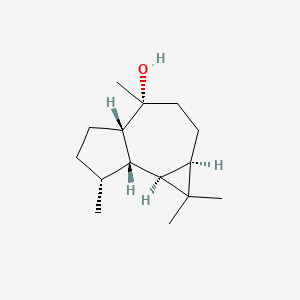
| The Content Variation of Natural Product Induced by Different Factor(s) | |||||||||||||||||||||||||||||||||||||||||||||||||||||||||||||||||||||||||||||||||||||||||
|---|---|---|---|---|---|---|---|---|---|---|---|---|---|---|---|---|---|---|---|---|---|---|---|---|---|---|---|---|---|---|---|---|---|---|---|---|---|---|---|---|---|---|---|---|---|---|---|---|---|---|---|---|---|---|---|---|---|---|---|---|---|---|---|---|---|---|---|---|---|---|---|---|---|---|---|---|---|---|---|---|---|---|---|---|---|---|---|---|---|
| Species Name: Blumea balsamifera (L.) DC. | |||||||||||||||||||||||||||||||||||||||||||||||||||||||||||||||||||||||||||||||||||||||||
| Factor Name: Month Variation; Developmental Stage Variation | [1] | ||||||||||||||||||||||||||||||||||||||||||||||||||||||||||||||||||||||||||||||||||||||||
| Experiment Detail |
The experiments were performed in the experimental field of the Tropical Crops Genetic Resources Institute, Chinese Academy of Tropical Agricultural Sciences (Danzhou, Hainan, China; localization 19.52° N, 109.50° E; altitude 118 m; annual average precipitation 1815 mm; annual average temperature 23.5 ℃ ;the soil characteristics are : "Organic matter (g/kg) 11.37;pH 4.94;N (g/kg) 0.51;P (mg/kg) 25.33;K (mg/kg) 33.89). The experimental B. balsamifera plants were one-year old, and were propagated by the seeds collected from B. balsamifera planted in the experimental field of the Tropical Crops Genetic Resources Institute, Chinese Academy of Tropical Agricultural Sciences. They were planted with a planting spacing of 80 cm × 80 cm. On the 20th day of each month (from September 2014 to December 2014, which is the traditional harvest time), 30 one-year old B. balsamifera plants were randomly collected. Their young leaves (leaves on young shoots), mature leaves (leaves which are mature but without yellow spots), senescent leaves (leaves with yellow spots and those with dark brown leaf tips), dead leaves (leaves that have turned dark brown), young shoots (stems from buds to 10-20 cm part without woody parts), and young stems (green stems and not completely woody) were collected. These samples were divided into three parts (replicates), dried under shade, and ground to a fine powder (20-mesh sieve), packed in zip-lock bags, and stored in the refrigerator (4 ℃ ) for oil extraction.
Click to Show/Hide
|
||||||||||||||||||||||||||||||||||||||||||||||||||||||||||||||||||||||||||||||||||||||||
| Factor Function |
Time of growth and type of B. balsamifera plant organs influence the production of oil, its composition, and antioxidant activity. The essential oil level in the young leaves was the highest, followed by mature leaves and senescent leaves, and the oil content was higher in October. A total of 44 compounds were identified. In the essential oils of leaves, the main ingredient is l-borneol, and the content was the highest in senescent leaves and in December. Variations in oil yields did not show the same pattern as the percentages of l-borneol in the essential oil. In the essential oils of young shoots and young stems, the main composition was dimethoxydurene. Therefore, the time of harvest and type of plant organs should be distinguished based on the different harvesting purposes. To extract the volatile oil, the aboveground parts except stems in October should be chosen for harvest. To get a high content of l-borneol in volatile oil, it is more appropriate to select the leaves in December. The antioxidant activity was evaluated using DPPH and BCB assays in this study, and the results proved that the essential oils of B. balsamifera showed a certain antioxidant activity, and the beta-carotene bleaching activity is far stronger than the DPPH radical-scavenging capacity. The young leaves and young shoots showed stronger antioxidant activity due to the high content of dimethoxydurene, beta-caryophyllene, and alpha-caryophyllene.
Click to Show/Hide
|
||||||||||||||||||||||||||||||||||||||||||||||||||||||||||||||||||||||||||||||||||||||||
| Factor | Part | Location | NP Content | ||||||||||||||||||||||||||||||||||||||||||||||||||||||||||||||||||||||||||||||||||||||
|
Young Leaves (mean value for four months)
|
Young leaves | Danzhou, Hainan, China |
NP Content: 0.22 %
|
||||||||||||||||||||||||||||||||||||||||||||||||||||||||||||||||||||||||||||||||||||||
|
Mature Leaves (mean value for four months)
|
Mature leaves | Danzhou, Hainan, China |
NP Content: 0.24 %
|
||||||||||||||||||||||||||||||||||||||||||||||||||||||||||||||||||||||||||||||||||||||
|
Senescent Leaves (mean value for four months)
|
Senescent Leaves | Danzhou, Hainan, China |
NP Content: 0.31 %
|
||||||||||||||||||||||||||||||||||||||||||||||||||||||||||||||||||||||||||||||||||||||
|
Dead Leaves (mean value for four months)
|
Dead Leaves | Danzhou, Hainan, China |
NP Content: 0.52 %
|
||||||||||||||||||||||||||||||||||||||||||||||||||||||||||||||||||||||||||||||||||||||
|
Young Shoots (mean value for four months)
|
Young Shoots | Danzhou, Hainan, China |
NP Content: 0.12 %
|
||||||||||||||||||||||||||||||||||||||||||||||||||||||||||||||||||||||||||||||||||||||
|
September (mean value for the six plant organs)
|
Young Leaves; Mature Leaves; Senescent Leaves; Dead Leaves; Young Shoots; Young Stems | Danzhou, Hainan, China |
NP Content: 0.36 %
|
||||||||||||||||||||||||||||||||||||||||||||||||||||||||||||||||||||||||||||||||||||||
|
October (mean value for the six plant organs)
|
Young Leaves; Mature Leaves; Senescent Leaves; Dead Leaves; Young Shoots; Young Stems | Danzhou, Hainan, China |
NP Content: 0.26 %
|
||||||||||||||||||||||||||||||||||||||||||||||||||||||||||||||||||||||||||||||||||||||
|
November (mean value for the six plant organs)
|
Young Leaves; Mature Leaves; Senescent Leaves; Dead Leaves; Young Shoots; Young Stems | Danzhou, Hainan, China |
NP Content: 0.28 %
|
||||||||||||||||||||||||||||||||||||||||||||||||||||||||||||||||||||||||||||||||||||||
|
December (mean value for the six plant organs)
|
Young Leaves; Mature Leaves; Senescent Leaves; Dead Leaves; Young Shoots; Young Stems | Danzhou, Hainan, China |
NP Content: 0.25 %
|
||||||||||||||||||||||||||||||||||||||||||||||||||||||||||||||||||||||||||||||||||||||
| Species Name: Cassinia laevis | |||||||||||||||||||||||||||||||||||||||||||||||||||||||||||||||||||||||||||||||||||||||||
| Factor Name: Locality Variation | [2] | ||||||||||||||||||||||||||||||||||||||||||||||||||||||||||||||||||||||||||||||||||||||||
| Experiment Detail |
Six samples of Cassinia laevis R. Br. (coughbush, wild rosemary) were gathered from Lowood, 45 km west of Brisbane to Murphy's Creek area 100 km west of Brisbane, Australia from 1994 to 1998. Samples were identified by a LAEV prefix. LAEV 1 and LAEV 4 were collected from the roadside verge of the Gatton-Toowoomba bypass road (Lat. 27° 32′ 21″ S; Long. 152° 14′ 28″ E). LAEV 2 and LAEV 5 were collected from a different location in the same area (Lat. 27° 33′ 08″ S; Long. 152° 15′ 00″ E). LAEV 7 were collected from the Murphy's creek area (Lat. 27° 31′ 05″ S; Long. 152° 04′ 15″ E), growing on the roadside and in an adjacent paddock. Sample LAEV 9, was collected from the roadside area of the Warrego Highway (Lat. 27° 32′ 10″ S; Long. 152° 27′ 12″ E). The collected leaf and flower samples had aromas of trampled grass with a slight hint of curry.
Click to Show/Hide
|
||||||||||||||||||||||||||||||||||||||||||||||||||||||||||||||||||||||||||||||||||||||||
| Factor Function |
Spathulenol was the major compound in flower oils (8-12%) compared to leaf oils (0.3-4.0%) which had ledol(37.5-53.6%) as the major compound.
Click to Show/Hide
|
||||||||||||||||||||||||||||||||||||||||||||||||||||||||||||||||||||||||||||||||||||||||
| Factor | Part | Location | NP Content | ||||||||||||||||||||||||||||||||||||||||||||||||||||||||||||||||||||||||||||||||||||||
|
Flower: Sample 1 (Locality: roadside verge of the Gatton-Toowoomba, Brisbane, Queensland)
|
Flowers | Brisbane, Queensland, Australia |
NP Content: 19.3 %
|
||||||||||||||||||||||||||||||||||||||||||||||||||||||||||||||||||||||||||||||||||||||
|
Flower: Sample 4 (Locality: Lat. 27º 33′ 08″ S; Long. 152º 15′ 00″ E, Brisbane, Queensland)
|
Flowers | Brisbane, Queensland, Australia |
NP Content: 1.2 %
|
||||||||||||||||||||||||||||||||||||||||||||||||||||||||||||||||||||||||||||||||||||||
|
Flower: Sample 2 (Locality: roadside verge of the Gatton-Toowoomba, Brisbane, Queensland)
|
Flowers | Brisbane, Queensland, Australia |
NP Content: 1.1 %
|
||||||||||||||||||||||||||||||||||||||||||||||||||||||||||||||||||||||||||||||||||||||
|
Leaf: Sample 3 (Locality: Lat. 27º 33′ 08″ S; Long. 152º 15′ 00″ E, Brisbane, Queensland)
|
Leaves | Brisbane, Queensland, Australia |
NP Content: 39.5 %
|
||||||||||||||||||||||||||||||||||||||||||||||||||||||||||||||||||||||||||||||||||||||
|
Leaf: Sample 6 (Locality: Murphy's creek area, Brisbane, Queensland)
|
Leaves | Brisbane, Queensland, Australia |
NP Content: 53.6 %
|
||||||||||||||||||||||||||||||||||||||||||||||||||||||||||||||||||||||||||||||||||||||
|
Leaf: Sample 5 (Locality: roadside area of the Warrego Highway, Brisbane, Queensland)
|
Leaves | Brisbane, Queensland, Australia |
NP Content: 37.5 %
|
||||||||||||||||||||||||||||||||||||||||||||||||||||||||||||||||||||||||||||||||||||||
| Species Name: Eugenia chlorophylla | |||||||||||||||||||||||||||||||||||||||||||||||||||||||||||||||||||||||||||||||||||||||||
| Factor Name: Developmental Stage Variation | [3] | ||||||||||||||||||||||||||||||||||||||||||||||||||||||||||||||||||||||||||||||||||||||||
| Experiment Detail |
Plant material was collected at vegetative stage (stems and leaves,September 2005) and at flowering stage (leaves and flowers,December 2004), inCuritiba,Parana state, Brazil.
Click to Show/Hide
|
||||||||||||||||||||||||||||||||||||||||||||||||||||||||||||||||||||||||||||||||||||||||
| Factor Function |
Thirty-four components were identified, representing more than 80% of total oil. The major components were beta-caryophyllene (flowers-12.8%), caryophyllene oxide (stems-17.2%), globulol (stems-16.5%; leaves-22.5% at vegetative stage and 18.9% at flowering stage), 1-epi-cubenol (stems-10.9%), epi-alpha-muurolol (stems-16.8%) and alpha-cadinol (stems-12.1%; flowers-10.1%).
Click to Show/Hide
|
||||||||||||||||||||||||||||||||||||||||||||||||||||||||||||||||||||||||||||||||||||||||
| Factor | Part | Location | NP Content | ||||||||||||||||||||||||||||||||||||||||||||||||||||||||||||||||||||||||||||||||||||||
|
Flower: flowering stage
|
Flowers | Brazil |
NP Content: 1.5 %
|
||||||||||||||||||||||||||||||||||||||||||||||||||||||||||||||||||||||||||||||||||||||
|
Leaf: flowering stage
|
Leaves | Brazil |
NP Content: 2 %
|
||||||||||||||||||||||||||||||||||||||||||||||||||||||||||||||||||||||||||||||||||||||
|
Leaf: vegetative stage
|
Leaves | Brazil |
NP Content: 1.8 %
|
||||||||||||||||||||||||||||||||||||||||||||||||||||||||||||||||||||||||||||||||||||||
|
Stem: vegetative stage
|
Stems | Brazil |
NP Content: 1 %
|
||||||||||||||||||||||||||||||||||||||||||||||||||||||||||||||||||||||||||||||||||||||
| Species Name: Melaleuca ericifolia | |||||||||||||||||||||||||||||||||||||||||||||||||||||||||||||||||||||||||||||||||||||||||
| Factor Name: Locality Variation | [4] | ||||||||||||||||||||||||||||||||||||||||||||||||||||||||||||||||||||||||||||||||||||||||
| Experiment Detail |
Samples of M. ericifolia leaves were obtained from 19 locations as follows: DL3104- 3110, Coopernook, New South Wales (NSW), 31° 49′ 31″ S, 152° 36′ 48″ E (Site No. 1); DL3114-3120, Hawks Nest, NSW, 32° 40′ 09″ S, 152° 10′ 12″ E (Site No. 2); DL3240-3244, Hexham, NSW, 32° 48′ 50″ S, 151° 42′ E (Site No. 3); DL3245-3249, The Entrance, NSW, 32° 22′ 24″ S, 151° 28′ 19″ E (Site No. 4); DL3397-3401, Tuggerah Lake, NSW, 33° 21′ S, 151° 27′ E (Site No. 5); DL3250-3254, Georges River, NSW, 33° 58′ 42″ S, 151° 00′ 14″ E (Site No. 6); DL3255-3259, Berry, NSW, 34° 46′ 37″ S, 150° 45′ 27″ E (Site No. 7); DL3260-3264, Lake Durras, NSW, 35° 36′ 00″ S, 150° 16′ 17″ E (Site No. 8); DL3265- 3269, Wallaga Lake, NSW, 36° 23′ 43″ S, 150° 03′ 04″ E (Site No. 9); DL3270-3274, Wallagoot, NSW, 36° 44′ 50″ S, 149° 55′ 46″ E (Site No. 10); DL3275-3279, Genoa, Victoria (Vic), 37° 25′ 56″ S, 149° 38′ 41″ E (Site No. 11); BVG3024- 3028, West of Lakes Entrance, Vic, 37° 48′ S, 148° 03′E (Site No. 12); BVG3014-3018, West of Lang Lang, Vic, 38° 13′ S, 145° 30′ 13″ E (Site No. 13); BVG3019-3023, East of Welshpool, Vic, 38° 38′ 28″ S, 146° 30′53″ E (Site No. 14); ACC1019/1-2, 5-7, Nelson on the Glenelg River, Vic, 38° 03′ S, 141° 00′ E (Site No. 15); KJ1-5, Airport Flinders Island, Tasmania (Tas), 40° 05′ S, 148° 00′ E (Site No. 16); KJ6-10, Lackrana Road Flinders Island, Tas, 40° 18′ S, 148° 06′ E (Site No. 17); ACR1848/1-3, Woolnorth Point, Tas, 40° 38′ 30″ S, 144° 43′ 30″ E (Site No. 18); JB4509, Robins Island Track, Tas, 40° 45′ S, 144°53′E (Site No. 19). The majority of samples were collected during June to December 1999 with the exceptions being sites 5, 15 and 18, which were collected during July to October 2000. Leaf material totaling about 100 g of fresh leaves and twigs was obtained mainly from five widely spaced individual trees per location.
Click to Show/Hide
|
||||||||||||||||||||||||||||||||||||||||||||||||||||||||||||||||||||||||||||||||||||||||
| Factor Function |
Oil composition varied quantitatively throughout the species range rather than qualitatively in an apparent association with latitude of occurrence. Linalool and linalool oxide were abundant in the oils from the north of the species range in New South Wales with a gradual southerly decline in these compounds to central Victoria with concomitant increase in the proportions of 1,8-cineole, alpha-terpineol and limonene. The most southerly populations sampled in southern Victoria and Tasmania gave oils containing relatively high proportions of 1,8-cineole (mean 34.5%) and low proportions of linalool (3%). Four populations from the Central Coast of NSW (Coopernook, Hawks Nest, The Entrance and Tuggerah Lake) provided the greatest opportunity of identifying seed trees that combine the attributes required for plantation development. The tree that had the best combination of oil traits (DL 3116 from Hawks Nest) had an oil yield of 4.5%, a linalool content of 60% and a 1,8-cineole content of 16%.
Click to Show/Hide
|
||||||||||||||||||||||||||||||||||||||||||||||||||||||||||||||||||||||||||||||||||||||||
| Factor | Part | Location | NP Content | ||||||||||||||||||||||||||||||||||||||||||||||||||||||||||||||||||||||||||||||||||||||
|
Locality: northern Australia
|
Leaves | Australia |
NP Content: 0.1 %
|
||||||||||||||||||||||||||||||||||||||||||||||||||||||||||||||||||||||||||||||||||||||
|
Locality: southern Australia
|
Leaves | Australia |
NP Content: 0.7 %
|
||||||||||||||||||||||||||||||||||||||||||||||||||||||||||||||||||||||||||||||||||||||
| Species Name: Melaleuca quinquenervia | |||||||||||||||||||||||||||||||||||||||||||||||||||||||||||||||||||||||||||||||||||||||||
| Factor Name: Chemotype Comparison | [5] | ||||||||||||||||||||||||||||||||||||||||||||||||||||||||||||||||||||||||||||||||||||||||
| Experiment Detail |
Plant material: Leaves of M. quinquenervia were collected from January to October during the ten year period (1992-2001) on mainly East part of Madagascar island and in particular on Toamasina, Mananjary, Manakara, Farafangana, Vangaindrano, Moramanga, and Ambatondrazaka locations. Olfactory chemotype selection: During the years 1992-1995, since the price for (E)-nerolidol and viridiflorol chemotypes was very strong, leaf collection was done on trees chosen after olfactory selection by a chief harvester who compared the olfactory threshold of crumple leaves with our clearly identified oil samples. After 1996, collection was done at random and no particular attention in leaf harvesting was taken.
Click to Show/Hide
|
||||||||||||||||||||||||||||||||||||||||||||||||||||||||||||||||||||||||||||||||||||||||
| Factor Function |
Niaouli essential oils from Madagascar were classified into three chemotypes using Principal Component Analysis (PCA): a cineole chemotype (49-62%), a viridiflorol chemotype (21-36%) and an (E)-nerolidol chemotype (56-95%). The 1,8-cineole chemotype is widespread, representing 92% of the samples investigated if the leaf collection is done at random.
Click to Show/Hide
|
||||||||||||||||||||||||||||||||||||||||||||||||||||||||||||||||||||||||||||||||||||||||
| Factor | Part | Location | NP Content | ||||||||||||||||||||||||||||||||||||||||||||||||||||||||||||||||||||||||||||||||||||||
|
Chemotype (Cineole type)
|
Leaves | Madagascar |
NP Content: 0.3 %
|
||||||||||||||||||||||||||||||||||||||||||||||||||||||||||||||||||||||||||||||||||||||
|
Chemotype (Viridiflorol type)
|
Leaves | Madagascar |
NP Content: 5.3 %
|
||||||||||||||||||||||||||||||||||||||||||||||||||||||||||||||||||||||||||||||||||||||
|
Chemotype (E-nerolidol type)
|
Leaves | Madagascar |
NP Content: 0.59 %
|
||||||||||||||||||||||||||||||||||||||||||||||||||||||||||||||||||||||||||||||||||||||
| Species Name: Melaleuca quinquenervia (Cav.) S.T. Blake | |||||||||||||||||||||||||||||||||||||||||||||||||||||||||||||||||||||||||||||||||||||||||
| Factor Name: Chemotype Comparison | [6] | ||||||||||||||||||||||||||||||||||||||||||||||||||||||||||||||||||||||||||||||||||||||||
| Experiment Detail |
One hundred grams of mature leaves were collected from 2 to 10 widely spaced trees per site and sent to Sydney for analysis as soon as possible after collection. Samples usually arrived in the laboratory within 48 h of collection. The majority of the sampling was done between December 1998 and October 1999. Seasonal trends in oil yields and composition are confounded in the data on geographic variation, but these were considered minor in the context of this study.
Click to Show/Hide
|
||||||||||||||||||||||||||||||||||||||||||||||||||||||||||||||||||||||||||||||||||||||||
| Factor Function |
Chemotype 1 is comprised of E-nerolidol (74-95%) and linalool (14-30%) and is found from Sydney, north along the east coast of Australia to Selection Flat, New South Wales, with an isolated occurrence near Maryborough, Queensland. Two divisions occur in this chemotype which are based on the presence or absence of significant proportions of linalool (14-40%). Chemotype 2 contains 1,8-cineole (10-75%), viridiflorol (13-66%), alpha-terpineol (0.5-14%) and beta-caryophyllene (0.5-28%) in varying proportions and order of dominance in the oils. It is found throughout the distribution of the species, from Sydney to Papua New Guinea and New Caledonia. Within chemotype 2 there appears to be a continuous spread of oil composition without formation of any further discrete divisions as in chemotype 1. Analyses have shown that M. quinquenervia trees that occur at latitudes south of 25d S have high oil yields (1-3% w/w%, fresh leaves) and comprise chemotypes 1 and 2. North of 25d S, however, chemotype 1 does not occur and oil yields amongst the Australian populations are uniformly low (0.1-0.2%).
Click to Show/Hide
|
||||||||||||||||||||||||||||||||||||||||||||||||||||||||||||||||||||||||||||||||||||||||
| Factor | Part | Location | NP Content | ||||||||||||||||||||||||||||||||||||||||||||||||||||||||||||||||||||||||||||||||||||||
|
Chemotype (either 1,8-cineole or viridiflorol in highest proportion type)
|
Leaves | Australia and Papua New Guinea |
NP Content: 3.1 %
|
||||||||||||||||||||||||||||||||||||||||||||||||||||||||||||||||||||||||||||||||||||||
| Species Name: Salvia aucheri | |||||||||||||||||||||||||||||||||||||||||||||||||||||||||||||||||||||||||||||||||||||||||
| Factor Name: Variety Comparison | [7] | ||||||||||||||||||||||||||||||||||||||||||||||||||||||||||||||||||||||||||||||||||||||||
| Experiment Detail |
S. aucheri var. aucheri was collected in Karaman: Ermenek to Mutt Road on July 19,1995; Salvia aucheri var. canescens was collected in Karaman: Ermenek, Tekecati Valley on July 19,1995.
Click to Show/Hide
|
||||||||||||||||||||||||||||||||||||||||||||||||||||||||||||||||||||||||||||||||||||||||
| Factor Function |
Eighty components were characterized in the Salvia aucheri var. aucheri oil, with camphor (21.1%), 1, 8-cineole (20.3%), borneol (7.8%), spathulenol (6.3%) and camphene (5.3%) as major constituents. 1, 8-Cineole (25.2%), camphor (17.9%), borneol (10.6%), alpha-pinene (5.4%) and camphene (5.3%) were identified as major constituents among the 88 components characterized in the oil of Salvia aucheri var. canescens.
Click to Show/Hide
|
||||||||||||||||||||||||||||||||||||||||||||||||||||||||||||||||||||||||||||||||||||||||
| Factor | Part | Location | NP Content | ||||||||||||||||||||||||||||||||||||||||||||||||||||||||||||||||||||||||||||||||||||||
|
Salvia aucheri var. canescens
|
Aerial parts | Karaman, Turkey |
NP Content: 0.8 %
|
||||||||||||||||||||||||||||||||||||||||||||||||||||||||||||||||||||||||||||||||||||||
| Species Name: Salvia euphratica | |||||||||||||||||||||||||||||||||||||||||||||||||||||||||||||||||||||||||||||||||||||||||
| Factor Name: Variety Comparison | [8] | ||||||||||||||||||||||||||||||||||||||||||||||||||||||||||||||||||||||||||||||||||||||||
| Experiment Detail |
Aerial parts of both varieties(Salvia euphratica Montbret et Aucher ex Benth. var. euphratica and Salvia euphratica Montbret et Aucher ex Benth. var. leiocalycina) were collected in Malatya, Turkey in June 1999.
Click to Show/Hide
|
||||||||||||||||||||||||||||||||||||||||||||||||||||||||||||||||||||||||||||||||||||||||
| Factor Function |
Ninety-five compounds in var. euphratica and 94 compounds in var. leiocalycina were characterized representing 93% and 95% of the total components detected, respectively, with 1,8-cineole (13.8% and 15.2%) and myrtenyl acetate (15.9% and 13.9%) as main constituents.
Click to Show/Hide
|
||||||||||||||||||||||||||||||||||||||||||||||||||||||||||||||||||||||||||||||||||||||||
| Factor | Part | Location | NP Content | ||||||||||||||||||||||||||||||||||||||||||||||||||||||||||||||||||||||||||||||||||||||
|
Salvia euphratica var. leiocalycina
|
Flowering aerial parts | Turkey |
NP Content: 0.1 %
|
||||||||||||||||||||||||||||||||||||||||||||||||||||||||||||||||||||||||||||||||||||||
| Species Name: Sideritis congesta | |||||||||||||||||||||||||||||||||||||||||||||||||||||||||||||||||||||||||||||||||||||||||
| Factor Name: Locality Variation | [9] | ||||||||||||||||||||||||||||||||||||||||||||||||||||||||||||||||||||||||||||||||||||||||
| Experiment Detail |
Plant materials were collected from the following localities. A: Antalya: Alanya, Sapadere, Beldibi-Baskoy in July 1991 (ESSE 9562). B: Icel: Anamur, Kas yaylasi in July 1991 (ESSE 9192).
Click to Show/Hide
|
||||||||||||||||||||||||||||||||||||||||||||||||||||||||||||||||||||||||||||||||||||||||
| Factor Function |
Thirty-nine components were characterized in each oil representing 85-90% of the total components detected with beta-pinene (34-35%) and alpha-pinene (24-25%) as major constituents.
Click to Show/Hide
|
||||||||||||||||||||||||||||||||||||||||||||||||||||||||||||||||||||||||||||||||||||||||
| Factor | Part | Location | NP Content | ||||||||||||||||||||||||||||||||||||||||||||||||||||||||||||||||||||||||||||||||||||||
|
Locality: Beldibi-Baskoy, Sapadere, Alanya, Antalya, Turkey
|
Inflorescence | Turkey |
NP Content: 0.3 %
|
||||||||||||||||||||||||||||||||||||||||||||||||||||||||||||||||||||||||||||||||||||||
|
Locality: Kas yaylasi, Anamur, Icel, Turkey
|
Inflorescence | Turkey |
NP Content: 0.1 %
|
||||||||||||||||||||||||||||||||||||||||||||||||||||||||||||||||||||||||||||||||||||||
| Species Name: Teucrium flavum | |||||||||||||||||||||||||||||||||||||||||||||||||||||||||||||||||||||||||||||||||||||||||
| Factor Name: Month Variation; Developmental Stage Variation | [10] | ||||||||||||||||||||||||||||||||||||||||||||||||||||||||||||||||||||||||||||||||||||||||
| Experiment Detail |
The aerial parts of T. flavum were collected in different periods from December to July 2006, from plants growing along the Ionic coast of Sicily (Italy). LF 1-LF 2-LF 3: represent the composition of leaf oils of plant samples collected in December (vegetative stage), February (pre-flowering stage) and April (budding stage) respectively; FL: flower oil; FR: fruit oil.
Click to Show/Hide
|
||||||||||||||||||||||||||||||||||||||||||||||||||||||||||||||||||||||||||||||||||||||||
| Factor Function |
Some components, in all investigated plant parts, remained more or less constant during all the different phases of the plant cycle life. Worthy of note, considering the leaf oils, was that beta-pinene, limonene and germacrene D increased in the pre-flowering stage, while a series of esters and alpha-copaene, beta-caryophyllene, viridiflorol, Tmuurolol and phytol increased in the budding stage (LF3); the vegetative stage oil is generally characterized by a rich chemical composition and some constituents such as isoamyl hexanoate, alpha-humulene, bicyclogermacrene, beta-bisabolene and alpha-bisabolol reached their highest levels in this oil. In the flower oil, linalool and 1-octen-3-yl acetate were the main components compared to the amounts found in the other oils. Fruit oil composition was relatively oil poor, with beta-bisabolene, caryophyllene oxide, cadin-4-en-1-ol and phytone as the major constituents.
Click to Show/Hide
|
||||||||||||||||||||||||||||||||||||||||||||||||||||||||||||||||||||||||||||||||||||||||
| Factor | Part | Location | NP Content | ||||||||||||||||||||||||||||||||||||||||||||||||||||||||||||||||||||||||||||||||||||||
|
Harvesting time: February; pre-flowering stage
|
Leaves | Italy |
NP Content: 0.3 %
|
||||||||||||||||||||||||||||||||||||||||||||||||||||||||||||||||||||||||||||||||||||||
|
Harvesting time: April; budding stage
|
Leaves | Italy |
NP Content: 0.5 %
|
||||||||||||||||||||||||||||||||||||||||||||||||||||||||||||||||||||||||||||||||||||||
|
Harvesting time: December; vegetative stage
|
Leaves | Italy |
NP Content: 0.3 %
|
||||||||||||||||||||||||||||||||||||||||||||||||||||||||||||||||||||||||||||||||||||||
|
Flower oil
|
Flowers | Italy |
NP Content: 0.2 %
|
||||||||||||||||||||||||||||||||||||||||||||||||||||||||||||||||||||||||||||||||||||||
|
Fruit oil
|
Fruits | Italy |
NP Content: 0.2 %
|
||||||||||||||||||||||||||||||||||||||||||||||||||||||||||||||||||||||||||||||||||||||
