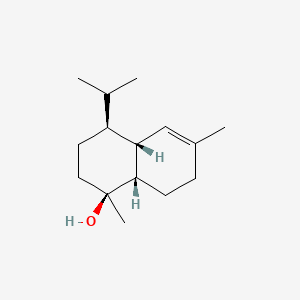
| The Content Variation of Natural Product Induced by Different Factor(s) | |||||||||||||||||||||||||||||||||||||||||||||||||||||||||||||||||||||||||||||||||||||||||
|---|---|---|---|---|---|---|---|---|---|---|---|---|---|---|---|---|---|---|---|---|---|---|---|---|---|---|---|---|---|---|---|---|---|---|---|---|---|---|---|---|---|---|---|---|---|---|---|---|---|---|---|---|---|---|---|---|---|---|---|---|---|---|---|---|---|---|---|---|---|---|---|---|---|---|---|---|---|---|---|---|---|---|---|---|---|---|---|---|---|
| Species Name: Artemisia campestris | |||||||||||||||||||||||||||||||||||||||||||||||||||||||||||||||||||||||||||||||||||||||||
| Factor Name: Locality Variation | [1] | ||||||||||||||||||||||||||||||||||||||||||||||||||||||||||||||||||||||||||||||||||||||||
| Experiment Detail |
The aerial parts (~20 cm, 15-100 g) of A. campestris L. from ten different wild populations of Lithuania were gathered at the full flowering stage. Plant material was dried at room temperature (20-25 ℃). Oils (samples 1-10) obtained from Artemisia campestris plants collected at sampling sites (A-I,Y) characterized by locality, city (c.) or district (d.), soil type (Or, ordo; Sn, sand; Sl, sandy loam; Gr, gravel; Lm, loam) and description of natural habitat (Af, abandoned field; Fe, forest edge; Ct, cutting area; Mw, meadow; Rs, roadside; Rv, river valley): A (1) Birstonas c. (Or, Ct); B (2) Palanga c. (Sn, Fe); C (3) Nociunai, Kedainai d. (Or, Mw); D (4) Alytus c. (Sl, Rs); E (5) Moletai c. (Lm, Af); F (6) Kaltanenai, Sencionys d. (Gr, Fe); G (7) Merkine, Alytus d. (Sl, Ct); H (8) Trakai c. (Gr, Af); I (9) Druskininkai c. (Or, Rv); Y (10) Vilnius c. (Gr, Af).
Click to Show/Hide
|
||||||||||||||||||||||||||||||||||||||||||||||||||||||||||||||||||||||||||||||||||||||||
| Factor Function |
The main chemical profile (ten samples) was characterized by the predominance of germacrene D (9.8-31.2%), while spathulenol, humulene epoxide II and caryophyllene oxide were found as the first major compounds in another three oils. One oil was determined as a mixed chemotype. Some compounds such as gamma-curcumene, alpha-cadinol, (E,E)-alpha-farnesene, beta-ylangene, beta-selinene and humulene epoxide II have been mentioned for the first time among three principal constituents in A. campestris oils. The fifty-six components made up 73.6.1-98.5% of the total content, while the remaining twenty-six volatile compounds were identified in insignificant amounts in the A. campestris essential oils.
Click to Show/Hide
|
||||||||||||||||||||||||||||||||||||||||||||||||||||||||||||||||||||||||||||||||||||||||
| Factor | Part | Location | NP Content | ||||||||||||||||||||||||||||||||||||||||||||||||||||||||||||||||||||||||||||||||||||||
|
Locality: Birstonas city, Lithuania (soil type: ordo; natural habitat: cutting area)
|
Aerial parts | Lithuania |
NP Content: 1.4 %
|
||||||||||||||||||||||||||||||||||||||||||||||||||||||||||||||||||||||||||||||||||||||
|
Locality: Palanga city, Lithuania (soil type: sand; natural habitat: forest edge)
|
Aerial parts | Lithuania |
NP Content: 0.8 %
|
||||||||||||||||||||||||||||||||||||||||||||||||||||||||||||||||||||||||||||||||||||||
|
Locality: Nociunai, Kedainai district, Lithuania (soil type: ordo; natural habitat: meadow)
|
Aerial parts | Lithuania |
NP Content: 2.5 %
|
||||||||||||||||||||||||||||||||||||||||||||||||||||||||||||||||||||||||||||||||||||||
|
Locality: Alytus city, Lithuania (soil type: sandy loam; natural habitat: roadside)
|
Aerial parts | Lithuania |
NP Content: 0.4 %
|
||||||||||||||||||||||||||||||||||||||||||||||||||||||||||||||||||||||||||||||||||||||
|
Locality: Moletai city, Lithuania (soil type: loam; natural habitat: abandoned field)
|
Aerial parts | Lithuania |
NP Content: 1 %
|
||||||||||||||||||||||||||||||||||||||||||||||||||||||||||||||||||||||||||||||||||||||
|
Locality: Kaltanenai, Sencionys district, Lithuania (soil type: gravel; natural habitat: forest edge)
|
Aerial parts | Lithuania |
NP Content: 1.7 %
|
||||||||||||||||||||||||||||||||||||||||||||||||||||||||||||||||||||||||||||||||||||||
|
Locality: Merkine, Alytus district, Lithuania (soil type: sandy loam; natural habitat: cutting area)
|
Aerial parts | Lithuania |
NP Content: 1.6 %
|
||||||||||||||||||||||||||||||||||||||||||||||||||||||||||||||||||||||||||||||||||||||
|
Locality: Trakai city, Lithuania (soil type: gravel; natural habitat: abandoned field)
|
Aerial parts | Lithuania |
NP Content: 0.7 %
|
||||||||||||||||||||||||||||||||||||||||||||||||||||||||||||||||||||||||||||||||||||||
|
Locality: Druskininkai city, Lithuania (soil type: ordo; natural habitat: river valley)
|
Aerial parts | Lithuania |
NP Content: 1.2 %
|
||||||||||||||||||||||||||||||||||||||||||||||||||||||||||||||||||||||||||||||||||||||
|
Locality: Vilnius city, Lithuania (soil type: gravel; natural habitat: abandoned field)
|
Aerial parts | Lithuania |
NP Content: 0.9 %
|
||||||||||||||||||||||||||||||||||||||||||||||||||||||||||||||||||||||||||||||||||||||
| Species Name: Juniperus thurifera | |||||||||||||||||||||||||||||||||||||||||||||||||||||||||||||||||||||||||||||||||||||||||
| Factor Name: Altitude Variation; High Temperature Treatment | [2] | ||||||||||||||||||||||||||||||||||||||||||||||||||||||||||||||||||||||||||||||||||||||||
| Experiment Detail |
The plant materials were collected for P1: 2900 m, Ait Akak, Oukaimden, Atlas Mts, Morocco, N. Achak, A. Romane and M. Mahroug, 3 trees, ns, 12/12/2003; P2, 2200 m, Plateau of Matat, Atlas Mts, N. Achak, A. Romane and M. Mahroug, 3 trees, ns, 18/03/2003; P3: 2000 m, Foret Islane, Oukaimden, Atlas Mts, N. Achak, A. Romane and M. Mahroug, 3 trees, ns,12/12/2003. A portion of the leaves from each of the three trees (per population) were air dried for 16 days at room temperature (ca. 22 ℃) to produce the dried leaf samples.
Click to Show/Hide
|
||||||||||||||||||||||||||||||||||||||||||||||||||||||||||||||||||||||||||||||||||||||||
| Factor Function |
The oil yields from fresh leaves showed on differences among geographical sources. Air dried leaves appeared to yield more oil at the highest elevation (1.03%, Ait Lkak, 2900 m) than lower sites (0.67%, Plateau of Matat, 2200 m; 0.57%, Foret Islane, 2000 m). The essential oils from each geographic site had very similar composition in fresh versus air dried leaves. The essential oils from provenance Ait Lkak and Plateau of Matat were very similar and characterized by a high sabinene content (21.2, 35.9%), in contrast to 10.% sabinene from the provenance Foret Islane. The oil from Foret Islane had a high delta-cadinene content with 12.7%, whereas Aik Akak and Plateau of Matat contained only 0.6 and 0.8%.
Click to Show/Hide
|
||||||||||||||||||||||||||||||||||||||||||||||||||||||||||||||||||||||||||||||||||||||||
| Factor | Part | Location | NP Content | ||||||||||||||||||||||||||||||||||||||||||||||||||||||||||||||||||||||||||||||||||||||
|
Fresh leaf: (Locality: Ait Lkak, Tensift Al Haouz-Marrakech, Morocco; Altitude 2900 m)
|
Fresh leaves | Ait Lkak, Tensift Al Haouz - Marrakech, Morocco |
NP Content: 1.3 %
|
||||||||||||||||||||||||||||||||||||||||||||||||||||||||||||||||||||||||||||||||||||||
|
Fresh leaf: (Locality: Plateau of Matat, Tensift Al Haouz-Marrakech, Morocco; Altitude 2200 m)
|
Fresh leaves | Plateau of Matat, Tensift Al Haouz - Marrakech, Morocco |
NP Content: <0.1 %
|
||||||||||||||||||||||||||||||||||||||||||||||||||||||||||||||||||||||||||||||||||||||
|
Dry leaf: (Locality: Foret Islane, Tensift Al Haouz-Marrakech, Morocco; Altitude 2000 m)
|
Dry leaves | Foret Islane, Tensift Al Haouz - Marrakech, Morocco |
NP Content: 1.5 %
|
||||||||||||||||||||||||||||||||||||||||||||||||||||||||||||||||||||||||||||||||||||||
|
Dry leaf: (Locality: Ait Lkak, Tensift Al Haouz-Marrakech, Morocco; Altitude 2900 m)
|
Dry leaves | Ait Lkak, Tensift Al Haouz - Marrakech, Morocco |
NP Content: 0.4 %
|
||||||||||||||||||||||||||||||||||||||||||||||||||||||||||||||||||||||||||||||||||||||
|
Dry leaf: (Locality: Plateau of Matat, Tensift Al Haouz-Marrakech, Morocco; Altitude 2200 m)
|
Dry leaves | Plateau of Matat, Tensift Al Haouz - Marrakech, Morocco |
NP Content: 0.1 %
|
||||||||||||||||||||||||||||||||||||||||||||||||||||||||||||||||||||||||||||||||||||||
|
Fresh leaf: (Locality: Foret Islane, Tensift Al Haouz-Marrakech, Morocco; Altitude 2000 m)
|
Fresh leaves | Foret Islane, Tensift Al Haouz - Marrakech, Morocco |
NP Content: 1.1 %
|
||||||||||||||||||||||||||||||||||||||||||||||||||||||||||||||||||||||||||||||||||||||
| Species Name: Ocimum basilicum | |||||||||||||||||||||||||||||||||||||||||||||||||||||||||||||||||||||||||||||||||||||||||
| Factor Name: Variety Comparison | [3] | ||||||||||||||||||||||||||||||||||||||||||||||||||||||||||||||||||||||||||||||||||||||||
| Experiment Detail |
Aerial parts of Ocimum basilicum var. purpurascens Benth, Ocimum basilicum var. dianatnejadii Salimi at flowering stage were collected from plants grown in Experimental Station of Pykan Shahr, near Tehran. Elevation 1215 m above sea level, latitude 35° 42′ North, 51° 8′ East, average humidity 36% and climatic category semi-arid.
Click to Show/Hide
|
||||||||||||||||||||||||||||||||||||||||||||||||||||||||||||||||||||||||||||||||||||||||
| Factor Function |
Methyl chavicol (43.0%) and linalool (28.9%) were identified as the major compounds in the oil of O. basilicum var. purpurascens, while methyl chavicol (37.6%), linalool (33.4%) and alpha-cadinol (5.7%) were the major constituents in the oil of O. basilicum var. dianatnejadii.
Click to Show/Hide
|
||||||||||||||||||||||||||||||||||||||||||||||||||||||||||||||||||||||||||||||||||||||||
| Factor | Part | Location | NP Content | ||||||||||||||||||||||||||||||||||||||||||||||||||||||||||||||||||||||||||||||||||||||
|
Ocimum basilicum var. purpurascens Benth
|
Aerial parts | Iran |
NP Content: 0.2 %
|
||||||||||||||||||||||||||||||||||||||||||||||||||||||||||||||||||||||||||||||||||||||
| Species Name: Pulicaria dysenterica | |||||||||||||||||||||||||||||||||||||||||||||||||||||||||||||||||||||||||||||||||||||||||
| Factor Name: Locality Variation | [4] | ||||||||||||||||||||||||||||||||||||||||||||||||||||||||||||||||||||||||||||||||||||||||
| Experiment Detail |
Aerial parts of P. dysenterica were collected during the flowering stage from two different locations in Greece in August 2002. Sample A: Katara (Perfecture Trikala). Sample B: Arahova (Perfecture Viotia).
Click to Show/Hide
|
||||||||||||||||||||||||||||||||||||||||||||||||||||||||||||||||||||||||||||||||||||||||
| Factor Function |
Fifty-four components were identified representing 80.5% (sample A) and 72.6% (sample B) of the total oils. The main components in sample A were (Z)-nerolidol (11.2%), caryophyllene oxide (9.1%) and (E)-nerolidol (6.6%), while those of sample B were beta-caryophyllene (12.8%), caryophyllene oxide (12.8%) and (E)-nerolidol (6.9%).
Click to Show/Hide
|
||||||||||||||||||||||||||||||||||||||||||||||||||||||||||||||||||||||||||||||||||||||||
| Factor | Part | Location | NP Content | ||||||||||||||||||||||||||||||||||||||||||||||||||||||||||||||||||||||||||||||||||||||
|
Locality: Katara, Perfecture Trikala, Greece
|
Aerial parts | Greece |
NP Content: 4.8 %
|
||||||||||||||||||||||||||||||||||||||||||||||||||||||||||||||||||||||||||||||||||||||
|
Locality: Arahova, Perfecture Viotia, Greece
|
Aerial parts | Greece |
NP Content: 2.4 %
|
||||||||||||||||||||||||||||||||||||||||||||||||||||||||||||||||||||||||||||||||||||||
