| The Content Variation of Natural Product Induced by Different Factor(s) | |||||||||||||||||||||||||||||||||||||||||||||||||||||||||||||||||||||||||||||||||||||||||
|---|---|---|---|---|---|---|---|---|---|---|---|---|---|---|---|---|---|---|---|---|---|---|---|---|---|---|---|---|---|---|---|---|---|---|---|---|---|---|---|---|---|---|---|---|---|---|---|---|---|---|---|---|---|---|---|---|---|---|---|---|---|---|---|---|---|---|---|---|---|---|---|---|---|---|---|---|---|---|---|---|---|---|---|---|---|---|---|---|---|
| Species Name: Aquilaria agallocha | |||||||||||||||||||||||||||||||||||||||||||||||||||||||||||||||||||||||||||||||||||||||||
| Factor Name: Plant Pathogen Infection | [1] | ||||||||||||||||||||||||||||||||||||||||||||||||||||||||||||||||||||||||||||||||||||||||
| Experiment Detail |
Artificial inoculation of fungal isolates: The most frequently isolated fungi from infected agarwood (e.g. Chaetomium globosum and Fusarium oxysporum) were inoculated to the healthy plants by artifi cial boring on to the plants. Inoculation was made with two different fungi alone and in their combination. Observations were made at an interval of 30 days after inoculation.
Click to Show/Hide
|
||||||||||||||||||||||||||||||||||||||||||||||||||||||||||||||||||||||||||||||||||||||||
| Factor Function |
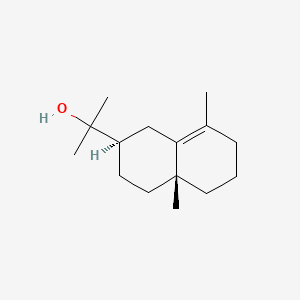
This investigation showed a marked difference in the oil compositions among the treatments with regards to their quality. Valerianol (3.0%) and tetradec-anioc acid (7.1%) contents were recorded higher in the oils of naturally infected plants than in that of healthy ones (0.1% and 6.9%, respectively). Pentadecenoic acid was totally absent in the oils of healthy, whereas it was found in a greater amount (6.8%) in the oil of naturally infected plants. In contrast, dodecanoic acid (3.1%), pentadecanoic acid (6.2%), hexadecanoic acid (31.5%) and octadecanoic acid (4.1%) were found in a higher amount in the oils of healthy plants, while the oils obtained from naturally infected plants contained lower amounts of these components (2.5%, 4.8%, 20.0% and 1.0%, respectively). The oils obtained from the inoculated plants showed almost similar distribution of the components with healthy plants.
Click to Show/Hide
|
||||||||||||||||||||||||||||||||||||||||||||||||||||||||||||||||||||||||||||||||||||||||
| Factor | Part | Location | NP Content | ||||||||||||||||||||||||||||||||||||||||||||||||||||||||||||||||||||||||||||||||||||||
|
Naturally infected plants (C. globosum or F. oxysporum)
|
Wood chips | India |
NP Content: 1 %
|
||||||||||||||||||||||||||||||||||||||||||||||||||||||||||||||||||||||||||||||||||||||
|
Artificial inoculation plants (Chaetomium globosum)
|
Wood chips | India |
NP Content: trace %
|
||||||||||||||||||||||||||||||||||||||||||||||||||||||||||||||||||||||||||||||||||||||
|
Artificial inoculation plants (Fusarium oxysporum)
|
Wood chips | India |
NP Content: trace %
|
||||||||||||||||||||||||||||||||||||||||||||||||||||||||||||||||||||||||||||||||||||||
|
Artificial inoculation plants (C. globosum and F. oxysporum)
|
Wood chips | India |
NP Content: trace %
|
||||||||||||||||||||||||||||||||||||||||||||||||||||||||||||||||||||||||||||||||||||||
| Species Name: Blumea balsamifera (L.) DC. | |||||||||||||||||||||||||||||||||||||||||||||||||||||||||||||||||||||||||||||||||||||||||
| Factor Name: Month Variation; Developmental Stage Variation | [2] | ||||||||||||||||||||||||||||||||||||||||||||||||||||||||||||||||||||||||||||||||||||||||
| Experiment Detail |
The experiments were performed in the experimental field of the Tropical Crops Genetic Resources Institute, Chinese Academy of Tropical Agricultural Sciences (Danzhou, Hainan, China; localization 19.52° N, 109.50° E; altitude 118 m; annual average precipitation 1815 mm; annual average temperature 23.5 ℃ ;the soil characteristics are : "Organic matter (g/kg) 11.37;pH 4.94;N (g/kg) 0.51;P (mg/kg) 25.33;K (mg/kg) 33.89). The experimental B. balsamifera plants were one-year old, and were propagated by the seeds collected from B. balsamifera planted in the experimental field of the Tropical Crops Genetic Resources Institute, Chinese Academy of Tropical Agricultural Sciences. They were planted with a planting spacing of 80 cm × 80 cm. On the 20th day of each month (from September 2014 to December 2014, which is the traditional harvest time), 30 one-year old B. balsamifera plants were randomly collected. Their young leaves (leaves on young shoots), mature leaves (leaves which are mature but without yellow spots), senescent leaves (leaves with yellow spots and those with dark brown leaf tips), dead leaves (leaves that have turned dark brown), young shoots (stems from buds to 10-20 cm part without woody parts), and young stems (green stems and not completely woody) were collected. These samples were divided into three parts (replicates), dried under shade, and ground to a fine powder (20-mesh sieve), packed in zip-lock bags, and stored in the refrigerator (4 ℃ ) for oil extraction.
Click to Show/Hide
|
||||||||||||||||||||||||||||||||||||||||||||||||||||||||||||||||||||||||||||||||||||||||
| Factor Function |
Time of growth and type of B. balsamifera plant organs influence the production of oil, its composition, and antioxidant activity. The essential oil level in the young leaves was the highest, followed by mature leaves and senescent leaves, and the oil content was higher in October. A total of 44 compounds were identified. In the essential oils of leaves, the main ingredient is l-borneol, and the content was the highest in senescent leaves and in December. Variations in oil yields did not show the same pattern as the percentages of l-borneol in the essential oil. In the essential oils of young shoots and young stems, the main composition was dimethoxydurene. Therefore, the time of harvest and type of plant organs should be distinguished based on the different harvesting purposes. To extract the volatile oil, the aboveground parts except stems in October should be chosen for harvest. To get a high content of l-borneol in volatile oil, it is more appropriate to select the leaves in December. The antioxidant activity was evaluated using DPPH and BCB assays in this study, and the results proved that the essential oils of B. balsamifera showed a certain antioxidant activity, and the beta-carotene bleaching activity is far stronger than the DPPH radical-scavenging capacity. The young leaves and young shoots showed stronger antioxidant activity due to the high content of dimethoxydurene, beta-caryophyllene, and alpha-caryophyllene.
Click to Show/Hide
|
||||||||||||||||||||||||||||||||||||||||||||||||||||||||||||||||||||||||||||||||||||||||
| Factor | Part | Location | NP Content | ||||||||||||||||||||||||||||||||||||||||||||||||||||||||||||||||||||||||||||||||||||||
|
Young Leaves (mean value for four months)
|
Young leaves | Danzhou, Hainan, China |
NP Content: 2.34 %
|
||||||||||||||||||||||||||||||||||||||||||||||||||||||||||||||||||||||||||||||||||||||
|
Mature Leaves (mean value for four months)
|
Mature leaves | Danzhou, Hainan, China |
NP Content: 1.84 %
|
||||||||||||||||||||||||||||||||||||||||||||||||||||||||||||||||||||||||||||||||||||||
|
Senescent Leaves (mean value for four months)
|
Senescent Leaves | Danzhou, Hainan, China |
NP Content: 1.79 %
|
||||||||||||||||||||||||||||||||||||||||||||||||||||||||||||||||||||||||||||||||||||||
|
Dead Leaves (mean value for four months)
|
Dead Leaves | Danzhou, Hainan, China |
NP Content: 2.41 %
|
||||||||||||||||||||||||||||||||||||||||||||||||||||||||||||||||||||||||||||||||||||||
|
Young Shoots (mean value for four months)
|
Young Shoots | Danzhou, Hainan, China |
NP Content: 1.7 %
|
||||||||||||||||||||||||||||||||||||||||||||||||||||||||||||||||||||||||||||||||||||||
|
Young Stems (mean value for four months)
|
Young Stems | Danzhou, Hainan, China |
NP Content: 0.4 %
|
||||||||||||||||||||||||||||||||||||||||||||||||||||||||||||||||||||||||||||||||||||||
|
September (mean value for the six plant organs)
|
Young Leaves; Mature Leaves; Senescent Leaves; Dead Leaves; Young Shoots; Young Stems | Danzhou, Hainan, China |
NP Content: 1.92 %
|
||||||||||||||||||||||||||||||||||||||||||||||||||||||||||||||||||||||||||||||||||||||
|
October (mean value for the six plant organs)
|
Young Leaves; Mature Leaves; Senescent Leaves; Dead Leaves; Young Shoots; Young Stems | Danzhou, Hainan, China |
NP Content: 1.77 %
|
||||||||||||||||||||||||||||||||||||||||||||||||||||||||||||||||||||||||||||||||||||||
|
November (mean value for the six plant organs)
|
Young Leaves; Mature Leaves; Senescent Leaves; Dead Leaves; Young Shoots; Young Stems | Danzhou, Hainan, China |
NP Content: 1.96 %
|
||||||||||||||||||||||||||||||||||||||||||||||||||||||||||||||||||||||||||||||||||||||
|
December (mean value for the six plant organs)
|
Young Leaves; Mature Leaves; Senescent Leaves; Dead Leaves; Young Shoots; Young Stems | Danzhou, Hainan, China |
NP Content: 1.8 %
|
||||||||||||||||||||||||||||||||||||||||||||||||||||||||||||||||||||||||||||||||||||||
| Species Name: Ducrosia anethifolia | |||||||||||||||||||||||||||||||||||||||||||||||||||||||||||||||||||||||||||||||||||||||||
| Factor Name: Locality Variation | [3] | ||||||||||||||||||||||||||||||||||||||||||||||||||||||||||||||||||||||||||||||||||||||||
| Experiment Detail |
The aerial parts of Ducrosia anethifolia (DC.) Boiss. were collected in the wild from Mehdi Abad (Kerman province, in southern Iran) at the flowering stage in June 2006. The material was dried at room temperature.
Click to Show/Hide
|
||||||||||||||||||||||||||||||||||||||||||||||||||||||||||||||||||||||||||||||||||||||||
| Factor Function |
The 63 components of this interesting plant were identified in the oil of D. anethifolia, representing 94.0% of the oil. alpha-Pinene (11.6%), terpinolene(3.2%) and (z)-beta-ocimene (2.8%) were the main hydrocarbon components present in the oil, while decanal (54.0%), cis-chrysanthenyl acetate(3.2%) and decanoic acid (1.3%) were the major oxygen-containing constituents.
Click to Show/Hide
|
||||||||||||||||||||||||||||||||||||||||||||||||||||||||||||||||||||||||||||||||||||||||
| Factor | Part | Location | NP Content | ||||||||||||||||||||||||||||||||||||||||||||||||||||||||||||||||||||||||||||||||||||||
|
Locality: Larestan, Iran
|
Aerial parts | Iran |
NP Content: 0.7 %
|
||||||||||||||||||||||||||||||||||||||||||||||||||||||||||||||||||||||||||||||||||||||
|
Locality: Kerman, Iran
|
Aerial parts | Iran |
NP Content: 0.1 %
|
||||||||||||||||||||||||||||||||||||||||||||||||||||||||||||||||||||||||||||||||||||||
| Species Name: Echinacea purpurea | |||||||||||||||||||||||||||||||||||||||||||||||||||||||||||||||||||||||||||||||||||||||||
| Factor Name: Plant Pathogen Infection | [4] | ||||||||||||||||||||||||||||||||||||||||||||||||||||||||||||||||||||||||||||||||||||||||
| Experiment Detail |
Plant selection and virological tests: Before effecting the collection procedure, heathy and infected plants of E. purpurea grown in the open field at the Herb Garden of Casola Valsenio were selected and labelled by visual inspection of their aerial parts. The infection by CMV was associated with symptoms on both leaves and flowers. The most characteristic symptoms are yellow mosaic, ring and line-patterns on crinkled and deformed leaves that drop prematurely. The flowers, which may be smaller than normal, show color breaking with white or pale stripes on red petals. Shortening of the internodes is also very common, giving the plant a bushy appearance known as stunting. In Italian environmental conditions, these symptoms are best visible in the summer. On the other hand, plants appeared symptom-free were collected as healthy material. Plant collection: About 3-4 Kg fresh aerial part materials (70% stems, 10% leaves and 20% flowers) of healthy E. purpurea plants were collected in June 2000 at almost the end of flowering. An equivalent quantity of CMV-infected plants (evaluated by DAS-ELISA) was also collected; the percentage of leaves in the infected infected was about 6.0% as due to CMV presence that caused the premature leaf drop.
Click to Show/Hide
|
||||||||||||||||||||||||||||||||||||||||||||||||||||||||||||||||||||||||||||||||||||||||
| Factor Function |
The oil from healthy material was rich in germacrene D (57.8%) and was more abundant. The infected materials afforded a lower oil content and significant quantitative variations in the oil composition. In particular, the observed percentage of germacrene D (52.6%) was reduced as were other sesquiterpene hydrocarbons. These variations, tested to be significant for all the compound-class fractions and individual major components, were ascribed to the cucumber mosaic cucumovirus (CMV) infection, the only fixed-effect variable that might affect the oil composition.
Click to Show/Hide
|
||||||||||||||||||||||||||||||||||||||||||||||||||||||||||||||||||||||||||||||||||||||||
| Factor | Part | Location | NP Content | ||||||||||||||||||||||||||||||||||||||||||||||||||||||||||||||||||||||||||||||||||||||
|
Healthy plant
|
Aerial parts | Italy |
NP Content: 0.4 %
|
||||||||||||||||||||||||||||||||||||||||||||||||||||||||||||||||||||||||||||||||||||||
|
Infected plants (cucumber mosaic cucumovirus)
|
Aerial parts | Italy |
NP Content: 0.5 %
|
||||||||||||||||||||||||||||||||||||||||||||||||||||||||||||||||||||||||||||||||||||||
| Species Name: Eucalyptus camaldulensis | |||||||||||||||||||||||||||||||||||||||||||||||||||||||||||||||||||||||||||||||||||||||||
| Factor Name: Variety Comparison | [5] | ||||||||||||||||||||||||||||||||||||||||||||||||||||||||||||||||||||||||||||||||||||||||
| Experiment Detail |
Fresh leaves of the E. camaldulensis varieties(var. mysore and var. Catharine) were collected from 12 mature trees growing in Agodi Gardens, Ibadan, Nigeria.
Click to Show/Hide
|
||||||||||||||||||||||||||||||||||||||||||||||||||||||||||||||||||||||||||||||||||||||||
| Factor Function |
The quantitatively significant constituents in die leaf oil of the two E. camaldulensis varieties were beta-pinene (9.0-17.5%), 1,8-cineole (32.8-70.4%), (Z)-beta-ocimene (11.6%) and alpha-pinene (8.8%). Monoterpenoids also made up the bulk of the two volatile oils (89.0-95.7%).
Click to Show/Hide
|
||||||||||||||||||||||||||||||||||||||||||||||||||||||||||||||||||||||||||||||||||||||||
| Factor | Part | Location | NP Content | ||||||||||||||||||||||||||||||||||||||||||||||||||||||||||||||||||||||||||||||||||||||
|
Eucalyptus camaldulensis var. Catharine
|
Leaves | Nigeria |
NP Content: 0.6 %
|
||||||||||||||||||||||||||||||||||||||||||||||||||||||||||||||||||||||||||||||||||||||
| Species Name: Eucalyptus grandis | |||||||||||||||||||||||||||||||||||||||||||||||||||||||||||||||||||||||||||||||||||||||||
| Factor Name: Seasonal Variation | [6] | ||||||||||||||||||||||||||||||||||||||||||||||||||||||||||||||||||||||||||||||||||||||||
| Experiment Detail |
Eucalyptus urophylla and E. grandis were collected in January (summer) and August (winter) 2006 at the mature vegetative state from Goiania city Brazil, and identified by one of the authors (E.P.F.). Leaves from 5-11 randomized individual plants of the same age representing the local population were collected as homogenous samples in each season, dried at room temperature.
Click to Show/Hide
|
||||||||||||||||||||||||||||||||||||||||||||||||||||||||||||||||||||||||||||||||||||||||
| Factor Function |
The results were submitted to Principal Components and Clusters Analysis which enabled four groups of oils to be distinguished with regard to specimens and harvest seasons: clusters I and II with only E. grandis samples collected in the cold and dry winter and the hot and humid summer, which were characterized by a high percentage of isoleptospermone (9.6% and 13.2%), alpha-pinene (12.2% and 24.7%), p-cymene (20.5% and 14.5%), and alpha-terpineol (14.3% and 4.9%), respectively; clusters III and IV only associated with E. urophylla samples collected in summer and winter with 1,8-cineole (36.6% and 44.7%) and alpha-terpinyl acetate (7.0% and 11.7%) rich oils.
Click to Show/Hide
|
||||||||||||||||||||||||||||||||||||||||||||||||||||||||||||||||||||||||||||||||||||||||
| Factor | Part | Location | NP Content | ||||||||||||||||||||||||||||||||||||||||||||||||||||||||||||||||||||||||||||||||||||||
|
Harvesting time: Winter
|
Whole plant | Brazil |
NP Content: 0.1 %
|
||||||||||||||||||||||||||||||||||||||||||||||||||||||||||||||||||||||||||||||||||||||
| Species Name: Glechoma hederacea | |||||||||||||||||||||||||||||||||||||||||||||||||||||||||||||||||||||||||||||||||||||||||
| Factor Name: Locality Variation | [7] | ||||||||||||||||||||||||||||||||||||||||||||||||||||||||||||||||||||||||||||||||||||||||
| Experiment Detail |
Samples of Glechoma hederacea were collected at full flowering in seven localities in Vilnius district (Lithuania) at 2005: A - Salininkai, B -Zolyno, C - Mistunai, D -Antakalnis, E - Nemencine, F - Seskine, G -Zujunai.
Click to Show/Hide
|
||||||||||||||||||||||||||||||||||||||||||||||||||||||||||||||||||||||||||||||||||||||||
| Factor Function |
More than half of the oils were rich in sesquiterpene hydrocarbons (56.5-67.9%). The most predominant compound was germacrene D (14.1-20.7%). The other main constituents were gamma-elemene (9.0-16.0%), beta-elemene (8.7-12.9%), phytols (2.8-15.6%), (Z)-beta-ocimene (2.2-8.5%), 1,8-cineole (92.2-5.4%), beta-ylangene (2.7-4.1%) and germacrene B (2.2-3.9%). Forty-three identified compounds made up 89.1-96.2%. Four oils (A, D-G) might be attributed to germacrene / elemene chemotype and three samples (A-C) containing marked amounts of phytols beside above compounds were of germacrene/elemene/phytols chemotype.
Click to Show/Hide
|
||||||||||||||||||||||||||||||||||||||||||||||||||||||||||||||||||||||||||||||||||||||||
| Factor | Part | Location | NP Content | ||||||||||||||||||||||||||||||||||||||||||||||||||||||||||||||||||||||||||||||||||||||
|
Locality: Zolyno, Lithuania
|
Aerial parts | Lithuania |
NP Content: 1 %
|
||||||||||||||||||||||||||||||||||||||||||||||||||||||||||||||||||||||||||||||||||||||
|
Locality: Mistunai, Lithuania
|
Aerial parts | Lithuania |
NP Content: 0.2 %
|
||||||||||||||||||||||||||||||||||||||||||||||||||||||||||||||||||||||||||||||||||||||
|
Locality: Nemencine, Lithuania
|
Aerial parts | Lithuania |
NP Content: <0.05 %
|
||||||||||||||||||||||||||||||||||||||||||||||||||||||||||||||||||||||||||||||||||||||
| Species Name: Juniperus thurifera | |||||||||||||||||||||||||||||||||||||||||||||||||||||||||||||||||||||||||||||||||||||||||
| Factor Name: Altitude Variation; High Temperature Treatment | [8] | ||||||||||||||||||||||||||||||||||||||||||||||||||||||||||||||||||||||||||||||||||||||||
| Experiment Detail |
The plant materials were collected for P1: 2900 m, Ait Akak, Oukaimden, Atlas Mts, Morocco, N. Achak, A. Romane and M. Mahroug, 3 trees, ns, 12/12/2003; P2, 2200 m, Plateau of Matat, Atlas Mts, N. Achak, A. Romane and M. Mahroug, 3 trees, ns, 18/03/2003; P3: 2000 m, Foret Islane, Oukaimden, Atlas Mts, N. Achak, A. Romane and M. Mahroug, 3 trees, ns,12/12/2003. A portion of the leaves from each of the three trees (per population) were air dried for 16 days at room temperature (ca. 22 ℃) to produce the dried leaf samples.
Click to Show/Hide
|
||||||||||||||||||||||||||||||||||||||||||||||||||||||||||||||||||||||||||||||||||||||||
| Factor Function |
The oil yields from fresh leaves showed on differences among geographical sources. Air dried leaves appeared to yield more oil at the highest elevation (1.03%, Ait Lkak, 2900 m) than lower sites (0.67%, Plateau of Matat, 2200 m; 0.57%, Foret Islane, 2000 m). The essential oils from each geographic site had very similar composition in fresh versus air dried leaves. The essential oils from provenance Ait Lkak and Plateau of Matat were very similar and characterized by a high sabinene content (21.2, 35.9%), in contrast to 10.% sabinene from the provenance Foret Islane. The oil from Foret Islane had a high delta-cadinene content with 12.7%, whereas Aik Akak and Plateau of Matat contained only 0.6 and 0.8%.
Click to Show/Hide
|
||||||||||||||||||||||||||||||||||||||||||||||||||||||||||||||||||||||||||||||||||||||||
| Factor | Part | Location | NP Content | ||||||||||||||||||||||||||||||||||||||||||||||||||||||||||||||||||||||||||||||||||||||
|
Fresh leaf: (Locality: Ait Lkak, Tensift Al Haouz-Marrakech, Morocco; Altitude 2900 m)
|
Fresh leaves | Ait Lkak, Tensift Al Haouz - Marrakech, Morocco |
NP Content: <0.1 %
|
||||||||||||||||||||||||||||||||||||||||||||||||||||||||||||||||||||||||||||||||||||||
|
Fresh leaf: (Locality: Plateau of Matat, Tensift Al Haouz-Marrakech, Morocco; Altitude 2200 m)
|
Fresh leaves | Plateau of Matat, Tensift Al Haouz - Marrakech, Morocco |
NP Content: 0.1 %
|
||||||||||||||||||||||||||||||||||||||||||||||||||||||||||||||||||||||||||||||||||||||
|
Dry leaf: (Locality: Foret Islane, Tensift Al Haouz-Marrakech, Morocco; Altitude 2000 m)
|
Dry leaves | Foret Islane, Tensift Al Haouz - Marrakech, Morocco |
NP Content: <0.1 %
|
||||||||||||||||||||||||||||||||||||||||||||||||||||||||||||||||||||||||||||||||||||||
|
Dry leaf: (Locality: Ait Lkak, Tensift Al Haouz-Marrakech, Morocco; Altitude 2900 m)
|
Dry leaves | Ait Lkak, Tensift Al Haouz - Marrakech, Morocco |
NP Content: <0.1 %
|
||||||||||||||||||||||||||||||||||||||||||||||||||||||||||||||||||||||||||||||||||||||
|
Dry leaf: (Locality: Plateau of Matat, Tensift Al Haouz-Marrakech, Morocco; Altitude 2200 m)
|
Dry leaves | Plateau of Matat, Tensift Al Haouz - Marrakech, Morocco |
NP Content: <0.1 %
|
||||||||||||||||||||||||||||||||||||||||||||||||||||||||||||||||||||||||||||||||||||||
|
Fresh leaf: (Locality: Foret Islane, Tensift Al Haouz-Marrakech, Morocco; Altitude 2000 m)
|
Fresh leaves | Foret Islane, Tensift Al Haouz - Marrakech, Morocco |
NP Content: <0.1 %
|
||||||||||||||||||||||||||||||||||||||||||||||||||||||||||||||||||||||||||||||||||||||
| Species Name: Melaleuca ericifolia | |||||||||||||||||||||||||||||||||||||||||||||||||||||||||||||||||||||||||||||||||||||||||
| Factor Name: Locality Variation | [9] | ||||||||||||||||||||||||||||||||||||||||||||||||||||||||||||||||||||||||||||||||||||||||
| Experiment Detail |
Samples of M. ericifolia leaves were obtained from 19 locations as follows: DL3104- 3110, Coopernook, New South Wales (NSW), 31° 49′ 31″ S, 152° 36′ 48″ E (Site No. 1); DL3114-3120, Hawks Nest, NSW, 32° 40′ 09″ S, 152° 10′ 12″ E (Site No. 2); DL3240-3244, Hexham, NSW, 32° 48′ 50″ S, 151° 42′ E (Site No. 3); DL3245-3249, The Entrance, NSW, 32° 22′ 24″ S, 151° 28′ 19″ E (Site No. 4); DL3397-3401, Tuggerah Lake, NSW, 33° 21′ S, 151° 27′ E (Site No. 5); DL3250-3254, Georges River, NSW, 33° 58′ 42″ S, 151° 00′ 14″ E (Site No. 6); DL3255-3259, Berry, NSW, 34° 46′ 37″ S, 150° 45′ 27″ E (Site No. 7); DL3260-3264, Lake Durras, NSW, 35° 36′ 00″ S, 150° 16′ 17″ E (Site No. 8); DL3265- 3269, Wallaga Lake, NSW, 36° 23′ 43″ S, 150° 03′ 04″ E (Site No. 9); DL3270-3274, Wallagoot, NSW, 36° 44′ 50″ S, 149° 55′ 46″ E (Site No. 10); DL3275-3279, Genoa, Victoria (Vic), 37° 25′ 56″ S, 149° 38′ 41″ E (Site No. 11); BVG3024- 3028, West of Lakes Entrance, Vic, 37° 48′ S, 148° 03′E (Site No. 12); BVG3014-3018, West of Lang Lang, Vic, 38° 13′ S, 145° 30′ 13″ E (Site No. 13); BVG3019-3023, East of Welshpool, Vic, 38° 38′ 28″ S, 146° 30′53″ E (Site No. 14); ACC1019/1-2, 5-7, Nelson on the Glenelg River, Vic, 38° 03′ S, 141° 00′ E (Site No. 15); KJ1-5, Airport Flinders Island, Tasmania (Tas), 40° 05′ S, 148° 00′ E (Site No. 16); KJ6-10, Lackrana Road Flinders Island, Tas, 40° 18′ S, 148° 06′ E (Site No. 17); ACR1848/1-3, Woolnorth Point, Tas, 40° 38′ 30″ S, 144° 43′ 30″ E (Site No. 18); JB4509, Robins Island Track, Tas, 40° 45′ S, 144°53′E (Site No. 19). The majority of samples were collected during June to December 1999 with the exceptions being sites 5, 15 and 18, which were collected during July to October 2000. Leaf material totaling about 100 g of fresh leaves and twigs was obtained mainly from five widely spaced individual trees per location.
Click to Show/Hide
|
||||||||||||||||||||||||||||||||||||||||||||||||||||||||||||||||||||||||||||||||||||||||
| Factor Function |
Oil composition varied quantitatively throughout the species range rather than qualitatively in an apparent association with latitude of occurrence. Linalool and linalool oxide were abundant in the oils from the north of the species range in New South Wales with a gradual southerly decline in these compounds to central Victoria with concomitant increase in the proportions of 1,8-cineole, alpha-terpineol and limonene. The most southerly populations sampled in southern Victoria and Tasmania gave oils containing relatively high proportions of 1,8-cineole (mean 34.5%) and low proportions of linalool (3%). Four populations from the Central Coast of NSW (Coopernook, Hawks Nest, The Entrance and Tuggerah Lake) provided the greatest opportunity of identifying seed trees that combine the attributes required for plantation development. The tree that had the best combination of oil traits (DL 3116 from Hawks Nest) had an oil yield of 4.5%, a linalool content of 60% and a 1,8-cineole content of 16%.
Click to Show/Hide
|
||||||||||||||||||||||||||||||||||||||||||||||||||||||||||||||||||||||||||||||||||||||||
| Factor | Part | Location | NP Content | ||||||||||||||||||||||||||||||||||||||||||||||||||||||||||||||||||||||||||||||||||||||
|
Locality: southern Australia
|
Leaves | Australia |
NP Content: 0.2 %
|
||||||||||||||||||||||||||||||||||||||||||||||||||||||||||||||||||||||||||||||||||||||
| Species Name: Melaleuca quinquenervia (Cav.) S.T. Blake | |||||||||||||||||||||||||||||||||||||||||||||||||||||||||||||||||||||||||||||||||||||||||
| Factor Name: Chemotype Comparison | [10] | ||||||||||||||||||||||||||||||||||||||||||||||||||||||||||||||||||||||||||||||||||||||||
| Experiment Detail |
One hundred grams of mature leaves were collected from 2 to 10 widely spaced trees per site and sent to Sydney for analysis as soon as possible after collection. Samples usually arrived in the laboratory within 48 h of collection. The majority of the sampling was done between December 1998 and October 1999. Seasonal trends in oil yields and composition are confounded in the data on geographic variation, but these were considered minor in the context of this study.
Click to Show/Hide
|
||||||||||||||||||||||||||||||||||||||||||||||||||||||||||||||||||||||||||||||||||||||||
| Factor Function |
Chemotype 1 is comprised of E-nerolidol (74-95%) and linalool (14-30%) and is found from Sydney, north along the east coast of Australia to Selection Flat, New South Wales, with an isolated occurrence near Maryborough, Queensland. Two divisions occur in this chemotype which are based on the presence or absence of significant proportions of linalool (14-40%). Chemotype 2 contains 1,8-cineole (10-75%), viridiflorol (13-66%), alpha-terpineol (0.5-14%) and beta-caryophyllene (0.5-28%) in varying proportions and order of dominance in the oils. It is found throughout the distribution of the species, from Sydney to Papua New Guinea and New Caledonia. Within chemotype 2 there appears to be a continuous spread of oil composition without formation of any further discrete divisions as in chemotype 1. Analyses have shown that M. quinquenervia trees that occur at latitudes south of 25d S have high oil yields (1-3% w/w%, fresh leaves) and comprise chemotypes 1 and 2. North of 25d S, however, chemotype 1 does not occur and oil yields amongst the Australian populations are uniformly low (0.1-0.2%).
Click to Show/Hide
|
||||||||||||||||||||||||||||||||||||||||||||||||||||||||||||||||||||||||||||||||||||||||
| Factor | Part | Location | NP Content | ||||||||||||||||||||||||||||||||||||||||||||||||||||||||||||||||||||||||||||||||||||||
|
Chemotype (E-nerolidol in large concentration type)
|
Leaves | Australia and Papua New Guinea |
NP Content: 0.1 %
|
||||||||||||||||||||||||||||||||||||||||||||||||||||||||||||||||||||||||||||||||||||||
|
Chemotype (either 1,8-cineole or viridiflorol in highest proportion type)
|
Leaves | Australia and Papua New Guinea |
NP Content: 0.4 %
|
||||||||||||||||||||||||||||||||||||||||||||||||||||||||||||||||||||||||||||||||||||||
| Species Name: Ocimum gratissimum | |||||||||||||||||||||||||||||||||||||||||||||||||||||||||||||||||||||||||||||||||||||||||
| Factor Name: Developmental Stage Variation | [11] | ||||||||||||||||||||||||||||||||||||||||||||||||||||||||||||||||||||||||||||||||||||||||
| Experiment Detail |
Field experiment was initiated in June 2000 in the same block of the research farm. The experiment was laid out in a randomized block design with five treatments on stage of crop harvest (pre-flowering and 25%, 50%, 75% and 100% flowering) and four replications, individual plots being 3 × 6 m. Each plot received uniform dose of neem cake 900 g (0.5 t/ha), di-ammonium phosphate 155 g (40 Kg P2O5 /ha) and muriate of potash 120 g (40 kg K2O/ha) as basal dose which was incorporated with 5 cm top soil using hand hoe. Ocimum gratissimum seedlings, six weeks old, were planted at 60 cm row-to-row and 45 cm plant-to-plant spacing in June 2000. The field was irrigated immediately after planting for early establishment of the seedlings. Thereafter, the field was irrigated 11 and 13 times in the first and second year of experimentation, respectively. Nitrogen at 120 kg/ha was applied in the form of urea spreading over all the harvests per annum. The crop received fi ve and four hand weedings during first and second year of experimentation. Apical part (25-35 cm) of all the branches was harvested in all the treatments as given below: (Pre-flowering Year1 September 20 and November 12, 2000 and January 16, March 17 and May 16, 2001; Year2 July 20, September 13 and November 17, 2001 and January 27, April 7 and June 16, 2002); (25% flowering Year1 September 26 and November 25, 2000 and February 3, April 9 and June 13, 2001; Year2 August 17, October 16 and December 26, 2001 and March 11 and May 25, 2002); (50% flowering Year1 September 30 and December 4, 2000 and February 17, April 28 and July 7, 2001; Year2 September 10 and November 14, 2001 and January 24, April 9 and June 23, 2002); (75% flowering Year1 October 7 and December 16, 2000 and March 6 and May 20, 2001; Year2 August 3, October 12 and December 21, 2001 and March 6 and May 25, 2002); (100% flowering Year1 October 15 and December 29, 2000 and March 24 and June 12, 2001; Year2 August 31 and November 14, 2001 and January 28, April 18 and July 7, 2002).
Click to Show/Hide
|
||||||||||||||||||||||||||||||||||||||||||||||||||||||||||||||||||||||||||||||||||||||||
| Factor Function |
Harvesting at pre-flowering produced 12.5%, 24.1%, 35.5% and 50.0% higher biomass yield compared to harvesting at 25%, 50%, 75% and 100% flowering, respectively, in the first year of cropping. The respective increase was 16.8%, 22.0%, 38.2% and 63.2% in the second year. Late harvested crop (100% flowering) contained the highest amount of essential oil and it decreased in the order of harvesting at 100% flowering > 75% flowering > 50% flowering > 25% flowering > pre-flowering treatment. The total oil yield was, however, significantly higher (15.8-19.9% and 12.7-33.6% in first and second years, respectively) with pre-flowering compared to all other harvest treatments. Pre-flowering harvested crop produced oil containing the highest amount of eugenol and it decreased in the order of harvesting at pre-flowering > 25% flowering > 50% flowering > 75% flowering > 100% flowering treatment.
Click to Show/Hide
|
||||||||||||||||||||||||||||||||||||||||||||||||||||||||||||||||||||||||||||||||||||||||
| Factor | Part | Location | NP Content | ||||||||||||||||||||||||||||||||||||||||||||||||||||||||||||||||||||||||||||||||||||||
|
Branch: Pre-flowering stage
|
Apical part of branches | India |
NP Content: 0.1 %
|
||||||||||||||||||||||||||||||||||||||||||||||||||||||||||||||||||||||||||||||||||||||
|
Branch: 25% flowering stage
|
Apical part of branches | India |
NP Content: 0.3 %
|
||||||||||||||||||||||||||||||||||||||||||||||||||||||||||||||||||||||||||||||||||||||
|
Branch: 75% flowering stage
|
Apical part of branches | India |
NP Content: 0.1 %
|
||||||||||||||||||||||||||||||||||||||||||||||||||||||||||||||||||||||||||||||||||||||
|
Branch: 50% flowering stage
|
Apical part of branches | India |
NP Content: 0.3 %
|
||||||||||||||||||||||||||||||||||||||||||||||||||||||||||||||||||||||||||||||||||||||
| Species Name: Stachys pilifera | |||||||||||||||||||||||||||||||||||||||||||||||||||||||||||||||||||||||||||||||||||||||||
| Factor Name: Locality Variation | [12] | ||||||||||||||||||||||||||||||||||||||||||||||||||||||||||||||||||||||||||||||||||||||||
| Experiment Detail |
Plant material and isolation procedure: Aerial parts of the plant were collected from two regions, from Kazeroon in southern Iran and Shahr-e-kord in western Iran at the time of flowering in June 2002.
Click to Show/Hide
|
||||||||||||||||||||||||||||||||||||||||||||||||||||||||||||||||||||||||||||||||||||||||
| Factor Function |
The main components of the oil of S. pilifera collected from Kazeroon, in southern Iran, were spathulenol (15.8%), cis-chrysanthenol (15.3%), beta-caryophyllene (8.4%) and cis-chrysanthenyl acetate (6.9%), while for the plant collected from Shahr-e-kord, in western Iran, they were cis-chrysanthenyl acetate (21.8%), linalool (18.9%), terpinen-4-ol (11.9%) and cis-chrysanthenol (9.2%).
Click to Show/Hide
|
||||||||||||||||||||||||||||||||||||||||||||||||||||||||||||||||||||||||||||||||||||||||
| Factor | Part | Location | NP Content | ||||||||||||||||||||||||||||||||||||||||||||||||||||||||||||||||||||||||||||||||||||||
|
Locality: Shahr-e-kord, western Iran
|
Aerial parts | Iran |
NP Content: <0.05 %
|
||||||||||||||||||||||||||||||||||||||||||||||||||||||||||||||||||||||||||||||||||||||
| Species Name: Talauma ovata | |||||||||||||||||||||||||||||||||||||||||||||||||||||||||||||||||||||||||||||||||||||||||
| Factor Name: Month Variation | [13] | ||||||||||||||||||||||||||||||||||||||||||||||||||||||||||||||||||||||||||||||||||||||||
| Experiment Detail |
Talauma ovata was collected from October 2003 to February 2005. Leaves and trunk bark from the same set of plants were collected in the four seasons: spring (October 15th, 2003), autumn (April 10th, 2004), winter (July 17th, 2004) and summer (February 15th, 2005). In addition, trunk bark was also collected on January 22nd, 2004 (summer). The plant material was harvested from wild-growing population in Santos Dumont City, Minas Gerais State, Brazil, (21° 28′ 03″ S, 43° 39′ 26″ W), at 1000 m of altitude.
Click to Show/Hide
|
||||||||||||||||||||||||||||||||||||||||||||||||||||||||||||||||||||||||||||||||||||||||
| Factor Function |
In each season the composition of trunk bark oils was similar to leaf oils, with mainly quantitative differences. However considerable seasonal variation was observed. Significant levels of monoterpenes were found only in autumn. The content of oxygenated sesquiterpenes was highest in samples of spring (October) and decreased in summer (January and February), reaching the lowest level in autumn (April) and increasing again in winter (July). In trunk bark oils the main constituents were: spathulenol, alpha-eudesmol, linalool, trans-beta-guaiene and caryophyllene oxide. The major component in all samples of trunk bark was spathulenol. Its level was highest in October (46.8%), decreased in January (33.3%), remained stable in April and July (18.0%) and increased again in February of next year (27.7%). Levels of alpha-eudesmol were high in spring (13.0%) and autumn (11.5%). Linalool peaked only in April, while trans-beta-guaiane peaked in July (11.1%). Caryophyllene oxide ranged between 10.7-2.0%. The level was highest in January, decreased regularly until July and increased slightly again in October. In leaf oils the main components were: spathulenol, germacrene B, germacrene D, caryophyllene oxide and viridiflorol. Spathulenol was the major component in sample of spring (34.4%), but decreased gradually until winter, when reached the lowest level (9.4%). Caryophyllene oxide showed a similar pattern, varying from 14.1% (spring) to 2.4% (winter). An inverse effect was observed for viridiflorol, which increased from 0.1% in October to 13.7% in July. Important levels of alpha-eudesmol were observed in October (12.3%) and February (9.5%). The percentage of germacrene D was highest in summer, while germacrene B showed high amounts in autumn and winter. The seasonal changes in oil composition of T. ovata can be associated with cycle of life of plant (flowering, fruiting and vegetative stages) and climatic parameters such as intense raining in the spring and summer.
Click to Show/Hide
|
||||||||||||||||||||||||||||||||||||||||||||||||||||||||||||||||||||||||||||||||||||||||
| Factor | Part | Location | NP Content | ||||||||||||||||||||||||||||||||||||||||||||||||||||||||||||||||||||||||||||||||||||||
|
Leaf: (Harvesting time: February)
|
Leaves | Brazil |
NP Content: 0.4 %
|
||||||||||||||||||||||||||||||||||||||||||||||||||||||||||||||||||||||||||||||||||||||
|
Leaf: (Harvesting time: April)
|
Leaves | Brazil |
NP Content: 1.9 %
|
||||||||||||||||||||||||||||||||||||||||||||||||||||||||||||||||||||||||||||||||||||||
|
Leaf: (Harvesting time: July)
|
Leaves | Brazil |
NP Content: 2.1 %
|
||||||||||||||||||||||||||||||||||||||||||||||||||||||||||||||||||||||||||||||||||||||
|
Leaf: (Harvesting time: October)
|
Leaves | Brazil |
NP Content: 3.6 %
|
||||||||||||||||||||||||||||||||||||||||||||||||||||||||||||||||||||||||||||||||||||||
|
Trunk Bark: (Harvesting time: January)
|
Trunk bark | Brazil |
NP Content: 0.4 %
|
||||||||||||||||||||||||||||||||||||||||||||||||||||||||||||||||||||||||||||||||||||||
|
Trunk Bark: (Harvesting time: February)
|
Trunk bark | Brazil |
NP Content: 1.2 %
|
||||||||||||||||||||||||||||||||||||||||||||||||||||||||||||||||||||||||||||||||||||||
|
Trunk Bark: (Harvesting time: April)
|
Trunk bark | Brazil |
NP Content: 2.7 %
|
||||||||||||||||||||||||||||||||||||||||||||||||||||||||||||||||||||||||||||||||||||||
|
Trunk Bark: (Harvesting time: July)
|
Trunk bark | Brazil |
NP Content: 3.8 %
|
||||||||||||||||||||||||||||||||||||||||||||||||||||||||||||||||||||||||||||||||||||||
|
Trunk Bark: (Harvesting time: October)
|
Trunk bark | Brazil |
NP Content: 1.9 %
|
||||||||||||||||||||||||||||||||||||||||||||||||||||||||||||||||||||||||||||||||||||||
| Species Name: Tanacetum cadmeum ssp. orientale | |||||||||||||||||||||||||||||||||||||||||||||||||||||||||||||||||||||||||||||||||||||||||
| Factor Name: Locality Variation | [14] | ||||||||||||||||||||||||||||||||||||||||||||||||||||||||||||||||||||||||||||||||||||||||
| Experiment Detail |
Plant materials were collected during the flowering period in July 2002 from the Dumluca Mountain in the vicinity of Divrigi village of Sivas city at 1900 m altitude and Saksagan Gorge in Saimbeyli village of Adana city at 1900 m altitude.
Click to Show/Hide
|
||||||||||||||||||||||||||||||||||||||||||||||||||||||||||||||||||||||||||||||||||||||||
| Factor Function |
The flower, stem and root oils of T. cadmeum ssp. orientale collected from the Adana location were characterized with alpha-thujone (25%, 5.2%), cis-linalool oxide (6.8%, 12.8%), trans-chrysanthenyl acetate (5.8%, 8.5%) for flower and stem oils, and beta-eudesmol (10.3%, 6.2%, 13.8%); in addition, stem oil contained 1,8-cineole (6.6%) and root oil contained hexadecanoic acid (6.0%), spathulenol (5.8%) and beta-muurolol (5.3%). The flower and stem oils of T. cadmeum ssp. orientale collected from the Sivas location were characterized with camphor (25.9%, 14.8%), borneol (15.4%, 25.8%) and alpha-thujone (7.8%, 5.5%); in addition, stem oil contained 1,8-cineole (7.4%) and root oil contained nonacosane (16.2%), spathulenol (6.8%) and hexadecanoic acid (5.8%).
Click to Show/Hide
|
||||||||||||||||||||||||||||||||||||||||||||||||||||||||||||||||||||||||||||||||||||||||
| Factor | Part | Location | NP Content | ||||||||||||||||||||||||||||||||||||||||||||||||||||||||||||||||||||||||||||||||||||||
|
Stem: (Locality: Adana, Turkey)
|
Stems | Adana, Turkey |
NP Content: 0.2 %
|
||||||||||||||||||||||||||||||||||||||||||||||||||||||||||||||||||||||||||||||||||||||
|
Stem: (Locality: Sivas, Turkey)
|
Stems | Sivas, Turkey |
NP Content: 0.3 %
|
||||||||||||||||||||||||||||||||||||||||||||||||||||||||||||||||||||||||||||||||||||||
|
Root: (Locality: Sivas, Turkey)
|
Roots | Sivas, Turkey |
NP Content: 1 %
|
||||||||||||||||||||||||||||||||||||||||||||||||||||||||||||||||||||||||||||||||||||||
| Species Name: Tanacetum dolichophyllum | |||||||||||||||||||||||||||||||||||||||||||||||||||||||||||||||||||||||||||||||||||||||||
| Factor Name: Altitude Variation | [15] | ||||||||||||||||||||||||||||||||||||||||||||||||||||||||||||||||||||||||||||||||||||||||
| Experiment Detail |
Wild growing Tanacetum dolichophyllum samples were collected during the period of full flowering, between September-October 2009 from high alpine meadows of Western Himalaya (Uttarakhand, India): Sample I (Dayara, altitude 3200 m) and Sample II (Tungnath, altitude 3800 m).
Click to Show/Hide
|
||||||||||||||||||||||||||||||||||||||||||||||||||||||||||||||||||||||||||||||||||||||||
| Factor Function |
Plant collected from Dayara meadow (Sample I) afforded cis-lanceol (11.8%), beta-pinene (10.7%), (E)- beta-farnesene (7.4%), alpha-bisabolol (7.2%), beta-eudesmol (5.2%) and terpinen-4-ol (5.1%) as the major constituents, whereas in the sample collected from Tungnath (Sample II) beta-eudesmol (31.4%), alpha-bisabolol (10.7%) were the most abundant components followed by neryl acetate (5.8%) and (E)-beta-farnesene (5.7%). The composition was dominated by sesquiterpene hydrocarbons and oxygen containing sesquiterpenes (49.2-71.1%). The oils are clearly different from those of all other previously reported T. dolichophyllum oils.
Click to Show/Hide
|
||||||||||||||||||||||||||||||||||||||||||||||||||||||||||||||||||||||||||||||||||||||||
| Factor | Part | Location | NP Content | ||||||||||||||||||||||||||||||||||||||||||||||||||||||||||||||||||||||||||||||||||||||
|
Locality: Dayara; Altitude 3200m
|
Aerial parts | Himalyas, Uttarakhand, India |
NP Content: 1.3 %
|
||||||||||||||||||||||||||||||||||||||||||||||||||||||||||||||||||||||||||||||||||||||
|
Locality: Tungnath; Altitude 3800m
|
Aerial parts | Himalyas, Uttarakhand, India |
NP Content: 3 %
|
||||||||||||||||||||||||||||||||||||||||||||||||||||||||||||||||||||||||||||||||||||||
