
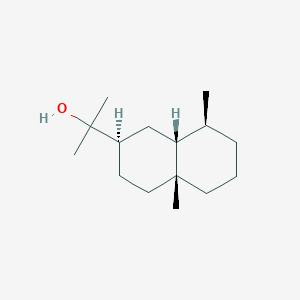
| The Content Variation of Natural Product Induced by Different Factor(s) | |||||||||||||||||||||||||||||||||||||||||||||||||||||||||||||||||||||||||||||||||||||||||
|---|---|---|---|---|---|---|---|---|---|---|---|---|---|---|---|---|---|---|---|---|---|---|---|---|---|---|---|---|---|---|---|---|---|---|---|---|---|---|---|---|---|---|---|---|---|---|---|---|---|---|---|---|---|---|---|---|---|---|---|---|---|---|---|---|---|---|---|---|---|---|---|---|---|---|---|---|---|---|---|---|---|---|---|---|---|---|---|---|---|
| Species Name: Aquilaria agallocha | |||||||||||||||||||||||||||||||||||||||||||||||||||||||||||||||||||||||||||||||||||||||||
| Factor Name: Plant Pathogen Infection | [1] | ||||||||||||||||||||||||||||||||||||||||||||||||||||||||||||||||||||||||||||||||||||||||
| Experiment Detail |
Artificial inoculation of fungal isolates: The most frequently isolated fungi from infected agarwood (e.g. Chaetomium globosum and Fusarium oxysporum) were inoculated to the healthy plants by artifi cial boring on to the plants. Inoculation was made with two different fungi alone and in their combination. Observations were made at an interval of 30 days after inoculation.
Click to Show/Hide
|
||||||||||||||||||||||||||||||||||||||||||||||||||||||||||||||||||||||||||||||||||||||||
| Factor Function |
This investigation showed a marked difference in the oil compositions among the treatments with regards to their quality. Valerianol (3.0%) and tetradec-anioc acid (7.1%) contents were recorded higher in the oils of naturally infected plants than in that of healthy ones (0.1% and 6.9%, respectively). Pentadecenoic acid was totally absent in the oils of healthy, whereas it was found in a greater amount (6.8%) in the oil of naturally infected plants. In contrast, dodecanoic acid (3.1%), pentadecanoic acid (6.2%), hexadecanoic acid (31.5%) and octadecanoic acid (4.1%) were found in a higher amount in the oils of healthy plants, while the oils obtained from naturally infected plants contained lower amounts of these components (2.5%, 4.8%, 20.0% and 1.0%, respectively). The oils obtained from the inoculated plants showed almost similar distribution of the components with healthy plants.
Click to Show/Hide
|
||||||||||||||||||||||||||||||||||||||||||||||||||||||||||||||||||||||||||||||||||||||||
| Factor | Part | Location | NP Content | ||||||||||||||||||||||||||||||||||||||||||||||||||||||||||||||||||||||||||||||||||||||
|
Naturally infected plants (C. globosum or F. oxysporum)
|
Wood chips | India |
NP Content: 0.2 %
|
||||||||||||||||||||||||||||||||||||||||||||||||||||||||||||||||||||||||||||||||||||||
| Species Name: Echinacea purpurea | |||||||||||||||||||||||||||||||||||||||||||||||||||||||||||||||||||||||||||||||||||||||||
| Factor Name: Plant Pathogen Infection | [2] | ||||||||||||||||||||||||||||||||||||||||||||||||||||||||||||||||||||||||||||||||||||||||
| Experiment Detail |
Plant selection and virological tests: Before effecting the collection procedure, heathy and infected plants of E. purpurea grown in the open field at the Herb Garden of Casola Valsenio were selected and labelled by visual inspection of their aerial parts. The infection by CMV was associated with symptoms on both leaves and flowers. The most characteristic symptoms are yellow mosaic, ring and line-patterns on crinkled and deformed leaves that drop prematurely. The flowers, which may be smaller than normal, show color breaking with white or pale stripes on red petals. Shortening of the internodes is also very common, giving the plant a bushy appearance known as stunting. In Italian environmental conditions, these symptoms are best visible in the summer. On the other hand, plants appeared symptom-free were collected as healthy material. Plant collection: About 3-4 Kg fresh aerial part materials (70% stems, 10% leaves and 20% flowers) of healthy E. purpurea plants were collected in June 2000 at almost the end of flowering. An equivalent quantity of CMV-infected plants (evaluated by DAS-ELISA) was also collected; the percentage of leaves in the infected infected was about 6.0% as due to CMV presence that caused the premature leaf drop.
Click to Show/Hide
|
||||||||||||||||||||||||||||||||||||||||||||||||||||||||||||||||||||||||||||||||||||||||
| Factor Function |
The oil from healthy material was rich in germacrene D (57.8%) and was more abundant. The infected materials afforded a lower oil content and significant quantitative variations in the oil composition. In particular, the observed percentage of germacrene D (52.6%) was reduced as were other sesquiterpene hydrocarbons. These variations, tested to be significant for all the compound-class fractions and individual major components, were ascribed to the cucumber mosaic cucumovirus (CMV) infection, the only fixed-effect variable that might affect the oil composition.
Click to Show/Hide
|
||||||||||||||||||||||||||||||||||||||||||||||||||||||||||||||||||||||||||||||||||||||||
| Factor | Part | Location | NP Content | ||||||||||||||||||||||||||||||||||||||||||||||||||||||||||||||||||||||||||||||||||||||
|
Healthy plant
|
Aerial parts | Italy |
NP Content: 0.5 %
|
||||||||||||||||||||||||||||||||||||||||||||||||||||||||||||||||||||||||||||||||||||||
|
Infected plants (cucumber mosaic cucumovirus)
|
Aerial parts | Italy |
NP Content: 0.2 %
|
||||||||||||||||||||||||||||||||||||||||||||||||||||||||||||||||||||||||||||||||||||||
| References | ||||||||||||||||||||||||
|---|---|---|---|---|---|---|---|---|---|---|---|---|---|---|---|---|---|---|---|---|---|---|---|---|
| 1 | Essential Oil of Eaglewood Tree: a Product of Pathogenesis | |||||||||||||||||||||||
| 2 | Characterization of the Essential Oils of Healthy and Virus Infected Echinacea purpurea (L.) Moench Plants | |||||||||||||||||||||||