
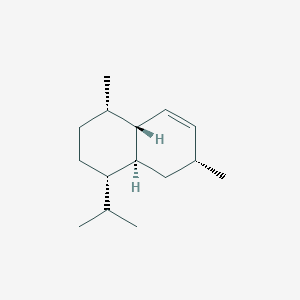
| The Content Variation of Natural Product Induced by Different Factor(s) | |||||||||||||||||||||||||||||||||||||||||||||||||||||||||||||||||||||||||||||||||||||||||
|---|---|---|---|---|---|---|---|---|---|---|---|---|---|---|---|---|---|---|---|---|---|---|---|---|---|---|---|---|---|---|---|---|---|---|---|---|---|---|---|---|---|---|---|---|---|---|---|---|---|---|---|---|---|---|---|---|---|---|---|---|---|---|---|---|---|---|---|---|---|---|---|---|---|---|---|---|---|---|---|---|---|---|---|---|---|---|---|---|---|
| Species Name: Origanum vulgare | |||||||||||||||||||||||||||||||||||||||||||||||||||||||||||||||||||||||||||||||||||||||||
| Factor Name: Drought Stress Treatment; NaCl Treatment | [1] | ||||||||||||||||||||||||||||||||||||||||||||||||||||||||||||||||||||||||||||||||||||||||
| Experiment Detail |
A pot trail study was carried out during the two successive seasons of 2007/2008 and 2008/2009 under the natural conditions of the greenhouse of the National Research Center, Dokki, Giza, Egypt. The soil texture was sandy loam, having a physical composition as follows: 45.70% sand, 28.40% silt, 25.90% clay and 0.85% organic matter. The results of soil chemical analysis were as follows: pH= 8.05; E.C (dsm-1) = 0.81; and total nitrogen =0.09 %; available phosphorus =2.26′g/100gram; potassium= 18.85 mg/100gram; Field capacity, permanent wilting point, available soil moisture (A.S.M) and bulk density (B.D.), as means over the two seasons were 34.0 %, 16.0 % 18.0 % and 1.36 g/cm3, respectively. Seeds of oregano were obtained from Jellitto Standensamen Gmbh, Schwarmstedt, Germany. The seeds were sown in the nursery on 15th November during both seasons. The seedlings were transplanted into pots (30 cm diameter, 50 cm depth) on the 15th February of each season. Each pot contained three seedlings and was placed in full sun light. Each pot was filled with 10 kg of air dried soil. Two levels of potassium humate (0.0 and 1.5 g/pot) was applied to the soil with water irrigation application at three equal portions before each cut in both seasons. Then after one month from transplanting, irrigation treatments were applied to the oregano plants (90, 60 and 30% available soil moisture) equal to 32.20., 26.80 and 21.40 soil moisture. The pots were separated into two sets, the first set irrigated with tap water (0.40 dsm-1), and the second set irrigated with Nacl solution (4 dsm-1). Pots were weighted daily and when soil moisture percentage reached the aforementioned points, pots were irrigated to reach field capacity (34.0% soil moisture). The differences between the needed soil moisture for the previous treatments and field capacity were calculated and added to the pots in the different treatments. The experimental layout was factorial experiment in complete randomized design (CRD) with three replications. Each replicate contained ten pots, while the pot contained three plants. Herbal fresh weight (g/plant ) of each replicate was determined in the first, second and third cuts at 31 May, 31 July and 30 September, respectively before flowering stage in both seasons.
Click to Show/Hide
|
||||||||||||||||||||||||||||||||||||||||||||||||||||||||||||||||||||||||||||||||||||||||
| Factor Function |
Herb fresh weight g/plant and the content and yield ml/plant of essential oil were decreased significantly by using saline water irrigation compared to fresh water irrigation. Herb fresh weight g /plant and essential oil yield ml/plant of Origanum vulgare L were significantly decreased with the rise in water stress levels. Whereas, there was significant increase in essential oil % by using lower level of available soil moisture (30% ASM) followed by 90% ASM and then 60% ASM contained the highest values of essential oil %. Fresh herb and essential oil production increased significantly with K-humate application. The maximum of herb fresh and essential oil yields were obtained from plants irrigated with 90% available soil moisture fresh water combined with k-humate fertilizer 1.5 g/pot. Essential oil % recorded their maximum value from plants irrigated with 60% ASM fresh water combined with 1.5 g/pot K-humate. Totally, 20 compounds were identified in essential oils of three populations by means of GLC. Carvacrol was the dominant compound (46.44-77.96%) for all essential oil samples, followed by p-cymene (5.31-19.30%) and gamma-terpinene (3.38-16.42%). The composition of essential oil of oregano was affected by soil moisture regimes using fresh and saline water irrigation and potassium humate fertilization.
Click to Show/Hide
|
||||||||||||||||||||||||||||||||||||||||||||||||||||||||||||||||||||||||||||||||||||||||
| Factor | Part | Location | NP Content | ||||||||||||||||||||||||||||||||||||||||||||||||||||||||||||||||||||||||||||||||||||||
|
Fresh water (30% available soil moisture)
|
Whole plant | Egypt |
NP Content: 0.05 %
|
||||||||||||||||||||||||||||||||||||||||||||||||||||||||||||||||||||||||||||||||||||||
|
Fresh water (60% available soil moisture)
|
Whole plant | Egypt |
NP Content: 0.09 %
|
||||||||||||||||||||||||||||||||||||||||||||||||||||||||||||||||||||||||||||||||||||||
|
Fresh water (90% available soil moisture)
|
Whole plant | Egypt |
NP Content: 0.01 %
|
||||||||||||||||||||||||||||||||||||||||||||||||||||||||||||||||||||||||||||||||||||||
|
Saline water (90% available soil moisture)
|
Whole plant | Egypt |
NP Content: 0.05 %
|
||||||||||||||||||||||||||||||||||||||||||||||||||||||||||||||||||||||||||||||||||||||
| References | ||||||||||||||||||||||||
|---|---|---|---|---|---|---|---|---|---|---|---|---|---|---|---|---|---|---|---|---|---|---|---|---|
| 1 | Effect of water stress and potassium humate on the productivity of organo plant using saline and fresh water irrigation | |||||||||||||||||||||||