
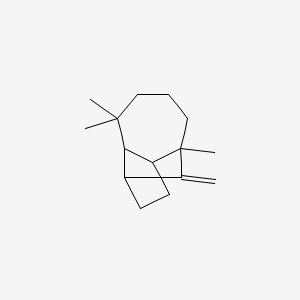
| The Content Variation of Natural Product Induced by Different Factor(s) | |||||||||||||||||||||||||||||||||||||||||||||||||||||||||||||||||||||||||||||||||||||||||
|---|---|---|---|---|---|---|---|---|---|---|---|---|---|---|---|---|---|---|---|---|---|---|---|---|---|---|---|---|---|---|---|---|---|---|---|---|---|---|---|---|---|---|---|---|---|---|---|---|---|---|---|---|---|---|---|---|---|---|---|---|---|---|---|---|---|---|---|---|---|---|---|---|---|---|---|---|---|---|---|---|---|---|---|---|---|---|---|---|---|
| Species Name: Nigella sativa | |||||||||||||||||||||||||||||||||||||||||||||||||||||||||||||||||||||||||||||||||||||||||
| Factor Name: Water Stress Treatment | [1] | ||||||||||||||||||||||||||||||||||||||||||||||||||||||||||||||||||||||||||||||||||||||||
| Experiment Detail |
The seeds of N. sativa were collected in summer 1996 from Ghazvin. Seeds cultivated at the research station of Karaje, and field work was designed according to a split plot design where plants were exposed to water stress by withholding regular irrigations over 4(T1), 8(T2), 12(T3) and 16(T4) day period and 760 m3 ha-1. Water was only received by the plants during time of irrigation. After ripening of fruit, seeds were collected and their oils were isolated
Click to Show/Hide
|
||||||||||||||||||||||||||||||||||||||||||||||||||||||||||||||||||||||||||||||||||||||||
| Factor Function |
Water stress was effective on content of essential oil. Thymoquinone that is one important medical compound in this plant, was 57.78% in irrigation over 12 days.
Click to Show/Hide
|
||||||||||||||||||||||||||||||||||||||||||||||||||||||||||||||||||||||||||||||||||||||||
| Factor | Part | Location | NP Content | ||||||||||||||||||||||||||||||||||||||||||||||||||||||||||||||||||||||||||||||||||||||
|
Irrigation over 4 days
|
Seeds | Hyderabad, India |
NP Content: 1.2 %
|
||||||||||||||||||||||||||||||||||||||||||||||||||||||||||||||||||||||||||||||||||||||
|
Irrigation over 10 days
|
Seeds | Hyderabad, India |
NP Content: 3.5 %
|
||||||||||||||||||||||||||||||||||||||||||||||||||||||||||||||||||||||||||||||||||||||
|
Irrigation over 12 days
|
Seeds | Hyderabad, India |
NP Content: 10.2 %
|
||||||||||||||||||||||||||||||||||||||||||||||||||||||||||||||||||||||||||||||||||||||
|
Irrigation over 16 days
|
Seeds | Hyderabad, India |
NP Content: 9 %
|
||||||||||||||||||||||||||||||||||||||||||||||||||||||||||||||||||||||||||||||||||||||
| Species Name: Salvia mirzayanii | |||||||||||||||||||||||||||||||||||||||||||||||||||||||||||||||||||||||||||||||||||||||||
| Factor Name: NaCl Treatment | [2] | ||||||||||||||||||||||||||||||||||||||||||||||||||||||||||||||||||||||||||||||||||||||||
| Experiment Detail |
To break the seed dormancy, they were soaked in boiling water for 10 min and were then placed in Petri dishes moistened with distilled water and kept in a refrigerator (4 ℃) for 7 days. Seeds were then sown in plastic pots containing sands and powdered leaves (1:2) and were allowed to grow in the greenhouse with the mean day/night temperature and relative humidity of 29 ℃ , 38 % and 17 ℃ , 50 % respectively. Sixty days after seed germination, uniform seedlings with two nodes and four opposite leaves were transplanted into big plastic pots (30 × 50 cm). Each pot was filled with 10 kg of air-dried soil and two seedlings were used per pot for all treatments.Eight weeks after transplanting, plants were subjected to different levels of salinity supplied with irrigation water. In order to prevent osmotic shock, salt solutions were added gradually at several stages and so, lasting for three weeks. To keep the levels of soil salt concentration constant, distilled water was used in subsequent irrigations. At the end of salt treatment, total soil electrical conductivities including control were determined by EC meter (0.40, 2.3, 4.5, 6.8 and 9.1 dS/m). Salt stress symptoms (leaf tip chlorosis and necrosis) in plants treated with high salt concentrations appeared after three weeks. At this time, seedlings were harvested. A total of 10 g of fresh leaf material was harvested per plant, 3.5 g of which was used for HGC-MS analysis and the rest was allowed to dry at room temperature.
Click to Show/Hide
|
||||||||||||||||||||||||||||||||||||||||||||||||||||||||||||||||||||||||||||||||||||||||
| Factor Function |
Moderate salinity could induce S. mirzayanii to produce high amounts of some valuable volatile oils and total phenolic compounds.
Click to Show/Hide
|
||||||||||||||||||||||||||||||||||||||||||||||||||||||||||||||||||||||||||||||||||||||||
| Factor | Part | Location | NP Content | ||||||||||||||||||||||||||||||||||||||||||||||||||||||||||||||||||||||||||||||||||||||
|
0.4 dS/m NaCl (control)
|
Fresh leaves | Shiraz, Iran |
NP Content: 3.61 ± 0.05 % fresh weight
|
||||||||||||||||||||||||||||||||||||||||||||||||||||||||||||||||||||||||||||||||||||||
|
2.3 dS/m NaCl
|
Fresh leaves | Shiraz, Iran |
NP Content: 2.69 ± 0.07 % fresh weight
|
||||||||||||||||||||||||||||||||||||||||||||||||||||||||||||||||||||||||||||||||||||||
|
4.5 dS/m NaCl
|
Fresh leaves | Shiraz, Iran |
NP Content: 2.67 ± 0.15 % fresh weight
|
||||||||||||||||||||||||||||||||||||||||||||||||||||||||||||||||||||||||||||||||||||||
|
6.8 dS/m NaCl
|
Fresh leaves | Shiraz, Iran |
NP Content: 3.03 ± 0.00 % fresh weight
|
||||||||||||||||||||||||||||||||||||||||||||||||||||||||||||||||||||||||||||||||||||||
|
9.1 dS/m NaCl
|
Fresh leaves | Shiraz, Iran |
NP Content: 2.49 ± 0.17 % fresh weight
|
||||||||||||||||||||||||||||||||||||||||||||||||||||||||||||||||||||||||||||||||||||||
| References | ||||||||||||||||||||||||
|---|---|---|---|---|---|---|---|---|---|---|---|---|---|---|---|---|---|---|---|---|---|---|---|---|
| 1 | The Effect of Water Stress on the Seed Oil of Nigella sativa L. | |||||||||||||||||||||||
| 2 | Effects of salt stress on volatile compounds, total phenolic content and antioxidant activities of Salvia mirzayanii | |||||||||||||||||||||||