
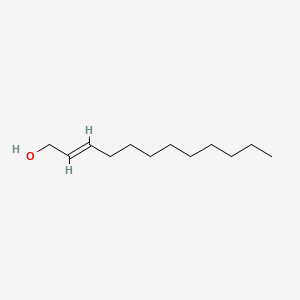
| The Content Variation of Natural Product Induced by Different Factor(s) | |||||||||||||||||||||||||||||||||||||||||||||||||||||||||||||||||||||||||||||||||||||||||
|---|---|---|---|---|---|---|---|---|---|---|---|---|---|---|---|---|---|---|---|---|---|---|---|---|---|---|---|---|---|---|---|---|---|---|---|---|---|---|---|---|---|---|---|---|---|---|---|---|---|---|---|---|---|---|---|---|---|---|---|---|---|---|---|---|---|---|---|---|---|---|---|---|---|---|---|---|---|---|---|---|---|---|---|---|---|---|---|---|---|
| Species Name: Coriandrum sativum | |||||||||||||||||||||||||||||||||||||||||||||||||||||||||||||||||||||||||||||||||||||||||
| Factor Name: NaCl Treatment | [1] | ||||||||||||||||||||||||||||||||||||||||||||||||||||||||||||||||||||||||||||||||||||||||
| Experiment Detail |
Plant material: Coriander (Coriandrum sativum L.) fruits were collected from cultivated plants in the region of Korba (northeastern Tunisia) in April 2006. Seeds were set to germinate at 25 ℃. Ten-day-old coriander seedlings were grown in quarter-strength Hoagland's solution laced with 0 mM, 25 mM, 50 mM and 75 mM of NaCl. The culture was placed in a greenhouse with 25 ℃ day maximum and 18 ℃ night minimum, under artificial light of 141 µmol/m2 /s (6000 lux) with 16 h photoperiod and 60-80% air humidity. Nutrient solution was continuously aerated. Growth parameters: Plants were harvested at the seedling stage 3 weeks after treatment.
Click to Show/Hide
|
||||||||||||||||||||||||||||||||||||||||||||||||||||||||||||||||||||||||||||||||||||||||
| Factor Function |
Essential oil content was 1762.64 µg/g dry weight (DW) (0.18%) and 1255.77 µg/g DW (0.12%) in stems and leaves, respectively. At low and moderate stress, a significant difference in the essential oil content was developed between stems, with a significant decrease, and leaves, with an increase up to 43%. Under high salinity, the oil content of both organs decreased significantly. The major volatile compound of stems and leaves was (E)-2-decenal with 24% and 52%, respectively. Other important components were decanal, (E)-2-dodecenal, dodecanal, (E)-2-undecenal, (E)-2-tridecenal and (E)-2-undecanal. Further, the content of these compounds were affected differently by the treatment level and by the organ type.
Click to Show/Hide
|
||||||||||||||||||||||||||||||||||||||||||||||||||||||||||||||||||||||||||||||||||||||||
| Factor | Part | Location | NP Content | ||||||||||||||||||||||||||||||||||||||||||||||||||||||||||||||||||||||||||||||||||||||
|
0 mM NaCl (Control)
|
Leaves | Tunisia |
NP Content: 1.61 %
|
||||||||||||||||||||||||||||||||||||||||||||||||||||||||||||||||||||||||||||||||||||||
|
0 mM NaCl (Control)
|
Stems | Tunisia |
NP Content: 3.42 %
|
||||||||||||||||||||||||||||||||||||||||||||||||||||||||||||||||||||||||||||||||||||||
|
25mM NaCl
|
Leaves | Tunisia |
NP Content: 1.86 %
|
||||||||||||||||||||||||||||||||||||||||||||||||||||||||||||||||||||||||||||||||||||||
|
25mM NaCl
|
Stems | Tunisia |
NP Content: 2.1 %
|
||||||||||||||||||||||||||||||||||||||||||||||||||||||||||||||||||||||||||||||||||||||
|
50 mM NaCl
|
Leaves | Tunisia |
NP Content: 1.1 %
|
||||||||||||||||||||||||||||||||||||||||||||||||||||||||||||||||||||||||||||||||||||||
|
50 mM NaCl
|
Stems | Tunisia |
NP Content: 1.16 %
|
||||||||||||||||||||||||||||||||||||||||||||||||||||||||||||||||||||||||||||||||||||||
|
75 mM NaCl
|
Leaves | Tunisia |
NP Content: 2.13 %
|
||||||||||||||||||||||||||||||||||||||||||||||||||||||||||||||||||||||||||||||||||||||
|
75 mM NaCl
|
Stems | Tunisia |
NP Content: 4.17 %
|
||||||||||||||||||||||||||||||||||||||||||||||||||||||||||||||||||||||||||||||||||||||
| References | ||||||||||||||||||||||||
|---|---|---|---|---|---|---|---|---|---|---|---|---|---|---|---|---|---|---|---|---|---|---|---|---|
| 1 | Salinity Impact on Growth, Essential Oil Content and Composition of Coriander (Coriandrum sativum L.) Stems and Leaves | |||||||||||||||||||||||