| The Content Variation of Natural Product Induced by Different Factor(s) | |||||||||||||||||||||||||||||||||||||||||||||||||||||||||||||||||||||||||||||||||||||||||
|---|---|---|---|---|---|---|---|---|---|---|---|---|---|---|---|---|---|---|---|---|---|---|---|---|---|---|---|---|---|---|---|---|---|---|---|---|---|---|---|---|---|---|---|---|---|---|---|---|---|---|---|---|---|---|---|---|---|---|---|---|---|---|---|---|---|---|---|---|---|---|---|---|---|---|---|---|---|---|---|---|---|---|---|---|---|---|---|---|---|
| Species Name: Artemisia absinthium | |||||||||||||||||||||||||||||||||||||||||||||||||||||||||||||||||||||||||||||||||||||||||
| Factor Name: Chemotype Comparison | [1] | ||||||||||||||||||||||||||||||||||||||||||||||||||||||||||||||||||||||||||||||||||||||||
| Experiment Detail |
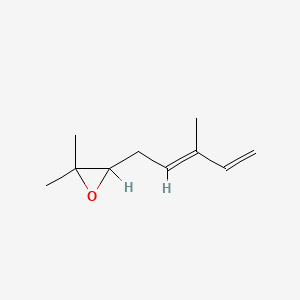
Ten different plants of wormwood were collected in March 1997 from each one of the following four wild populations in the Spanish Pyrenees: Tallo de Aulet (prov. Huesca) and Pont de Suert, Sort and Farga de Moles (prov. Lleida). In three of the four populations studied, there was another chemotype, with 25-65% of cis-epoxyocimene and 15-50% of chrysanthenyl acetate. This chemotype, called chemotype B, was less frequent in the Pyrenees than the chemotype A, appearing only in 17% of the samples (two samples in TallO de Aulet and in Pont de Suert and three samples in Farga de Moles).
Click to Show/Hide
|
||||||||||||||||||||||||||||||||||||||||||||||||||||||||||||||||||||||||||||||||||||||||
| Factor Function |
Two chemotypes were detected; a cis-epoxyocimene type (with more than 50% of this compound) which was predominant in all the populations, and a cis-epoxyocimene + chrysanthenyl acetate type (with 25-65% of cis-epoxyocimene and 15-50% of chrysanthenyl acetate). The distribution of these chemotypes had no relation with the altitude of the samples.
Click to Show/Hide
|
||||||||||||||||||||||||||||||||||||||||||||||||||||||||||||||||||||||||||||||||||||||||
| Factor | Part | Location | NP Content | ||||||||||||||||||||||||||||||||||||||||||||||||||||||||||||||||||||||||||||||||||||||
|
Chemotype (cis-epoxyocimene type)
|
Leaves | Spain |
NP Content: 76.26 %
|
||||||||||||||||||||||||||||||||||||||||||||||||||||||||||||||||||||||||||||||||||||||
|
Chemotype (cis-epoxyocimene + chrysanthenyl acetate type)
|
Leaves | Spain |
NP Content: 39.86 %
|
||||||||||||||||||||||||||||||||||||||||||||||||||||||||||||||||||||||||||||||||||||||
| Species Name: Ferulago angulata | |||||||||||||||||||||||||||||||||||||||||||||||||||||||||||||||||||||||||||||||||||||||||
| Factor Name: Locality Variation | [2] | ||||||||||||||||||||||||||||||||||||||||||||||||||||||||||||||||||||||||||||||||||||||||
| Experiment Detail |
Fresh F.angulata were leaves gathered and air dried in May, 2004 and the seeds collected in October, 2004 from both habitats (Shahoo and Nevakoh Mountains), Kermanshah Province western Iran.
Click to Show/Hide
|
||||||||||||||||||||||||||||||||||||||||||||||||||||||||||||||||||||||||||||||||||||||||
| Factor Function |
The oil yield from seed was 5-fold that from leaves (3.2%/100g compared to 0.63%/100g). Cis-ocimene was the major constituent of the seed oil from both regions (64.8% and 76.11%) and a prominent constituent (>20% of the total oil) of the leaf oils of both habitats. alpha-Pinene was the next main component (7-27%) of all 4 oils. Seed oils, with one major component (cis-ocimene), differed from the leaf oils, which were composed mostly of 3 components (alpha-pinene, cis-ocimene, & germacrene D). Distinctions between the oils of the two habitats were less marked than the leaf-oil/seed-oil differences; the cis-ocimene content was higher and alpha-pinene was less in both seedand leaf-oils of the Shahoo habitats than the Nevakoh ecotype; trans-verbenol was absent from the Shahoo leaves, but reached a content of 5.8% in Nevahoh leaf-oil. Further distinctions were found in the content/presence/absence of 20-30 minor components of the oils.
Click to Show/Hide
|
||||||||||||||||||||||||||||||||||||||||||||||||||||||||||||||||||||||||||||||||||||||||
| Factor | Part | Location | NP Content | ||||||||||||||||||||||||||||||||||||||||||||||||||||||||||||||||||||||||||||||||||||||
|
Seed: (Locality: Nevakoh Mountains, Kermanshah Province, western Iran)
|
Seeds | Iran |
NP Content: 0.1 %
|
||||||||||||||||||||||||||||||||||||||||||||||||||||||||||||||||||||||||||||||||||||||
| Species Name: Tagetes patula | |||||||||||||||||||||||||||||||||||||||||||||||||||||||||||||||||||||||||||||||||||||||||
| Factor Name: Month Variation; Nitrogen Treatment; Phosphorus Treatment; Potassium Treatment | [3] | ||||||||||||||||||||||||||||||||||||||||||||||||||||||||||||||||||||||||||||||||||||||||
| Experiment Detail |
The plants were cultivated in the Botanical Garden of the University of Agriculture, Plovdiv/Bulgaria on meadow-carbonate soil with neutral reaction (pH 7.1-7.2) and were harvested during the flowering period (July and September). The reserves of nitrogen, phosphorus and potassium in the soil (NPK) were: NH4+ 31.42 mg/kg; NO3- 16.66 mg/kg; P2O5 12.3 mg/100 g and K2O 11.4 mg/100 g. Ammonium nitrogen and nitrate nitrogen were extracted from the soil with a 1% solution of KCI and were determined by consecutive distillation on a Parnas-Vagner apparatus. Phosphorus was determined by the Egner-Ream method and potassium was extracted with 2 n HCI and was determined by flame photometry. The plants were grown as seedlings and were planted in a two-row bed 50 × (20 + 20) cm in patches of 5 m2. A scheme on the increase was used for the introduction of N, P and K fertilizers. The experiment was carried out as a randomized block modus - 15 variants in 4 replications (6 levels for N and 4 levels for P and K). Phosphorus (triple superphosphate - 50 % active substance) and potassium (potassium sulphate - 50 % active substance) were introduced only once before planting. Nitrogen (the ammonium nitrate - 33 % active substance) was introduced in three portions - during preparing of the soil, during the plants drafting (active vegetation) and at the full bloom.
Click to Show/Hide
|
||||||||||||||||||||||||||||||||||||||||||||||||||||||||||||||||||||||||||||||||||||||||
| Factor Function |
The highest oil yield was obtained from leaves in July for N4P2K4 (0.63%) and the basic components were piperitenone (29.4%) and piperitone (13.5%). The mineral fertilization had no effect on the oil yield from the flowers. Regardless of the variant, it was found that the flower oils in July were rich in caryophyllene oxide (12.0-48.4%) and piperitenone (3.0-7.0%), while the oil composition in September was different.
Click to Show/Hide
|
||||||||||||||||||||||||||||||||||||||||||||||||||||||||||||||||||||||||||||||||||||||||
| Factor | Part | Location | NP Content | ||||||||||||||||||||||||||||||||||||||||||||||||||||||||||||||||||||||||||||||||||||||
|
Flower: (Harvesting time: July) + (Level of fertilization: N0P0K0)
|
Flowers | Plovdiv, Bulgaria |
NP Content: 0.4 %
|
||||||||||||||||||||||||||||||||||||||||||||||||||||||||||||||||||||||||||||||||||||||
|
Flower: (Harvesting time: July) + (Level of fertilization: N4P4K2)
|
Flowers | Plovdiv, Bulgaria |
NP Content: 2.5 %
|
||||||||||||||||||||||||||||||||||||||||||||||||||||||||||||||||||||||||||||||||||||||
|
Flower: (Harvesting time: September) + (Level of fertilization: N0P0K0)
|
Flowers | Plovdiv, Bulgaria |
NP Content: 1.9 %
|
||||||||||||||||||||||||||||||||||||||||||||||||||||||||||||||||||||||||||||||||||||||
|
Flower: (Harvesting time: September) + (Level of fertilization: N2P4K4)
|
Flowers | Plovdiv, Bulgaria |
NP Content: 0.3 %
|
||||||||||||||||||||||||||||||||||||||||||||||||||||||||||||||||||||||||||||||||||||||
|
Flower: (Harvesting time: September) + (Level of fertilization: N4P2K4)
|
Flowers | Plovdiv, Bulgaria |
NP Content: 3 %
|
||||||||||||||||||||||||||||||||||||||||||||||||||||||||||||||||||||||||||||||||||||||
|
Flower: (Harvesting time: September) + (Level of fertilization: N4P4K2)
|
Flowers | Plovdiv, Bulgaria |
NP Content: 4 %
|
||||||||||||||||||||||||||||||||||||||||||||||||||||||||||||||||||||||||||||||||||||||
|
Leaf: (Harvesting time: July) + (Level of fertilization: N0P0K0)
|
Leaves | Plovdiv, Bulgaria |
NP Content: 1.7 %
|
||||||||||||||||||||||||||||||||||||||||||||||||||||||||||||||||||||||||||||||||||||||
|
Leaf: (Harvesting time: July) + (Level of fertilization: N2P4K4)
|
Leaves | Plovdiv, Bulgaria |
NP Content: 1.6 %
|
||||||||||||||||||||||||||||||||||||||||||||||||||||||||||||||||||||||||||||||||||||||
|
Leaf: (Harvesting time: July) + (Level of fertilization: N4P2K4)
|
Leaves | Plovdiv, Bulgaria |
NP Content: 1.2 %
|
||||||||||||||||||||||||||||||||||||||||||||||||||||||||||||||||||||||||||||||||||||||
|
Leaf: (Harvesting time: July) + (Level of fertilization: N4P4K2)
|
Leaves | Plovdiv, Bulgaria |
NP Content: 1.8 %
|
||||||||||||||||||||||||||||||||||||||||||||||||||||||||||||||||||||||||||||||||||||||
|
Leaf: (Harvesting time: September) + (Level of fertilization: N0P0K0)
|
Leaves | Plovdiv, Bulgaria |
NP Content: 1.9 %
|
||||||||||||||||||||||||||||||||||||||||||||||||||||||||||||||||||||||||||||||||||||||
|
Leaf: (Harvesting time: September) + (Level of fertilization: N2P4K4)
|
Leaves | Plovdiv, Bulgaria |
NP Content: 1.6 %
|
||||||||||||||||||||||||||||||||||||||||||||||||||||||||||||||||||||||||||||||||||||||
|
Leaf: (Harvesting time: September) + (Level of fertilization: N4P2K4)
|
Leaves | Plovdiv, Bulgaria |
NP Content: 1.9 %
|
||||||||||||||||||||||||||||||||||||||||||||||||||||||||||||||||||||||||||||||||||||||
|
Leaf: (Harvesting time: September) + (Level of fertilization: N4P4K2)
|
Leaves | Plovdiv, Bulgaria |
NP Content: 1.6 %
|
||||||||||||||||||||||||||||||||||||||||||||||||||||||||||||||||||||||||||||||||||||||
| Species Name: Tanacetum larvatum | |||||||||||||||||||||||||||||||||||||||||||||||||||||||||||||||||||||||||||||||||||||||||
| Factor Name: Altitude Variation | [4] | ||||||||||||||||||||||||||||||||||||||||||||||||||||||||||||||||||||||||||||||||||||||||
| Experiment Detail |
Aerial parts of T. larvatum were collected in July 2002, during the period of full flowering from two locations in Montenegro: Mt. Komovi (Sample I) and Mt. Prokletije (Sample II), altitude ca. 1900 m.
Click to Show/Hide
|
||||||||||||||||||||||||||||||||||||||||||||||||||||||||||||||||||||||||||||||||||||||||
| Factor Function |
About 40 compounds were identified, representing ~89% and 96% of the total oil content in the Samples I and II, respectively. trans-Sabinyl acetate was found to be the dominant component (51.2% and 69.7%). Among the rest of compounds beta-pinene (7.7% and 4.3%) and camphor (6.3% and 4.3%) were the most abundant in both samples.
Click to Show/Hide
|
||||||||||||||||||||||||||||||||||||||||||||||||||||||||||||||||||||||||||||||||||||||||
| Factor | Part | Location | NP Content | ||||||||||||||||||||||||||||||||||||||||||||||||||||||||||||||||||||||||||||||||||||||
|
Locality: Mt. Komovi, Montenegro, Serbia; Altitude 1900 m
|
Aerial parts | Serbia |
NP Content: 0.2 %
|
||||||||||||||||||||||||||||||||||||||||||||||||||||||||||||||||||||||||||||||||||||||
