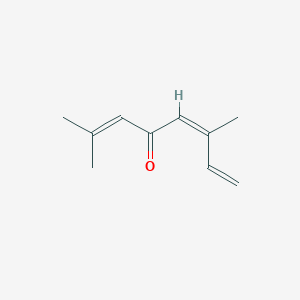
| The Content Variation of Natural Product Induced by Different Factor(s) | |||||||||||||||||||||||||||||||||||||||||||||||||||||||||||||||||||||||||||||||||||||||||
|---|---|---|---|---|---|---|---|---|---|---|---|---|---|---|---|---|---|---|---|---|---|---|---|---|---|---|---|---|---|---|---|---|---|---|---|---|---|---|---|---|---|---|---|---|---|---|---|---|---|---|---|---|---|---|---|---|---|---|---|---|---|---|---|---|---|---|---|---|---|---|---|---|---|---|---|---|---|---|---|---|---|---|---|---|---|---|---|---|---|
| Species Name: Cistus ladanifer | |||||||||||||||||||||||||||||||||||||||||||||||||||||||||||||||||||||||||||||||||||||||||
| Factor Name: Locality Variation | [1] | ||||||||||||||||||||||||||||||||||||||||||||||||||||||||||||||||||||||||||||||||||||||||
| Experiment Detail |
Cistus ladanifer was collected from two sites, in July-August 2001, after the flowering season. The major quantity was brought from the wild, where the plant was growing in the mountainous region of the center-interior of the country (site 1). A smaller amount was harvested from a cultivated plant in the north of Portugal (site 2) that was propagated from a wild plant found in the dry plain region in the South of Portugal.
Click to Show/Hide
|
||||||||||||||||||||||||||||||||||||||||||||||||||||||||||||||||||||||||||||||||||||||||
| Factor Function |
Considering the oil composition of cistus plants from different sites, there were found some differences. The cistus oil of site 2 had a high content on the ocimenone isomers, an absence of trans-pinocarveol and unknown (compound 17) and a higher quantity of less volatile compounds such as sclareol oxide and 15-nor-labdan-8-ol. Cistus oil from site 1 was richer in sesquiterpene alcohols and 2,2,6-trimethylcyclohexanone. The amount of ambrox was the same for both oils. Considering the use of fresh or dry plant, the composition of cistus from site 2 was more affected, decreasing the amount of components of middle to high volatility and increasing the amount of the less volatiles. Drying promoted the doubling of the amount of ocimenone isomers in cistus oil from site 2 and of unknown (compound 21) and sesquiperpene alcohol (compound 29) in cistus from site 1. Again the quantity of ambrox was the same for both oils.
Click to Show/Hide
|
||||||||||||||||||||||||||||||||||||||||||||||||||||||||||||||||||||||||||||||||||||||||
| Factor | Part | Location | NP Content | ||||||||||||||||||||||||||||||||||||||||||||||||||||||||||||||||||||||||||||||||||||||
|
Fresh plant: (Locality: center-interior of Portugal)
|
Leaves and branches | Portugal |
NP Content: 0.2 %
|
||||||||||||||||||||||||||||||||||||||||||||||||||||||||||||||||||||||||||||||||||||||
|
Fresh plant: (Locality: north of Portugal)
|
Leaves and branches | Portugal |
NP Content: 2.2 %
|
||||||||||||||||||||||||||||||||||||||||||||||||||||||||||||||||||||||||||||||||||||||
|
Dry plant: (Locality: center-interior of Portugal)
|
Leaves and branches | Portugal |
NP Content: 0.6 %
|
||||||||||||||||||||||||||||||||||||||||||||||||||||||||||||||||||||||||||||||||||||||
|
Dry plant: (Locality: north of Portugal)
|
Leaves and branches | Portugal |
NP Content: 4 %
|
||||||||||||||||||||||||||||||||||||||||||||||||||||||||||||||||||||||||||||||||||||||
| Species Name: Tagetes minuta | |||||||||||||||||||||||||||||||||||||||||||||||||||||||||||||||||||||||||||||||||||||||||
| Factor Name: Developmental Stage Variation | [2] | ||||||||||||||||||||||||||||||||||||||||||||||||||||||||||||||||||||||||||||||||||||||||
| Experiment Detail |
Experimental site: Experiment was conducted to study the dry matter content and quality of oil obtained from different plant parts harvested at various growth stages [pre- flowering, 50% flowering, 100% flowering and post-flowering (beginning of seed setting)] at the Central Institute of Medicinal and Aromatic Plants (CIMAP), Lucknow (25.5° N, 80.5° E, 120 m altitude), India. The study area falls in the sub-tropical plains in the northern part of the country. The soil of experimental plot was a sandy loam. Plant material: Tagetes minuta plants were grown in 0.02 ha area during winter season of 2002-2003. Forty day-old seedlings of T. minuta were planted in rows 60 cm apart at 30 cm plant to plat distance within rows in the second week of December, 2002. The crop received fertilizers at the rate of 100 kg N, and 60 kg each of P2O5 and K2O/ha. Nitrogen 40 kg/ha and full quantity of P2O5 and K2O were applied before planting of crop. Remaining of nitrogen application was through topdressing in two equal splits, 30 days after transplanting and at pre-flowering stage. Tagetes minuta plants from 1.20 m row length were harvested from four different places in the experimental area at each date of study. The dates for pre-flowering, 50% flowering, 100% flowering and post-flowering (beginning of seed setting) were March 15, March 27, April 4 and April 18, 2003, respectively.
Click to Show/Hide
|
||||||||||||||||||||||||||||||||||||||||||||||||||||||||||||||||||||||||||||||||||||||||
| Factor Function |
The maximum essential oil yield (1.01 g/plant and 56.1 kg/ha) was obtained upon harvesting at post fowering stage (seed setting stage). Advantage in essential oil yield at this stage was 130%, 34.5% and 36.5% yield enhancement over pre-flowering, 50% and 100% flowering stages, respectively. Flowers and leaves contained the maximum essential oil 2.14% and 1.89% (dry weight basis), respectively. Relative contribution of leaf, flower and stem to essential oil production was 40.7%, 37.8% and 21.5%, respectively. In the oil quality analysis, dihydrotagetone (77.1%) was the predominant component in oil from the leaves while (Z)-beta-ocimene, limonene and (Z)-tagetone were the major constituents in the flower oil. The study suggests that T. minuta should be harvested at the post-flowering stage for realizing maximum essential oil yield and its desirable major chemical constituents. The study also differentiated the quality of leaf and fower oil for chemical constituents.
Click to Show/Hide
|
||||||||||||||||||||||||||||||||||||||||||||||||||||||||||||||||||||||||||||||||||||||||
| Factor | Part | Location | NP Content | ||||||||||||||||||||||||||||||||||||||||||||||||||||||||||||||||||||||||||||||||||||||
|
Flower: post- flowering stage
|
Flowers | Lucknow, India |
NP Content: 10.1 %
|
||||||||||||||||||||||||||||||||||||||||||||||||||||||||||||||||||||||||||||||||||||||
|
Flower: 50 % flowering stage
|
Flowers | Lucknow, India |
NP Content: 18.7 %
|
||||||||||||||||||||||||||||||||||||||||||||||||||||||||||||||||||||||||||||||||||||||
|
Flower: 100 % flowering stage
|
Flowers | Lucknow, India |
NP Content: 1.4 %
|
||||||||||||||||||||||||||||||||||||||||||||||||||||||||||||||||||||||||||||||||||||||
|
Leaf: pre-flowering stage
|
Leaves | Lucknow, India |
NP Content: 40 %
|
||||||||||||||||||||||||||||||||||||||||||||||||||||||||||||||||||||||||||||||||||||||
|
Leaf: 50 % flowering stage
|
Leaves | Lucknow, India |
NP Content: 18.3 %
|
||||||||||||||||||||||||||||||||||||||||||||||||||||||||||||||||||||||||||||||||||||||
|
Leaf: 100 % flowering stage
|
Leaves | Lucknow, India |
NP Content: 4.6 %
|
||||||||||||||||||||||||||||||||||||||||||||||||||||||||||||||||||||||||||||||||||||||
|
Leaf: post-flowering stage
|
Leaves | Lucknow, India |
NP Content: 0.1 %
|
||||||||||||||||||||||||||||||||||||||||||||||||||||||||||||||||||||||||||||||||||||||
|
Whole plant: pre-flowering stage
|
Whole plant | Lucknow, India |
NP Content: 37.7 %
|
||||||||||||||||||||||||||||||||||||||||||||||||||||||||||||||||||||||||||||||||||||||
|
Whole plant: 50 % flowering stage
|
Whole plant | Lucknow, India |
NP Content: 5.2 %
|
||||||||||||||||||||||||||||||||||||||||||||||||||||||||||||||||||||||||||||||||||||||
|
Whole plant: 100 % flowering stage
|
Whole plant | Lucknow, India |
NP Content: 11 %
|
||||||||||||||||||||||||||||||||||||||||||||||||||||||||||||||||||||||||||||||||||||||
|
Whole plant: post-flowering stage
|
Whole plant | Lucknow, India |
NP Content: 4.9 %
|
||||||||||||||||||||||||||||||||||||||||||||||||||||||||||||||||||||||||||||||||||||||
| Species Name: Tagetes patula | |||||||||||||||||||||||||||||||||||||||||||||||||||||||||||||||||||||||||||||||||||||||||
| Factor Name: Month Variation; Nitrogen Treatment; Phosphorus Treatment; Potassium Treatment | [3] | ||||||||||||||||||||||||||||||||||||||||||||||||||||||||||||||||||||||||||||||||||||||||
| Experiment Detail |
The plants were cultivated in the Botanical Garden of the University of Agriculture, Plovdiv/Bulgaria on meadow-carbonate soil with neutral reaction (pH 7.1-7.2) and were harvested during the flowering period (July and September). The reserves of nitrogen, phosphorus and potassium in the soil (NPK) were: NH4+ 31.42 mg/kg; NO3- 16.66 mg/kg; P2O5 12.3 mg/100 g and K2O 11.4 mg/100 g. Ammonium nitrogen and nitrate nitrogen were extracted from the soil with a 1% solution of KCI and were determined by consecutive distillation on a Parnas-Vagner apparatus. Phosphorus was determined by the Egner-Ream method and potassium was extracted with 2 n HCI and was determined by flame photometry. The plants were grown as seedlings and were planted in a two-row bed 50 × (20 + 20) cm in patches of 5 m2. A scheme on the increase was used for the introduction of N, P and K fertilizers. The experiment was carried out as a randomized block modus - 15 variants in 4 replications (6 levels for N and 4 levels for P and K). Phosphorus (triple superphosphate - 50 % active substance) and potassium (potassium sulphate - 50 % active substance) were introduced only once before planting. Nitrogen (the ammonium nitrate - 33 % active substance) was introduced in three portions - during preparing of the soil, during the plants drafting (active vegetation) and at the full bloom.
Click to Show/Hide
|
||||||||||||||||||||||||||||||||||||||||||||||||||||||||||||||||||||||||||||||||||||||||
| Factor Function |
The highest oil yield was obtained from leaves in July for N4P2K4 (0.63%) and the basic components were piperitenone (29.4%) and piperitone (13.5%). The mineral fertilization had no effect on the oil yield from the flowers. Regardless of the variant, it was found that the flower oils in July were rich in caryophyllene oxide (12.0-48.4%) and piperitenone (3.0-7.0%), while the oil composition in September was different.
Click to Show/Hide
|
||||||||||||||||||||||||||||||||||||||||||||||||||||||||||||||||||||||||||||||||||||||||
| Factor | Part | Location | NP Content | ||||||||||||||||||||||||||||||||||||||||||||||||||||||||||||||||||||||||||||||||||||||
|
Flower: (Harvesting time: July) + (Level of fertilization: N0P0K0)
|
Flowers | Plovdiv, Bulgaria |
NP Content: 1 %
|
||||||||||||||||||||||||||||||||||||||||||||||||||||||||||||||||||||||||||||||||||||||
|
Flower: (Harvesting time: July) + (Level of fertilization: N4P2K4)
|
Flowers | Plovdiv, Bulgaria |
NP Content: 0.7 %
|
||||||||||||||||||||||||||||||||||||||||||||||||||||||||||||||||||||||||||||||||||||||
|
Flower: (Harvesting time: September) + (Level of fertilization: N2P4K4)
|
Flowers | Plovdiv, Bulgaria |
NP Content: 0.2 %
|
||||||||||||||||||||||||||||||||||||||||||||||||||||||||||||||||||||||||||||||||||||||
|
Flower: (Harvesting time: September) + (Level of fertilization: N4P2K4)
|
Flowers | Plovdiv, Bulgaria |
NP Content: 4 %
|
||||||||||||||||||||||||||||||||||||||||||||||||||||||||||||||||||||||||||||||||||||||
|
Flower: (Harvesting time: September) + (Level of fertilization: N4P4K2)
|
Flowers | Plovdiv, Bulgaria |
NP Content: 6.7 %
|
||||||||||||||||||||||||||||||||||||||||||||||||||||||||||||||||||||||||||||||||||||||
|
Leaf: (Harvesting time: July) + (Level of fertilization: N0P0K0)
|
Leaves | Plovdiv, Bulgaria |
NP Content: 7 %
|
||||||||||||||||||||||||||||||||||||||||||||||||||||||||||||||||||||||||||||||||||||||
|
Leaf: (Harvesting time: July) + (Level of fertilization: N2P4K4)
|
Leaves | Plovdiv, Bulgaria |
NP Content: 7.7 %
|
||||||||||||||||||||||||||||||||||||||||||||||||||||||||||||||||||||||||||||||||||||||
|
Leaf: (Harvesting time: July) + (Level of fertilization: N4P2K4)
|
Leaves | Plovdiv, Bulgaria |
NP Content: 3.5 %
|
||||||||||||||||||||||||||||||||||||||||||||||||||||||||||||||||||||||||||||||||||||||
|
Leaf: (Harvesting time: July) + (Level of fertilization: N4P4K2)
|
Leaves | Plovdiv, Bulgaria |
NP Content: 5.9 %
|
||||||||||||||||||||||||||||||||||||||||||||||||||||||||||||||||||||||||||||||||||||||
|
Leaf: (Harvesting time: September) + (Level of fertilization: N0P0K0)
|
Leaves | Plovdiv, Bulgaria |
NP Content: 5.7 %
|
||||||||||||||||||||||||||||||||||||||||||||||||||||||||||||||||||||||||||||||||||||||
|
Leaf: (Harvesting time: September) + (Level of fertilization: N2P4K4)
|
Leaves | Plovdiv, Bulgaria |
NP Content: 6.6 %
|
||||||||||||||||||||||||||||||||||||||||||||||||||||||||||||||||||||||||||||||||||||||
|
Leaf: (Harvesting time: September) + (Level of fertilization: N4P2K4)
|
Leaves | Plovdiv, Bulgaria |
NP Content: 9.2 %
|
||||||||||||||||||||||||||||||||||||||||||||||||||||||||||||||||||||||||||||||||||||||
|
Leaf: (Harvesting time: September) + (Level of fertilization: N4P4K2)
|
Leaves | Plovdiv, Bulgaria |
NP Content: 6.3 %
|
||||||||||||||||||||||||||||||||||||||||||||||||||||||||||||||||||||||||||||||||||||||
