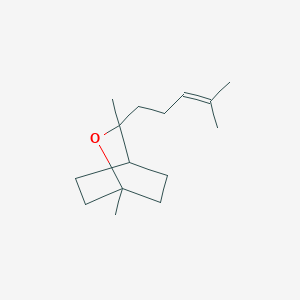
| The Content Variation of Natural Product Induced by Different Factor(s) | |||||||||||||||||||||||||||||||||||||||||||||||||||||||||||||||||||||||||||||||||||||||||
|---|---|---|---|---|---|---|---|---|---|---|---|---|---|---|---|---|---|---|---|---|---|---|---|---|---|---|---|---|---|---|---|---|---|---|---|---|---|---|---|---|---|---|---|---|---|---|---|---|---|---|---|---|---|---|---|---|---|---|---|---|---|---|---|---|---|---|---|---|---|---|---|---|---|---|---|---|---|---|---|---|---|---|---|---|---|---|---|---|---|
| Species Name: Baccharis spartioides | |||||||||||||||||||||||||||||||||||||||||||||||||||||||||||||||||||||||||||||||||||||||||
| Factor Name: Altitude Variation | [1] | ||||||||||||||||||||||||||||||||||||||||||||||||||||||||||||||||||||||||||||||||||||||||
| Experiment Detail |
Aerial parts of endemic pichana were harvested in December 1996 at different localities of northern Patagonia. Origin: Planicie Banderita, Dept. Confluencia, Province of NeuquCn. Habitat: altitude, 327 m; average temperature in the station, 21.8 ℃; annual precipitation, 125 mm; sandy soils. Aerial parts (5 kg, 2 kg of dried material;humidity, 11%) from four well developed plants at the fullflowering stage (December, 1996). Sample 2 : Origin: RincBn de 10s; Sauces, Dept. of Pehuenclies, Province of Neuqukn. Habitat: altitude, 750 m; average temperature in the station, 20.9 ℃; annual precipitation, 147 mm; sandy and gritty salty soils. Aerial parts (5 kg, 1.85 kg of dried material, humidity, 10%), from two well developed plants at the full flowering stage, and after several days copious rains (December, 1996). Sample 3: Origin: Coronel GBmez, Dept. General Roca, Province of Rio Negro. Habitat: altitude, 242 m; average temperature in the station, 22.5 ℃; annual precipitation, 179 mm; sandy and stony soils. Aerial parts (4.5 kg, 1.3 kg of dried material, humidity, 9%), from 12 young plants at the beginning flowering stage (December, 1996).
Click to Show/Hide
|
||||||||||||||||||||||||||||||||||||||||||||||||||||||||||||||||||||||||||||||||||||||||
| Factor Function |
Fifty-four components, representing approximately 84.6-97.4% of the oil samples, were identified. The samples consisted mainly of hydrocarbons and oxygenated monoterpenes. The major constituents were limonene (28.7-56.7%), 6R-7R-bisabolone (3.2-9.1%), sabinene (0.1-11.0%) and citronellal (2.4-5.2%). Significant differences among the content of the three samples could be the result of changes in the climatic conditions (sample 2: Rincon de los Sauces, Province of Neuquen, after strong rains) or by translocations in different parts of the plant (sample 3: Coronel Gomez, Province of Rio Negro, more leaves and less stems).
Click to Show/Hide
|
||||||||||||||||||||||||||||||||||||||||||||||||||||||||||||||||||||||||||||||||||||||||
| Factor | Part | Location | NP Content | ||||||||||||||||||||||||||||||||||||||||||||||||||||||||||||||||||||||||||||||||||||||
|
Locality: Planicie Banderita, Province of Neuquen; Altitude 327 m
|
Aerial parts | Patagonia, Argentina |
NP Content: <0.1 %
|
||||||||||||||||||||||||||||||||||||||||||||||||||||||||||||||||||||||||||||||||||||||
|
Locality: Rincon de los Sauces, Province of Neuquen; Altitude 750 m
|
Aerial parts | Patagonia, Argentina |
NP Content: <0.1 %
|
||||||||||||||||||||||||||||||||||||||||||||||||||||||||||||||||||||||||||||||||||||||
|
Locality: Coronel Gomez, Province of Rio Negro; Altitude 242 m
|
Aerial parts | Patagonia, Argentina |
NP Content: 0.8 %
|
||||||||||||||||||||||||||||||||||||||||||||||||||||||||||||||||||||||||||||||||||||||
| Species Name: Teucrium chamaedrys | |||||||||||||||||||||||||||||||||||||||||||||||||||||||||||||||||||||||||||||||||||||||||
| Factor Name: Locality Variation | [2] | ||||||||||||||||||||||||||||||||||||||||||||||||||||||||||||||||||||||||||||||||||||||||
| Experiment Detail |
The aerial parts of T. chamaedrys were collected at the flowering stage in June 2004 near Corti, Corsica, France and near Oristano, Sardinia, Italy
Click to Show/Hide
|
||||||||||||||||||||||||||||||||||||||||||||||||||||||||||||||||||||||||||||||||||||||||
| Factor Function |
The Corsican and Sardinian oils of T. chamaedrys investigated in this study were qualitatively similar but they differed by the amount of their major components. The major components were beta-caryophyllene (29.0% and 27.4%, respectively) and germacrene D (19.4% and 13.5%, respectively), followed by alpha-humulene (6.8%) and delta-cadinene (5.4%) in the Corsican oil and by caryophyllene oxide (12.3%) and alpha-humulene (6.5%) in the Sardinian oil. These quantitative differences are also noticeable on the amounts of the different class compounds. Especially, the monoterpene hydrocarbons amounted for 10.3% and 4.1% in Sardinian and Corsican oils respectively and the oxygenated sesquiterpenes amounted for 18.9% and only 7.4% in both oils, respectively. Both oils were qualitatively rather similar in comparison with those reported in the literature from various geographic regions. However, among the 87 components identified in this study, 47 minor components (< 0.6%) reported were identified for the first time in T. chamaedrys oil. This study confirms the quantitative variability of the major components according to the plant origin.
Click to Show/Hide
|
||||||||||||||||||||||||||||||||||||||||||||||||||||||||||||||||||||||||||||||||||||||||
| Factor | Part | Location | NP Content | ||||||||||||||||||||||||||||||||||||||||||||||||||||||||||||||||||||||||||||||||||||||
|
Locality: Corti, Corsica, France
|
Aerial parts | France |
NP Content: 0.3 %
|
||||||||||||||||||||||||||||||||||||||||||||||||||||||||||||||||||||||||||||||||||||||
|
Locality: Oristano, Sardinia, Italy
|
Aerial parts | Italy |
NP Content: 0.1 %
|
||||||||||||||||||||||||||||||||||||||||||||||||||||||||||||||||||||||||||||||||||||||
