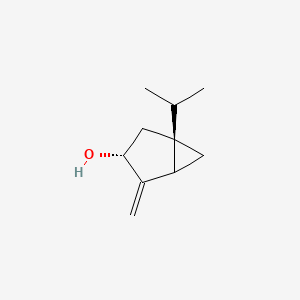
| The Content Variation of Natural Product Induced by Different Factor(s) | |||||||||||||||||||||||||||||||||||||||||||||||||||||||||||||||||||||||||||||||||||||||||
|---|---|---|---|---|---|---|---|---|---|---|---|---|---|---|---|---|---|---|---|---|---|---|---|---|---|---|---|---|---|---|---|---|---|---|---|---|---|---|---|---|---|---|---|---|---|---|---|---|---|---|---|---|---|---|---|---|---|---|---|---|---|---|---|---|---|---|---|---|---|---|---|---|---|---|---|---|---|---|---|---|---|---|---|---|---|---|---|---|---|
| Species Name: Artemisia annua | |||||||||||||||||||||||||||||||||||||||||||||||||||||||||||||||||||||||||||||||||||||||||
| Factor Name: Cultivar Comparison | [1] | ||||||||||||||||||||||||||||||||||||||||||||||||||||||||||||||||||||||||||||||||||||||||
| Experiment Detail |
Populations of A. annua cultivar 'Jeevanraksha' and accession Suraksha were grown in the experimental field plot of the Institute at New Delhi. The seeds were sown in January 2004, seedlings transplanted in late February 2004 and aerial parts (flowers, leaves and stems from the upper 0.5 m of crop canopy) sampled in late October 2004.
Click to Show/Hide
|
||||||||||||||||||||||||||||||||||||||||||||||||||||||||||||||||||||||||||||||||||||||||
| Factor Function |
Ninety-seven compounds comprising 91.3% of the total oil of 'Jeevanraksha' were identified. Forty-three monoterpenes (56.6%), 32 sesquiterpenes (31.1%), and 2 diterpenes (0.2%) comprised bulk of the oil (87.9%). The oil was devoid of artemisia ketone and contained camphor (13.5%), 1,8-cineole (9.4%), trans-sabinol (7.1%), p-mentha-1(7), 5-dien-2-ol (6.3%), myrcene (4.7%), germacrene D (4.4%), (E)-beta-farnesene (3.9%), beta-caryophyllene (3.7%), dihydroartemisinic lactone (3.0%) and p-cymene (2.0%) as the major constituents. Eighty-six compounds representing 93.3% of the composition were identified in the Suraksha oil. This oil contained artemisia ketone (47%), 1,8-cineole (8.4%), camphor (5.9%) and alpha-pinene (5.2%) as the major components.
Click to Show/Hide
|
||||||||||||||||||||||||||||||||||||||||||||||||||||||||||||||||||||||||||||||||||||||||
| Factor | Part | Location | NP Content | ||||||||||||||||||||||||||||||||||||||||||||||||||||||||||||||||||||||||||||||||||||||
|
Artemisia annua accessions Suraksha
|
Aerial parts | India |
NP Content: 7.1 %
|
||||||||||||||||||||||||||||||||||||||||||||||||||||||||||||||||||||||||||||||||||||||
|
Artemisia annua cv. Jeevanraksha
|
Aerial parts | India |
NP Content: <0.05 %
|
||||||||||||||||||||||||||||||||||||||||||||||||||||||||||||||||||||||||||||||||||||||
| Species Name: Baccharis spartioides | |||||||||||||||||||||||||||||||||||||||||||||||||||||||||||||||||||||||||||||||||||||||||
| Factor Name: Altitude Variation | [2] | ||||||||||||||||||||||||||||||||||||||||||||||||||||||||||||||||||||||||||||||||||||||||
| Experiment Detail |
Aerial parts of endemic pichana were harvested in December 1996 at different localities of northern Patagonia. Origin: Planicie Banderita, Dept. Confluencia, Province of NeuquCn. Habitat: altitude, 327 m; average temperature in the station, 21.8 ℃; annual precipitation, 125 mm; sandy soils. Aerial parts (5 kg, 2 kg of dried material;humidity, 11%) from four well developed plants at the fullflowering stage (December, 1996). Sample 2 : Origin: RincBn de 10s; Sauces, Dept. of Pehuenclies, Province of Neuqukn. Habitat: altitude, 750 m; average temperature in the station, 20.9 ℃; annual precipitation, 147 mm; sandy and gritty salty soils. Aerial parts (5 kg, 1.85 kg of dried material, humidity, 10%), from two well developed plants at the full flowering stage, and after several days copious rains (December, 1996). Sample 3: Origin: Coronel GBmez, Dept. General Roca, Province of Rio Negro. Habitat: altitude, 242 m; average temperature in the station, 22.5 ℃; annual precipitation, 179 mm; sandy and stony soils. Aerial parts (4.5 kg, 1.3 kg of dried material, humidity, 9%), from 12 young plants at the beginning flowering stage (December, 1996).
Click to Show/Hide
|
||||||||||||||||||||||||||||||||||||||||||||||||||||||||||||||||||||||||||||||||||||||||
| Factor Function |
Fifty-four components, representing approximately 84.6-97.4% of the oil samples, were identified. The samples consisted mainly of hydrocarbons and oxygenated monoterpenes. The major constituents were limonene (28.7-56.7%), 6R-7R-bisabolone (3.2-9.1%), sabinene (0.1-11.0%) and citronellal (2.4-5.2%). Significant differences among the content of the three samples could be the result of changes in the climatic conditions (sample 2: Rincon de los Sauces, Province of Neuquen, after strong rains) or by translocations in different parts of the plant (sample 3: Coronel Gomez, Province of Rio Negro, more leaves and less stems).
Click to Show/Hide
|
||||||||||||||||||||||||||||||||||||||||||||||||||||||||||||||||||||||||||||||||||||||||
| Factor | Part | Location | NP Content | ||||||||||||||||||||||||||||||||||||||||||||||||||||||||||||||||||||||||||||||||||||||
|
Locality: Planicie Banderita, Province of Neuquen; Altitude 327 m
|
Aerial parts | Patagonia, Argentina |
NP Content: 0.2 %
|
||||||||||||||||||||||||||||||||||||||||||||||||||||||||||||||||||||||||||||||||||||||
|
Locality: Rincon de los Sauces, Province of Neuquen; Altitude 750 m
|
Aerial parts | Patagonia, Argentina |
NP Content: 0.2 %
|
||||||||||||||||||||||||||||||||||||||||||||||||||||||||||||||||||||||||||||||||||||||
|
Locality: Coronel Gomez, Province of Rio Negro; Altitude 242 m
|
Aerial parts | Patagonia, Argentina |
NP Content: 0.4 %
|
||||||||||||||||||||||||||||||||||||||||||||||||||||||||||||||||||||||||||||||||||||||
| Species Name: Eucalyptus urophylla | |||||||||||||||||||||||||||||||||||||||||||||||||||||||||||||||||||||||||||||||||||||||||
| Factor Name: Seasonal Variation | [3] | ||||||||||||||||||||||||||||||||||||||||||||||||||||||||||||||||||||||||||||||||||||||||
| Experiment Detail |
Eucalyptus urophylla and E. grandis were collected in January (summer) and August (winter) 2006 at the mature vegetative state from Goiania city Brazil, and identified by one of the authors (E.P.F.). Leaves from 5-11 randomized individual plants of the same age representing the local population were collected as homogenous samples in each season, dried at room temperature.
Click to Show/Hide
|
||||||||||||||||||||||||||||||||||||||||||||||||||||||||||||||||||||||||||||||||||||||||
| Factor Function |
The results were submitted to Principal Components and Clusters Analysis which enabled four groups of oils to be distinguished with regard to specimens and harvest seasons: clusters I and II with only E. grandis samples collected in the cold and dry winter and the hot and humid summer, which were characterized by a high percentage of isoleptospermone (9.6% and 13.2%), alpha-pinene (12.2% and 24.7%), p-cymene (20.5% and 14.5%), and alpha-terpineol (14.3% and 4.9%), respectively; clusters III and IV only associated with E. urophylla samples collected in summer and winter with 1,8-cineole (36.6% and 44.7%) and alpha-terpinyl acetate (7.0% and 11.7%) rich oils.
Click to Show/Hide
|
||||||||||||||||||||||||||||||||||||||||||||||||||||||||||||||||||||||||||||||||||||||||
| Factor | Part | Location | NP Content | ||||||||||||||||||||||||||||||||||||||||||||||||||||||||||||||||||||||||||||||||||||||
|
Harvesting time: Summer
|
Whole plant | Brazil |
NP Content: 0.3 %
|
||||||||||||||||||||||||||||||||||||||||||||||||||||||||||||||||||||||||||||||||||||||
|
Harvesting time: Winter
|
Whole plant | Brazil |
NP Content: 0.2 %
|
||||||||||||||||||||||||||||||||||||||||||||||||||||||||||||||||||||||||||||||||||||||
| Species Name: Ichthyothere terminalis | |||||||||||||||||||||||||||||||||||||||||||||||||||||||||||||||||||||||||||||||||||||||||
| Factor Name: Locality Variation | [4] | ||||||||||||||||||||||||||||||||||||||||||||||||||||||||||||||||||||||||||||||||||||||||
| Experiment Detail |
The leaves and stems of Ichthyothere terminalis were collected at Marapanim, PA (sample A) and Manaus, AM (sample B).
Click to Show/Hide
|
||||||||||||||||||||||||||||||||||||||||||||||||||||||||||||||||||||||||||||||||||||||||
| Factor Function |
The chief constituent found in the leaf oil of sample of, I. terminalis collected at Marapanim (PA) was sabinene (18.0%). The leaf oil of I. terminalis collected at Manaus (AM) was dominated by alpha-pinene (19-8%), sabinene (14.8%) and limonene (35.8%), while the main components identified in the stem oil were alpha-pinene (13.9%) and limonene (20.0%).
Click to Show/Hide
|
||||||||||||||||||||||||||||||||||||||||||||||||||||||||||||||||||||||||||||||||||||||||
| Factor | Part | Location | NP Content | ||||||||||||||||||||||||||||||||||||||||||||||||||||||||||||||||||||||||||||||||||||||
|
Leaves: Marapanim, Brazil
|
Leaves | Brazil |
NP Content: 0.4 %
|
||||||||||||||||||||||||||||||||||||||||||||||||||||||||||||||||||||||||||||||||||||||
| Species Name: Sphagneticola trilobata (L.) | |||||||||||||||||||||||||||||||||||||||||||||||||||||||||||||||||||||||||||||||||||||||||
| Factor Name: Seasonal Variation | [5] | ||||||||||||||||||||||||||||||||||||||||||||||||||||||||||||||||||||||||||||||||||||||||
| Experiment Detail |
Fresh aerial parts of the S. trilobata were collected from CSIR-Central Institute of Medicinal and Aromatic Plants, Research Centre Pantnagar (Uttarakhand) in summer (vegetative stage), rainy (vegetative stage), autumn (flowering stage) and winter (flowering stage) seasons. The experimental site is located between coordinates 29.02° N, 79.31° E and an altitude of 243 m in foothills of northern India.
Click to Show/Hide
|
||||||||||||||||||||||||||||||||||||||||||||||||||||||||||||||||||||||||||||||||||||||||
| Factor Function |
Volatile oil yield varied from 0.18 to 0.25% in different seasons, with the maximum in winter season. Altogether, 43 constituents, representing 96.1-97.3% of the total oil composition were identified. Major constituents of the oils were alpha-pinene (78.6-83.3%), alpha-phellandrene (1.3-4.1%), sabinene (1.4-1.9%), limonene (1.2-1.9%), beta-pinene (1.0-1.6%), camphene (0.7-2.0%), 10-nor-calamenen-10-one (<0.05-1.5%), germacrene D (0.1-1.4%) and gamma-amorphene (<0.05-1.3%). The comparative results showed no big differences in the oil composition of this plant due to season of collection.
Click to Show/Hide
|
||||||||||||||||||||||||||||||||||||||||||||||||||||||||||||||||||||||||||||||||||||||||
| Factor | Part | Location | NP Content | ||||||||||||||||||||||||||||||||||||||||||||||||||||||||||||||||||||||||||||||||||||||
|
Harvesting time: Summer
|
Aerial parts | India |
NP Content: 0.1 %
|
||||||||||||||||||||||||||||||||||||||||||||||||||||||||||||||||||||||||||||||||||||||
|
Harvesting time: Autumn
|
Aerial parts | India |
NP Content: <0.05 %
|
||||||||||||||||||||||||||||||||||||||||||||||||||||||||||||||||||||||||||||||||||||||
|
Harvesting time: Winter
|
Aerial parts | India |
NP Content: <0.05 %
|
||||||||||||||||||||||||||||||||||||||||||||||||||||||||||||||||||||||||||||||||||||||
|
Harvesting time: Rainy
|
Aerial parts | India |
NP Content: 0.1 %
|
||||||||||||||||||||||||||||||||||||||||||||||||||||||||||||||||||||||||||||||||||||||
| Species Name: Tanacetum cadmeum ssp. orientale | |||||||||||||||||||||||||||||||||||||||||||||||||||||||||||||||||||||||||||||||||||||||||
| Factor Name: Locality Variation | [6] | ||||||||||||||||||||||||||||||||||||||||||||||||||||||||||||||||||||||||||||||||||||||||
| Experiment Detail |
Plant materials were collected during the flowering period in July 2002 from the Dumluca Mountain in the vicinity of Divrigi village of Sivas city at 1900 m altitude and Saksagan Gorge in Saimbeyli village of Adana city at 1900 m altitude.
Click to Show/Hide
|
||||||||||||||||||||||||||||||||||||||||||||||||||||||||||||||||||||||||||||||||||||||||
| Factor Function |
The flower, stem and root oils of T. cadmeum ssp. orientale collected from the Adana location were characterized with alpha-thujone (25%, 5.2%), cis-linalool oxide (6.8%, 12.8%), trans-chrysanthenyl acetate (5.8%, 8.5%) for flower and stem oils, and beta-eudesmol (10.3%, 6.2%, 13.8%); in addition, stem oil contained 1,8-cineole (6.6%) and root oil contained hexadecanoic acid (6.0%), spathulenol (5.8%) and beta-muurolol (5.3%). The flower and stem oils of T. cadmeum ssp. orientale collected from the Sivas location were characterized with camphor (25.9%, 14.8%), borneol (15.4%, 25.8%) and alpha-thujone (7.8%, 5.5%); in addition, stem oil contained 1,8-cineole (7.4%) and root oil contained nonacosane (16.2%), spathulenol (6.8%) and hexadecanoic acid (5.8%).
Click to Show/Hide
|
||||||||||||||||||||||||||||||||||||||||||||||||||||||||||||||||||||||||||||||||||||||||
| Factor | Part | Location | NP Content | ||||||||||||||||||||||||||||||||||||||||||||||||||||||||||||||||||||||||||||||||||||||
|
Flower: (Locality: Adana, Turkey)
|
Flowers | Adana, Turkey |
NP Content: 0.3 %
|
||||||||||||||||||||||||||||||||||||||||||||||||||||||||||||||||||||||||||||||||||||||
|
Stem: (Locality: Adana, Turkey)
|
Stems | Adana, Turkey |
NP Content: 0.1 %
|
||||||||||||||||||||||||||||||||||||||||||||||||||||||||||||||||||||||||||||||||||||||
| Species Name: Tanacetum larvatum | |||||||||||||||||||||||||||||||||||||||||||||||||||||||||||||||||||||||||||||||||||||||||
| Factor Name: Altitude Variation | [7] | ||||||||||||||||||||||||||||||||||||||||||||||||||||||||||||||||||||||||||||||||||||||||
| Experiment Detail |
Aerial parts of T. larvatum were collected in July 2002, during the period of full flowering from two locations in Montenegro: Mt. Komovi (Sample I) and Mt. Prokletije (Sample II), altitude ca. 1900 m.
Click to Show/Hide
|
||||||||||||||||||||||||||||||||||||||||||||||||||||||||||||||||||||||||||||||||||||||||
| Factor Function |
About 40 compounds were identified, representing ~89% and 96% of the total oil content in the Samples I and II, respectively. trans-Sabinyl acetate was found to be the dominant component (51.2% and 69.7%). Among the rest of compounds beta-pinene (7.7% and 4.3%) and camphor (6.3% and 4.3%) were the most abundant in both samples.
Click to Show/Hide
|
||||||||||||||||||||||||||||||||||||||||||||||||||||||||||||||||||||||||||||||||||||||||
| Factor | Part | Location | NP Content | ||||||||||||||||||||||||||||||||||||||||||||||||||||||||||||||||||||||||||||||||||||||
|
Locality: Mt.Prokletije, Montenegro, Serbia; Altitude 1900 m
|
Aerial parts | Serbia |
NP Content: 0.5 %
|
||||||||||||||||||||||||||||||||||||||||||||||||||||||||||||||||||||||||||||||||||||||
