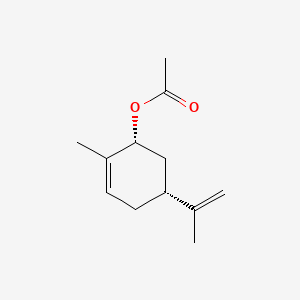
| The Content Variation of Natural Product Induced by Different Factor(s) | |||||||||||||||||||||||||||||||||||||||||||||||||||||||||||||||||||||||||||||||||||||||||
|---|---|---|---|---|---|---|---|---|---|---|---|---|---|---|---|---|---|---|---|---|---|---|---|---|---|---|---|---|---|---|---|---|---|---|---|---|---|---|---|---|---|---|---|---|---|---|---|---|---|---|---|---|---|---|---|---|---|---|---|---|---|---|---|---|---|---|---|---|---|---|---|---|---|---|---|---|---|---|---|---|---|---|---|---|---|---|---|---|---|
| Species Name: Schizonepeta tenuifolia Briq. | |||||||||||||||||||||||||||||||||||||||||||||||||||||||||||||||||||||||||||||||||||||||||
| Factor Name: NaCl Treatment | [1] | ||||||||||||||||||||||||||||||||||||||||||||||||||||||||||||||||||||||||||||||||||||||||
| Experiment Detail |
This experiment in a greenhouse of the College of Horticulture, Nanjing Agricultural University, Nanjing, China. Plants were cultivated under a natural light condition with 30 ℃ day maximum and 15 ℃ night minimum, and 60-80% air humidity. Schizonepeta tenuifolia Briq. seeds were bought from Xincheng Chinese Herbal Medicine Industry (Anguo, China). In March, 2017, seeds were sown in trays containing a compost of humus, vermiculite, and perlite (1:2:1) and irrigated with distilled water to keep moist. About 8 days later, seeds were germinated and quarter-strength modified Hoagland's solution was used for irrigation. Thirty-seven days later (establishment phase), homogenous plants with a height of nearly 15 cm were transplanted into plastic pots filled with pure quartz sand. Two plants were cultivated in each pot and irrigated with 200 mL half-strength modified Hoagland's solution every second day. Six days later, the plants were divided into five groups and salt treatments were initiated. A total of 300 mL of the above nutrient solution supplemented with 0, 25, 50, 75, or 100 mM NaCl was applied every day. To prevent osmotic shock, salt concentrations increased gradually with 25 mM NaCl every other day until the designated concentration was reached. The experimental design was completely randomized with 70 individuals for each treatment. All plants were harvested after 12 days since salt stress symptoms (leaf chlorosis and necrosis) occurred, especially in those treated with 75 and 100 mM NaCl.
Click to Show/Hide
|
||||||||||||||||||||||||||||||||||||||||||||||||||||||||||||||||||||||||||||||||||||||||
| Factor Function |
Contents of antioxidants, including phenolics and flavonoids, increased at low (25 mM) or moderate (50 mM) levels, but declined at severe (75 and 100 mM) levels. On leaf surfaces, big peltate and small capitate glandular trichomes (GTs) were found. Salt treatments, especially at moderate and severe concentrations, enhanced the density of total GTs on both leaf sides. The most abundant compound in GT volatile exudates was pulegone. Under salinity, relative contents of this component and other monoterpenes decreased significantly; biosynthesis and accumulation of esters were enhanced, particularly sulfurous acid,2-ethylhexyl hexyl ester, which became the second major compound as salinity increased. In conclusion, salt stress significantly influenced the growth and secondary metabolism of S. tenuifolia, enabling us to study the changes of its pharmacological activities.
Click to Show/Hide
|
||||||||||||||||||||||||||||||||||||||||||||||||||||||||||||||||||||||||||||||||||||||||
| Factor | Part | Location | NP Content | ||||||||||||||||||||||||||||||||||||||||||||||||||||||||||||||||||||||||||||||||||||||
|
Control: 0 mM NaCl treatment
|
leaves | Nanjing Agricultural University, Nanjing, China |
NP Content: 3.48 %
|
||||||||||||||||||||||||||||||||||||||||||||||||||||||||||||||||||||||||||||||||||||||
| Species Name: Tanacetum cadmeum ssp. orientale | |||||||||||||||||||||||||||||||||||||||||||||||||||||||||||||||||||||||||||||||||||||||||
| Factor Name: Locality Variation | [2] | ||||||||||||||||||||||||||||||||||||||||||||||||||||||||||||||||||||||||||||||||||||||||
| Experiment Detail |
Plant materials were collected during the flowering period in July 2002 from the Dumluca Mountain in the vicinity of Divrigi village of Sivas city at 1900 m altitude and Saksagan Gorge in Saimbeyli village of Adana city at 1900 m altitude.
Click to Show/Hide
|
||||||||||||||||||||||||||||||||||||||||||||||||||||||||||||||||||||||||||||||||||||||||
| Factor Function |
The flower, stem and root oils of T. cadmeum ssp. orientale collected from the Adana location were characterized with alpha-thujone (25%, 5.2%), cis-linalool oxide (6.8%, 12.8%), trans-chrysanthenyl acetate (5.8%, 8.5%) for flower and stem oils, and beta-eudesmol (10.3%, 6.2%, 13.8%); in addition, stem oil contained 1,8-cineole (6.6%) and root oil contained hexadecanoic acid (6.0%), spathulenol (5.8%) and beta-muurolol (5.3%). The flower and stem oils of T. cadmeum ssp. orientale collected from the Sivas location were characterized with camphor (25.9%, 14.8%), borneol (15.4%, 25.8%) and alpha-thujone (7.8%, 5.5%); in addition, stem oil contained 1,8-cineole (7.4%) and root oil contained nonacosane (16.2%), spathulenol (6.8%) and hexadecanoic acid (5.8%).
Click to Show/Hide
|
||||||||||||||||||||||||||||||||||||||||||||||||||||||||||||||||||||||||||||||||||||||||
| Factor | Part | Location | NP Content | ||||||||||||||||||||||||||||||||||||||||||||||||||||||||||||||||||||||||||||||||||||||
|
Flower: (Locality: Adana, Turkey)
|
Flowers | Adana, Turkey |
NP Content: 1.6 %
|
||||||||||||||||||||||||||||||||||||||||||||||||||||||||||||||||||||||||||||||||||||||
|
Stem: (Locality: Adana, Turkey)
|
Stems | Adana, Turkey |
NP Content: 2.6 %
|
||||||||||||||||||||||||||||||||||||||||||||||||||||||||||||||||||||||||||||||||||||||
|
Root: (Locality: Adana, Turkey)
|
Roots | Adana, Turkey |
NP Content: 0.8 %
|
||||||||||||||||||||||||||||||||||||||||||||||||||||||||||||||||||||||||||||||||||||||
|
Flower: (Locality: Sivas, Turkey)
|
Flowers | Sivas, Turkey |
NP Content: 4.1 %
|
||||||||||||||||||||||||||||||||||||||||||||||||||||||||||||||||||||||||||||||||||||||
|
Stem: (Locality: Sivas, Turkey)
|
Stems | Sivas, Turkey |
NP Content: 3.4 %
|
||||||||||||||||||||||||||||||||||||||||||||||||||||||||||||||||||||||||||||||||||||||
|
Root: (Locality: Sivas, Turkey)
|
Roots | Sivas, Turkey |
NP Content: 2.5 %
|
||||||||||||||||||||||||||||||||||||||||||||||||||||||||||||||||||||||||||||||||||||||
