| The Content Variation of Natural Product Induced by Different Factor(s) | |||||||||||||||||||||||||||||||||||||||||||||||||||||||||||||||||||||||||||||||||||||||||
|---|---|---|---|---|---|---|---|---|---|---|---|---|---|---|---|---|---|---|---|---|---|---|---|---|---|---|---|---|---|---|---|---|---|---|---|---|---|---|---|---|---|---|---|---|---|---|---|---|---|---|---|---|---|---|---|---|---|---|---|---|---|---|---|---|---|---|---|---|---|---|---|---|---|---|---|---|---|---|---|---|---|---|---|---|---|---|---|---|---|
| Species Name: Pilocarpus spicatus | |||||||||||||||||||||||||||||||||||||||||||||||||||||||||||||||||||||||||||||||||||||||||
| Factor Name: Locality Variation; Harvest Time Variation | [1] | ||||||||||||||||||||||||||||||||||||||||||||||||||||||||||||||||||||||||||||||||||||||||
| Experiment Detail |
Five different populations of P. spicatus were collected in different geographical regions of the northeast of Brazil. Populations I: (Locality: Morro do Chapeu,Bahia, harvesting: 02.19.94); Populations II: (Locality: Maranguape,Ceara, harvesting: 06.01.97); Populations III: (Locality: Jacobina,Bahia, harvesting: 02.19.94); Populations IV: (Locality: Cocalzinho,Ceara, harvesting: 02.22.94); Populations V: (Locality: Sitio dos Moreiras,Pernambuco, harvesting: 02.22.94)
Click to Show/Hide
|
||||||||||||||||||||||||||||||||||||||||||||||||||||||||||||||||||||||||||||||||||||||||
| Factor Function |
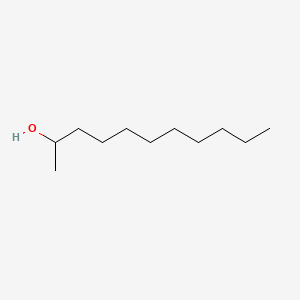
The aliphatic ketones 2-undecanone, 2-tridecanone and 2-pentadecanone were present in samples of all populations. 2-Tridecanone (1.7-84.7 %) was detected in 30 out of 34 samples analyzed. It was the main component in all samples of root barks, except one where 2-pentadecanone (24.7%) was the major component. 2-Undecanone, beta-eudesmol and sabinene were the major components of leaf oils.
Click to Show/Hide
|
||||||||||||||||||||||||||||||||||||||||||||||||||||||||||||||||||||||||||||||||||||||||
| Factor | Part | Location | NP Content | ||||||||||||||||||||||||||||||||||||||||||||||||||||||||||||||||||||||||||||||||||||||
|
Leaf: (Locality: Jacobina, Bahia, Northeast of Brazi) + (Harvesting time: 19-February-1994)
|
Leaves | Jacobina, Bahia, Northeast of Brazil |
NP Content: 5.5 %
|
||||||||||||||||||||||||||||||||||||||||||||||||||||||||||||||||||||||||||||||||||||||
|
Leaf: (Locality: Sitio dos Moreiras, Pernambuco, Northeast of Brazi) + (Harvesting time: 22-February-1994)
|
Leaves | Sitio dos Moreiras, Pernambuco, Northeast of Brazil |
NP Content: 3.7 %
|
||||||||||||||||||||||||||||||||||||||||||||||||||||||||||||||||||||||||||||||||||||||
|
Root wood: (Locality: Cocalzinho, Ceara, Northeast of Brazi) + (Harvesting time: 22-February-1994)
|
Root woods | Cocalzinho, Ceara, Northeast of Brazil |
NP Content: 4.5 %
|
||||||||||||||||||||||||||||||||||||||||||||||||||||||||||||||||||||||||||||||||||||||
|
Stem bark: (Locality: Morro do Chapeu, Bahia, Northeast of Brazi) + (Harvesting time: 19-February-1994)
|
Stem bark | Morro do Chapeu, Bahia, Northeast of Brazil |
NP Content: 0.8 %
|
||||||||||||||||||||||||||||||||||||||||||||||||||||||||||||||||||||||||||||||||||||||
|
Stem bark: (Locality: Sitio dos Moreiras, Pernambuco, Northeast of Brazi) + (Harvesting time: 22-February-1994)
|
Stem bark | Sitio dos Moreiras, Pernambuco, Northeast of Brazil |
NP Content: 5.1 %
|
||||||||||||||||||||||||||||||||||||||||||||||||||||||||||||||||||||||||||||||||||||||
|
Stem wood: (Locality: Maranguape, Ceara, Northeast of Brazi) + (Harvesting time: 01-June-1997)
|
Stem woods | Maranguape, Ceara, Northeast of Brazil |
NP Content: 1.7 %
|
||||||||||||||||||||||||||||||||||||||||||||||||||||||||||||||||||||||||||||||||||||||
|
Stem wood: (Locality: Jacobina, Bahia, Northeast of Brazi) + (Harvesting time: 19-February-1994)
|
Stem woods | Jacobina, Bahia, Northeast of Brazil |
NP Content: 1 %
|
||||||||||||||||||||||||||||||||||||||||||||||||||||||||||||||||||||||||||||||||||||||
|
Stem wood: (Locality: Cocalzinho, Ceara, Northeast of Brazi) + (Harvesting time: 22-February-1994)
|
Stem woods | Cocalzinho, Ceara, Northeast of Brazil |
NP Content: 4.5 %
|
||||||||||||||||||||||||||||||||||||||||||||||||||||||||||||||||||||||||||||||||||||||
| Species Name: Ruta chalepensis | |||||||||||||||||||||||||||||||||||||||||||||||||||||||||||||||||||||||||||||||||||||||||
| Factor Name: Developmental Stage Variation | [2] | ||||||||||||||||||||||||||||||||||||||||||||||||||||||||||||||||||||||||||||||||||||||||
| Experiment Detail |
Ruta chalepensis seedlings were sown in the field in January 1999. Leaf materials were collected at vegetative stage (25th August 1999, plant height 60 cm, temp. min. 26.4 ℃, max. 35.6 ℃) and at budding stage (25th February 1999, plant height 115 cm, temp. min. 9.6 ℃, ma. 26.2 ℃). At flowering stage (2Sth March 2000, plant height 118 cm, temp. min. 14.3 ℃, max. 29.7 ℃), both leaves and flowers were collected; at fruiting stage (25th April 2000, plant height 119 cm, temp. min. 21.5 ℃, max. 39.1 ℃), leaves and fruits were again collected for oil isolation and analysis.
Click to Show/Hide
|
||||||||||||||||||||||||||||||||||||||||||||||||||||||||||||||||||||||||||||||||||||||||
| Factor Function |
Analysis of the oils from R. chalepensis showed that the major constituents of oils were 2-undecanone, 2-nonanone, 2- nonyl-acetate and 2-dodecanone. 2-Undecanone was found to reach a maximum in the flower oil followed by fruit and leaf oils. The quantity of 2-undecanone was highest in the leaves when the plants were young and in the vegetative stage, and it gradually decreased when the plants started flowering and fruiting. 2-Nonanone, on the other hand, was at its maximum in the Leaf oil followed by flower and fruit oils. The quantity of 2-nonanone in the leaves gradually increased from the vegetative stage to the flowering stage and was highest during fruiting stage. The concentration of 2-nonyl acetate was observed to be highest in the leaves during the vegetative stage, while 2-dodecanone was at its maximum in the fruits. Lina-lool, an important aromatic compound, has been found to be highest in flowers. Gamma-Terpinene and 6-methyl-5-hepten-2-one were observed only in vegetative stage of the plants. During the flowering and fruiting stages they could not be detected. Pregeijerene was observed during flowering only, while geijerene was observed both during flowering and fruiting; however, this compound was found in leaves.
Click to Show/Hide
|
||||||||||||||||||||||||||||||||||||||||||||||||||||||||||||||||||||||||||||||||||||||||
| Factor | Part | Location | NP Content | ||||||||||||||||||||||||||||||||||||||||||||||||||||||||||||||||||||||||||||||||||||||
|
Flower: Flowering stage
|
Flowers | Lucknow, India |
NP Content: 0.9 %
|
||||||||||||||||||||||||||||||||||||||||||||||||||||||||||||||||||||||||||||||||||||||
|
Leaf: Vegetative stage
|
Leaves | Lucknow, India |
NP Content: 2.5 %
|
||||||||||||||||||||||||||||||||||||||||||||||||||||||||||||||||||||||||||||||||||||||
|
Leaf: Flowering stage
|
Leaves | Lucknow, India |
NP Content: 1.5 %
|
||||||||||||||||||||||||||||||||||||||||||||||||||||||||||||||||||||||||||||||||||||||
|
Leaf: Fruiting Stage
|
Leaves | Lucknow, India |
NP Content: 0.3 %
|
||||||||||||||||||||||||||||||||||||||||||||||||||||||||||||||||||||||||||||||||||||||
