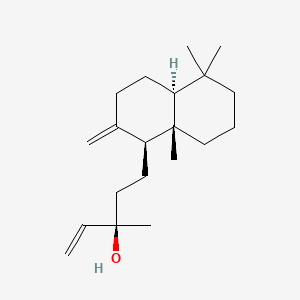
| The Content Variation of Natural Product Induced by Different Factor(s) | |||||||||||||||||||||||||||||||||||||||||||||||||||||||||||||||||||||||||||||||||||||||||
|---|---|---|---|---|---|---|---|---|---|---|---|---|---|---|---|---|---|---|---|---|---|---|---|---|---|---|---|---|---|---|---|---|---|---|---|---|---|---|---|---|---|---|---|---|---|---|---|---|---|---|---|---|---|---|---|---|---|---|---|---|---|---|---|---|---|---|---|---|---|---|---|---|---|---|---|---|---|---|---|---|---|---|---|---|---|---|---|---|---|
| Species Name: Pulicaria dysenterica | |||||||||||||||||||||||||||||||||||||||||||||||||||||||||||||||||||||||||||||||||||||||||
| Factor Name: Locality Variation | [1] | ||||||||||||||||||||||||||||||||||||||||||||||||||||||||||||||||||||||||||||||||||||||||
| Experiment Detail |
Aerial parts of P. dysenterica were collected during the flowering stage from two different locations in Greece in August 2002. Sample A: Katara (Perfecture Trikala). Sample B: Arahova (Perfecture Viotia).
Click to Show/Hide
|
||||||||||||||||||||||||||||||||||||||||||||||||||||||||||||||||||||||||||||||||||||||||
| Factor Function |
Fifty-four components were identified representing 80.5% (sample A) and 72.6% (sample B) of the total oils. The main components in sample A were (Z)-nerolidol (11.2%), caryophyllene oxide (9.1%) and (E)-nerolidol (6.6%), while those of sample B were beta-caryophyllene (12.8%), caryophyllene oxide (12.8%) and (E)-nerolidol (6.9%).
Click to Show/Hide
|
||||||||||||||||||||||||||||||||||||||||||||||||||||||||||||||||||||||||||||||||||||||||
| Factor | Part | Location | NP Content | ||||||||||||||||||||||||||||||||||||||||||||||||||||||||||||||||||||||||||||||||||||||
|
Locality: Katara, Perfecture Trikala, Greece
|
Aerial parts | Greece |
NP Content: 3.4 %
|
||||||||||||||||||||||||||||||||||||||||||||||||||||||||||||||||||||||||||||||||||||||
|
Locality: Arahova, Perfecture Viotia, Greece
|
Aerial parts | Greece |
NP Content: <0.1 %
|
||||||||||||||||||||||||||||||||||||||||||||||||||||||||||||||||||||||||||||||||||||||
| Species Name: Salvia officinalis | |||||||||||||||||||||||||||||||||||||||||||||||||||||||||||||||||||||||||||||||||||||||||
| Factor Name: Altitude Variation; Month Variation | [2] | ||||||||||||||||||||||||||||||||||||||||||||||||||||||||||||||||||||||||||||||||||||||||
| Experiment Detail |
Sage plant material was collected from two different localities (altitudes 110 and 400 m) in central Herzegovina near Mostar and at four different stages of development: vegetative period (leaves and stalks, January 2003), prior to flowering (leaves and stalks, April 2003), in the course of flowering (flowering tops, leaves and stalks, May 2003) and after flowering (leaves and stalks, August 2003).
Click to Show/Hide
|
||||||||||||||||||||||||||||||||||||||||||||||||||||||||||||||||||||||||||||||||||||||||
| Factor Function |
The highest oil yield of the plant was after flowering (August). The oil samples obtained prior to flowering (April) and in the course of flowering (May) yielded remarkably less than those after flowering (August) and in the vegetative period (January). An unexpected high oil yield of the plant in the vegetative period (January) is probably due to lower moisture content in this stage of development. The oil yields ranged from 0.29% to 0.64% (altitude 110 m) and 0.45% to 1.07% (altitude 400 m), which reveals that altitude also has significant influence on oil yields. The oils from plant materials gathered prior to flowering (April) and in the course of flowering (May) were found to contain significantly higher percentages of alpha-humulene, manool, viridiflorol and caryophyllene, while the oils produced after flowering (August) and in vegetative period (January) have had higher percentages of alpha-thujone and camphor. Although the altitude has had an obvious influence on oil yields, it did not have significant influence on the qualitative and quantitative composition of their constituents.
Click to Show/Hide
|
||||||||||||||||||||||||||||||||||||||||||||||||||||||||||||||||||||||||||||||||||||||||
| Factor | Part | Location | NP Content | ||||||||||||||||||||||||||||||||||||||||||||||||||||||||||||||||||||||||||||||||||||||
|
Harvesting time: January + Locality: Altitude 110 m
|
Whole plant | Bosnia and Herzegovina |
NP Content: 5.6 %
|
||||||||||||||||||||||||||||||||||||||||||||||||||||||||||||||||||||||||||||||||||||||
|
Harvesting time: April + Locality: Altitude 110 m
|
Whole plant | Bosnia and Herzegovina |
NP Content: 10 %
|
||||||||||||||||||||||||||||||||||||||||||||||||||||||||||||||||||||||||||||||||||||||
|
Harvesting time: May + Locality: Altitude 110 m
|
Whole plant | Bosnia and Herzegovina |
NP Content: 13.3 %
|
||||||||||||||||||||||||||||||||||||||||||||||||||||||||||||||||||||||||||||||||||||||
|
Harvesting time: August + Locality: Altitude 110 m
|
Whole plant | Bosnia and Herzegovina |
NP Content: 3.7 %
|
||||||||||||||||||||||||||||||||||||||||||||||||||||||||||||||||||||||||||||||||||||||
|
Harvesting time: January + Locality: Altitude 400 m
|
Whole plant | Bosnia and Herzegovina |
NP Content: 3.9 %
|
||||||||||||||||||||||||||||||||||||||||||||||||||||||||||||||||||||||||||||||||||||||
|
Harvesting time: April + Locality: Altitude 400 m
|
Whole plant | Bosnia and Herzegovina |
NP Content: 12.9 %
|
||||||||||||||||||||||||||||||||||||||||||||||||||||||||||||||||||||||||||||||||||||||
|
Harvesting time: May + Locality: Altitude 400 m
|
Whole plant | Bosnia and Herzegovina |
NP Content: 10.9 %
|
||||||||||||||||||||||||||||||||||||||||||||||||||||||||||||||||||||||||||||||||||||||
|
Harvesting time: August + Locality: Altitude 400 m
|
Whole plant | Bosnia and Herzegovina |
NP Content: 3 %
|
||||||||||||||||||||||||||||||||||||||||||||||||||||||||||||||||||||||||||||||||||||||
