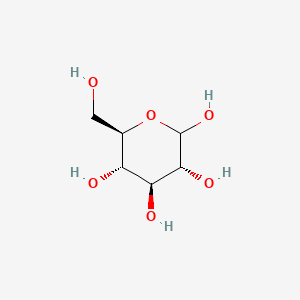
| The Content Variation of Natural Product Induced by Different Factor(s) | |||||||||||||||||||||||||||||||||||||||||||||||||||||||||||||||||||||||||||||||||||||||||
|---|---|---|---|---|---|---|---|---|---|---|---|---|---|---|---|---|---|---|---|---|---|---|---|---|---|---|---|---|---|---|---|---|---|---|---|---|---|---|---|---|---|---|---|---|---|---|---|---|---|---|---|---|---|---|---|---|---|---|---|---|---|---|---|---|---|---|---|---|---|---|---|---|---|---|---|---|---|---|---|---|---|---|---|---|---|---|---|---|---|
| Species Name: Fragaria × ananassa Duch. | |||||||||||||||||||||||||||||||||||||||||||||||||||||||||||||||||||||||||||||||||||||||||
| Factor Name: Nitrogen Treatment; AMF Inoculation | [1] | ||||||||||||||||||||||||||||||||||||||||||||||||||||||||||||||||||||||||||||||||||||||||
| Experiment Detail |
The experiment was conducted in a 'shade'-type greenhouse with 30% shade at the Instituto de Investigaciones Agropecuarias y Forestales (IIAF), Universidad Michoacana de San Nicolas de Hidalgo (UMSNH), Morelia, Michoacan, Mexico. Maximum and minimum temperatures in the greenhouse varied between 28 and 32 ℃ and between 8 and 18 ℃ respectively. Plants of the strawberry cultivar 'Aromas' were used that had previously been grown in a sterilised (95 ℃ water/steam, 40 min) substrate of coconut fibre/perlite (1:3 v/v) under greenhouse conditions. Before the experiment was established, the absence of AMF in the roots was verified by the ink and vinegar technique, modifying the duration of immersion in KOH and ink/vinegar solution (7 and 5 min respectively). Before planting, roots were disinfected by submerging them for 20 s in 20 g/L sodium hypochlorite solution and rinsing them in water. The inoculum was prepared with spores of Glomus intraradices cultivated in liquid medium (3.5 × 10⁶ spores/L, 90% viability; Premier Tech Biotechnologies Company, Quebec, Canada), which was diluted with fitagel (Sigma P-8169, Saint Louis, MO, USA) solution at 50 g/L to obtain a final concentration of about 5 × 10⁴ spores/L. The viability of spores was determined according to the method of An and Hendrix. Eighteen days after setting up the experiment, each plant received 2 mL of inoculum applied directly to the recently formed roots. One month later, after staining, the percentage of root colonisation was determined by the gridline intersect method. The experiment was organised as a full factorial, completely randomised design with two factors: inoculation (two levels: mycorrhizal and non-mycorrhizal plants) and N concentration in the nutrient solution (three levels: 3, 6 and 18 mmol/L). The six treatments were replicated four times, producing 24 experimental units with ten plants each. Every second day, all plants were irrigated up to substrate saturation. Nitrogen was supplied as NO and the cation/anion ratio was kept constant by varying the concentration of SO. When N was below 18 mmol/L, the cation concentrations were maintained as follows: K+, 3; Ca2+, 3.5; Mg2+, 1.5 mmol/L. They were increased in the 18 mmol/L N treatment: K+, 6.5; Ca2+, 7.5; Mg2+, 3.25 mmol/L. In all nutrient solutions the concentration of phosphorus (P) was 0.3 mmol/L. The other nutrients in the solutions were: H3BO3, 20; CuSO4. 5H2O, 0.5; Fe-EDTA (Ethylenediaminetetraacetic acid iron (III) sodium salt), 15; MnSO4.H2O, 12; (NH4)6Mo7O24 . 4H2O, 0.05; ZnSO4 . 7H2O, 3 µmol/L. The pH was adjusted to 5.5 at every application date.
Click to Show/Hide
|
||||||||||||||||||||||||||||||||||||||||||||||||||||||||||||||||||||||||||||||||||||||||
| Factor Function |
Mycorrhization did not modify the weight, diameter or length of strawberry fruits but had a negative effect on most colour parameters. Moreover, fruits of mycorrhizal plants had higher K and Cu concentrations and showed greater accumulation of most phenolic compounds.
Click to Show/Hide
|
||||||||||||||||||||||||||||||||||||||||||||||||||||||||||||||||||||||||||||||||||||||||
| Factor | Part | Location | NP Content | ||||||||||||||||||||||||||||||||||||||||||||||||||||||||||||||||||||||||||||||||||||||
|
Nitrogen concentration (mmol/L): 3
|
Mature fruits | Morelia, Michoacan, Mexico |
NP Content: 21 g/kg dry matter
|
||||||||||||||||||||||||||||||||||||||||||||||||||||||||||||||||||||||||||||||||||||||
|
Nitrogen concentration (mmol/L): 6
|
Mature fruits | Morelia, Michoacan, Mexico |
NP Content: 15 g/kg dry matter
|
||||||||||||||||||||||||||||||||||||||||||||||||||||||||||||||||||||||||||||||||||||||
|
Nitrogen concentration (mmol/L): 18
|
Mature fruits | Morelia, Michoacan, Mexico |
NP Content: 13 g/kg dry matter
|
||||||||||||||||||||||||||||||||||||||||||||||||||||||||||||||||||||||||||||||||||||||
|
Glomus intraradices inoculation
|
Mature fruits | Morelia, Michoacan, Mexico |
NP Content: 18 g/kg dry matter
|
||||||||||||||||||||||||||||||||||||||||||||||||||||||||||||||||||||||||||||||||||||||
|
Non-AMF inoculation
|
Mature fruits | Morelia, Michoacan, Mexico |
NP Content: 14 g/kg dry matter
|
||||||||||||||||||||||||||||||||||||||||||||||||||||||||||||||||||||||||||||||||||||||
|
Nitrogen concentration (mmol/L): 3 + G. intraradices inoculation
|
Mature fruits | Morelia, Michoacan, Mexico |
NP Content: 21 g/kg dry matter
|
||||||||||||||||||||||||||||||||||||||||||||||||||||||||||||||||||||||||||||||||||||||
|
Nitrogen concentration (mmol/L): 3 + Non-AMF inoculation
|
Mature fruits | Morelia, Michoacan, Mexico |
NP Content: 21 g/kg dry matter
|
||||||||||||||||||||||||||||||||||||||||||||||||||||||||||||||||||||||||||||||||||||||
|
Nitrogen concentration (mmol/L): 6 + G. intraradices inoculation
|
Mature fruits | Morelia, Michoacan, Mexico |
NP Content: 20 g/kg dry matter
|
||||||||||||||||||||||||||||||||||||||||||||||||||||||||||||||||||||||||||||||||||||||
|
Nitrogen concentration (mmol/L): 6 + Non-AMF inoculation
|
Mature fruits | Morelia, Michoacan, Mexico |
NP Content: 10 g/kg dry matter
|
||||||||||||||||||||||||||||||||||||||||||||||||||||||||||||||||||||||||||||||||||||||
|
Nitrogen concentration (mmol/L): 18 + G. intraradices inoculation
|
Mature fruits | Morelia, Michoacan, Mexico |
NP Content: 13 g/kg dry matter
|
||||||||||||||||||||||||||||||||||||||||||||||||||||||||||||||||||||||||||||||||||||||
| Factor Name: Phosphate Treatment; AMF Inoculation; Nutrient Treatment | [2] | ||||||||||||||||||||||||||||||||||||||||||||||||||||||||||||||||||||||||||||||||||||||||
| Experiment Detail |
Seedlings of Fragaria × ananassa Duch var. Elyana F1 with continuous flowering habit, were transplanted in plastic pots (400 mL) in a soil (Brill Ortopack, Agrochimica, Bolzano, Italy; pH 5.5-6.5) previously sterilized by flowing steam (101℃ for 1 h), and kept in a greenhouse for rooting. After 1 month, they were transplanted in new plastic pots (900 mL) in a 2/1 v/v mixture of sterile soil (the same used in the first transplant) and sand (sterilized in oven at 180℃ for 3 h), and inoculated or not with one of three different AMF in combination with one of three different bacterial strains . Plants were initially irrigated 3 times per week. When the plants began to produce fruits, they were transplanted again in plastic pots of 3 L capacity. Starting from 1 week after the last transplant, they were irrigated daily: once per week with a Long Ashton (LA) nutrient solution , and with tap water on the other days. In particular, half of the control plants (C) were watered with LA 32 µM phosphate, while the remaining controls (C-P) and all the inoculated plants were fed with LA 16 µM phosphate until harvest. Strawberry plants were maintained in greenhouse for 16 weeks.The arbuscular mycorrhizal fungus Rhizophagus irregularis (Ri) (DAOM197-198) was provided by INRA (Recorbet and Bernaud, Dijon). Funneliformis mosseae (Fm) (BEG12) was provided by the European Bank of Glomales (Dijon). Septoglomus viscosum (Sv), collected from an Italian soil (Tuscany, Italy), was produced and provided by Mybasol S.r.l. (Alessandria, Italy). The three inocula, prepared as a mixture of soil, mycorrhizal roots, hyphae, and spores, were mixed (11% v/v) with the plant growth medium.Pseudomonas fluorescens strain Pf4 (Pf4) was isolated from a forest soil located in Sassello (Savona, Italy) and characterized by Berta et al. . Pseudomonas sp. 5Vm1K (5Vm) was isolated from the rhizosphere of blueberry plants grown in a larch woodland (Bellino, Cuneo, Italy) and characterized as described by Bona et al. . P. fluorescens strain 19Fv1t (19Fv) was provided by Mybasol s.r.l (Alessandria, Italy) and characterized by Bona et al. . Bacterial 16S rDNA sequences were deposited in the NCBI database GenBank with the accession numbers KF234076, KF233995, KF752592 for Pf4, 5Vm, and 19Fv, respectively.Bacterial cells were grown on tryptic soy agar (TSA) at 28℃ for 48 h and suspended in 0.1M MgSO4. Bacterial density (600 nm) was adjusted to 109 CFU/mL. Each plant was inoculated with 8 mL of bacterial suspension, except uninoculated ones that were irrigated with the same quantity of MgSO4. After 1 week the plants were inoculated again.
Click to Show/Hide
|
||||||||||||||||||||||||||||||||||||||||||||||||||||||||||||||||||||||||||||||||||||||||
| Factor Function |
In general, AMF mostly affected the parameters associated with the vegetative portion of the plant, while plant growth promoting bacteria (PGPB) were especially relevant for fruit yield and quality. The plant physiological status was differentially affected by inoculations, resulting in enhanced root and shoot biomass. Inoculation with Pf4 bacterial strain increased flower and fruit production per plant and malic acid content in fruits, while decreased the pH value, regardless of the used fungus. Inoculations affected fruit nutritional quality, increasing sugar and anthocyanin concentrations, and modulated pH, malic acid, volatile compounds and elements.
Click to Show/Hide
|
||||||||||||||||||||||||||||||||||||||||||||||||||||||||||||||||||||||||||||||||||||||||
| Factor | Part | Location | NP Content | ||||||||||||||||||||||||||||||||||||||||||||||||||||||||||||||||||||||||||||||||||||||
|
32 µM phosphate (P) in Long Ashton (LA) nutrient solution
|
Fruits | NA |
NP Content: 16.19 ± 0.87 g/kg
|
||||||||||||||||||||||||||||||||||||||||||||||||||||||||||||||||||||||||||||||||||||||
|
16 µM P in LA nutrient solution
|
Fruits | NA |
NP Content: 11.9 ± 2.6 g/kg
|
||||||||||||||||||||||||||||||||||||||||||||||||||||||||||||||||||||||||||||||||||||||
|
(Funneliformis mosseae BEG12 (Fm) and Pseudomonas fluorescens 19Fv1t (19Fv) inoculation) + (16 µM P in LA)
|
Fruits | NA |
NP Content: 15.78 ± 0.98 g/kg
|
||||||||||||||||||||||||||||||||||||||||||||||||||||||||||||||||||||||||||||||||||||||
|
(Fm and Pseudomonas sp. 5Vm1K (5Vm) inoculation) + (16 µM P in LA)
|
Fruits | NA |
NP Content: 11.3 ± 2.2 g/kg
|
||||||||||||||||||||||||||||||||||||||||||||||||||||||||||||||||||||||||||||||||||||||
|
(Fm and Pseudomonas fluorescens Pf4 (Pf4) inoculation) + (16 µM P in LA)
|
Fruits | NA |
NP Content: 16.56 ± 0.85 g/kg
|
||||||||||||||||||||||||||||||||||||||||||||||||||||||||||||||||||||||||||||||||||||||
|
(Septoglomus viscosum (Sv) and (19Fv) inoculation) + (16 µM P in LA)
|
Fruits | NA |
NP Content: 14.2 ± 2.6 g/kg
|
||||||||||||||||||||||||||||||||||||||||||||||||||||||||||||||||||||||||||||||||||||||
|
(Sv and 5Vm inoculation) + (16 µM P in LA)
|
Fruits | NA |
NP Content: 14.83 ± 0.53 g/kg
|
||||||||||||||||||||||||||||||||||||||||||||||||||||||||||||||||||||||||||||||||||||||
|
(Sv and Pf4 inoculation) + (16 µM P in LA)
|
Fruits | NA |
NP Content: 15.3 ± 1.6 g/kg
|
||||||||||||||||||||||||||||||||||||||||||||||||||||||||||||||||||||||||||||||||||||||
|
(Rhizophagus irregularis DAOM197-198 (Ri) and 19Fv inoculation) + (16 µM P in LA)
|
Fruits | NA |
NP Content: 14.4 ± 1.2 g/kg
|
||||||||||||||||||||||||||||||||||||||||||||||||||||||||||||||||||||||||||||||||||||||
|
(Ri and 5Vm inoculation) + (16 µM P in LA)
|
Fruits | NA |
NP Content: 14.47 ± 0.80 g/kg
|
||||||||||||||||||||||||||||||||||||||||||||||||||||||||||||||||||||||||||||||||||||||
|
(Ri and Pf4 inoculation) + (16 µM P in LA)
|
Fruits | NA |
NP Content: 15.6 ± 1.1 g/kg
|
||||||||||||||||||||||||||||||||||||||||||||||||||||||||||||||||||||||||||||||||||||||
| Species Name: Poncirus trifoliata (L.) Raf. | |||||||||||||||||||||||||||||||||||||||||||||||||||||||||||||||||||||||||||||||||||||||||
| Factor Name: Drought Stress Treatment; AMF Inoculation | [3] | ||||||||||||||||||||||||||||||||||||||||||||||||||||||||||||||||||||||||||||||||||||||||
| Experiment Detail |
Seven day-old non-AM-infected trifoliate orange [Poncirus trifoliata (L.) Raf.] seedlings were used in this study. Six seedlings were grown in a plastic pot (15 × 20 cm) containing 3.37 kg of autoclaved growth substrate (soil:vermiculite:sphagnum, 5:2:1, v/v/v). The substrate had a pH of 5.9, 1.3% organic matter, 30 mg/kg available phosphorus, 147 mg/kg alkali hydrolysable nitrogen, and 141 mg/kg available potassium. Half of the pots received Glomus versiforme (Karsten) Berch (30 g of inoculum placed 5 cm deep) at transplanting. This inoculum contained approximately 2,233 spores and was provided by the Institute of Plant Nutrition and Resources, Beijing Academy of Agriculture and Forestry Sciences. Control treatment received no AMF inoculum (30 g of autoclaved growth substrate). The AM and non-AM seedlings were placed in a greenhouse without temperature control from March to September 2004.All seedlings were watered daily until differential water treatments were initiated 97 days after transplanting. Pots with WW and DS seedlings were maintained everyday at 75% (corresponding to -0.09 MPa) or 55% (corresponding to -0.40 MPa) relative soil-water content by gravimetry, respectively.The experiment was laid out in randomized complete blocks with two water treatment (WW and DS) and two mycorrhizal treatment (G. versiforme and non-AMF). Each of the four treatments had six replicates.
Click to Show/Hide
|
||||||||||||||||||||||||||||||||||||||||||||||||||||||||||||||||||||||||||||||||||||||||
| Factor Function |
AMF colonization enhances osmotic solute accumulation of trifoliate orange seedlings, thus providing better osmotic adjustment in AMF seedlings, which did not correlate with proline but with K+, Ca2+, Mg2+, glucose, fructose and sucrose accumulation.
Click to Show/Hide
|
||||||||||||||||||||||||||||||||||||||||||||||||||||||||||||||||||||||||||||||||||||||||
| Factor | Part | Location | NP Content | ||||||||||||||||||||||||||||||||||||||||||||||||||||||||||||||||||||||||||||||||||||||
|
Leaf: (Well-watered) + (Glomus versiforme inoculation)
|
Leaves | NA |
NP Content: 21.31 mg/g fresh weight
|
||||||||||||||||||||||||||||||||||||||||||||||||||||||||||||||||||||||||||||||||||||||
|
Root: (Well-watered) + (Glomus versiforme inoculation)
|
Roots | NA |
NP Content: 14.81 mg/g fresh weight
|
||||||||||||||||||||||||||||||||||||||||||||||||||||||||||||||||||||||||||||||||||||||
|
Leaf: (Well-watered) + (Non-AMF inoculation)
|
Leaves | NA |
NP Content: 25.13 mg/g fresh weight
|
||||||||||||||||||||||||||||||||||||||||||||||||||||||||||||||||||||||||||||||||||||||
|
Root: (Well-watered) + (Non-AMF inoculation)
|
Roots | NA |
NP Content: 11.98 mg/g fresh weight
|
||||||||||||||||||||||||||||||||||||||||||||||||||||||||||||||||||||||||||||||||||||||
|
Leaf: (Drought-stressed) + (Glomus versiforme inoculation)
|
Leaves | NA |
NP Content: 22.32 mg/g fresh weight
|
||||||||||||||||||||||||||||||||||||||||||||||||||||||||||||||||||||||||||||||||||||||
|
Root: (Drought-stressed) + (Glomus versiforme inoculation)
|
Roots | NA |
NP Content: 20.66 mg/g fresh weight
|
||||||||||||||||||||||||||||||||||||||||||||||||||||||||||||||||||||||||||||||||||||||
|
Leaf: (Drought-stressed) + (Non-AMF inoculation)
|
Leaves | NA |
NP Content: 21.89 mg/g fresh weight
|
||||||||||||||||||||||||||||||||||||||||||||||||||||||||||||||||||||||||||||||||||||||
|
Root: (Drought-stressed) + (Non-AMF inoculation)
|
Roots | NA |
NP Content: 16.37 mg/g fresh weight
|
||||||||||||||||||||||||||||||||||||||||||||||||||||||||||||||||||||||||||||||||||||||
