
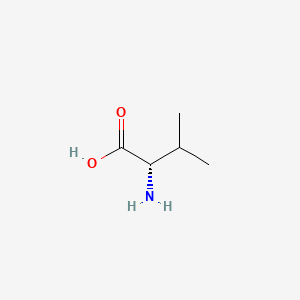
| The Content Variation of Natural Product Induced by Different Factor(s) | |||||||||||||||||||||||||||||||||||||||||||||||||||||||||||||||||||||||||||||||||||||||||
|---|---|---|---|---|---|---|---|---|---|---|---|---|---|---|---|---|---|---|---|---|---|---|---|---|---|---|---|---|---|---|---|---|---|---|---|---|---|---|---|---|---|---|---|---|---|---|---|---|---|---|---|---|---|---|---|---|---|---|---|---|---|---|---|---|---|---|---|---|---|---|---|---|---|---|---|---|---|---|---|---|---|---|---|---|---|---|---|---|---|
| Species Name: Solanum lycopersicum cv. Micro-Tom | |||||||||||||||||||||||||||||||||||||||||||||||||||||||||||||||||||||||||||||||||||||||||
| Factor Name: Developmental Stage Variation; AMF Inoculation | [1] | ||||||||||||||||||||||||||||||||||||||||||||||||||||||||||||||||||||||||||||||||||||||||
| Experiment Detail |
Solanum lycopersicum cv.Micro-Tom tomato seeds were sterilized with a series of washes: 3 min in 70% ethanol, to which 3-4 drops of tween 20 were added, 13 min in a 5% bleach solution and 3 washes of 10 min each in sterile water. The seeds were then placed in a 0.6% agar medium (5 seeds per petri dish). The petri dishes were kept for 5 days in the dark, followed by 4 days in the light. The germinating seedlings were then transferred to pots with sterile quartz sand. For mycorrhization, the fungus Glomus mosseae Gerd. & Trappe (BEG 12) was purchased from Biorize (Dijon, France). A mixture of sand (70%) and fungal inoculum (30%) was used. The mycorrhizal and control plants were grown in a growth chamber under a 14 h light (24℃)/10 h dark (20℃) regime, and watered, 125 ml/plant twice a week with water, and once a week with a modified Long-Ashton solution containing a low phosphorus concentration (3.2 µM Na2HPO4.12H2O). The fruit was collected when it reached the required ripening stage i.e. turning.
Click to Show/Hide
|
||||||||||||||||||||||||||||||||||||||||||||||||||||||||||||||||||||||||||||||||||||||||
| Factor Function |
Mycorrhization accelerated the flowering and fruit development and increased the fruit yield. Eleven transcripts were differentially regulated in the fruit upon mycorrhization, and the mycorrhiza-responsive genes resulted to be involved in nitrogen and carbohydrate metabolism as well as in regulation and signal transduction. Mycorrhization has increased the amino acid abundance in the fruit from mycorrhizal plants, with glutamine and asparagine being the most responsive amino acids.
Click to Show/Hide
|
||||||||||||||||||||||||||||||||||||||||||||||||||||||||||||||||||||||||||||||||||||||||
| Factor | Part | Location | NP Content | ||||||||||||||||||||||||||||||||||||||||||||||||||||||||||||||||||||||||||||||||||||||
|
Fruit: Mature green stage
|
Fruits | NA |
NP Content: 644 ± 1 nmol/mg dry weight
|
||||||||||||||||||||||||||||||||||||||||||||||||||||||||||||||||||||||||||||||||||||||
|
Fruit: (Mature green stage) + (Glomus mosseae inoculation)
|
Fruits | NA |
NP Content: 426 ± 085 nmol/mg dry weight
|
||||||||||||||||||||||||||||||||||||||||||||||||||||||||||||||||||||||||||||||||||||||
|
Fruit: Turning stage
|
Fruits | NA |
NP Content: 192 ± 0.068 nmol/mg dry weight
|
||||||||||||||||||||||||||||||||||||||||||||||||||||||||||||||||||||||||||||||||||||||
|
Fruit: (Turning stage) + (G. mosseae inoculation)
|
Fruits | NA |
NP Content: 432 ± 0.152 nmol/mg dry weight
|
||||||||||||||||||||||||||||||||||||||||||||||||||||||||||||||||||||||||||||||||||||||
|
Fruit: Red stage
|
Fruits | NA |
NP Content: 469 ± 34 nmol/mg dry weight
|
||||||||||||||||||||||||||||||||||||||||||||||||||||||||||||||||||||||||||||||||||||||
|
Fruit: (Red stage) + (G. mosseae inoculation)
|
Fruits | NA |
NP Content: 558 ± 68 nmol/mg dry weight
|
||||||||||||||||||||||||||||||||||||||||||||||||||||||||||||||||||||||||||||||||||||||
| References | ||||||||||||||||||||||||
|---|---|---|---|---|---|---|---|---|---|---|---|---|---|---|---|---|---|---|---|---|---|---|---|---|
| 1 | The arbuscular mycorrhizal status has an impact on the transcriptome profile and amino acid composition of tomato fruit | |||||||||||||||||||||||