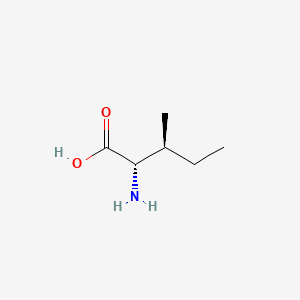
| The Content Variation of Natural Product Induced by Different Factor(s) | |||||||||||||||||||||||||||||||||||||||||||||||||||||||||||||||||||||||||||||||||||||||||
|---|---|---|---|---|---|---|---|---|---|---|---|---|---|---|---|---|---|---|---|---|---|---|---|---|---|---|---|---|---|---|---|---|---|---|---|---|---|---|---|---|---|---|---|---|---|---|---|---|---|---|---|---|---|---|---|---|---|---|---|---|---|---|---|---|---|---|---|---|---|---|---|---|---|---|---|---|---|---|---|---|---|---|---|---|---|---|---|---|---|
| Species Name: Lagenaria siceraria | |||||||||||||||||||||||||||||||||||||||||||||||||||||||||||||||||||||||||||||||||||||||||
| Factor Name: Cultivar Comparison; Developmental Stage Variation | [1] | ||||||||||||||||||||||||||||||||||||||||||||||||||||||||||||||||||||||||||||||||||||||||
| Experiment Detail |
The experiment was conducted from July to November 2007 at the experimental station of the University of Abobo-Adjame (Abidjan, Ivory Coast) (latitude between 5° 17′ and 5° 31′ N, longitude between 3° 45′ and 4° 22′ W). During this period, rainfall, mean temperature and humidity varied from 5.33 to 192.28 mm, from 23.3 to 26.4 ℃ and from 86.7 to 96% respectively. Open-pollinated accessions from two edible-seeded L. siceraria (Molina) Standl. cultivars recognisable by their fruit shape (oval or round) were used. Seeds from the round fruit cultivar are characterised by the presence of a cap on the distal side, whereas those from the oval fruit cultivar lack this cap. Differences are also noted between the two cultivars in their rates of seed germination and seedling emergence, the best performances being observed for the round fruit cultivar. However, the visual changes in fruits during their growth as well as at plant whiteness are the same in the two cultivars. Both round and oval fruit cultivars were obtained from the cucurbit germplasm of the university, where they are identified by the alphanumeric codes NI354 and NI260 respectively. Each cultivar was sown on a plot of 20 m × 20 m in 12 holes. Female flowers were tagged after their closure in order to monitor the fruits until the date determined for harvesting. Fruits were harvested at three stages of maturation: (i) 30 days after fruit set (DAFS), at which stage fruits do not grow any more; (ii) 50 DAFS, at which stage the colour of fruits no longer changes; (iii) complete plant whiteness (CPW), indicating the end of plant growth. For each of the three fruit maturation times, five fruits per cultivar were selected. The seeds were extracted from each fruit, washed and dried in the sun for 1 week. After drying, the seeds of all five fruits were grouped and decorticated to obtain seed kernels that were used for analysis.
Click to Show/Hide
|
||||||||||||||||||||||||||||||||||||||||||||||||||||||||||||||||||||||||||||||||||||||||
| Factor Function |
The results of this study showed that there were considerable modifications during fruit maturation in the oilseed gourd L. siceraria and that chemical characterisation of the seed kernel is important for controlling the processes of maturation. The two cultivars of L. siceraria studied should be harvested at 50 days after fruit set (DAFS) owing to their high contents of proteins, lipids, energy and minerals at this stage. At 50 DAFS the leaves of L. siceraria were still green and could serve as a source of nutrients for livestock. However, to obtain the best amino acid composition and biological values of proteins, the round and oval berry cultivars should be harvested at 30 DAFS and complete plant whiteness (CPW) respectively. At these stages their proteins could be used as a supplement. The low digestibility of the proteins at this stage could be improved by appropriate technological treatment.
Click to Show/Hide
|
||||||||||||||||||||||||||||||||||||||||||||||||||||||||||||||||||||||||||||||||||||||||
| Factor | Part | Location | NP Content | ||||||||||||||||||||||||||||||||||||||||||||||||||||||||||||||||||||||||||||||||||||||
|
Lagenaria siceraria cv. Round berry + Harvesting time: 30 days after fruit set
|
Seed kernels | Abidjan, Cote d'lvoire |
NP Content: 14.2 ± 0.0 g/kg dry matter
|
||||||||||||||||||||||||||||||||||||||||||||||||||||||||||||||||||||||||||||||||||||||
|
Lagenaria siceraria cv. Round berry + Harvesting time: 50 days after fruit set
|
Seed kernels | Abidjan, Cote d'lvoire |
NP Content: 13.3 ± 0.1 g/kg dry matter
|
||||||||||||||||||||||||||||||||||||||||||||||||||||||||||||||||||||||||||||||||||||||
|
Lagenaria siceraria cv. Round berry + Harvesting time: complete plant whiteness stage
|
Seed kernels | Abidjan, Cote d'lvoire |
NP Content: 13.3 ± 0.1 g/kg dry matter
|
||||||||||||||||||||||||||||||||||||||||||||||||||||||||||||||||||||||||||||||||||||||
|
Lagenaria siceraria cv. Oval berry + Harvesting time: 30 days after fruit set
|
Seed kernels | Abidjan, Cote d'lvoire |
NP Content: 13.9 ± 0.1 g/kg dry matter
|
||||||||||||||||||||||||||||||||||||||||||||||||||||||||||||||||||||||||||||||||||||||
|
Lagenaria siceraria cv. Oval berry + Harvesting time: 50 days after fruit set
|
Seed kernels | Abidjan, Cote d'lvoire |
NP Content: 12.9 ± 0.1 g/kg dry matter
|
||||||||||||||||||||||||||||||||||||||||||||||||||||||||||||||||||||||||||||||||||||||
|
Lagenaria siceraria cv. Oval berry + Harvesting time: complete plant whiteness stage
|
Seed kernels | Abidjan, Cote d'lvoire |
NP Content: 14.3 ± 0.1 g/kg dry matter
|
||||||||||||||||||||||||||||||||||||||||||||||||||||||||||||||||||||||||||||||||||||||
| Species Name: Solanum lycopersicum cv. Micro-Tom | |||||||||||||||||||||||||||||||||||||||||||||||||||||||||||||||||||||||||||||||||||||||||
| Factor Name: Developmental Stage Variation; AMF Inoculation | [2] | ||||||||||||||||||||||||||||||||||||||||||||||||||||||||||||||||||||||||||||||||||||||||
| Experiment Detail |
Solanum lycopersicum cv.Micro-Tom tomato seeds were sterilized with a series of washes: 3 min in 70% ethanol, to which 3-4 drops of tween 20 were added, 13 min in a 5% bleach solution and 3 washes of 10 min each in sterile water. The seeds were then placed in a 0.6% agar medium (5 seeds per petri dish). The petri dishes were kept for 5 days in the dark, followed by 4 days in the light. The germinating seedlings were then transferred to pots with sterile quartz sand. For mycorrhization, the fungus Glomus mosseae Gerd. & Trappe (BEG 12) was purchased from Biorize (Dijon, France). A mixture of sand (70%) and fungal inoculum (30%) was used. The mycorrhizal and control plants were grown in a growth chamber under a 14 h light (24℃)/10 h dark (20℃) regime, and watered, 125 ml/plant twice a week with water, and once a week with a modified Long-Ashton solution containing a low phosphorus concentration (3.2 µM Na2HPO4.12H2O). The fruit was collected when it reached the required ripening stage i.e. turning.
Click to Show/Hide
|
||||||||||||||||||||||||||||||||||||||||||||||||||||||||||||||||||||||||||||||||||||||||
| Factor Function |
Mycorrhization accelerated the flowering and fruit development and increased the fruit yield. Eleven transcripts were differentially regulated in the fruit upon mycorrhization, and the mycorrhiza-responsive genes resulted to be involved in nitrogen and carbohydrate metabolism as well as in regulation and signal transduction. Mycorrhization has increased the amino acid abundance in the fruit from mycorrhizal plants, with glutamine and asparagine being the most responsive amino acids.
Click to Show/Hide
|
||||||||||||||||||||||||||||||||||||||||||||||||||||||||||||||||||||||||||||||||||||||||
| Factor | Part | Location | NP Content | ||||||||||||||||||||||||||||||||||||||||||||||||||||||||||||||||||||||||||||||||||||||
|
Fruit: Mature green stage
|
Fruits | NA |
NP Content: 243 ± 57 nmol/mg dry weight
|
||||||||||||||||||||||||||||||||||||||||||||||||||||||||||||||||||||||||||||||||||||||
|
Fruit: (Mature green stage) + (Glomus mosseae inoculation)
|
Fruits | NA |
NP Content: 326 ± 38 nmol/mg dry weight
|
||||||||||||||||||||||||||||||||||||||||||||||||||||||||||||||||||||||||||||||||||||||
|
Fruit: Turning stage
|
Fruits | NA |
NP Content: 102 ± 0.011 nmol/mg dry weight
|
||||||||||||||||||||||||||||||||||||||||||||||||||||||||||||||||||||||||||||||||||||||
|
Fruit: (Turning stage) + (G. mosseae inoculation)
|
Fruits | NA |
NP Content: 204 ± 0.039 nmol/mg dry weight
|
||||||||||||||||||||||||||||||||||||||||||||||||||||||||||||||||||||||||||||||||||||||
|
Fruit: Red stage
|
Fruits | NA |
NP Content: 1156 ± 232 nmol/mg dry weight
|
||||||||||||||||||||||||||||||||||||||||||||||||||||||||||||||||||||||||||||||||||||||
|
Fruit: (Red stage) + (G. mosseae inoculation)
|
Fruits | NA |
NP Content: 1237 ± 146 nmol/mg dry weight
|
||||||||||||||||||||||||||||||||||||||||||||||||||||||||||||||||||||||||||||||||||||||
