
| The Content Variation of Natural Product Induced by Different Factor(s) | |||||||||||||||||||||||||||||||||||||||||||||||||||||||||||||||||||||||||||||||||||||||||
|---|---|---|---|---|---|---|---|---|---|---|---|---|---|---|---|---|---|---|---|---|---|---|---|---|---|---|---|---|---|---|---|---|---|---|---|---|---|---|---|---|---|---|---|---|---|---|---|---|---|---|---|---|---|---|---|---|---|---|---|---|---|---|---|---|---|---|---|---|---|---|---|---|---|---|---|---|---|---|---|---|---|---|---|---|---|---|---|---|---|
| Species Name: Blumea balsamifera (L.) DC. | |||||||||||||||||||||||||||||||||||||||||||||||||||||||||||||||||||||||||||||||||||||||||
| Factor Name: Month Variation; Developmental Stage Variation | [1] | ||||||||||||||||||||||||||||||||||||||||||||||||||||||||||||||||||||||||||||||||||||||||
| Experiment Detail |
The experiments were performed in the experimental field of the Tropical Crops Genetic Resources Institute, Chinese Academy of Tropical Agricultural Sciences (Danzhou, Hainan, China; localization 19.52° N, 109.50° E; altitude 118 m; annual average precipitation 1815 mm; annual average temperature 23.5 ℃ ;the soil characteristics are : "Organic matter (g/kg) 11.37;pH 4.94;N (g/kg) 0.51;P (mg/kg) 25.33;K (mg/kg) 33.89). The experimental B. balsamifera plants were one-year old, and were propagated by the seeds collected from B. balsamifera planted in the experimental field of the Tropical Crops Genetic Resources Institute, Chinese Academy of Tropical Agricultural Sciences. They were planted with a planting spacing of 80 cm × 80 cm. On the 20th day of each month (from September 2014 to December 2014, which is the traditional harvest time), 30 one-year old B. balsamifera plants were randomly collected. Their young leaves (leaves on young shoots), mature leaves (leaves which are mature but without yellow spots), senescent leaves (leaves with yellow spots and those with dark brown leaf tips), dead leaves (leaves that have turned dark brown), young shoots (stems from buds to 10-20 cm part without woody parts), and young stems (green stems and not completely woody) were collected. These samples were divided into three parts (replicates), dried under shade, and ground to a fine powder (20-mesh sieve), packed in zip-lock bags, and stored in the refrigerator (4 ℃ ) for oil extraction.
Click to Show/Hide
|
||||||||||||||||||||||||||||||||||||||||||||||||||||||||||||||||||||||||||||||||||||||||
| Factor Function |
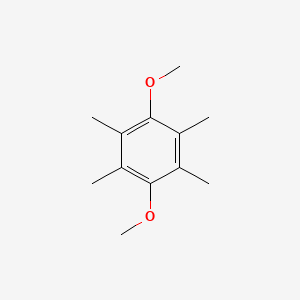
Time of growth and type of B. balsamifera plant organs influence the production of oil, its composition, and antioxidant activity. The essential oil level in the young leaves was the highest, followed by mature leaves and senescent leaves, and the oil content was higher in October. A total of 44 compounds were identified. In the essential oils of leaves, the main ingredient is l-borneol, and the content was the highest in senescent leaves and in December. Variations in oil yields did not show the same pattern as the percentages of l-borneol in the essential oil. In the essential oils of young shoots and young stems, the main composition was dimethoxydurene. Therefore, the time of harvest and type of plant organs should be distinguished based on the different harvesting purposes. To extract the volatile oil, the aboveground parts except stems in October should be chosen for harvest. To get a high content of l-borneol in volatile oil, it is more appropriate to select the leaves in December. The antioxidant activity was evaluated using DPPH and BCB assays in this study, and the results proved that the essential oils of B. balsamifera showed a certain antioxidant activity, and the beta-carotene bleaching activity is far stronger than the DPPH radical-scavenging capacity. The young leaves and young shoots showed stronger antioxidant activity due to the high content of dimethoxydurene, beta-caryophyllene, and alpha-caryophyllene.
Click to Show/Hide
|
||||||||||||||||||||||||||||||||||||||||||||||||||||||||||||||||||||||||||||||||||||||||
| Factor | Part | Location | NP Content | ||||||||||||||||||||||||||||||||||||||||||||||||||||||||||||||||||||||||||||||||||||||
|
Young Leaves (mean value for four months)
|
Young leaves | Danzhou, Hainan, China |
NP Content: 5.85 %
|
||||||||||||||||||||||||||||||||||||||||||||||||||||||||||||||||||||||||||||||||||||||
|
Mature Leaves (mean value for four months)
|
Mature leaves | Danzhou, Hainan, China |
NP Content: 5.23 %
|
||||||||||||||||||||||||||||||||||||||||||||||||||||||||||||||||||||||||||||||||||||||
|
Senescent Leaves (mean value for four months)
|
Senescent Leaves | Danzhou, Hainan, China |
NP Content: 4.95 %
|
||||||||||||||||||||||||||||||||||||||||||||||||||||||||||||||||||||||||||||||||||||||
|
Dead Leaves (mean value for four months)
|
Dead Leaves | Danzhou, Hainan, China |
NP Content: 2.01 %
|
||||||||||||||||||||||||||||||||||||||||||||||||||||||||||||||||||||||||||||||||||||||
|
Young Shoots (mean value for four months)
|
Young Shoots | Danzhou, Hainan, China |
NP Content: 25.64 %
|
||||||||||||||||||||||||||||||||||||||||||||||||||||||||||||||||||||||||||||||||||||||
|
Young Stems (mean value for four months)
|
Young Stems | Danzhou, Hainan, China |
NP Content: 34.2 %
|
||||||||||||||||||||||||||||||||||||||||||||||||||||||||||||||||||||||||||||||||||||||
|
September (mean value for the six plant organs)
|
Young Leaves; Mature Leaves; Senescent Leaves; Dead Leaves; Young Shoots; Young Stems | Danzhou, Hainan, China |
NP Content: 12.78 %
|
||||||||||||||||||||||||||||||||||||||||||||||||||||||||||||||||||||||||||||||||||||||
|
October (mean value for the six plant organs)
|
Young Leaves; Mature Leaves; Senescent Leaves; Dead Leaves; Young Shoots; Young Stems | Danzhou, Hainan, China |
NP Content: 12.86 %
|
||||||||||||||||||||||||||||||||||||||||||||||||||||||||||||||||||||||||||||||||||||||
|
November (mean value for the six plant organs)
|
Young Leaves; Mature Leaves; Senescent Leaves; Dead Leaves; Young Shoots; Young Stems | Danzhou, Hainan, China |
NP Content: 15.52 %
|
||||||||||||||||||||||||||||||||||||||||||||||||||||||||||||||||||||||||||||||||||||||
|
December (mean value for the six plant organs)
|
Young Leaves; Mature Leaves; Senescent Leaves; Dead Leaves; Young Shoots; Young Stems | Danzhou, Hainan, China |
NP Content: 14.68 %
|
||||||||||||||||||||||||||||||||||||||||||||||||||||||||||||||||||||||||||||||||||||||
| References | ||||||||||||||||||||||||
|---|---|---|---|---|---|---|---|---|---|---|---|---|---|---|---|---|---|---|---|---|---|---|---|---|
| 1 | Variations in Essential Oil Yield, Composition, and Antioxidant Activity of Different Plant Organs from Blumea balsamifera (L.) DC. at Different Growth Times | |||||||||||||||||||||||