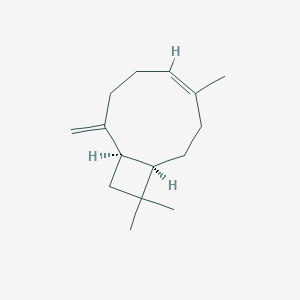
| The Content Variation of Natural Product Induced by Different Factor(s) | |||||||||||||||||||||||||||||||||||||||||||||||||||||||||||||||||||||||||||||||||||||||||
|---|---|---|---|---|---|---|---|---|---|---|---|---|---|---|---|---|---|---|---|---|---|---|---|---|---|---|---|---|---|---|---|---|---|---|---|---|---|---|---|---|---|---|---|---|---|---|---|---|---|---|---|---|---|---|---|---|---|---|---|---|---|---|---|---|---|---|---|---|---|---|---|---|---|---|---|---|---|---|---|---|---|---|---|---|---|---|---|---|---|
| Species Name: Eucalyptus grandis | |||||||||||||||||||||||||||||||||||||||||||||||||||||||||||||||||||||||||||||||||||||||||
| Factor Name: Seasonal Variation | [1] | ||||||||||||||||||||||||||||||||||||||||||||||||||||||||||||||||||||||||||||||||||||||||
| Experiment Detail |
Eucalyptus urophylla and E. grandis were collected in January (summer) and August (winter) 2006 at the mature vegetative state from Goiania city Brazil, and identified by one of the authors (E.P.F.). Leaves from 5-11 randomized individual plants of the same age representing the local population were collected as homogenous samples in each season, dried at room temperature.
Click to Show/Hide
|
||||||||||||||||||||||||||||||||||||||||||||||||||||||||||||||||||||||||||||||||||||||||
| Factor Function |
The results were submitted to Principal Components and Clusters Analysis which enabled four groups of oils to be distinguished with regard to specimens and harvest seasons: clusters I and II with only E. grandis samples collected in the cold and dry winter and the hot and humid summer, which were characterized by a high percentage of isoleptospermone (9.6% and 13.2%), alpha-pinene (12.2% and 24.7%), p-cymene (20.5% and 14.5%), and alpha-terpineol (14.3% and 4.9%), respectively; clusters III and IV only associated with E. urophylla samples collected in summer and winter with 1,8-cineole (36.6% and 44.7%) and alpha-terpinyl acetate (7.0% and 11.7%) rich oils.
Click to Show/Hide
|
||||||||||||||||||||||||||||||||||||||||||||||||||||||||||||||||||||||||||||||||||||||||
| Factor | Part | Location | NP Content | ||||||||||||||||||||||||||||||||||||||||||||||||||||||||||||||||||||||||||||||||||||||
|
Harvesting time: Summer
|
Whole plant | Brazil |
NP Content: 0.9 %
|
||||||||||||||||||||||||||||||||||||||||||||||||||||||||||||||||||||||||||||||||||||||
|
Harvesting time: Winter
|
Whole plant | Brazil |
NP Content: 0.8 %
|
||||||||||||||||||||||||||||||||||||||||||||||||||||||||||||||||||||||||||||||||||||||
| Species Name: Pimenta pseudocaryophyllus | |||||||||||||||||||||||||||||||||||||||||||||||||||||||||||||||||||||||||||||||||||||||||
| Factor Name: Developmental Stage Variation | [2] | ||||||||||||||||||||||||||||||||||||||||||||||||||||||||||||||||||||||||||||||||||||||||
| Experiment Detail |
Two samples were collected in Sao Goncalo do Abaete, one in July 2000 and the other in November 2005, in periods of post-anthesis and preanthesis, respectively.
Click to Show/Hide
|
||||||||||||||||||||||||||||||||||||||||||||||||||||||||||||||||||||||||||||||||||||||||
| Factor Function |
Thirty compounds were detected in the samples collected in Sao Goncalo do Abaete. Among the identified compounds, 53.8% are sesquiterpenes and 42.3% are monoterpenes. The majority components in the two samples were neral and geranial. The sample in anthesis presented a lower percentage of neral (21.4%) and geranial (36.5%) than the sample in pre-anthesis, whose percentages of neral and geranial were 33.6% and 47.2%, respectively.
Click to Show/Hide
|
||||||||||||||||||||||||||||||||||||||||||||||||||||||||||||||||||||||||||||||||||||||||
| Factor | Part | Location | NP Content | ||||||||||||||||||||||||||||||||||||||||||||||||||||||||||||||||||||||||||||||||||||||
|
post-anthesis stage
|
Leaves | Sao Goncalo do Abaete, Brazil |
NP Content: 0.5 %
|
||||||||||||||||||||||||||||||||||||||||||||||||||||||||||||||||||||||||||||||||||||||
| Species Name: Teucrium flavum | |||||||||||||||||||||||||||||||||||||||||||||||||||||||||||||||||||||||||||||||||||||||||
| Factor Name: Month Variation; Developmental Stage Variation | [3] | ||||||||||||||||||||||||||||||||||||||||||||||||||||||||||||||||||||||||||||||||||||||||
| Experiment Detail |
The aerial parts of T. flavum were collected in different periods from December to July 2006, from plants growing along the Ionic coast of Sicily (Italy). LF 1-LF 2-LF 3: represent the composition of leaf oils of plant samples collected in December (vegetative stage), February (pre-flowering stage) and April (budding stage) respectively; FL: flower oil; FR: fruit oil.
Click to Show/Hide
|
||||||||||||||||||||||||||||||||||||||||||||||||||||||||||||||||||||||||||||||||||||||||
| Factor Function |
Some components, in all investigated plant parts, remained more or less constant during all the different phases of the plant cycle life. Worthy of note, considering the leaf oils, was that beta-pinene, limonene and germacrene D increased in the pre-flowering stage, while a series of esters and alpha-copaene, beta-caryophyllene, viridiflorol, Tmuurolol and phytol increased in the budding stage (LF3); the vegetative stage oil is generally characterized by a rich chemical composition and some constituents such as isoamyl hexanoate, alpha-humulene, bicyclogermacrene, beta-bisabolene and alpha-bisabolol reached their highest levels in this oil. In the flower oil, linalool and 1-octen-3-yl acetate were the main components compared to the amounts found in the other oils. Fruit oil composition was relatively oil poor, with beta-bisabolene, caryophyllene oxide, cadin-4-en-1-ol and phytone as the major constituents.
Click to Show/Hide
|
||||||||||||||||||||||||||||||||||||||||||||||||||||||||||||||||||||||||||||||||||||||||
| Factor | Part | Location | NP Content | ||||||||||||||||||||||||||||||||||||||||||||||||||||||||||||||||||||||||||||||||||||||
|
Harvesting time: February; pre-flowering stage
|
Leaves | Italy |
NP Content: 0.3 %
|
||||||||||||||||||||||||||||||||||||||||||||||||||||||||||||||||||||||||||||||||||||||
|
Harvesting time: December; vegetative stage
|
Leaves | Italy |
NP Content: 0.3 %
|
||||||||||||||||||||||||||||||||||||||||||||||||||||||||||||||||||||||||||||||||||||||
|
Fruit oil
|
Fruits | Italy |
NP Content: 0.3 %
|
||||||||||||||||||||||||||||||||||||||||||||||||||||||||||||||||||||||||||||||||||||||
