
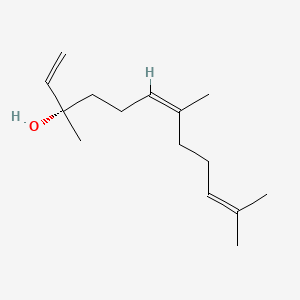
| The Content Variation of Natural Product Induced by Different Factor(s) | |||||||||||||||||||||||||||||||||||||||||||||||||||||||||||||||||||||||||||||||||||||||||
|---|---|---|---|---|---|---|---|---|---|---|---|---|---|---|---|---|---|---|---|---|---|---|---|---|---|---|---|---|---|---|---|---|---|---|---|---|---|---|---|---|---|---|---|---|---|---|---|---|---|---|---|---|---|---|---|---|---|---|---|---|---|---|---|---|---|---|---|---|---|---|---|---|---|---|---|---|---|---|---|---|---|---|---|---|---|---|---|---|---|
| Species Name: Cannabis sativa | |||||||||||||||||||||||||||||||||||||||||||||||||||||||||||||||||||||||||||||||||||||||||
| Factor Name: Developmental Stage Variation; Harvest Time Variation | [1] | ||||||||||||||||||||||||||||||||||||||||||||||||||||||||||||||||||||||||||||||||||||||||
| Experiment Detail |
Hemp plants (cultivar USO-31) were cultivated for the production of hemp herb under non-standard agro-climatic conditions on clay-stony soil in the southern part of central Slovakia. The size of the managed soil was 0.42 hectares. No pre-crop was applied before sowing. In the autumn, classic manure was used as fertilizer, which was subsequently ploughed. In the spring, shallow ploughing was carried out. The seeds were sown by hand on 20 April 2019. Subsequently, the growing season began, which lasted until 12 September 2019, when it ended with the mowing of the stand using a drum rotary mower pulled by a tractor. During the growing season, the samples were taken three times, focusing on inflorescences and leaves. The first samples were harvested on 30 June 2019, before the flowering of the plant. The plants were short and reached a height of about 30 cm. The second samples were harvested on 3 August 2019 (the plants were already in the flowering phase). The inflorescences in the upper parts of the plant reached lengths of 2 to 30 cm. In this phase, there were also male inflorescences in the stand, which were already in a more advanced stage of flowering. The height of the plants ranged from 20-150 cm. The third sample was harvested on 1 September 2019, after flowering. The samples of hemp (the same genus) after flowering harvested in 2018 were analyzed too. Hemp plants from the year 2018 season were much more developed, reaching a height of 2 m, and were more densely inseminated.
Click to Show/Hide
|
||||||||||||||||||||||||||||||||||||||||||||||||||||||||||||||||||||||||||||||||||||||||
| Factor Function |
The highest content of polyphenolic compounds was analyzed in the sample harvested before flowering (17.217 mg/g). According to this study, the harvest in June (before flowering) is the most convenient for the achievement of the highest antioxidant activity and polyphenolic content. Among the secondary metabolites in hemp, terpenes and cannabinoids are the most attractive for research and further processing. The highest amounts were found in the sample collected during flowering. The concentrations of major terpenes beta-caryophyllene and alpha-humulene were maximal during flowering, at 72.10 and 36.75 mg/g respectively. The accumulation of cannabinoids was also highest at this stage. The concentration of cannabidiol was 3.81 mg/g. The harvest of female plants is essential in July due to the CBD concentration maximum.
Click to Show/Hide
|
||||||||||||||||||||||||||||||||||||||||||||||||||||||||||||||||||||||||||||||||||||||||
| Factor | Part | Location | NP Content | ||||||||||||||||||||||||||||||||||||||||||||||||||||||||||||||||||||||||||||||||||||||
|
Harvesting time: after flowering; 2018
|
Green plant parts | Slovakia |
NP Content: 93.58 ± 3.63 µg/g dry weight
|
||||||||||||||||||||||||||||||||||||||||||||||||||||||||||||||||||||||||||||||||||||||
| References | ||||||||||||||||||||||||
|---|---|---|---|---|---|---|---|---|---|---|---|---|---|---|---|---|---|---|---|---|---|---|---|---|
| 1 | Influence of Technological Maturity on the Secondary Metabolites of Hemp Concentrate ( Cannabis sativa L.) | |||||||||||||||||||||||