
| The Content Variation of Natural Product Induced by Different Factor(s) | |||||||||||||||||||||||||||||||||||||||||||||||||||||||||||||||||||||||||||||||||||||||||
|---|---|---|---|---|---|---|---|---|---|---|---|---|---|---|---|---|---|---|---|---|---|---|---|---|---|---|---|---|---|---|---|---|---|---|---|---|---|---|---|---|---|---|---|---|---|---|---|---|---|---|---|---|---|---|---|---|---|---|---|---|---|---|---|---|---|---|---|---|---|---|---|---|---|---|---|---|---|---|---|---|---|---|---|---|---|---|---|---|---|
| Species Name: Polygonum cuspidatum | |||||||||||||||||||||||||||||||||||||||||||||||||||||||||||||||||||||||||||||||||||||||||
| Factor Name: Locality Variation; Seasonal Variation | [1] | ||||||||||||||||||||||||||||||||||||||||||||||||||||||||||||||||||||||||||||||||||||||||
| Experiment Detail |
P. cuspidatum was harvested in three different locations in Kochi Prefecture, Japan. Shimanto (Kinokawa, Shimanto-cho, Takaoka-gun), Kagami (Chozu, Kagamiyoshihara, Kochi-shi), and Muroto (Sakihama-cho, Muroto-shi) are, respectively, located in the west, center, and east of Kochi Prefecture. Fresh plants were separated into four different parts: stem, leaf, tuber, and rhizome. The edible plant shoots harvested in spring were further divided into four different sections: the upper, middle, and lower parts of the edible portion, and the inedible skin. The stem was categorized as one whole sample in summer and fall.
Click to Show/Hide
|
||||||||||||||||||||||||||||||||||||||||||||||||||||||||||||||||||||||||||||||||||||||||
| Factor Function |
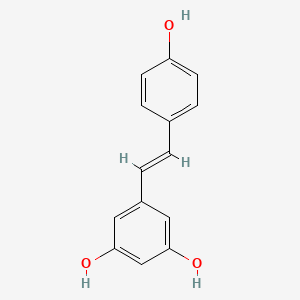
This study has clarified that the resveratrol content in P. cuspidatum varied depending on the harvesting season, growing location, and cultivating condition. The seasonal peaks of free resveratrol content were different between the above-ground and subterranean parts. The free resveratrol content of the subterranean parts peaked in spring, and the above-ground samples had the highest free resveratrol content in fall. From spring to summer, however, we observed less resveratrol glycoside in both the above-ground and subterranean parts. In summer, there are a number of stressful factors such as intense sunlight and high temperatures which could be related to the rapid consumption of stored forms of resveratrol. However, in the three geographical regions, these observed differences in resveratrol content were not always consistent. In particular, samples from Muroto had different seasonal changes in resveratrol glycoside content from the other regions. For example, the resveratrol glycoside contents in the leaves and rhizomes harvested in Kagami and Shimanto were relatively low in summer, but the samples from Muroto showed the highest content in this season. Environmental factors such as hours of sunlight and the presence of harmful insects and/or fungus can affect the production of resveratrol in plants. In fact, the weather in Muroto was distinctly different from that in the other regions. According to the meteorological data for Kochi Prefecture, the amount of rainfall in Sakihama-cho, Muroto-shi, was markedly higher than in the other places, including the Shimanto and Kochi regions. The hours of sunlight could have been relatively fewer, so that the plants did not need to expend their stored resveratrol. Other possible factors are insects and fungal infections.
Click to Show/Hide
|
||||||||||||||||||||||||||||||||||||||||||||||||||||||||||||||||||||||||||||||||||||||||
| Factor | Part | Location | NP Content | ||||||||||||||||||||||||||||||||||||||||||||||||||||||||||||||||||||||||||||||||||||||
|
Stem of lower parts: (Locality: Shimanto, Kochi Prefecture, Japan) + (Harvesting time: Spring)
|
Stems | Kochi Prefecture, Japan |
NP Content: less than 0.1 µg/g fresh weight
|
||||||||||||||||||||||||||||||||||||||||||||||||||||||||||||||||||||||||||||||||||||||
|
Stem of middle parts: (Locality: Shimanto, Kochi Prefecture, Japan) + (Harvesting time: Spring)
|
Stems | Kochi Prefecture, Japan |
NP Content: less than 0.1 µg/g fresh weight
|
||||||||||||||||||||||||||||||||||||||||||||||||||||||||||||||||||||||||||||||||||||||
|
Stem of upper parts: (Locality: Shimanto, Kochi Prefecture, Japan) + (Harvesting time: Spring)
|
Stems | Kochi Prefecture, Japan |
NP Content: less than 0.1 µg/g fresh weight
|
||||||||||||||||||||||||||||||||||||||||||||||||||||||||||||||||||||||||||||||||||||||
|
Stem of skin parts: (Locality: Shimanto, Kochi Prefecture, Japan) + (Harvesting time: Spring)
|
Stems | Kochi Prefecture, Japan |
NP Content: 0.18 µg/g fresh weight
|
||||||||||||||||||||||||||||||||||||||||||||||||||||||||||||||||||||||||||||||||||||||
|
Leaf: (Locality: Shimanto, Kochi Prefecture, Japan) + (Harvesting time: Spring)
|
Leaves | Kochi Prefecture, Japan |
NP Content: 2.37 µg/g fresh weight
|
||||||||||||||||||||||||||||||||||||||||||||||||||||||||||||||||||||||||||||||||||||||
|
Tuber of subterranean: (Locality: Shimanto, Kochi Prefecture, Japan) + (Harvesting time: Spring)
|
Subterraneans | Kochi Prefecture, Japan |
NP Content: 744 µg/g fresh weight
|
||||||||||||||||||||||||||||||||||||||||||||||||||||||||||||||||||||||||||||||||||||||
|
Rhizome of subterranean: (Locality: Shimanto, Kochi Prefecture, Japan) + (Harvesting time: Spring)
|
Subterraneans | Kochi Prefecture, Japan |
NP Content: 1230 µg/g fresh weight
|
||||||||||||||||||||||||||||||||||||||||||||||||||||||||||||||||||||||||||||||||||||||
|
Stem of lower parts: (Locality: Kagami, Kochi Prefecture, Japan) + (Harvesting time: Spring)
|
Stems | Kochi Prefecture, Japan |
NP Content: less than 0.1 µg/g fresh weight
|
||||||||||||||||||||||||||||||||||||||||||||||||||||||||||||||||||||||||||||||||||||||
|
Stem of middle parts: (Locality: Kagami, Kochi Prefecture, Japan) + (Harvesting time: Spring)
|
Stems | Kochi Prefecture, Japan |
NP Content: less than 0.1 µg/g fresh weight
|
||||||||||||||||||||||||||||||||||||||||||||||||||||||||||||||||||||||||||||||||||||||
|
Stem of upper parts: (Locality: Kagami, Kochi Prefecture, Japan) + (Harvesting time: Spring)
|
Stems | Kochi Prefecture, Japan |
NP Content: less than 0.1 µg/g fresh weight
|
||||||||||||||||||||||||||||||||||||||||||||||||||||||||||||||||||||||||||||||||||||||
|
Stem of skin parts: (Locality: Kagami, Kochi Prefecture, Japan) + (Harvesting time: Spring)
|
Stems | Kochi Prefecture, Japan |
NP Content: 0.21 µg/g fresh weight
|
||||||||||||||||||||||||||||||||||||||||||||||||||||||||||||||||||||||||||||||||||||||
|
Leaf: (Locality: Kagami, Kochi Prefecture, Japan) + (Harvesting time: Spring)
|
Leaves | Kochi Prefecture, Japan |
NP Content: 0.23 µg/g fresh weight
|
||||||||||||||||||||||||||||||||||||||||||||||||||||||||||||||||||||||||||||||||||||||
|
Tuber of subterranean: (Locality: Kagami, Kochi Prefecture, Japan) + (Harvesting time: Spring)
|
Subterraneans | Kochi Prefecture, Japan |
NP Content: 21 µg/g fresh weight
|
||||||||||||||||||||||||||||||||||||||||||||||||||||||||||||||||||||||||||||||||||||||
|
Rhizome of subterranean: (Locality: Kagami, Kochi Prefecture, Japan) + (Harvesting time: Spring)
|
Subterraneans | Kochi Prefecture, Japan |
NP Content: 2120 µg/g fresh weight
|
||||||||||||||||||||||||||||||||||||||||||||||||||||||||||||||||||||||||||||||||||||||
|
Stem of lower parts: (Locality: Muroto, Kochi Prefecture, Japan) + (Harvesting time: Spring)
|
Stems | Kochi Prefecture, Japan |
NP Content: less than 0.1 µg/g fresh weight
|
||||||||||||||||||||||||||||||||||||||||||||||||||||||||||||||||||||||||||||||||||||||
|
Stem of middle parts: (Locality: Muroto, Kochi Prefecture, Japan) + (Harvesting time: Spring)
|
Stems | Kochi Prefecture, Japan |
NP Content: less than 0.1 µg/g fresh weight
|
||||||||||||||||||||||||||||||||||||||||||||||||||||||||||||||||||||||||||||||||||||||
|
Stem of upper parts: (Locality: Muroto, Kochi Prefecture, Japan) + (Harvesting time: Spring)
|
Stems | Kochi Prefecture, Japan |
NP Content: less than 0.1 µg/g fresh weight
|
||||||||||||||||||||||||||||||||||||||||||||||||||||||||||||||||||||||||||||||||||||||
|
Stem of skin parts: (Locality: Muroto, Kochi Prefecture, Japan) + (Harvesting time: Spring)
|
Stems | Kochi Prefecture, Japan |
NP Content: less than 0.1 µg/g fresh weight
|
||||||||||||||||||||||||||||||||||||||||||||||||||||||||||||||||||||||||||||||||||||||
|
Leaf: (Locality: Muroto, Kochi Prefecture, Japan) + (Harvesting time: Spring)
|
Leaves | Kochi Prefecture, Japan |
NP Content: 1.95 µg/g fresh weight
|
||||||||||||||||||||||||||||||||||||||||||||||||||||||||||||||||||||||||||||||||||||||
|
Whole stem: (Locality: Shimanto, Kochi Prefecture, Japan) + (Harvesting time: Summer)
|
Stems | Kochi Prefecture, Japan |
NP Content: 0.36 µg/g fresh weight
|
||||||||||||||||||||||||||||||||||||||||||||||||||||||||||||||||||||||||||||||||||||||
|
Leaf: (Locality: Shimanto, Kochi Prefecture, Japan) + (Harvesting time: Summer)
|
Leaves | Kochi Prefecture, Japan |
NP Content: 0.43 µg/g fresh weight
|
||||||||||||||||||||||||||||||||||||||||||||||||||||||||||||||||||||||||||||||||||||||
|
Tuber of subterranean: (Locality: Shimanto, Kochi Prefecture, Japan) + (Harvesting time: Summer)
|
Subterraneans | Kochi Prefecture, Japan |
NP Content: 147 µg/g fresh weight
|
||||||||||||||||||||||||||||||||||||||||||||||||||||||||||||||||||||||||||||||||||||||
|
Rhizome of subterranean: (Locality: Shimanto, Kochi Prefecture, Japan) + (Harvesting time: Summer)
|
Subterraneans | Kochi Prefecture, Japan |
NP Content: 61.5 µg/g fresh weight
|
||||||||||||||||||||||||||||||||||||||||||||||||||||||||||||||||||||||||||||||||||||||
|
Whole stem: (Locality: Kagami, Kochi Prefecture, Japan) + (Harvesting time: Summer)
|
Stems | Kochi Prefecture, Japan |
NP Content: less than 0.1 µg/g fresh weight
|
||||||||||||||||||||||||||||||||||||||||||||||||||||||||||||||||||||||||||||||||||||||
|
Leaf: (Locality: Kagami, Kochi Prefecture, Japan) + (Harvesting time: Summer)
|
Leaves | Kochi Prefecture, Japan |
NP Content: 1.18 µg/g fresh weight
|
||||||||||||||||||||||||||||||||||||||||||||||||||||||||||||||||||||||||||||||||||||||
|
Tuber of subterranean: (Locality: Kagami, Kochi Prefecture, Japan) + (Harvesting time: Summer)
|
Subterraneans | Kochi Prefecture, Japan |
NP Content: 714 µg/g fresh weight
|
||||||||||||||||||||||||||||||||||||||||||||||||||||||||||||||||||||||||||||||||||||||
|
Rhizome of subterranean: (Locality: Kagami, Kochi Prefecture, Japan) + (Harvesting time: Summer)
|
Subterraneans | Kochi Prefecture, Japan |
NP Content: 1010 µg/g fresh weight
|
||||||||||||||||||||||||||||||||||||||||||||||||||||||||||||||||||||||||||||||||||||||
|
Whole stem: (Locality: Muroto, Kochi Prefecture, Japan) + (Harvesting time: Summer)
|
Stems | Kochi Prefecture, Japan |
NP Content: less than 0.1 µg/g fresh weight
|
||||||||||||||||||||||||||||||||||||||||||||||||||||||||||||||||||||||||||||||||||||||
|
Leaf: (Locality: Muroto, Kochi Prefecture, Japan) + (Harvesting time: Summer)
|
Leaves | Kochi Prefecture, Japan |
NP Content: 2.24 µg/g fresh weight
|
||||||||||||||||||||||||||||||||||||||||||||||||||||||||||||||||||||||||||||||||||||||
|
Tuber of subterranean: (Locality: Muroto, Kochi Prefecture, Japan) + (Harvesting time: Summer)
|
Subterraneans | Kochi Prefecture, Japan |
NP Content: 75.4 µg/g fresh weight
|
||||||||||||||||||||||||||||||||||||||||||||||||||||||||||||||||||||||||||||||||||||||
|
Rhizome of subterranean: (Locality: Muroto, Kochi Prefecture, Japan) + (Harvesting time: Summer)
|
Subterraneans | Kochi Prefecture, Japan |
NP Content: 177 µg/g fresh weight
|
||||||||||||||||||||||||||||||||||||||||||||||||||||||||||||||||||||||||||||||||||||||
|
Whole stem: (Locality: Shimanto, Kochi Prefecture, Japan) + (Harvesting time: Fall)
|
Stems | Kochi Prefecture, Japan |
NP Content: 0.48 µg/g fresh weight
|
||||||||||||||||||||||||||||||||||||||||||||||||||||||||||||||||||||||||||||||||||||||
|
Leaf: (Locality: Shimanto, Kochi Prefecture, Japan) + (Harvesting time: Fall)
|
Leaves | Kochi Prefecture, Japan |
NP Content: 1.04 µg/g fresh weight
|
||||||||||||||||||||||||||||||||||||||||||||||||||||||||||||||||||||||||||||||||||||||
|
Tuber of subterranean: (Locality: Shimanto, Kochi Prefecture, Japan) + (Harvesting time: Fall)
|
Subterraneans | Kochi Prefecture, Japan |
NP Content: 211 µg/g fresh weight
|
||||||||||||||||||||||||||||||||||||||||||||||||||||||||||||||||||||||||||||||||||||||
|
Rhizome of subterranean: (Locality: Shimanto, Kochi Prefecture, Japan) + (Harvesting time: Fall)
|
Subterraneans | Kochi Prefecture, Japan |
NP Content: 92.5 µg/g fresh weight
|
||||||||||||||||||||||||||||||||||||||||||||||||||||||||||||||||||||||||||||||||||||||
|
Whole stem: (Locality: Kagami, Kochi Prefecture, Japan) + (Harvesting time: Fall)
|
Stems | Kochi Prefecture, Japan |
NP Content: 0.12 µg/g fresh weight
|
||||||||||||||||||||||||||||||||||||||||||||||||||||||||||||||||||||||||||||||||||||||
|
Leaf: (Locality: Kagami, Kochi Prefecture, Japan) + (Harvesting time: Fall)
|
Leaves | Kochi Prefecture, Japan |
NP Content: 1.4 µg/g fresh weight
|
||||||||||||||||||||||||||||||||||||||||||||||||||||||||||||||||||||||||||||||||||||||
|
Tuber of subterranean: (Locality: Kagami, Kochi Prefecture, Japan) + (Harvesting time: Fall)
|
Subterraneans | Kochi Prefecture, Japan |
NP Content: 181 µg/g fresh weight
|
||||||||||||||||||||||||||||||||||||||||||||||||||||||||||||||||||||||||||||||||||||||
|
Rhizome of subterranean: (Locality: Kagami, Kochi Prefecture, Japan) + (Harvesting time: Fall)
|
Subterraneans | Kochi Prefecture, Japan |
NP Content: 302 µg/g fresh weight
|
||||||||||||||||||||||||||||||||||||||||||||||||||||||||||||||||||||||||||||||||||||||
|
Whole stem: (Locality: Muroto, Kochi Prefecture, Japan) + (Harvesting time: Fall)
|
Stems | Kochi Prefecture, Japan |
NP Content: 0.15 µg/g fresh weight
|
||||||||||||||||||||||||||||||||||||||||||||||||||||||||||||||||||||||||||||||||||||||
|
Leaf: (Locality: Muroto, Kochi Prefecture, Japan) + (Harvesting time: Fall)
|
Leaves | Kochi Prefecture, Japan |
NP Content: 2.79 µg/g fresh weight
|
||||||||||||||||||||||||||||||||||||||||||||||||||||||||||||||||||||||||||||||||||||||
|
Tuber of subterranean: (Locality: Muroto, Kochi Prefecture, Japan) + (Harvesting time: Fall)
|
Subterraneans | Kochi Prefecture, Japan |
NP Content: 39.2 µg/g fresh weight
|
||||||||||||||||||||||||||||||||||||||||||||||||||||||||||||||||||||||||||||||||||||||
|
Rhizome of subterranean: (Locality: Muroto, Kochi Prefecture, Japan) + (Harvesting time: Fall)
|
Subterraneans | Kochi Prefecture, Japan |
NP Content: 109 µg/g fresh weight
|
||||||||||||||||||||||||||||||||||||||||||||||||||||||||||||||||||||||||||||||||||||||
|
Tuber of subterranean: (Locality: Shimanto, Kochi Prefecture, Japan) + (Harvesting time: Winter)
|
Subterraneans | Kochi Prefecture, Japan |
NP Content: 360 µg/g fresh weight
|
||||||||||||||||||||||||||||||||||||||||||||||||||||||||||||||||||||||||||||||||||||||
|
Rhizome of subterranean: (Locality: Shimanto, Kochi Prefecture, Japan) + (Harvesting time: Winter)
|
Subterraneans | Kochi Prefecture, Japan |
NP Content: 97.8 µg/g fresh weight
|
||||||||||||||||||||||||||||||||||||||||||||||||||||||||||||||||||||||||||||||||||||||
|
Tuber of subterranean: (Locality: Kagami, Kochi Prefecture, Japan) + (Harvesting time: Winter)
|
Subterraneans | Kochi Prefecture, Japan |
NP Content: 53.7 µg/g fresh weight
|
||||||||||||||||||||||||||||||||||||||||||||||||||||||||||||||||||||||||||||||||||||||
|
Rhizome of subterranean: (Locality: Kagami, Kochi Prefecture, Japan) + (Harvesting time: Winter)
|
Subterraneans | Kochi Prefecture, Japan |
NP Content: 91.7 µg/g fresh weight
|
||||||||||||||||||||||||||||||||||||||||||||||||||||||||||||||||||||||||||||||||||||||
|
Tuber of subterranean: (Locality: Muroto, Kochi Prefecture, Japan) + (Harvesting time: Winter)
|
Subterraneans | Kochi Prefecture, Japan |
NP Content: 67.3 µg/g fresh weight
|
||||||||||||||||||||||||||||||||||||||||||||||||||||||||||||||||||||||||||||||||||||||
|
Rhizome of subterranean: (Locality: Muroto, Kochi Prefecture, Japan) + (Harvesting time: Winter)
|
Subterraneans | Kochi Prefecture, Japan |
NP Content: 248 µg/g fresh weight
|
||||||||||||||||||||||||||||||||||||||||||||||||||||||||||||||||||||||||||||||||||||||
| References | ||||||||||||||||||||||||
|---|---|---|---|---|---|---|---|---|---|---|---|---|---|---|---|---|---|---|---|---|---|---|---|---|
| 1 | Content of resveratrol and glycoside and its contribution to the antioxidative capacity of Polygonum cuspidatum (Itadori) harvested in Kochi | |||||||||||||||||||||||