
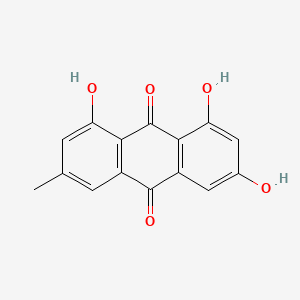
| The Content Variation of Natural Product Induced by Different Factor(s) | |||||||||||||||||||||||||||||||||||||||||||||||||||||||||||||||||||||||||||||||||||||||||
|---|---|---|---|---|---|---|---|---|---|---|---|---|---|---|---|---|---|---|---|---|---|---|---|---|---|---|---|---|---|---|---|---|---|---|---|---|---|---|---|---|---|---|---|---|---|---|---|---|---|---|---|---|---|---|---|---|---|---|---|---|---|---|---|---|---|---|---|---|---|---|---|---|---|---|---|---|---|---|---|---|---|---|---|---|---|---|---|---|---|
| Species Name: Alternaria sp. isolate MT6 | |||||||||||||||||||||||||||||||||||||||||||||||||||||||||||||||||||||||||||||||||||||||||
| Factor Name: PDB medium | [1] | ||||||||||||||||||||||||||||||||||||||||||||||||||||||||||||||||||||||||||||||||||||||||
| Experiment Detail |
Isolation of endophytes from Hypericum perforatum: Plant specimens of Hypericum perforatum were sampled at the Botanical garden of University of Szeged (N46.235, E20.159) in autumn. The leaf, stem, root and flower parts were separated, and these parts were examined for their fungal endophyte content. The plant materials were rinsed in running tap water to remove dust and debris and the specimens were cut into small segments of about 0.5 to 1 cm in length using a sterile blade. The plant segments were surface sterilized to kill the epiphytic microorganisms by sequentially immersing the plant material in 70% ethanol for 60 s, washing with sterile distilled water and then, steeping in 0.01% mercuric chloride (VWR) for 30 sec. Finally, the specimens were washed again with sterile distilled water 2-3 times and then allowed to dry on a sterile blotting paper. Each segment was placed onto the surface of potato dextrose agar (PDA; VWR) medium supplemented with ampicillin (50 mcg/mL) in a Petri dish. All plates were incubated at 25 ℃ for 5-10 days and were checked daily for the growth of fungal colonies. Pure isolates were obtained by picking up individual colonies from the plates and transferring them onto a fresh PDA medium where they were incubated at 25 ℃ for 10 days. Isolated endophytic fungi were cultured for 7 days at 25 ℃ in 50 ml PDB medium.
Click to Show/Hide
|
||||||||||||||||||||||||||||||||||||||||||||||||||||||||||||||||||||||||||||||||||||||||
| Factor | Part | Location | NP Content | ||||||||||||||||||||||||||||||||||||||||||||||||||||||||||||||||||||||||||||||||||||||
|
PDB medium (25℃ + 7 days)
|
Leaves | Szeged, Hungary |
NP Content: 19.9 ng/mg
|
||||||||||||||||||||||||||||||||||||||||||||||||||||||||||||||||||||||||||||||||||||||
| Species Name: Alternaria sp. isolate MT7 | |||||||||||||||||||||||||||||||||||||||||||||||||||||||||||||||||||||||||||||||||||||||||
| Factor Name: PDB medium | [1] | ||||||||||||||||||||||||||||||||||||||||||||||||||||||||||||||||||||||||||||||||||||||||
| Experiment Detail |
Isolation of endophytes from Hypericum perforatum: Plant specimens of Hypericum perforatum were sampled at the Botanical garden of University of Szeged (N46.235, E20.159) in autumn. The leaf, stem, root and flower parts were separated, and these parts were examined for their fungal endophyte content. The plant materials were rinsed in running tap water to remove dust and debris and the specimens were cut into small segments of about 0.5 to 1 cm in length using a sterile blade. The plant segments were surface sterilized to kill the epiphytic microorganisms by sequentially immersing the plant material in 70% ethanol for 60 s, washing with sterile distilled water and then, steeping in 0.01% mercuric chloride (VWR) for 30 sec. Finally, the specimens were washed again with sterile distilled water 2-3 times and then allowed to dry on a sterile blotting paper. Each segment was placed onto the surface of potato dextrose agar (PDA; VWR) medium supplemented with ampicillin (50 mcg/mL) in a Petri dish. All plates were incubated at 25 ℃ for 5-10 days and were checked daily for the growth of fungal colonies. Pure isolates were obtained by picking up individual colonies from the plates and transferring them onto a fresh PDA medium where they were incubated at 25 ℃ for 10 days. Isolated endophytic fungi were cultured for 7 days at 25 ℃ in 50 ml PDB medium.
Click to Show/Hide
|
||||||||||||||||||||||||||||||||||||||||||||||||||||||||||||||||||||||||||||||||||||||||
| Factor | Part | Location | NP Content | ||||||||||||||||||||||||||||||||||||||||||||||||||||||||||||||||||||||||||||||||||||||
|
PDB medium (25℃ + 7 days)
|
Leaves | Szeged, Hungary |
NP Content: 20.8 ng/mg
|
||||||||||||||||||||||||||||||||||||||||||||||||||||||||||||||||||||||||||||||||||||||
| Species Name: Epicoccum nigrum isolate MT1 | |||||||||||||||||||||||||||||||||||||||||||||||||||||||||||||||||||||||||||||||||||||||||
| Factor Name: PDB medium | [1] | ||||||||||||||||||||||||||||||||||||||||||||||||||||||||||||||||||||||||||||||||||||||||
| Experiment Detail |
Isolation of endophytes from Hypericum perforatum: Plant specimens of Hypericum perforatum were sampled at the Botanical garden of University of Szeged (N46.235, E20.159) in autumn. The leaf, stem, root and flower parts were separated, and these parts were examined for their fungal endophyte content. The plant materials were rinsed in running tap water to remove dust and debris and the specimens were cut into small segments of about 0.5 to 1 cm in length using a sterile blade. The plant segments were surface sterilized to kill the epiphytic microorganisms by sequentially immersing the plant material in 70% ethanol for 60 s, washing with sterile distilled water and then, steeping in 0.01% mercuric chloride (VWR) for 30 sec. Finally, the specimens were washed again with sterile distilled water 2-3 times and then allowed to dry on a sterile blotting paper. Each segment was placed onto the surface of potato dextrose agar (PDA; VWR) medium supplemented with ampicillin (50 mcg/mL) in a Petri dish. All plates were incubated at 25 ℃ for 5-10 days and were checked daily for the growth of fungal colonies. Pure isolates were obtained by picking up individual colonies from the plates and transferring them onto a fresh PDA medium where they were incubated at 25 ℃ for 10 days. Isolated endophytic fungi were cultured for 7 days at 25 ℃ in 50 ml PDB medium.
Click to Show/Hide
|
||||||||||||||||||||||||||||||||||||||||||||||||||||||||||||||||||||||||||||||||||||||||
| Factor | Part | Location | NP Content | ||||||||||||||||||||||||||||||||||||||||||||||||||||||||||||||||||||||||||||||||||||||
|
PDB medium (25℃ + 7 days)
|
Flowers | Szeged, Hungary |
NP Content: 427.9 ng/mg
|
||||||||||||||||||||||||||||||||||||||||||||||||||||||||||||||||||||||||||||||||||||||
| References | ||||||||||||||||||||||||
|---|---|---|---|---|---|---|---|---|---|---|---|---|---|---|---|---|---|---|---|---|---|---|---|---|
| 1 | Host metabolite producing endophytic fungi isolated from Hypericum perforatum | |||||||||||||||||||||||