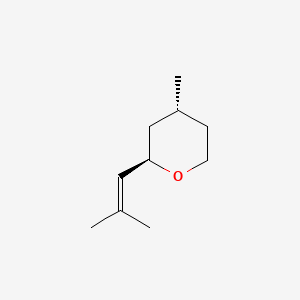
| The Content Variation of Natural Product Induced by Different Factor(s) | |||||||||||||||||||||||||||||||||||||||||||||||||||||||||||||||||||||||||||||||||||||||||
|---|---|---|---|---|---|---|---|---|---|---|---|---|---|---|---|---|---|---|---|---|---|---|---|---|---|---|---|---|---|---|---|---|---|---|---|---|---|---|---|---|---|---|---|---|---|---|---|---|---|---|---|---|---|---|---|---|---|---|---|---|---|---|---|---|---|---|---|---|---|---|---|---|---|---|---|---|---|---|---|---|---|---|---|---|---|---|---|---|---|
| Species Name: Baccharis spartioides | |||||||||||||||||||||||||||||||||||||||||||||||||||||||||||||||||||||||||||||||||||||||||
| Factor Name: Altitude Variation | [1] | ||||||||||||||||||||||||||||||||||||||||||||||||||||||||||||||||||||||||||||||||||||||||
| Experiment Detail |
Aerial parts of endemic pichana were harvested in December 1996 at different localities of northern Patagonia. Origin: Planicie Banderita, Dept. Confluencia, Province of NeuquCn. Habitat: altitude, 327 m; average temperature in the station, 21.8 ℃; annual precipitation, 125 mm; sandy soils. Aerial parts (5 kg, 2 kg of dried material;humidity, 11%) from four well developed plants at the fullflowering stage (December, 1996). Sample 2 : Origin: RincBn de 10s; Sauces, Dept. of Pehuenclies, Province of Neuqukn. Habitat: altitude, 750 m; average temperature in the station, 20.9 ℃; annual precipitation, 147 mm; sandy and gritty salty soils. Aerial parts (5 kg, 1.85 kg of dried material, humidity, 10%), from two well developed plants at the full flowering stage, and after several days copious rains (December, 1996). Sample 3: Origin: Coronel GBmez, Dept. General Roca, Province of Rio Negro. Habitat: altitude, 242 m; average temperature in the station, 22.5 ℃; annual precipitation, 179 mm; sandy and stony soils. Aerial parts (4.5 kg, 1.3 kg of dried material, humidity, 9%), from 12 young plants at the beginning flowering stage (December, 1996).
Click to Show/Hide
|
||||||||||||||||||||||||||||||||||||||||||||||||||||||||||||||||||||||||||||||||||||||||
| Factor Function |
Fifty-four components, representing approximately 84.6-97.4% of the oil samples, were identified. The samples consisted mainly of hydrocarbons and oxygenated monoterpenes. The major constituents were limonene (28.7-56.7%), 6R-7R-bisabolone (3.2-9.1%), sabinene (0.1-11.0%) and citronellal (2.4-5.2%). Significant differences among the content of the three samples could be the result of changes in the climatic conditions (sample 2: Rincon de los Sauces, Province of Neuquen, after strong rains) or by translocations in different parts of the plant (sample 3: Coronel Gomez, Province of Rio Negro, more leaves and less stems).
Click to Show/Hide
|
||||||||||||||||||||||||||||||||||||||||||||||||||||||||||||||||||||||||||||||||||||||||
| Factor | Part | Location | NP Content | ||||||||||||||||||||||||||||||||||||||||||||||||||||||||||||||||||||||||||||||||||||||
|
Locality: Planicie Banderita, Province of Neuquen; Altitude 327 m
|
Aerial parts | Patagonia, Argentina |
NP Content: 0.2 %
|
||||||||||||||||||||||||||||||||||||||||||||||||||||||||||||||||||||||||||||||||||||||
|
Locality: Rincon de los Sauces, Province of Neuquen; Altitude 750 m
|
Aerial parts | Patagonia, Argentina |
NP Content: 0.2 %
|
||||||||||||||||||||||||||||||||||||||||||||||||||||||||||||||||||||||||||||||||||||||
|
Locality: Coronel Gomez, Province of Rio Negro; Altitude 242 m
|
Aerial parts | Patagonia, Argentina |
NP Content: 0.2 %
|
||||||||||||||||||||||||||||||||||||||||||||||||||||||||||||||||||||||||||||||||||||||
| Species Name: Ducrosia assadii | |||||||||||||||||||||||||||||||||||||||||||||||||||||||||||||||||||||||||||||||||||||||||
| Factor Name: Locality Variation | [2] | ||||||||||||||||||||||||||||||||||||||||||||||||||||||||||||||||||||||||||||||||||||||||
| Experiment Detail |
The aerial parts of D. assadii Alava. were collected in the wild from Lalehzar (Kerman Province, in southern Iran) at the flowering stage, in July 2007. The material was dried at room temperature and used for distillation. Distillation: A direct-fired field distillation unit containing a distillation tank (capacity: 1,000 L), a condensation column and receiver, all made of stainless steel, and which can process 30-50 kg of dried aerial parts from the plants/batch, was installed at an altitude of 2600 m (boiling point: 87 ℃). Dried aerial parts from the plants (40 kg) were charged into the distillation unit along with 500 L fresh water and the unit was heated by steam. The system was kept open to atmospheric pressure until the temperature reached to 70 ℃, when the air present in the unit was replaced by the vapor. After complete removal of air from the unit, the air vent was closed and the whole unit was operated as a closed system under pressure to distill the oil. The pressure, temperature and rate of distillation were controlled manually. The process was completed after the collection of 500 L of water distillate. The oil collected in the receiver and dried over anhydrous Na2SO4. Extraction of Ducrosia Second Oil From Ducrosia Water by Redistillation: The seprated distillate water collected in the receiver was redistilled in a 1,000 L still to yield more Doucrosia oil (this oil is known as secondary essential oil, second oil, cooked oil or indirect oil).
Click to Show/Hide
|
||||||||||||||||||||||||||||||||||||||||||||||||||||||||||||||||||||||||||||||||||||||||
| Factor Function |
Fifty components were identified in a second oil of D. assadii from Lalehzar with decanal (35.2%), nonadecane (12%) and citronellyl acetate (11.6%) as the main constituents. The oil from Dehbakrii also contained decanal (36.4%) as the main component of an oil recovered from the distillate water. The results showed that the amount of decanal is remarkably high in the oils of D. assadii.
Click to Show/Hide
|
||||||||||||||||||||||||||||||||||||||||||||||||||||||||||||||||||||||||||||||||||||||||
| Factor | Part | Location | NP Content | ||||||||||||||||||||||||||||||||||||||||||||||||||||||||||||||||||||||||||||||||||||||
|
Locality: Lalehzar, Kerman Province, southern Iran
|
Aerial parts | Iran |
NP Content: 0.1 %
|
||||||||||||||||||||||||||||||||||||||||||||||||||||||||||||||||||||||||||||||||||||||
| Species Name: Pelargonium graveolens L'Her. | |||||||||||||||||||||||||||||||||||||||||||||||||||||||||||||||||||||||||||||||||||||||||
| Factor Name: Cultivar Comparison; Seasonal Variation | [3] | ||||||||||||||||||||||||||||||||||||||||||||||||||||||||||||||||||||||||||||||||||||||||
| Experiment Detail |
One-month-old rooted stem cuttings of three rosescented geranium cultivars, namely Bourbon type, CIM-Pawan and Kelkar were transplanted at 50 × 50 cm plant spacing in the experimental field of Central Institute of Medicinal and Aromatic Plants, Research Center Purara, Uttarakhand, in October 2007. Plants were irrigated immediately after transplanting and further crops were raised following the normal agricultural practices needed to grow the plant. The experimental site is located between the coordinates 28° 60′ and 31° 29′ N, 77° 49′ and 80° 60 m E, and at an altitude of 1250 m in the Kattyur valley. Climatologically, it is categorized as a sub-temperate (1200-1700 m) zone, where monsoon usually breaks in June and continues up to September. Sampling of the rose-scented geranium cultivars was started from March 2008 and taken on the tenth of every month until February 2009. Samples were collected in triplicate in each season. (A, cv. Bourbon type; B, cv. CIM-Pawan; C, cv. Kelkar; I, spring season; II, summer season; III, rainy season;IV, autumn season; V, winter season).
Click to Show/Hide
|
||||||||||||||||||||||||||||||||||||||||||||||||||||||||||||||||||||||||||||||||||||||||
| Factor Function |
The major components in the essential oil of cv. Bourbon type were geraniol (14.1-34.6%), citronellol (15.2-31.3%), linalool (2.9-9.2%), citronellyl formate (4.4-9.2%), isomenthone (4.5-6.6%), 10-epi-gamma-eudesmol (4.7-6.7%) and geranyl formate (3.8-6.2%). The dominant constituents of the cv. CIM-Pawan essential oil were geraniol (11.9-31.9%), citronellol (16.1-30.2%), citronellyl formate (5.2-8.9%), linalool (3.7-6.4%), isomenthone (4.0-6.3%), 10-epi-gamma-eudesmol (4.4-5.2%) and geranyl formate (4.3-5.0%). However, the chemical composition and odor of cv. Kelkar was quite different from the other two cultivars and the major components found in this oil were citronellol (51.0-63.4%) and isomenthone (9.8-17.8%).
Click to Show/Hide
|
||||||||||||||||||||||||||||||||||||||||||||||||||||||||||||||||||||||||||||||||||||||||
| Factor | Part | Location | NP Content | ||||||||||||||||||||||||||||||||||||||||||||||||||||||||||||||||||||||||||||||||||||||
|
Pelargonium graveolens cv. Bourbon type: (Harvesting time: spring season)
|
Fresh herb | Iran |
NP Content: 0.6 %
|
||||||||||||||||||||||||||||||||||||||||||||||||||||||||||||||||||||||||||||||||||||||
|
Pelargonium graveolens cv. Bourbon type: (Harvesting time: summer season)
|
Fresh herb | Iran |
NP Content: 0.4 %
|
||||||||||||||||||||||||||||||||||||||||||||||||||||||||||||||||||||||||||||||||||||||
|
Pelargonium graveolens cv. Bourbon type: (Harvesting time: winter season)
|
Fresh herb | Iran |
NP Content: 1 %
|
||||||||||||||||||||||||||||||||||||||||||||||||||||||||||||||||||||||||||||||||||||||
|
Pelargonium graveolens cv. Bourbon type: (Harvesting time: rainy season)
|
Fresh herb | Iran |
NP Content: 0.8 %
|
||||||||||||||||||||||||||||||||||||||||||||||||||||||||||||||||||||||||||||||||||||||
|
Pelargonium graveolens cv. CIM-Pawan: (Harvesting time: spring season)
|
Fresh herb | Iran |
NP Content: 0.3 %
|
||||||||||||||||||||||||||||||||||||||||||||||||||||||||||||||||||||||||||||||||||||||
|
Pelargonium graveolens cv. CIM-Pawan: (Harvesting time: summer season)
|
Fresh herb | Iran |
NP Content: 0.4 %
|
||||||||||||||||||||||||||||||||||||||||||||||||||||||||||||||||||||||||||||||||||||||
|
Pelargonium graveolens cv. CIM-Pawan: (Harvesting time: winter season)
|
Fresh herb | Iran |
NP Content: 0.4 %
|
||||||||||||||||||||||||||||||||||||||||||||||||||||||||||||||||||||||||||||||||||||||
|
Pelargonium graveolens cv. Kelkar: (Harvesting time: spring season)
|
Fresh herb | Iran |
NP Content: 0.3 %
|
||||||||||||||||||||||||||||||||||||||||||||||||||||||||||||||||||||||||||||||||||||||
|
Pelargonium graveolens cv. Kelkar: (Harvesting time: summer season)
|
Fresh herb | Iran |
NP Content: 0.8 %
|
||||||||||||||||||||||||||||||||||||||||||||||||||||||||||||||||||||||||||||||||||||||
| Species Name: Rosa damascena | |||||||||||||||||||||||||||||||||||||||||||||||||||||||||||||||||||||||||||||||||||||||||
| Factor Name: Variety Comparison | [4] | ||||||||||||||||||||||||||||||||||||||||||||||||||||||||||||||||||||||||||||||||||||||||
| Experiment Detail |
Experimental site: The present study was conducted at the experimental farm of the CSIR-Institute of Himalayan Bioresource Technology, Palampur (1325 m amsl, 32° 06′ 05″ N, 76° 34′10″ E), India, in 2011. Minimum temperature ranges from 3.5 ℃ to 19.8 ℃, maximum temperature ranges from 15.2 ℃ to 31.4 ℃, relative humidity varies between 62.2% and 94.1% in the morning and 45.0% and 87.2% in the evening, and bright sunshine hour ranges from 2.9 to 8.9 hours. Plant material: A population of approximately 50,000 plants raised from mixed stem cuttings collected from perennial rose plantations at the University of Agriculture, Udaipur, Rajasthan, India, and maintained in the field of the CSIR-Institute of Himalayan Bioresource Technology, Palampur, Himachal Pradesh, India, were utilized as an original gene pool of R. damascena. Two varieties, Jwala and Himroz were diversified through selections of desirable traits (morphological/oil content) across 25,000 plants. The five elites, three of R. damascena var. Jwala, (Indica, Super jwala and Jwala) and two of R. damascena var. Himroz (Hot himroz and Himroz) were developed through field selections and maintained at the Natural Plant Products Division Experimental Farm of the Institute. Rosa bourboniana plants were collected from the Fragrance and Flavour Development Centre, Kannauj, UP, India, during 1992 and maintained at the Natural Plant Products Division Experimental Farm of the Institute.
Click to Show/Hide
|
||||||||||||||||||||||||||||||||||||||||||||||||||||||||||||||||||||||||||||||||||||||||
| Factor Function |
The essential oil content of the varieties of R. damascena varied from 0.037% to 0.051% and that of R. bourboniana was 0.017%. Super jwala recorded the highest oil content (0.051%). A total of 32 components were identified in the different varieties of rose oil. These components constituted 78.1-93.5% of the total rose oil species. The main components of rose oil were citronellol + nerol (16.3-30.1%), geraniol (15.8-29.3%), linalool (0.7-1.9%), rose oxide (0.9-2.6%), phenyl ethyl alcohol (0.1-0.4%), eugenol (0.3-2.2%), nonadecane (7.3-14.7%). The content of citronellol + nerol (30.1%) and geraniol (29.3%) was the highest in Himroz compared with other varieties.
Click to Show/Hide
|
||||||||||||||||||||||||||||||||||||||||||||||||||||||||||||||||||||||||||||||||||||||||
| Factor | Part | Location | NP Content | ||||||||||||||||||||||||||||||||||||||||||||||||||||||||||||||||||||||||||||||||||||||
|
Rosa damascena var. Himroz
|
Flowers | India |
NP Content: 0.1 %
|
||||||||||||||||||||||||||||||||||||||||||||||||||||||||||||||||||||||||||||||||||||||
|
Rosa damascena var. Hot Himroz
|
Flowers | India |
NP Content: trace %
|
||||||||||||||||||||||||||||||||||||||||||||||||||||||||||||||||||||||||||||||||||||||
|
Rosa damascena var. Indica
|
Flowers | India |
NP Content: trace %
|
||||||||||||||||||||||||||||||||||||||||||||||||||||||||||||||||||||||||||||||||||||||
|
Rosa damascena var. Jwala
|
Flowers | India |
NP Content: 0.2 %
|
||||||||||||||||||||||||||||||||||||||||||||||||||||||||||||||||||||||||||||||||||||||
|
Rosa damascena var. Super Jwala
|
Flowers | India |
NP Content: 0.1 %
|
||||||||||||||||||||||||||||||||||||||||||||||||||||||||||||||||||||||||||||||||||||||
| Species Name: Thymus vulgaris | |||||||||||||||||||||||||||||||||||||||||||||||||||||||||||||||||||||||||||||||||||||||||
| Factor Name: Cultivar Comparison; Seasonal Variation | [3] | ||||||||||||||||||||||||||||||||||||||||||||||||||||||||||||||||||||||||||||||||||||||||
| Experiment Detail |
One-month-old rooted stem cuttings of three rosescented geranium cultivars, namely Bourbon type, CIM-Pawan and Kelkar were transplanted at 50 × 50 cm plant spacing in the experimental field of Central Institute of Medicinal and Aromatic Plants, Research Center Purara, Uttarakhand, in October 2007. Plants were irrigated immediately after transplanting and further crops were raised following the normal agricultural practices needed to grow the plant. The experimental site is located between the coordinates 28° 60′ and 31° 29′ N, 77° 49′ and 80° 60 m E, and at an altitude of 1250 m in the Kattyur valley. Climatologically, it is categorized as a sub-temperate (1200-1700 m) zone, where monsoon usually breaks in June and continues up to September. Sampling of the rose-scented geranium cultivars was started from March 2008 and taken on the tenth of every month until February 2009. Samples were collected in triplicate in each season. (A, cv. Bourbon type; B, cv. CIM-Pawan; C, cv. Kelkar; I, spring season; II, summer season; III, rainy season;IV, autumn season; V, winter season).
Click to Show/Hide
|
||||||||||||||||||||||||||||||||||||||||||||||||||||||||||||||||||||||||||||||||||||||||
| Factor Function |
The major components in the essential oil of cv. Bourbon type were geraniol (14.1-34.6%), citronellol (15.2-31.3%), linalool (2.9-9.2%), citronellyl formate (4.4-9.2%), isomenthone (4.5-6.6%), 10-epi-gamma-eudesmol (4.7-6.7%) and geranyl formate (3.8-6.2%). The dominant constituents of the cv. CIM-Pawan essential oil were geraniol (11.9-31.9%), citronellol (16.1-30.2%), citronellyl formate (5.2-8.9%), linalool (3.7-6.4%), isomenthone (4.0-6.3%), 10-epi-gamma-eudesmol (4.4-5.2%) and geranyl formate (4.3-5.0%). However, the chemical composition and odor of cv. Kelkar was quite different from the other two cultivars and the major components found in this oil were citronellol (51.0-63.4%) and isomenthone (9.8-17.8%).
Click to Show/Hide
|
||||||||||||||||||||||||||||||||||||||||||||||||||||||||||||||||||||||||||||||||||||||||
| Factor | Part | Location | NP Content | ||||||||||||||||||||||||||||||||||||||||||||||||||||||||||||||||||||||||||||||||||||||
|
Pelargonium graveolens cv. Kelkar: (Harvesting time: autumn season)
|
Fresh herb | Iran |
NP Content: 1 %
|
||||||||||||||||||||||||||||||||||||||||||||||||||||||||||||||||||||||||||||||||||||||
|
Pelargonium graveolens cv. Kelkar: (Harvesting time: winter season)
|
Fresh herb | Iran |
NP Content: 0.8 %
|
||||||||||||||||||||||||||||||||||||||||||||||||||||||||||||||||||||||||||||||||||||||
|
Pelargonium graveolens cv. Kelkar: (Harvesting time: rainy season)
|
Fresh herb | Iran |
NP Content: 0.7 %
|
||||||||||||||||||||||||||||||||||||||||||||||||||||||||||||||||||||||||||||||||||||||
