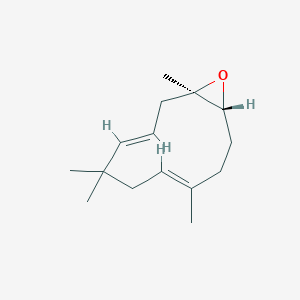
| The Content Variation of Natural Product Induced by Different Factor(s) | |||||||||||||||||||||||||||||||||||||||||||||||||||||||||||||||||||||||||||||||||||||||||
|---|---|---|---|---|---|---|---|---|---|---|---|---|---|---|---|---|---|---|---|---|---|---|---|---|---|---|---|---|---|---|---|---|---|---|---|---|---|---|---|---|---|---|---|---|---|---|---|---|---|---|---|---|---|---|---|---|---|---|---|---|---|---|---|---|---|---|---|---|---|---|---|---|---|---|---|---|---|---|---|---|---|---|---|---|---|---|---|---|---|
| Species Name: Artemisia campestris | |||||||||||||||||||||||||||||||||||||||||||||||||||||||||||||||||||||||||||||||||||||||||
| Factor Name: Locality Variation | [1] | ||||||||||||||||||||||||||||||||||||||||||||||||||||||||||||||||||||||||||||||||||||||||
| Experiment Detail |
The aerial parts (~20 cm, 15-100 g) of A. campestris L. from ten different wild populations of Lithuania were gathered at the full flowering stage. Plant material was dried at room temperature (20-25 ℃). Oils (samples 1-10) obtained from Artemisia campestris plants collected at sampling sites (A-I,Y) characterized by locality, city (c.) or district (d.), soil type (Or, ordo; Sn, sand; Sl, sandy loam; Gr, gravel; Lm, loam) and description of natural habitat (Af, abandoned field; Fe, forest edge; Ct, cutting area; Mw, meadow; Rs, roadside; Rv, river valley): A (1) Birstonas c. (Or, Ct); B (2) Palanga c. (Sn, Fe); C (3) Nociunai, Kedainai d. (Or, Mw); D (4) Alytus c. (Sl, Rs); E (5) Moletai c. (Lm, Af); F (6) Kaltanenai, Sencionys d. (Gr, Fe); G (7) Merkine, Alytus d. (Sl, Ct); H (8) Trakai c. (Gr, Af); I (9) Druskininkai c. (Or, Rv); Y (10) Vilnius c. (Gr, Af).
Click to Show/Hide
|
||||||||||||||||||||||||||||||||||||||||||||||||||||||||||||||||||||||||||||||||||||||||
| Factor Function |
The main chemical profile (ten samples) was characterized by the predominance of germacrene D (9.8-31.2%), while spathulenol, humulene epoxide II and caryophyllene oxide were found as the first major compounds in another three oils. One oil was determined as a mixed chemotype. Some compounds such as gamma-curcumene, alpha-cadinol, (E,E)-alpha-farnesene, beta-ylangene, beta-selinene and humulene epoxide II have been mentioned for the first time among three principal constituents in A. campestris oils. The fifty-six components made up 73.6.1-98.5% of the total content, while the remaining twenty-six volatile compounds were identified in insignificant amounts in the A. campestris essential oils.
Click to Show/Hide
|
||||||||||||||||||||||||||||||||||||||||||||||||||||||||||||||||||||||||||||||||||||||||
| Factor | Part | Location | NP Content | ||||||||||||||||||||||||||||||||||||||||||||||||||||||||||||||||||||||||||||||||||||||
|
Locality: Birstonas city, Lithuania (soil type: ordo; natural habitat: cutting area)
|
Aerial parts | Lithuania |
NP Content: 1.1 %
|
||||||||||||||||||||||||||||||||||||||||||||||||||||||||||||||||||||||||||||||||||||||
|
Locality: Palanga city, Lithuania (soil type: sand; natural habitat: forest edge)
|
Aerial parts | Lithuania |
NP Content: 1.9 %
|
||||||||||||||||||||||||||||||||||||||||||||||||||||||||||||||||||||||||||||||||||||||
|
Locality: Nociunai, Kedainai district, Lithuania (soil type: ordo; natural habitat: meadow)
|
Aerial parts | Lithuania |
NP Content: 0.3 %
|
||||||||||||||||||||||||||||||||||||||||||||||||||||||||||||||||||||||||||||||||||||||
|
Locality: Alytus city, Lithuania (soil type: sandy loam; natural habitat: roadside)
|
Aerial parts | Lithuania |
NP Content: 2.1 %
|
||||||||||||||||||||||||||||||||||||||||||||||||||||||||||||||||||||||||||||||||||||||
|
Locality: Moletai city, Lithuania (soil type: loam; natural habitat: abandoned field)
|
Aerial parts | Lithuania |
NP Content: 2.4 %
|
||||||||||||||||||||||||||||||||||||||||||||||||||||||||||||||||||||||||||||||||||||||
|
Locality: Kaltanenai, Sencionys district, Lithuania (soil type: gravel; natural habitat: forest edge)
|
Aerial parts | Lithuania |
NP Content: 0.9 %
|
||||||||||||||||||||||||||||||||||||||||||||||||||||||||||||||||||||||||||||||||||||||
|
Locality: Merkine, Alytus district, Lithuania (soil type: sandy loam; natural habitat: cutting area)
|
Aerial parts | Lithuania |
NP Content: 0.3 %
|
||||||||||||||||||||||||||||||||||||||||||||||||||||||||||||||||||||||||||||||||||||||
|
Locality: Trakai city, Lithuania (soil type: gravel; natural habitat: abandoned field)
|
Aerial parts | Lithuania |
NP Content: 0.6 %
|
||||||||||||||||||||||||||||||||||||||||||||||||||||||||||||||||||||||||||||||||||||||
|
Locality: Druskininkai city, Lithuania (soil type: ordo; natural habitat: river valley)
|
Aerial parts | Lithuania |
NP Content: 1.1 %
|
||||||||||||||||||||||||||||||||||||||||||||||||||||||||||||||||||||||||||||||||||||||
|
Locality: Vilnius city, Lithuania (soil type: gravel; natural habitat: abandoned field)
|
Aerial parts | Lithuania |
NP Content: 2.9 %
|
||||||||||||||||||||||||||||||||||||||||||||||||||||||||||||||||||||||||||||||||||||||
| Species Name: Artemisia nilagirica var. Septentrionalis | |||||||||||||||||||||||||||||||||||||||||||||||||||||||||||||||||||||||||||||||||||||||||
| Factor Name: Altitude Variation | [2] | ||||||||||||||||||||||||||||||||||||||||||||||||||||||||||||||||||||||||||||||||||||||||
| Experiment Detail |
Leaves from mature plants of Artemisia nilagirica var. septentrionalis, before flowering, were collected from different altitudes in Himachal Pradesh such as Shimla (2210 m), Mandi (1044 m) and Manali (2050 m) in June 2005.
Click to Show/Hide
|
||||||||||||||||||||||||||||||||||||||||||||||||||||||||||||||||||||||||||||||||||||||||
| Factor Function |
The major constituents of the oil show variation with changes in altitude. At lower, middle and higher altitudes, the major constituents of the oil were caryophyllene oxide (28.6%), borneol (35.8%) and camphor (46.9%), respectively. The percentages of alpha-humulene and trans-beta-guaiene also increased, but the percentage of sabinene, trans-sabinene hydrate, 4-terpineol, caryophyllene oxide and humulene epoxide-II decreased with an increase in altitude. The characteristic compounds observed in the plants from lower altitudes were 2-hexene-1-ol, beta-thujone, thujanol, myrtenol and linalyl acetate, while the higher altitude plants were characterized by the presence of alpha-pinene, beta-pinene, limonene, linalool, gamma-gurijunene, germacrene-D and farnesol.
Click to Show/Hide
|
||||||||||||||||||||||||||||||||||||||||||||||||||||||||||||||||||||||||||||||||||||||||
| Factor | Part | Location | NP Content | ||||||||||||||||||||||||||||||||||||||||||||||||||||||||||||||||||||||||||||||||||||||
|
Locality: Mandi, Himachal Pradesh, India; Altitude 1044 m
|
Leaves | Himachal Pradesh, India |
NP Content: 2.6 %
|
||||||||||||||||||||||||||||||||||||||||||||||||||||||||||||||||||||||||||||||||||||||
|
Locality: Manali, Himachal Pradesh, India; Altitude 2050 m
|
Leaves | Himachal Pradesh, India |
NP Content: 1.2 %
|
||||||||||||||||||||||||||||||||||||||||||||||||||||||||||||||||||||||||||||||||||||||
|
Locality: Shimla, Himachal Pradesh, India; Altitude 2210 m
|
Leaves | Himachal Pradesh, India |
NP Content: 1.2 %
|
||||||||||||||||||||||||||||||||||||||||||||||||||||||||||||||||||||||||||||||||||||||
| Species Name: Eugenia dysenterica | |||||||||||||||||||||||||||||||||||||||||||||||||||||||||||||||||||||||||||||||||||||||||
| Factor Name: Developmental Stage Variation | [3] | ||||||||||||||||||||||||||||||||||||||||||||||||||||||||||||||||||||||||||||||||||||||||
| Experiment Detail |
Unripe, semi-ripe, and ripe fruits of E. dysenterica were collected in rural area of Abadia de Goias city (S 16° 45′ 1″, W 49° 25′ 5″, 850 m), Goias State, Brazil, in October 2002.
Click to Show/Hide
|
||||||||||||||||||||||||||||||||||||||||||||||||||||||||||||||||||||||||||||||||||||||||
| Factor Function |
Limonene (25.8% and 24.6%), (E)-beta-ocimene (20.3% and 21.7%) and beta-pinene (12.0% and 14.2%) were the major compounds in the unripe and semi-ripe stages, respectively, while gamma-muurolene (25.8%), beta-caryophyllene (18.4%) and alpha-humulene (15.4%) became the major compounds in ripe fruits. The concentration of monoterpenes was high in the unripe and semi-ripe stages and decreased afterwards, while sesquiterpenes were intensively synthesized only in the last part of the ripening process.
Click to Show/Hide
|
||||||||||||||||||||||||||||||||||||||||||||||||||||||||||||||||||||||||||||||||||||||||
| Factor | Part | Location | NP Content | ||||||||||||||||||||||||||||||||||||||||||||||||||||||||||||||||||||||||||||||||||||||
|
Fruit: Semi-ripe fruit stage
|
Semi-ripe fruits | Brazil |
NP Content: 0.6 %
|
||||||||||||||||||||||||||||||||||||||||||||||||||||||||||||||||||||||||||||||||||||||
| Species Name: Lychnophora pinaster | |||||||||||||||||||||||||||||||||||||||||||||||||||||||||||||||||||||||||||||||||||||||||
| Factor Name: Seasonal Variation | [4] | ||||||||||||||||||||||||||||||||||||||||||||||||||||||||||||||||||||||||||||||||||||||||
| Experiment Detail |
Plants from Horto de Plantas Medicinais of Universidade Federal de Lavras (UFLA) were cultivated in the form of a randomized block with six replications in an experimental field at Setor de Horticultura, UFLA, in Lavras city (S 21° 14′, W 44° 59′, 920 m). Samples were collected four times at 3-month intervals from March to December 2004.
Click to Show/Hide
|
||||||||||||||||||||||||||||||||||||||||||||||||||||||||||||||||||||||||||||||||||||||||
| Factor Function |
There was a significant difference for oil contents in the different seasons. The lowest oil content was obtained in the summer (about 50% inferior to the other seasons). Methyl (E)-cinnamate was obtained as the major compound (86-90%) of the 14 identified components.
Click to Show/Hide
|
||||||||||||||||||||||||||||||||||||||||||||||||||||||||||||||||||||||||||||||||||||||||
| Factor | Part | Location | NP Content | ||||||||||||||||||||||||||||||||||||||||||||||||||||||||||||||||||||||||||||||||||||||
|
Harvesting time: Spring
|
Aerial parts | Brazil |
NP Content: 0.4 %
|
||||||||||||||||||||||||||||||||||||||||||||||||||||||||||||||||||||||||||||||||||||||
|
Harvesting time: Summer
|
Aerial parts | Brazil |
NP Content: 0.5 %
|
||||||||||||||||||||||||||||||||||||||||||||||||||||||||||||||||||||||||||||||||||||||
|
Harvesting time: Autumn
|
Aerial parts | Brazil |
NP Content: 0.5 %
|
||||||||||||||||||||||||||||||||||||||||||||||||||||||||||||||||||||||||||||||||||||||
|
Harvesting time: Winter
|
Aerial parts | Brazil |
NP Content: 0.4 %
|
||||||||||||||||||||||||||||||||||||||||||||||||||||||||||||||||||||||||||||||||||||||
| Species Name: Ocimum basilicum | |||||||||||||||||||||||||||||||||||||||||||||||||||||||||||||||||||||||||||||||||||||||||
| Factor Name: Variety Comparison | [5] | ||||||||||||||||||||||||||||||||||||||||||||||||||||||||||||||||||||||||||||||||||||||||
| Experiment Detail |
Aerial parts of Ocimum basilicum var. purpurascens Benth, Ocimum basilicum var. dianatnejadii Salimi at flowering stage were collected from plants grown in Experimental Station of Pykan Shahr, near Tehran. Elevation 1215 m above sea level, latitude 35° 42′ North, 51° 8′ East, average humidity 36% and climatic category semi-arid.
Click to Show/Hide
|
||||||||||||||||||||||||||||||||||||||||||||||||||||||||||||||||||||||||||||||||||||||||
| Factor Function |
Methyl chavicol (43.0%) and linalool (28.9%) were identified as the major compounds in the oil of O. basilicum var. purpurascens, while methyl chavicol (37.6%), linalool (33.4%) and alpha-cadinol (5.7%) were the major constituents in the oil of O. basilicum var. dianatnejadii.
Click to Show/Hide
|
||||||||||||||||||||||||||||||||||||||||||||||||||||||||||||||||||||||||||||||||||||||||
| Factor | Part | Location | NP Content | ||||||||||||||||||||||||||||||||||||||||||||||||||||||||||||||||||||||||||||||||||||||
|
Ocimum basilicum var. purpurascens Benth
|
Aerial parts | Iran |
NP Content: 0.7 %
|
||||||||||||||||||||||||||||||||||||||||||||||||||||||||||||||||||||||||||||||||||||||
| Species Name: Portenschlagiella ramosissima | |||||||||||||||||||||||||||||||||||||||||||||||||||||||||||||||||||||||||||||||||||||||||
| Factor Name: Developmental Stage Variation | [6] | ||||||||||||||||||||||||||||||||||||||||||||||||||||||||||||||||||||||||||||||||||||||||
| Experiment Detail |
Plant material was collected in October 2003. in Herceg Novi, Montenegro. The air-dried roots (54 g), seeds (73.5 g) and aerial parts during vegetative phase (V, 150 g) and aerial parts during flowering period (F, 110 g) of P. ramosissima were submitted for 3 h to water-distillation using a Clevenger type apparatus.
Click to Show/Hide
|
||||||||||||||||||||||||||||||||||||||||||||||||||||||||||||||||||||||||||||||||||||||||
| Factor Function |
In all the oils samples the main component was myristicin. In the root oil myristicin was present with 68.5%, in oil from aerial parts during vegetative phase, myristicin was present with 88.9%, while in oil from aerial parts during flowering period this component was present with 91.5%, in the seed oil myristicin was found with 61.1%. It can be seen that myristicin was the most abundant component in all oil samples that we investigated with very high percentage. But, it can also be seen that the season of plant collection influenced the oil characteristics. The highest content of myristicin was present in the oil sample isolated from plants collected during the flowering period (91.5%), than in oil isolated during the vegetative phase.
Click to Show/Hide
|
||||||||||||||||||||||||||||||||||||||||||||||||||||||||||||||||||||||||||||||||||||||||
| Factor | Part | Location | NP Content | ||||||||||||||||||||||||||||||||||||||||||||||||||||||||||||||||||||||||||||||||||||||
|
Aerial parts: vegetative stage
|
Aerial parts | Montenegro |
NP Content: 0.5 %
|
||||||||||||||||||||||||||||||||||||||||||||||||||||||||||||||||||||||||||||||||||||||
|
Aerial parts: flowering stage
|
Aerial parts | Montenegro |
NP Content: 0.7 %
|
||||||||||||||||||||||||||||||||||||||||||||||||||||||||||||||||||||||||||||||||||||||
|
Root: vegetative stage
|
Roots | Montenegro |
NP Content: 0.4 %
|
||||||||||||||||||||||||||||||||||||||||||||||||||||||||||||||||||||||||||||||||||||||
|
Seed: vegetative stage
|
Seeds | Montenegro |
NP Content: 0.4 %
|
||||||||||||||||||||||||||||||||||||||||||||||||||||||||||||||||||||||||||||||||||||||
| Species Name: Pulicaria dysenterica | |||||||||||||||||||||||||||||||||||||||||||||||||||||||||||||||||||||||||||||||||||||||||
| Factor Name: Locality Variation | [7] | ||||||||||||||||||||||||||||||||||||||||||||||||||||||||||||||||||||||||||||||||||||||||
| Experiment Detail |
Aerial parts of P. dysenterica were collected during the flowering stage from two different locations in Greece in August 2002. Sample A: Katara (Perfecture Trikala). Sample B: Arahova (Perfecture Viotia).
Click to Show/Hide
|
||||||||||||||||||||||||||||||||||||||||||||||||||||||||||||||||||||||||||||||||||||||||
| Factor Function |
Fifty-four components were identified representing 80.5% (sample A) and 72.6% (sample B) of the total oils. The main components in sample A were (Z)-nerolidol (11.2%), caryophyllene oxide (9.1%) and (E)-nerolidol (6.6%), while those of sample B were beta-caryophyllene (12.8%), caryophyllene oxide (12.8%) and (E)-nerolidol (6.9%).
Click to Show/Hide
|
||||||||||||||||||||||||||||||||||||||||||||||||||||||||||||||||||||||||||||||||||||||||
| Factor | Part | Location | NP Content | ||||||||||||||||||||||||||||||||||||||||||||||||||||||||||||||||||||||||||||||||||||||
|
Locality: Katara, Perfecture Trikala, Greece
|
Aerial parts | Greece |
NP Content: 1.4 %
|
||||||||||||||||||||||||||||||||||||||||||||||||||||||||||||||||||||||||||||||||||||||
|
Locality: Arahova, Perfecture Viotia, Greece
|
Aerial parts | Greece |
NP Content: 1.3 %
|
||||||||||||||||||||||||||||||||||||||||||||||||||||||||||||||||||||||||||||||||||||||
| Species Name: Rosmarinus officinalis | |||||||||||||||||||||||||||||||||||||||||||||||||||||||||||||||||||||||||||||||||||||||||
| Factor Name: Developmental Stage Variation | [8] | ||||||||||||||||||||||||||||||||||||||||||||||||||||||||||||||||||||||||||||||||||||||||
| Experiment Detail |
Samples of R. officinalis were collected in April 1998 during the full flowering period (Ro-1a), between June and July 1998 during the fruiting period (Ro-1b) and in December 1998 during the hibernation period (Ro-1c) from Cazorla, Segura y Las Villas Natural Park (province of Jaen, Spain). The plant material consisted of ca. 10 twigs per plant (with blossoming tips or not, depending of the harvesting date) from 5-10 single plants. Ro-1a (Location: Las Chozuelas, Altitude (m): 1150, Harvesting date: April 21, 1998, Phenological stage: Flowering); Ro-1b (Location: Las Chozuelas, Altitude (m): 1150, Harvesting date: June 19, 1998, Phenological stage: Fruiting); Ro-1c (Location: Las Chozuelas, Altitude (m): 1150, Harvesting date: December 30, 1998, Phenological stage: Hibernation).
Click to Show/Hide
|
||||||||||||||||||||||||||||||||||||||||||||||||||||||||||||||||||||||||||||||||||||||||
| Factor Function |
The highest oil yields (161.8%) were recorded during the fruiting period (summer). In general, minimum amounts of camphor and maximum amounts of alpha-pinene were observed in winter. The concentration of 1,8-cineole was almost constant throughout the year, though other oil constituent levels varied randomly with the plant life cycle
Click to Show/Hide
|
||||||||||||||||||||||||||||||||||||||||||||||||||||||||||||||||||||||||||||||||||||||||
| Factor | Part | Location | NP Content | ||||||||||||||||||||||||||||||||||||||||||||||||||||||||||||||||||||||||||||||||||||||
|
Whole plant: Flowering stage
|
Twigs | Las Chozuelas, Southern Spain |
NP Content: 0.2 %
|
||||||||||||||||||||||||||||||||||||||||||||||||||||||||||||||||||||||||||||||||||||||
|
Whole plant: Fruiting stage
|
Twigs | Las Chozuelas, Southern Spain |
NP Content: <0.1 %
|
||||||||||||||||||||||||||||||||||||||||||||||||||||||||||||||||||||||||||||||||||||||
|
Hibernation stage
|
Twigs | Las Chozuelas, Southern Spain |
NP Content: <0.1 %
|
||||||||||||||||||||||||||||||||||||||||||||||||||||||||||||||||||||||||||||||||||||||
| Species Name: Salvia aucheri | |||||||||||||||||||||||||||||||||||||||||||||||||||||||||||||||||||||||||||||||||||||||||
| Factor Name: Variety Comparison | [9] | ||||||||||||||||||||||||||||||||||||||||||||||||||||||||||||||||||||||||||||||||||||||||
| Experiment Detail |
S. aucheri var. aucheri was collected in Karaman: Ermenek to Mutt Road on July 19,1995; Salvia aucheri var. canescens was collected in Karaman: Ermenek, Tekecati Valley on July 19,1995.
Click to Show/Hide
|
||||||||||||||||||||||||||||||||||||||||||||||||||||||||||||||||||||||||||||||||||||||||
| Factor Function |
Eighty components were characterized in the Salvia aucheri var. aucheri oil, with camphor (21.1%), 1, 8-cineole (20.3%), borneol (7.8%), spathulenol (6.3%) and camphene (5.3%) as major constituents. 1, 8-Cineole (25.2%), camphor (17.9%), borneol (10.6%), alpha-pinene (5.4%) and camphene (5.3%) were identified as major constituents among the 88 components characterized in the oil of Salvia aucheri var. canescens.
Click to Show/Hide
|
||||||||||||||||||||||||||||||||||||||||||||||||||||||||||||||||||||||||||||||||||||||||
| Factor | Part | Location | NP Content | ||||||||||||||||||||||||||||||||||||||||||||||||||||||||||||||||||||||||||||||||||||||
|
Salvia aucheri var. aucheri
|
Aerial parts | Karaman, Turkey |
NP Content: 0.5 %
|
||||||||||||||||||||||||||||||||||||||||||||||||||||||||||||||||||||||||||||||||||||||
|
Salvia aucheri var. canescens
|
Aerial parts | Karaman, Turkey |
NP Content: 0.2 %
|
||||||||||||||||||||||||||||||||||||||||||||||||||||||||||||||||||||||||||||||||||||||
| Species Name: Talauma ovata | |||||||||||||||||||||||||||||||||||||||||||||||||||||||||||||||||||||||||||||||||||||||||
| Factor Name: Month Variation | [10] | ||||||||||||||||||||||||||||||||||||||||||||||||||||||||||||||||||||||||||||||||||||||||
| Experiment Detail |
Talauma ovata was collected from October 2003 to February 2005. Leaves and trunk bark from the same set of plants were collected in the four seasons: spring (October 15th, 2003), autumn (April 10th, 2004), winter (July 17th, 2004) and summer (February 15th, 2005). In addition, trunk bark was also collected on January 22nd, 2004 (summer). The plant material was harvested from wild-growing population in Santos Dumont City, Minas Gerais State, Brazil, (21° 28′ 03″ S, 43° 39′ 26″ W), at 1000 m of altitude.
Click to Show/Hide
|
||||||||||||||||||||||||||||||||||||||||||||||||||||||||||||||||||||||||||||||||||||||||
| Factor Function |
In each season the composition of trunk bark oils was similar to leaf oils, with mainly quantitative differences. However considerable seasonal variation was observed. Significant levels of monoterpenes were found only in autumn. The content of oxygenated sesquiterpenes was highest in samples of spring (October) and decreased in summer (January and February), reaching the lowest level in autumn (April) and increasing again in winter (July). In trunk bark oils the main constituents were: spathulenol, alpha-eudesmol, linalool, trans-beta-guaiene and caryophyllene oxide. The major component in all samples of trunk bark was spathulenol. Its level was highest in October (46.8%), decreased in January (33.3%), remained stable in April and July (18.0%) and increased again in February of next year (27.7%). Levels of alpha-eudesmol were high in spring (13.0%) and autumn (11.5%). Linalool peaked only in April, while trans-beta-guaiane peaked in July (11.1%). Caryophyllene oxide ranged between 10.7-2.0%. The level was highest in January, decreased regularly until July and increased slightly again in October. In leaf oils the main components were: spathulenol, germacrene B, germacrene D, caryophyllene oxide and viridiflorol. Spathulenol was the major component in sample of spring (34.4%), but decreased gradually until winter, when reached the lowest level (9.4%). Caryophyllene oxide showed a similar pattern, varying from 14.1% (spring) to 2.4% (winter). An inverse effect was observed for viridiflorol, which increased from 0.1% in October to 13.7% in July. Important levels of alpha-eudesmol were observed in October (12.3%) and February (9.5%). The percentage of germacrene D was highest in summer, while germacrene B showed high amounts in autumn and winter. The seasonal changes in oil composition of T. ovata can be associated with cycle of life of plant (flowering, fruiting and vegetative stages) and climatic parameters such as intense raining in the spring and summer.
Click to Show/Hide
|
||||||||||||||||||||||||||||||||||||||||||||||||||||||||||||||||||||||||||||||||||||||||
| Factor | Part | Location | NP Content | ||||||||||||||||||||||||||||||||||||||||||||||||||||||||||||||||||||||||||||||||||||||
|
Leaf: (Harvesting time: February)
|
Leaves | Brazil |
NP Content: 4.8 %
|
||||||||||||||||||||||||||||||||||||||||||||||||||||||||||||||||||||||||||||||||||||||
|
Leaf: (Harvesting time: April)
|
Leaves | Brazil |
NP Content: 1.2 %
|
||||||||||||||||||||||||||||||||||||||||||||||||||||||||||||||||||||||||||||||||||||||
|
Leaf: (Harvesting time: July)
|
Leaves | Brazil |
NP Content: 0.6 %
|
||||||||||||||||||||||||||||||||||||||||||||||||||||||||||||||||||||||||||||||||||||||
|
Leaf: (Harvesting time: October)
|
Leaves | Brazil |
NP Content: 5.3 %
|
||||||||||||||||||||||||||||||||||||||||||||||||||||||||||||||||||||||||||||||||||||||
|
Trunk Bark: (Harvesting time: January)
|
Trunk bark | Brazil |
NP Content: 1.8 %
|
||||||||||||||||||||||||||||||||||||||||||||||||||||||||||||||||||||||||||||||||||||||
|
Trunk Bark: (Harvesting time: February)
|
Trunk bark | Brazil |
NP Content: 4.2 %
|
||||||||||||||||||||||||||||||||||||||||||||||||||||||||||||||||||||||||||||||||||||||
|
Trunk Bark: (Harvesting time: July)
|
Trunk bark | Brazil |
NP Content: 0.9 %
|
||||||||||||||||||||||||||||||||||||||||||||||||||||||||||||||||||||||||||||||||||||||
|
Trunk Bark: (Harvesting time: October)
|
Trunk bark | Brazil |
NP Content: 1.8 %
|
||||||||||||||||||||||||||||||||||||||||||||||||||||||||||||||||||||||||||||||||||||||
| Species Name: Teucrium chamaedrys | |||||||||||||||||||||||||||||||||||||||||||||||||||||||||||||||||||||||||||||||||||||||||
| Factor Name: Locality Variation | [11] | ||||||||||||||||||||||||||||||||||||||||||||||||||||||||||||||||||||||||||||||||||||||||
| Experiment Detail |
The aerial parts of T. chamaedrys were collected at the flowering stage in June 2004 near Corti, Corsica, France and near Oristano, Sardinia, Italy
Click to Show/Hide
|
||||||||||||||||||||||||||||||||||||||||||||||||||||||||||||||||||||||||||||||||||||||||
| Factor Function |
The Corsican and Sardinian oils of T. chamaedrys investigated in this study were qualitatively similar but they differed by the amount of their major components. The major components were beta-caryophyllene (29.0% and 27.4%, respectively) and germacrene D (19.4% and 13.5%, respectively), followed by alpha-humulene (6.8%) and delta-cadinene (5.4%) in the Corsican oil and by caryophyllene oxide (12.3%) and alpha-humulene (6.5%) in the Sardinian oil. These quantitative differences are also noticeable on the amounts of the different class compounds. Especially, the monoterpene hydrocarbons amounted for 10.3% and 4.1% in Sardinian and Corsican oils respectively and the oxygenated sesquiterpenes amounted for 18.9% and only 7.4% in both oils, respectively. Both oils were qualitatively rather similar in comparison with those reported in the literature from various geographic regions. However, among the 87 components identified in this study, 47 minor components (< 0.6%) reported were identified for the first time in T. chamaedrys oil. This study confirms the quantitative variability of the major components according to the plant origin.
Click to Show/Hide
|
||||||||||||||||||||||||||||||||||||||||||||||||||||||||||||||||||||||||||||||||||||||||
| Factor | Part | Location | NP Content | ||||||||||||||||||||||||||||||||||||||||||||||||||||||||||||||||||||||||||||||||||||||
|
Locality: Corti, Corsica, France
|
Aerial parts | France |
NP Content: 0.6 %
|
||||||||||||||||||||||||||||||||||||||||||||||||||||||||||||||||||||||||||||||||||||||
|
Locality: Oristano, Sardinia, Italy
|
Aerial parts | Italy |
NP Content: 2.4 %
|
||||||||||||||||||||||||||||||||||||||||||||||||||||||||||||||||||||||||||||||||||||||
| Species Name: Thymus striatus | |||||||||||||||||||||||||||||||||||||||||||||||||||||||||||||||||||||||||||||||||||||||||
| Factor Name: Locality Variation | [12] | ||||||||||||||||||||||||||||||||||||||||||||||||||||||||||||||||||||||||||||||||||||||||
| Experiment Detail |
Aerial parts of the plant were collected from four localities: A = Kirklareli: Karadere in May 1991; B = Kirklareli: Karahamza Village in May 1990; C = Kirklareli: Evciler Village on 13 June 1993; D = Kirklareli: Korukoy on 25 May 1994
Click to Show/Hide
|
||||||||||||||||||||||||||||||||||||||||||||||||||||||||||||||||||||||||||||||||||||||||
| Factor Function |
The four oils obtained from plants collected in different localities of the same region gave quite different compositions as follows: A: thymol (10.5%), 1,8-cineole (9.96%), p-cymene (9.48%), carvacrol (5.28%); B: beta-caryophyllene (29.50%), carvacrol(20.59%); C: thymol (34.7%), beta-caryophyllene (12.74%), carvacrol (5.24%); D: beta-caryophyllene (56.48%), germacrene D (11.12%), carvacrol (4.85%). Since the identities of the plant materials were checked repeatedly, any misidentification is ruled out. Except for A and C, all the other materials showed beta-caryophyllene as the major constituent. Carvacrol (20.59%) was present in good amount in the oil of B. In A, however, high percentages of 1,8-cineole (10%) and p-cymene (9.5%) were significant. This oil contained only a trace amount of beta-caryophyllene. Four isomeric caryophyllene alcohols were detected in the oil B. The results clearly indicate that the oil of T. striatus var. interruptus has no consistency and we can safely suggest that there are at least three chemotypes, namely thymol/1,8-cineole/p-cymene-type; thymol/beta-caryophyllene-type; and beta-caryophyllene-type, of this species.
Click to Show/Hide
|
||||||||||||||||||||||||||||||||||||||||||||||||||||||||||||||||||||||||||||||||||||||||
| Factor | Part | Location | NP Content | ||||||||||||||||||||||||||||||||||||||||||||||||||||||||||||||||||||||||||||||||||||||
|
Locality: Karahamza Village, Kirklareli, Turkey
|
Aerial parts | Kirklareli, Turkey |
NP Content: 0.2 %
|
||||||||||||||||||||||||||||||||||||||||||||||||||||||||||||||||||||||||||||||||||||||
|
Locality: Evciler Village, Kirklareli, Turkey
|
Aerial parts | Kirklareli, Turkey |
NP Content: 0.1 %
|
||||||||||||||||||||||||||||||||||||||||||||||||||||||||||||||||||||||||||||||||||||||
