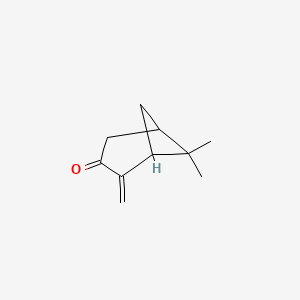
| The Content Variation of Natural Product Induced by Different Factor(s) | |||||||||||||||||||||||||||||||||||||||||||||||||||||||||||||||||||||||||||||||||||||||||
|---|---|---|---|---|---|---|---|---|---|---|---|---|---|---|---|---|---|---|---|---|---|---|---|---|---|---|---|---|---|---|---|---|---|---|---|---|---|---|---|---|---|---|---|---|---|---|---|---|---|---|---|---|---|---|---|---|---|---|---|---|---|---|---|---|---|---|---|---|---|---|---|---|---|---|---|---|---|---|---|---|---|---|---|---|---|---|---|---|---|
| Species Name: Artemisia annua | |||||||||||||||||||||||||||||||||||||||||||||||||||||||||||||||||||||||||||||||||||||||||
| Factor Name: Cultivar Comparison | [1] | ||||||||||||||||||||||||||||||||||||||||||||||||||||||||||||||||||||||||||||||||||||||||
| Experiment Detail |
Populations of A. annua cultivar 'Jeevanraksha' and accession Suraksha were grown in the experimental field plot of the Institute at New Delhi. The seeds were sown in January 2004, seedlings transplanted in late February 2004 and aerial parts (flowers, leaves and stems from the upper 0.5 m of crop canopy) sampled in late October 2004.
Click to Show/Hide
|
||||||||||||||||||||||||||||||||||||||||||||||||||||||||||||||||||||||||||||||||||||||||
| Factor Function |
Ninety-seven compounds comprising 91.3% of the total oil of 'Jeevanraksha' were identified. Forty-three monoterpenes (56.6%), 32 sesquiterpenes (31.1%), and 2 diterpenes (0.2%) comprised bulk of the oil (87.9%). The oil was devoid of artemisia ketone and contained camphor (13.5%), 1,8-cineole (9.4%), trans-sabinol (7.1%), p-mentha-1(7), 5-dien-2-ol (6.3%), myrcene (4.7%), germacrene D (4.4%), (E)-beta-farnesene (3.9%), beta-caryophyllene (3.7%), dihydroartemisinic lactone (3.0%) and p-cymene (2.0%) as the major constituents. Eighty-six compounds representing 93.3% of the composition were identified in the Suraksha oil. This oil contained artemisia ketone (47%), 1,8-cineole (8.4%), camphor (5.9%) and alpha-pinene (5.2%) as the major components.
Click to Show/Hide
|
||||||||||||||||||||||||||||||||||||||||||||||||||||||||||||||||||||||||||||||||||||||||
| Factor | Part | Location | NP Content | ||||||||||||||||||||||||||||||||||||||||||||||||||||||||||||||||||||||||||||||||||||||
|
Artemisia annua accessions Suraksha
|
Aerial parts | India |
NP Content: 0.3 %
|
||||||||||||||||||||||||||||||||||||||||||||||||||||||||||||||||||||||||||||||||||||||
|
Artemisia annua cv. Jeevanraksha
|
Aerial parts | India |
NP Content: 0.5 %
|
||||||||||||||||||||||||||||||||||||||||||||||||||||||||||||||||||||||||||||||||||||||
| Species Name: Artemisia ferganensis | |||||||||||||||||||||||||||||||||||||||||||||||||||||||||||||||||||||||||||||||||||||||||
| Factor Name: Developmental Stage Variation | [2] | ||||||||||||||||||||||||||||||||||||||||||||||||||||||||||||||||||||||||||||||||||||||||
| Experiment Detail |
The leaves of aerial parts were collected in Heshuo county of Xinjiang province in China in July 2003 (a vegetative stage), June 2003 (a budding stage); and August 2003 (a flowering stage), respectively.
Click to Show/Hide
|
||||||||||||||||||||||||||||||||||||||||||||||||||||||||||||||||||||||||||||||||||||||||
| Factor Function |
Only 23 constituents were present at the budding stage, while 24 and 26 at the flowering and vegetative stages, respectively. p-Cymene and gamma-terpinene were not detected at the vegetative stage of the plant. During the budding stage, butyric, beta-caryophyllene, geranyl acetate and cis-jasmone could not be detected. Benzaldehyde was observed only at the vegetative stage. Variations were also observed in quantity. In all cases the analyzed oils were characterized by the high concentration of alpha-thujone, ranging in amount from 37.0% at the vegetative stage to 54.8% at the budding stage. The concentration of alpha-thujone at the flowering stage (49.0%) was lower than the budding stage, but higher than the vegetative stage. The concentration of cis-chrysanthenyl acetate varied between 23.5% and 7.2%, respectively, at the vegetative and budding stages. At the vegetative stage the concentration of 1,8-cineole was observed to be the lowest. It was highest at the budding stage, representing 10.4%, then decreased gradually to 8.8% at the flowering stage. The concentration of beta-thujone was relatively low at the vegetative stage, representing 8.6%, and then increased to 10.5% at the budding stage. When flowers appeared it was found to vary a little. Finally, the concentration of sabinyl acetate ranged from 10.2% (vegetative stage) to 6.5% (flowering stage).
Click to Show/Hide
|
||||||||||||||||||||||||||||||||||||||||||||||||||||||||||||||||||||||||||||||||||||||||
| Factor | Part | Location | NP Content | ||||||||||||||||||||||||||||||||||||||||||||||||||||||||||||||||||||||||||||||||||||||
|
Vegetative stage
|
Leaves | Heshuo, Xinjiang, China |
NP Content: 0.2 %
|
||||||||||||||||||||||||||||||||||||||||||||||||||||||||||||||||||||||||||||||||||||||
|
Budding stage
|
Leaves | Heshuo, Xinjiang, China |
NP Content: 0.2 %
|
||||||||||||||||||||||||||||||||||||||||||||||||||||||||||||||||||||||||||||||||||||||
|
Aerial part: Flowering stage
|
Leaves | Heshuo, Xinjiang, China |
NP Content: 0.2 %
|
||||||||||||||||||||||||||||||||||||||||||||||||||||||||||||||||||||||||||||||||||||||
| Species Name: Artemisia verlotiorum | |||||||||||||||||||||||||||||||||||||||||||||||||||||||||||||||||||||||||||||||||||||||||
| Factor Name: Developmental Stage Variation | [3] | ||||||||||||||||||||||||||||||||||||||||||||||||||||||||||||||||||||||||||||||||||||||||
| Experiment Detail |
Plant material of A. verlotiorum was harvested near Marseille (France) in May (before blooming) and November (full flowering) 2000.
Click to Show/Hide
|
||||||||||||||||||||||||||||||||||||||||||||||||||||||||||||||||||||||||||||||||||||||||
| Factor Function |
For the oil from the vegetative plants, 50 compounds, representing 99.8% of the oil were characterized. Fifty-nine compounds, representing 99.6% of the oil were identified in the oil from flowering plants. In both cases, the constituents were mainly oxygenated monoterpenes (74% and 88%). The composition of each oil showed only a few differences, as the main components were alpha-thujone (55% and 44%), 1,8-cineole (5% and 15%), beta-caryophyllene (13% and 7%) and beta-thujone (5% and 11%), in the oils of the vegetative plant and flowering plant, respectively. The proportions of the oxygenated compounds seemed to increase during flowering.
Click to Show/Hide
|
||||||||||||||||||||||||||||||||||||||||||||||||||||||||||||||||||||||||||||||||||||||||
| Factor | Part | Location | NP Content | ||||||||||||||||||||||||||||||||||||||||||||||||||||||||||||||||||||||||||||||||||||||
|
Aerial part: before blooming stage
|
Aerial parts | Marseille, France |
NP Content: 0.7 %
|
||||||||||||||||||||||||||||||||||||||||||||||||||||||||||||||||||||||||||||||||||||||
|
Aerial part: full flowering stage
|
Aerial parts | Marseille, France |
NP Content: 1 %
|
||||||||||||||||||||||||||||||||||||||||||||||||||||||||||||||||||||||||||||||||||||||
| Species Name: Baccharis spartioides | |||||||||||||||||||||||||||||||||||||||||||||||||||||||||||||||||||||||||||||||||||||||||
| Factor Name: Altitude Variation | [4] | ||||||||||||||||||||||||||||||||||||||||||||||||||||||||||||||||||||||||||||||||||||||||
| Experiment Detail |
Aerial parts of endemic pichana were harvested in December 1996 at different localities of northern Patagonia. Origin: Planicie Banderita, Dept. Confluencia, Province of NeuquCn. Habitat: altitude, 327 m; average temperature in the station, 21.8 ℃; annual precipitation, 125 mm; sandy soils. Aerial parts (5 kg, 2 kg of dried material;humidity, 11%) from four well developed plants at the fullflowering stage (December, 1996). Sample 2 : Origin: RincBn de 10s; Sauces, Dept. of Pehuenclies, Province of Neuqukn. Habitat: altitude, 750 m; average temperature in the station, 20.9 ℃; annual precipitation, 147 mm; sandy and gritty salty soils. Aerial parts (5 kg, 1.85 kg of dried material, humidity, 10%), from two well developed plants at the full flowering stage, and after several days copious rains (December, 1996). Sample 3: Origin: Coronel GBmez, Dept. General Roca, Province of Rio Negro. Habitat: altitude, 242 m; average temperature in the station, 22.5 ℃; annual precipitation, 179 mm; sandy and stony soils. Aerial parts (4.5 kg, 1.3 kg of dried material, humidity, 9%), from 12 young plants at the beginning flowering stage (December, 1996).
Click to Show/Hide
|
||||||||||||||||||||||||||||||||||||||||||||||||||||||||||||||||||||||||||||||||||||||||
| Factor Function |
Fifty-four components, representing approximately 84.6-97.4% of the oil samples, were identified. The samples consisted mainly of hydrocarbons and oxygenated monoterpenes. The major constituents were limonene (28.7-56.7%), 6R-7R-bisabolone (3.2-9.1%), sabinene (0.1-11.0%) and citronellal (2.4-5.2%). Significant differences among the content of the three samples could be the result of changes in the climatic conditions (sample 2: Rincon de los Sauces, Province of Neuquen, after strong rains) or by translocations in different parts of the plant (sample 3: Coronel Gomez, Province of Rio Negro, more leaves and less stems).
Click to Show/Hide
|
||||||||||||||||||||||||||||||||||||||||||||||||||||||||||||||||||||||||||||||||||||||||
| Factor | Part | Location | NP Content | ||||||||||||||||||||||||||||||||||||||||||||||||||||||||||||||||||||||||||||||||||||||
|
Locality: Planicie Banderita, Province of Neuquen; Altitude 327 m
|
Aerial parts | Patagonia, Argentina |
NP Content: 0.1 %
|
||||||||||||||||||||||||||||||||||||||||||||||||||||||||||||||||||||||||||||||||||||||
|
Locality: Rincon de los Sauces, Province of Neuquen; Altitude 750 m
|
Aerial parts | Patagonia, Argentina |
NP Content: 0.1 %
|
||||||||||||||||||||||||||||||||||||||||||||||||||||||||||||||||||||||||||||||||||||||
|
Locality: Coronel Gomez, Province of Rio Negro; Altitude 242 m
|
Aerial parts | Patagonia, Argentina |
NP Content: 0.4 %
|
||||||||||||||||||||||||||||||||||||||||||||||||||||||||||||||||||||||||||||||||||||||
| Species Name: Callistemon salignus | |||||||||||||||||||||||||||||||||||||||||||||||||||||||||||||||||||||||||||||||||||||||||
| Factor Name: Locality Variation | [5] | ||||||||||||||||||||||||||||||||||||||||||||||||||||||||||||||||||||||||||||||||||||||||
| Experiment Detail |
Fresh leaf samples of C. salignus were collected on the campus of University of Zululand, KwaDlangezwa and Empangeni (Both in KwaZulu-Natal Province) , South Africa.
Click to Show/Hide
|
||||||||||||||||||||||||||||||||||||||||||||||||||||||||||||||||||||||||||||||||||||||||
| Factor Function |
1,8-Cineole (63.4%), alpha-pinene (17.8%) and E-(beta)-ocimene (6.7%) were the major constituents identified in the KwaDlangezwa sample (Sample A). The Empangeni sample (Sample B) contained only 1,8-cineole (85.4%) and alpha-pinene (6.2%) as the main compounds present in the oil.
Click to Show/Hide
|
||||||||||||||||||||||||||||||||||||||||||||||||||||||||||||||||||||||||||||||||||||||||
| Factor | Part | Location | NP Content | ||||||||||||||||||||||||||||||||||||||||||||||||||||||||||||||||||||||||||||||||||||||
|
Locality: Empangeni, KwaZulu-Natal Province, South Africa
|
Leaves | South Africa |
NP Content: 0.3 %
|
||||||||||||||||||||||||||||||||||||||||||||||||||||||||||||||||||||||||||||||||||||||
|
Locality: KwaDlangezwa, KwaZulu-Natal Province, South Africa
|
Leaves | South Africa |
NP Content: <0.05 %
|
||||||||||||||||||||||||||||||||||||||||||||||||||||||||||||||||||||||||||||||||||||||
| Species Name: Chamaemelum nobile | |||||||||||||||||||||||||||||||||||||||||||||||||||||||||||||||||||||||||||||||||||||||||
| Factor Name: Locality Variation | [6] | ||||||||||||||||||||||||||||||||||||||||||||||||||||||||||||||||||||||||||||||||||||||||
| Experiment Detail |
Two different Roman chamomile oils were obtained from Giardino Officinale in Casola Valsenio (RA - Italy). One oil was distilled from chamomile plants grown in the Emilia-Romagna region (E), and the other one came from the Piemonte region (P) in Northern Italy
Click to Show/Hide
|
||||||||||||||||||||||||||||||||||||||||||||||||||||||||||||||||||||||||||||||||||||||||
| Factor Function |
No significant differences were found in the composition of the two oils which were characterized by a high content of isobutyl angelate (36.3-38.5%), 2-methylbutyl angelate (18.2-20.3%) and other angelate esters.
Click to Show/Hide
|
||||||||||||||||||||||||||||||||||||||||||||||||||||||||||||||||||||||||||||||||||||||||
| Factor | Part | Location | NP Content | ||||||||||||||||||||||||||||||||||||||||||||||||||||||||||||||||||||||||||||||||||||||
|
Locality: Emilia-Romagna region, Italy
|
Whole plant | Italy |
NP Content: 4.1 %
|
||||||||||||||||||||||||||||||||||||||||||||||||||||||||||||||||||||||||||||||||||||||
|
Locality: Piemonte region, Italy
|
Whole plant | Italy |
NP Content: 4.5 %
|
||||||||||||||||||||||||||||||||||||||||||||||||||||||||||||||||||||||||||||||||||||||
| Species Name: Cistus ladanifer | |||||||||||||||||||||||||||||||||||||||||||||||||||||||||||||||||||||||||||||||||||||||||
| Factor Name: Locality Variation | [7] | ||||||||||||||||||||||||||||||||||||||||||||||||||||||||||||||||||||||||||||||||||||||||
| Experiment Detail |
Cistus ladanifer was collected from two sites, in July-August 2001, after the flowering season. The major quantity was brought from the wild, where the plant was growing in the mountainous region of the center-interior of the country (site 1). A smaller amount was harvested from a cultivated plant in the north of Portugal (site 2) that was propagated from a wild plant found in the dry plain region in the South of Portugal.
Click to Show/Hide
|
||||||||||||||||||||||||||||||||||||||||||||||||||||||||||||||||||||||||||||||||||||||||
| Factor Function |
Considering the oil composition of cistus plants from different sites, there were found some differences. The cistus oil of site 2 had a high content on the ocimenone isomers, an absence of trans-pinocarveol and unknown (compound 17) and a higher quantity of less volatile compounds such as sclareol oxide and 15-nor-labdan-8-ol. Cistus oil from site 1 was richer in sesquiterpene alcohols and 2,2,6-trimethylcyclohexanone. The amount of ambrox was the same for both oils. Considering the use of fresh or dry plant, the composition of cistus from site 2 was more affected, decreasing the amount of components of middle to high volatility and increasing the amount of the less volatiles. Drying promoted the doubling of the amount of ocimenone isomers in cistus oil from site 2 and of unknown (compound 21) and sesquiperpene alcohol (compound 29) in cistus from site 1. Again the quantity of ambrox was the same for both oils.
Click to Show/Hide
|
||||||||||||||||||||||||||||||||||||||||||||||||||||||||||||||||||||||||||||||||||||||||
| Factor | Part | Location | NP Content | ||||||||||||||||||||||||||||||||||||||||||||||||||||||||||||||||||||||||||||||||||||||
|
Fresh plant: (Locality: center-interior of Portugal)
|
Leaves and branches | Portugal |
NP Content: 1.7 %
|
||||||||||||||||||||||||||||||||||||||||||||||||||||||||||||||||||||||||||||||||||||||
|
Fresh plant: (Locality: north of Portugal)
|
Leaves and branches | Portugal |
NP Content: 0.7 %
|
||||||||||||||||||||||||||||||||||||||||||||||||||||||||||||||||||||||||||||||||||||||
|
Dry plant: (Locality: center-interior of Portugal)
|
Leaves and branches | Portugal |
NP Content: 1.1 %
|
||||||||||||||||||||||||||||||||||||||||||||||||||||||||||||||||||||||||||||||||||||||
| Species Name: Eucalyptus camaldulensis | |||||||||||||||||||||||||||||||||||||||||||||||||||||||||||||||||||||||||||||||||||||||||
| Factor Name: Variety Comparison | [8] | ||||||||||||||||||||||||||||||||||||||||||||||||||||||||||||||||||||||||||||||||||||||||
| Experiment Detail |
Fresh leaves of the E. camaldulensis varieties(var. mysore and var. Catharine) were collected from 12 mature trees growing in Agodi Gardens, Ibadan, Nigeria.
Click to Show/Hide
|
||||||||||||||||||||||||||||||||||||||||||||||||||||||||||||||||||||||||||||||||||||||||
| Factor Function |
The quantitatively significant constituents in die leaf oil of the two E. camaldulensis varieties were beta-pinene (9.0-17.5%), 1,8-cineole (32.8-70.4%), (Z)-beta-ocimene (11.6%) and alpha-pinene (8.8%). Monoterpenoids also made up the bulk of the two volatile oils (89.0-95.7%).
Click to Show/Hide
|
||||||||||||||||||||||||||||||||||||||||||||||||||||||||||||||||||||||||||||||||||||||||
| Factor | Part | Location | NP Content | ||||||||||||||||||||||||||||||||||||||||||||||||||||||||||||||||||||||||||||||||||||||
|
Eucalyptus camaldulensis var. mysore
|
Leaves | Nigeria |
NP Content: 0.2 %
|
||||||||||||||||||||||||||||||||||||||||||||||||||||||||||||||||||||||||||||||||||||||
| Species Name: Eucalyptus grandis | |||||||||||||||||||||||||||||||||||||||||||||||||||||||||||||||||||||||||||||||||||||||||
| Factor Name: Seasonal Variation | [9] | ||||||||||||||||||||||||||||||||||||||||||||||||||||||||||||||||||||||||||||||||||||||||
| Experiment Detail |
Eucalyptus urophylla and E. grandis were collected in January (summer) and August (winter) 2006 at the mature vegetative state from Goiania city Brazil, and identified by one of the authors (E.P.F.). Leaves from 5-11 randomized individual plants of the same age representing the local population were collected as homogenous samples in each season, dried at room temperature.
Click to Show/Hide
|
||||||||||||||||||||||||||||||||||||||||||||||||||||||||||||||||||||||||||||||||||||||||
| Factor Function |
The results were submitted to Principal Components and Clusters Analysis which enabled four groups of oils to be distinguished with regard to specimens and harvest seasons: clusters I and II with only E. grandis samples collected in the cold and dry winter and the hot and humid summer, which were characterized by a high percentage of isoleptospermone (9.6% and 13.2%), alpha-pinene (12.2% and 24.7%), p-cymene (20.5% and 14.5%), and alpha-terpineol (14.3% and 4.9%), respectively; clusters III and IV only associated with E. urophylla samples collected in summer and winter with 1,8-cineole (36.6% and 44.7%) and alpha-terpinyl acetate (7.0% and 11.7%) rich oils.
Click to Show/Hide
|
||||||||||||||||||||||||||||||||||||||||||||||||||||||||||||||||||||||||||||||||||||||||
| Factor | Part | Location | NP Content | ||||||||||||||||||||||||||||||||||||||||||||||||||||||||||||||||||||||||||||||||||||||
|
Harvesting time: Winter
|
Whole plant | Brazil |
NP Content: 0.1 %
|
||||||||||||||||||||||||||||||||||||||||||||||||||||||||||||||||||||||||||||||||||||||
| Species Name: Eucalyptus urophylla | |||||||||||||||||||||||||||||||||||||||||||||||||||||||||||||||||||||||||||||||||||||||||
| Factor Name: Seasonal Variation | [9] | ||||||||||||||||||||||||||||||||||||||||||||||||||||||||||||||||||||||||||||||||||||||||
| Experiment Detail |
Eucalyptus urophylla and E. grandis were collected in January (summer) and August (winter) 2006 at the mature vegetative state from Goiania city Brazil, and identified by one of the authors (E.P.F.). Leaves from 5-11 randomized individual plants of the same age representing the local population were collected as homogenous samples in each season, dried at room temperature.
Click to Show/Hide
|
||||||||||||||||||||||||||||||||||||||||||||||||||||||||||||||||||||||||||||||||||||||||
| Factor Function |
The results were submitted to Principal Components and Clusters Analysis which enabled four groups of oils to be distinguished with regard to specimens and harvest seasons: clusters I and II with only E. grandis samples collected in the cold and dry winter and the hot and humid summer, which were characterized by a high percentage of isoleptospermone (9.6% and 13.2%), alpha-pinene (12.2% and 24.7%), p-cymene (20.5% and 14.5%), and alpha-terpineol (14.3% and 4.9%), respectively; clusters III and IV only associated with E. urophylla samples collected in summer and winter with 1,8-cineole (36.6% and 44.7%) and alpha-terpinyl acetate (7.0% and 11.7%) rich oils.
Click to Show/Hide
|
||||||||||||||||||||||||||||||||||||||||||||||||||||||||||||||||||||||||||||||||||||||||
| Factor | Part | Location | NP Content | ||||||||||||||||||||||||||||||||||||||||||||||||||||||||||||||||||||||||||||||||||||||
|
Harvesting time: Summer
|
Whole plant | Brazil |
NP Content: 0.1 %
|
||||||||||||||||||||||||||||||||||||||||||||||||||||||||||||||||||||||||||||||||||||||
| Species Name: Fragaria vesca | |||||||||||||||||||||||||||||||||||||||||||||||||||||||||||||||||||||||||||||||||||||||||
| Factor Name: Cultivar Comparison | [10] | ||||||||||||||||||||||||||||||||||||||||||||||||||||||||||||||||||||||||||||||||||||||||
| Experiment Detail |
Whole leaves and inflorescences of two wild strawberry cultivars ('Rugia' and 'Baron von Solemacher') harvested in 2008 during the agrotechnical experiment performed by Department of Vegetable and Medicinal Plants, University of Life Sciences in Lublin, were used as a material for determinations. Samples were collected before noon at sunny and dry days at the beginning of wild strawberry's flowering stage. Material was dried up to 35 ℃ in shadow and air just after the harvest.
Click to Show/Hide
|
||||||||||||||||||||||||||||||||||||||||||||||||||||||||||||||||||||||||||||||||||||||||
| Factor Function |
Depending on a cultivar, air-dry inflorescences from wild strawberry contain from 0.21% ('Baron von Solemacher' cv.) to 0.30% ('Rugia' cv.), whereas leaves contains from 0.46% ('Baron von Solemacher' cv.) to 0.62% ('Rugia' cv.) of essential oils. GC/MS analysis of essential oils achieved from studied materials revealed presence of 70 (including 59 identified) compounds in leaves of 'Rugia' cv. and 58 (including 50 identified) compounds in leaves of 'Baron von Solemacher' cv. Essential oils from inflorescences of 'Rugia' cv. contained 52 (including 47 identified), while 'Baron von Solemacher' cv. contained 54 (including 46 identified) compounds. The chromatographic analyses by GC-MS revealed that myrthenol, nonal, linalool and phthalide dibuthyl dominated in essential oils obtained from leaves, while myrthenol, citronelol, linalool and geraniol - from those of inflorescences. There were qualitative differences between oil components at both studied materials and differentiation between both cultivars, as well.
Click to Show/Hide
|
||||||||||||||||||||||||||||||||||||||||||||||||||||||||||||||||||||||||||||||||||||||||
| Factor | Part | Location | NP Content | ||||||||||||||||||||||||||||||||||||||||||||||||||||||||||||||||||||||||||||||||||||||
|
Inflorescence: Fragaria vesca cv. Rugia
|
Inflorescence | Poland |
NP Content: <0.05 %
|
||||||||||||||||||||||||||||||||||||||||||||||||||||||||||||||||||||||||||||||||||||||
| Species Name: Juniperus thurifera | |||||||||||||||||||||||||||||||||||||||||||||||||||||||||||||||||||||||||||||||||||||||||
| Factor Name: Altitude Variation; High Temperature Treatment | [11] | ||||||||||||||||||||||||||||||||||||||||||||||||||||||||||||||||||||||||||||||||||||||||
| Experiment Detail |
The plant materials were collected for P1: 2900 m, Ait Akak, Oukaimden, Atlas Mts, Morocco, N. Achak, A. Romane and M. Mahroug, 3 trees, ns, 12/12/2003; P2, 2200 m, Plateau of Matat, Atlas Mts, N. Achak, A. Romane and M. Mahroug, 3 trees, ns, 18/03/2003; P3: 2000 m, Foret Islane, Oukaimden, Atlas Mts, N. Achak, A. Romane and M. Mahroug, 3 trees, ns,12/12/2003. A portion of the leaves from each of the three trees (per population) were air dried for 16 days at room temperature (ca. 22 ℃) to produce the dried leaf samples.
Click to Show/Hide
|
||||||||||||||||||||||||||||||||||||||||||||||||||||||||||||||||||||||||||||||||||||||||
| Factor Function |
The oil yields from fresh leaves showed on differences among geographical sources. Air dried leaves appeared to yield more oil at the highest elevation (1.03%, Ait Lkak, 2900 m) than lower sites (0.67%, Plateau of Matat, 2200 m; 0.57%, Foret Islane, 2000 m). The essential oils from each geographic site had very similar composition in fresh versus air dried leaves. The essential oils from provenance Ait Lkak and Plateau of Matat were very similar and characterized by a high sabinene content (21.2, 35.9%), in contrast to 10.% sabinene from the provenance Foret Islane. The oil from Foret Islane had a high delta-cadinene content with 12.7%, whereas Aik Akak and Plateau of Matat contained only 0.6 and 0.8%.
Click to Show/Hide
|
||||||||||||||||||||||||||||||||||||||||||||||||||||||||||||||||||||||||||||||||||||||||
| Factor | Part | Location | NP Content | ||||||||||||||||||||||||||||||||||||||||||||||||||||||||||||||||||||||||||||||||||||||
|
Fresh leaf: (Locality: Ait Lkak, Tensift Al Haouz-Marrakech, Morocco; Altitude 2900 m)
|
Fresh leaves | Ait Lkak, Tensift Al Haouz - Marrakech, Morocco |
NP Content: <0.1 %
|
||||||||||||||||||||||||||||||||||||||||||||||||||||||||||||||||||||||||||||||||||||||
|
Fresh leaf: (Locality: Plateau of Matat, Tensift Al Haouz-Marrakech, Morocco; Altitude 2200 m)
|
Fresh leaves | Plateau of Matat, Tensift Al Haouz - Marrakech, Morocco |
NP Content: <0.1 %
|
||||||||||||||||||||||||||||||||||||||||||||||||||||||||||||||||||||||||||||||||||||||
|
Dry leaf: (Locality: Foret Islane, Tensift Al Haouz-Marrakech, Morocco; Altitude 2000 m)
|
Dry leaves | Foret Islane, Tensift Al Haouz - Marrakech, Morocco |
NP Content: <0.1 %
|
||||||||||||||||||||||||||||||||||||||||||||||||||||||||||||||||||||||||||||||||||||||
|
Dry leaf: (Locality: Ait Lkak, Tensift Al Haouz-Marrakech, Morocco; Altitude 2900 m)
|
Dry leaves | Ait Lkak, Tensift Al Haouz - Marrakech, Morocco |
NP Content: <0.1 %
|
||||||||||||||||||||||||||||||||||||||||||||||||||||||||||||||||||||||||||||||||||||||
|
Dry leaf: (Locality: Plateau of Matat, Tensift Al Haouz-Marrakech, Morocco; Altitude 2200 m)
|
Dry leaves | Plateau of Matat, Tensift Al Haouz - Marrakech, Morocco |
NP Content: <0.1 %
|
||||||||||||||||||||||||||||||||||||||||||||||||||||||||||||||||||||||||||||||||||||||
|
Fresh leaf: (Locality: Foret Islane, Tensift Al Haouz-Marrakech, Morocco; Altitude 2000 m)
|
Fresh leaves | Foret Islane, Tensift Al Haouz - Marrakech, Morocco |
NP Content: <0.1 %
|
||||||||||||||||||||||||||||||||||||||||||||||||||||||||||||||||||||||||||||||||||||||
| Species Name: Lavandula latifolia | |||||||||||||||||||||||||||||||||||||||||||||||||||||||||||||||||||||||||||||||||||||||||
| Factor Name: Developmental Stage Variation | [12] | ||||||||||||||||||||||||||||||||||||||||||||||||||||||||||||||||||||||||||||||||||||||||
| Experiment Detail |
Plant material: Samples of L. latifolia were collected in August 1998 during the full flowering period (L/La) and in October 1998 during the fruiting period (L/Lb) from three different spike lavender populations located into the Cazorla, Segura y Las Villas Natural Park (Jaen province, Spain). The plant material from each population consisted of the twigs of several single plants. L/La (Location: 'Garganta de Hornos', Altitude (m): 950, Harvesting date: August 14, 1998, Phenological stage: Flowering); L/Lb (Location: 'Garganta de Hornos', Altitude (m): 950, Harvesting date: October 15, 1998, Phenological stage: Fruiting).
Click to Show/Hide
|
||||||||||||||||||||||||||||||||||||||||||||||||||||||||||||||||||||||||||||||||||||||||
| Factor Function |
The small amounts of linalool needed to match the standard can be reached in a natural way (from full flowering to fruiting) which means it is important to choose the most convenient time of harvest in the studied area.
Click to Show/Hide
|
||||||||||||||||||||||||||||||||||||||||||||||||||||||||||||||||||||||||||||||||||||||||
| Factor | Part | Location | NP Content | ||||||||||||||||||||||||||||||||||||||||||||||||||||||||||||||||||||||||||||||||||||||
|
Whole plant: Flowering stage
|
Whole plant | Spain |
NP Content: 0.1 %
|
||||||||||||||||||||||||||||||||||||||||||||||||||||||||||||||||||||||||||||||||||||||
|
Whole plant:Fruiting stage
|
Whole plant | Spain |
NP Content: 0.1 %
|
||||||||||||||||||||||||||||||||||||||||||||||||||||||||||||||||||||||||||||||||||||||
| Species Name: Mentha longifolia | |||||||||||||||||||||||||||||||||||||||||||||||||||||||||||||||||||||||||||||||||||||||||
| Factor Name: Locality Variation | [13] | ||||||||||||||||||||||||||||||||||||||||||||||||||||||||||||||||||||||||||||||||||||||||
| Experiment Detail |
Plants were collected in the Inner plain, the Sharon plain and the kava valley.
Click to Show/Hide
|
||||||||||||||||||||||||||||||||||||||||||||||||||||||||||||||||||||||||||||||||||||||||
| Factor Function |
The major constituent of all three oils was found to be 1,8-cineole (26.4-34.5%) followed by menthone (10.0-16.7%), pulegone (7.0-7.5%), and isomenthone (4.7-7.8%). Despite some differences in the component proportions, the plants of all three populations clearly belong to the same chemotype.
Click to Show/Hide
|
||||||||||||||||||||||||||||||||||||||||||||||||||||||||||||||||||||||||||||||||||||||||
| Factor | Part | Location | NP Content | ||||||||||||||||||||||||||||||||||||||||||||||||||||||||||||||||||||||||||||||||||||||
|
Locality: Arava valley, Israel
|
Aerial parts | Israel |
NP Content: trace %
|
||||||||||||||||||||||||||||||||||||||||||||||||||||||||||||||||||||||||||||||||||||||
|
Locality: Inner plain, Israel
|
Aerial parts | Israel |
NP Content: trace %
|
||||||||||||||||||||||||||||||||||||||||||||||||||||||||||||||||||||||||||||||||||||||
| Species Name: Ocimum basilicum | |||||||||||||||||||||||||||||||||||||||||||||||||||||||||||||||||||||||||||||||||||||||||
| Factor Name: Drought Stress Treatment | [14] | ||||||||||||||||||||||||||||||||||||||||||||||||||||||||||||||||||||||||||||||||||||||||
| Experiment Detail |
Seeds of Ocimum basilicum cv. keskenylevelu provided from Hungary, were used in this study. Potted seedlings of Ocimum basilicum were subjected to study the effect of different irrigation rigimes on the essential oil content and composition at experimental farm of college of agriculture, Tarbiat Modarres, University, located in Tehran. (1215 m above sea level, latitude 35° 43′ north, altitude 51° 8′ east). The seeds were sown in spring of 2001 in pots. The irrigation regimes to induce of water stress were: 100%, 85%, 70% and 55% of field capacity. This percentage of field capacity kept constant in the soil by daily weighting of pots. The soil was sandy-loam with 22.6% of field capacity. The harvest of whole plants was performed at the beginning of the flowering stage.
Click to Show/Hide
|
||||||||||||||||||||||||||||||||||||||||||||||||||||||||||||||||||||||||||||||||||||||||
| Factor Function |
The essential oil content of herb increased from 1.12 to 1.26% as plant water deficit increased (till 70% of field capacity). The number of component of the oil of Ocimum basilicum increased as water stress increase. Amount of the main constituents of the oil such as linalool, methyl chavicol, 1,8-cineole and trans alpha-bergamotene significantly affected by water stress.
Click to Show/Hide
|
||||||||||||||||||||||||||||||||||||||||||||||||||||||||||||||||||||||||||||||||||||||||
| Factor | Part | Location | NP Content | ||||||||||||||||||||||||||||||||||||||||||||||||||||||||||||||||||||||||||||||||||||||
|
55% Field Irrigation
|
Whole plant | Mali |
NP Content: 0.9 %
|
||||||||||||||||||||||||||||||||||||||||||||||||||||||||||||||||||||||||||||||||||||||
| Species Name: Rosmarinus officinalis | |||||||||||||||||||||||||||||||||||||||||||||||||||||||||||||||||||||||||||||||||||||||||
| Factor Name: Developmental Stage Variation | [15] | ||||||||||||||||||||||||||||||||||||||||||||||||||||||||||||||||||||||||||||||||||||||||
| Experiment Detail |
Samples of R. officinalis were collected in April 1998 during the full flowering period (Ro-1a), between June and July 1998 during the fruiting period (Ro-1b) and in December 1998 during the hibernation period (Ro-1c) from Cazorla, Segura y Las Villas Natural Park (province of Jaen, Spain). The plant material consisted of ca. 10 twigs per plant (with blossoming tips or not, depending of the harvesting date) from 5-10 single plants. Ro-1a (Location: Las Chozuelas, Altitude (m): 1150, Harvesting date: April 21, 1998, Phenological stage: Flowering); Ro-1b (Location: Las Chozuelas, Altitude (m): 1150, Harvesting date: June 19, 1998, Phenological stage: Fruiting); Ro-1c (Location: Las Chozuelas, Altitude (m): 1150, Harvesting date: December 30, 1998, Phenological stage: Hibernation).
Click to Show/Hide
|
||||||||||||||||||||||||||||||||||||||||||||||||||||||||||||||||||||||||||||||||||||||||
| Factor Function |
The highest oil yields (161.8%) were recorded during the fruiting period (summer). In general, minimum amounts of camphor and maximum amounts of alpha-pinene were observed in winter. The concentration of 1,8-cineole was almost constant throughout the year, though other oil constituent levels varied randomly with the plant life cycle
Click to Show/Hide
|
||||||||||||||||||||||||||||||||||||||||||||||||||||||||||||||||||||||||||||||||||||||||
| Factor | Part | Location | NP Content | ||||||||||||||||||||||||||||||||||||||||||||||||||||||||||||||||||||||||||||||||||||||
|
Whole plant: Flowering stage
|
Twigs | Las Chozuelas, Southern Spain |
NP Content: 0.1 %
|
||||||||||||||||||||||||||||||||||||||||||||||||||||||||||||||||||||||||||||||||||||||
|
Whole plant: Fruiting stage
|
Twigs | Las Chozuelas, Southern Spain |
NP Content: 0.1 %
|
||||||||||||||||||||||||||||||||||||||||||||||||||||||||||||||||||||||||||||||||||||||
|
Hibernation stage
|
Twigs | Las Chozuelas, Southern Spain |
NP Content: 0.1 %
|
||||||||||||||||||||||||||||||||||||||||||||||||||||||||||||||||||||||||||||||||||||||
| Species Name: Salvia aucheri | |||||||||||||||||||||||||||||||||||||||||||||||||||||||||||||||||||||||||||||||||||||||||
| Factor Name: Variety Comparison | [16] | ||||||||||||||||||||||||||||||||||||||||||||||||||||||||||||||||||||||||||||||||||||||||
| Experiment Detail |
S. aucheri var. aucheri was collected in Karaman: Ermenek to Mutt Road on July 19,1995; Salvia aucheri var. canescens was collected in Karaman: Ermenek, Tekecati Valley on July 19,1995.
Click to Show/Hide
|
||||||||||||||||||||||||||||||||||||||||||||||||||||||||||||||||||||||||||||||||||||||||
| Factor Function |
Eighty components were characterized in the Salvia aucheri var. aucheri oil, with camphor (21.1%), 1, 8-cineole (20.3%), borneol (7.8%), spathulenol (6.3%) and camphene (5.3%) as major constituents. 1, 8-Cineole (25.2%), camphor (17.9%), borneol (10.6%), alpha-pinene (5.4%) and camphene (5.3%) were identified as major constituents among the 88 components characterized in the oil of Salvia aucheri var. canescens.
Click to Show/Hide
|
||||||||||||||||||||||||||||||||||||||||||||||||||||||||||||||||||||||||||||||||||||||||
| Factor | Part | Location | NP Content | ||||||||||||||||||||||||||||||||||||||||||||||||||||||||||||||||||||||||||||||||||||||
|
Salvia aucheri var. aucheri
|
Aerial parts | Karaman, Turkey |
NP Content: <0.01 %
|
||||||||||||||||||||||||||||||||||||||||||||||||||||||||||||||||||||||||||||||||||||||
| Species Name: Salvia euphratica | |||||||||||||||||||||||||||||||||||||||||||||||||||||||||||||||||||||||||||||||||||||||||
| Factor Name: Variety Comparison | [17] | ||||||||||||||||||||||||||||||||||||||||||||||||||||||||||||||||||||||||||||||||||||||||
| Experiment Detail |
Aerial parts of both varieties(Salvia euphratica Montbret et Aucher ex Benth. var. euphratica and Salvia euphratica Montbret et Aucher ex Benth. var. leiocalycina) were collected in Malatya, Turkey in June 1999.
Click to Show/Hide
|
||||||||||||||||||||||||||||||||||||||||||||||||||||||||||||||||||||||||||||||||||||||||
| Factor Function |
Ninety-five compounds in var. euphratica and 94 compounds in var. leiocalycina were characterized representing 93% and 95% of the total components detected, respectively, with 1,8-cineole (13.8% and 15.2%) and myrtenyl acetate (15.9% and 13.9%) as main constituents.
Click to Show/Hide
|
||||||||||||||||||||||||||||||||||||||||||||||||||||||||||||||||||||||||||||||||||||||||
| Factor | Part | Location | NP Content | ||||||||||||||||||||||||||||||||||||||||||||||||||||||||||||||||||||||||||||||||||||||
|
Salvia euphratica var. euphratica
|
Flowering aerial parts | Turkey |
NP Content: 0.4 %
|
||||||||||||||||||||||||||||||||||||||||||||||||||||||||||||||||||||||||||||||||||||||
|
Salvia euphratica var. leiocalycina
|
Flowering aerial parts | Turkey |
NP Content: 0.5 %
|
||||||||||||||||||||||||||||||||||||||||||||||||||||||||||||||||||||||||||||||||||||||
| Species Name: Sideritis congesta | |||||||||||||||||||||||||||||||||||||||||||||||||||||||||||||||||||||||||||||||||||||||||
| Factor Name: Locality Variation | [18] | ||||||||||||||||||||||||||||||||||||||||||||||||||||||||||||||||||||||||||||||||||||||||
| Experiment Detail |
Plant materials were collected from the following localities. A: Antalya: Alanya, Sapadere, Beldibi-Baskoy in July 1991 (ESSE 9562). B: Icel: Anamur, Kas yaylasi in July 1991 (ESSE 9192).
Click to Show/Hide
|
||||||||||||||||||||||||||||||||||||||||||||||||||||||||||||||||||||||||||||||||||||||||
| Factor Function |
Thirty-nine components were characterized in each oil representing 85-90% of the total components detected with beta-pinene (34-35%) and alpha-pinene (24-25%) as major constituents.
Click to Show/Hide
|
||||||||||||||||||||||||||||||||||||||||||||||||||||||||||||||||||||||||||||||||||||||||
| Factor | Part | Location | NP Content | ||||||||||||||||||||||||||||||||||||||||||||||||||||||||||||||||||||||||||||||||||||||
|
Locality: Beldibi-Baskoy, Sapadere, Alanya, Antalya, Turkey
|
Inflorescence | Turkey |
NP Content: 0.4 %
|
||||||||||||||||||||||||||||||||||||||||||||||||||||||||||||||||||||||||||||||||||||||
|
Locality: Kas yaylasi, Anamur, Icel, Turkey
|
Inflorescence | Turkey |
NP Content: 0.2 %
|
||||||||||||||||||||||||||||||||||||||||||||||||||||||||||||||||||||||||||||||||||||||
| Species Name: Sphagneticola trilobata (L.) | |||||||||||||||||||||||||||||||||||||||||||||||||||||||||||||||||||||||||||||||||||||||||
| Factor Name: Seasonal Variation | [19] | ||||||||||||||||||||||||||||||||||||||||||||||||||||||||||||||||||||||||||||||||||||||||
| Experiment Detail |
Fresh aerial parts of the S. trilobata were collected from CSIR-Central Institute of Medicinal and Aromatic Plants, Research Centre Pantnagar (Uttarakhand) in summer (vegetative stage), rainy (vegetative stage), autumn (flowering stage) and winter (flowering stage) seasons. The experimental site is located between coordinates 29.02° N, 79.31° E and an altitude of 243 m in foothills of northern India.
Click to Show/Hide
|
||||||||||||||||||||||||||||||||||||||||||||||||||||||||||||||||||||||||||||||||||||||||
| Factor Function |
Volatile oil yield varied from 0.18 to 0.25% in different seasons, with the maximum in winter season. Altogether, 43 constituents, representing 96.1-97.3% of the total oil composition were identified. Major constituents of the oils were alpha-pinene (78.6-83.3%), alpha-phellandrene (1.3-4.1%), sabinene (1.4-1.9%), limonene (1.2-1.9%), beta-pinene (1.0-1.6%), camphene (0.7-2.0%), 10-nor-calamenen-10-one (<0.05-1.5%), germacrene D (0.1-1.4%) and gamma-amorphene (<0.05-1.3%). The comparative results showed no big differences in the oil composition of this plant due to season of collection.
Click to Show/Hide
|
||||||||||||||||||||||||||||||||||||||||||||||||||||||||||||||||||||||||||||||||||||||||
| Factor | Part | Location | NP Content | ||||||||||||||||||||||||||||||||||||||||||||||||||||||||||||||||||||||||||||||||||||||
|
Harvesting time: Summer
|
Aerial parts | India |
NP Content: <0.05 %
|
||||||||||||||||||||||||||||||||||||||||||||||||||||||||||||||||||||||||||||||||||||||
|
Harvesting time: Autumn
|
Aerial parts | India |
NP Content: <0.05 %
|
||||||||||||||||||||||||||||||||||||||||||||||||||||||||||||||||||||||||||||||||||||||
| Species Name: Tanacetum cadmeum ssp. orientale | |||||||||||||||||||||||||||||||||||||||||||||||||||||||||||||||||||||||||||||||||||||||||
| Factor Name: Locality Variation | [20] | ||||||||||||||||||||||||||||||||||||||||||||||||||||||||||||||||||||||||||||||||||||||||
| Experiment Detail |
Plant materials were collected during the flowering period in July 2002 from the Dumluca Mountain in the vicinity of Divrigi village of Sivas city at 1900 m altitude and Saksagan Gorge in Saimbeyli village of Adana city at 1900 m altitude.
Click to Show/Hide
|
||||||||||||||||||||||||||||||||||||||||||||||||||||||||||||||||||||||||||||||||||||||||
| Factor Function |
The flower, stem and root oils of T. cadmeum ssp. orientale collected from the Adana location were characterized with alpha-thujone (25%, 5.2%), cis-linalool oxide (6.8%, 12.8%), trans-chrysanthenyl acetate (5.8%, 8.5%) for flower and stem oils, and beta-eudesmol (10.3%, 6.2%, 13.8%); in addition, stem oil contained 1,8-cineole (6.6%) and root oil contained hexadecanoic acid (6.0%), spathulenol (5.8%) and beta-muurolol (5.3%). The flower and stem oils of T. cadmeum ssp. orientale collected from the Sivas location were characterized with camphor (25.9%, 14.8%), borneol (15.4%, 25.8%) and alpha-thujone (7.8%, 5.5%); in addition, stem oil contained 1,8-cineole (7.4%) and root oil contained nonacosane (16.2%), spathulenol (6.8%) and hexadecanoic acid (5.8%).
Click to Show/Hide
|
||||||||||||||||||||||||||||||||||||||||||||||||||||||||||||||||||||||||||||||||||||||||
| Factor | Part | Location | NP Content | ||||||||||||||||||||||||||||||||||||||||||||||||||||||||||||||||||||||||||||||||||||||
|
Flower: (Locality: Sivas, Turkey)
|
Flowers | Sivas, Turkey |
NP Content: 0.2 %
|
||||||||||||||||||||||||||||||||||||||||||||||||||||||||||||||||||||||||||||||||||||||
|
Stem: (Locality: Sivas, Turkey)
|
Stems | Sivas, Turkey |
NP Content: 0.9 %
|
||||||||||||||||||||||||||||||||||||||||||||||||||||||||||||||||||||||||||||||||||||||
| Species Name: Tanacetum larvatum | |||||||||||||||||||||||||||||||||||||||||||||||||||||||||||||||||||||||||||||||||||||||||
| Factor Name: Locality Variation | [21] | ||||||||||||||||||||||||||||||||||||||||||||||||||||||||||||||||||||||||||||||||||||||||
| Experiment Detail |
Aerial parts of T. larvatum were collected in July and August during a five-year period, starting in 2001, in Montenegro on several locations: Planinica (Sample a), Visitor (Sample b) and Sinjajevina (Sample c).
Click to Show/Hide
|
||||||||||||||||||||||||||||||||||||||||||||||||||||||||||||||||||||||||||||||||||||||||
| Factor Function |
Sixty-four components were identified, representing 83.1%, 96.6% and 89.4% of the total oils content in the Planinica [Sample a], Visitor [Sample b] and Sinjajevina [Sample c], respectively. The major constituent in Samples a and b , was oxygenated monoterpene, trans-sabinyl acetate (38.1% and 55.8% respectively). Monoterpene hydrocarbons, beta-pinene (13.5%) and santolinatriene (30.6%), were found to be the dominant components in Sample c. The toxic trans-sabinyl acetate was present only in traces in this sample. trans-Chrysanthenyl acetate, as one of major components in feverfew essential oil, has not been previously identified in the investigated essential oils.
Click to Show/Hide
|
||||||||||||||||||||||||||||||||||||||||||||||||||||||||||||||||||||||||||||||||||||||||
| Factor | Part | Location | NP Content | ||||||||||||||||||||||||||||||||||||||||||||||||||||||||||||||||||||||||||||||||||||||
|
Locality: Sinjajevina, Montenegro
|
Aerial parts | Montenegro |
NP Content: 0.7 %
|
||||||||||||||||||||||||||||||||||||||||||||||||||||||||||||||||||||||||||||||||||||||
|
Locality: Visitor, Montenegro
|
Aerial parts | Montenegro |
NP Content: 0.4 %
|
||||||||||||||||||||||||||||||||||||||||||||||||||||||||||||||||||||||||||||||||||||||
| Species Name: Teucrium flavum | |||||||||||||||||||||||||||||||||||||||||||||||||||||||||||||||||||||||||||||||||||||||||
| Factor Name: Month Variation; Developmental Stage Variation | [22] | ||||||||||||||||||||||||||||||||||||||||||||||||||||||||||||||||||||||||||||||||||||||||
| Experiment Detail |
The aerial parts of T. flavum were collected in different periods from December to July 2006, from plants growing along the Ionic coast of Sicily (Italy). LF 1-LF 2-LF 3: represent the composition of leaf oils of plant samples collected in December (vegetative stage), February (pre-flowering stage) and April (budding stage) respectively; FL: flower oil; FR: fruit oil.
Click to Show/Hide
|
||||||||||||||||||||||||||||||||||||||||||||||||||||||||||||||||||||||||||||||||||||||||
| Factor Function |
Some components, in all investigated plant parts, remained more or less constant during all the different phases of the plant cycle life. Worthy of note, considering the leaf oils, was that beta-pinene, limonene and germacrene D increased in the pre-flowering stage, while a series of esters and alpha-copaene, beta-caryophyllene, viridiflorol, Tmuurolol and phytol increased in the budding stage (LF3); the vegetative stage oil is generally characterized by a rich chemical composition and some constituents such as isoamyl hexanoate, alpha-humulene, bicyclogermacrene, beta-bisabolene and alpha-bisabolol reached their highest levels in this oil. In the flower oil, linalool and 1-octen-3-yl acetate were the main components compared to the amounts found in the other oils. Fruit oil composition was relatively oil poor, with beta-bisabolene, caryophyllene oxide, cadin-4-en-1-ol and phytone as the major constituents.
Click to Show/Hide
|
||||||||||||||||||||||||||||||||||||||||||||||||||||||||||||||||||||||||||||||||||||||||
| Factor | Part | Location | NP Content | ||||||||||||||||||||||||||||||||||||||||||||||||||||||||||||||||||||||||||||||||||||||
|
Harvesting time: April; budding stage
|
Leaves | Italy |
NP Content: <0.01 %
|
||||||||||||||||||||||||||||||||||||||||||||||||||||||||||||||||||||||||||||||||||||||
| Species Name: Thymus carnosus | |||||||||||||||||||||||||||||||||||||||||||||||||||||||||||||||||||||||||||||||||||||||||
| Factor Name: Month Variation; Developmental Stage Variation | [23] | ||||||||||||||||||||||||||||||||||||||||||||||||||||||||||||||||||||||||||||||||||||||||
| Experiment Detail |
The aerial parts of samples from collective populations of T. carnosus were collected during the vegetative phase (February 2000), at the beginning of the flowering phase (May 2000) and during the flowering phase (July 2000) at Quinta do Lago (Algarve). AQLM: collected in May, beginning of flowering phase; AQLJ: collected in July, flowering stage; AQLF: collected in Feb, vegetative stage.
Click to Show/Hide
|
||||||||||||||||||||||||||||||||||||||||||||||||||||||||||||||||||||||||||||||||||||||||
| Factor Function |
All the oil samples collected in Quinta do Lago (QL) were dominated by borneol (26-31%) and camphene (9-18%), but the third main component varied according to the harvesting period. Bornyl acetate was the third main component (9-13%) in the flower oil and in the aerial parts oils collected in May and July, whereas terpinen-4-ol (8%) was the third main component in oil collected in February from vegetative phase plant material. A fourth main component, alpha-pinene (4-9%), was also present in relative high amounts in the QL oils.
Click to Show/Hide
|
||||||||||||||||||||||||||||||||||||||||||||||||||||||||||||||||||||||||||||||||||||||||
| Factor | Part | Location | NP Content | ||||||||||||||||||||||||||||||||||||||||||||||||||||||||||||||||||||||||||||||||||||||
|
Harvesting time: Feb, vegetative stage
|
Aerial parts | Quinta do Lago, Portugal |
NP Content: 0.2 %
|
||||||||||||||||||||||||||||||||||||||||||||||||||||||||||||||||||||||||||||||||||||||
|
Harvesting time: May, beginning of flowering satge
|
Aerial parts | Quinta do Lago, Portugal |
NP Content: 0.1 %
|
||||||||||||||||||||||||||||||||||||||||||||||||||||||||||||||||||||||||||||||||||||||
|
Harvesting time: July, flowering stage
|
Aerial parts | Quinta do Lago, Portugal |
NP Content: 0.3 %
|
||||||||||||||||||||||||||||||||||||||||||||||||||||||||||||||||||||||||||||||||||||||
|
Harvesting time: July, flowering stage
|
Flowers | Quinta do Lago, Portugal |
NP Content: 0.1 %
|
||||||||||||||||||||||||||||||||||||||||||||||||||||||||||||||||||||||||||||||||||||||
| Species Name: Thymus striatus | |||||||||||||||||||||||||||||||||||||||||||||||||||||||||||||||||||||||||||||||||||||||||
| Factor Name: Locality Variation | [24] | ||||||||||||||||||||||||||||||||||||||||||||||||||||||||||||||||||||||||||||||||||||||||
| Experiment Detail |
Aerial parts of the plant were collected from four localities: A = Kirklareli: Karadere in May 1991; B = Kirklareli: Karahamza Village in May 1990; C = Kirklareli: Evciler Village on 13 June 1993; D = Kirklareli: Korukoy on 25 May 1994
Click to Show/Hide
|
||||||||||||||||||||||||||||||||||||||||||||||||||||||||||||||||||||||||||||||||||||||||
| Factor Function |
The four oils obtained from plants collected in different localities of the same region gave quite different compositions as follows: A: thymol (10.5%), 1,8-cineole (9.96%), p-cymene (9.48%), carvacrol (5.28%); B: beta-caryophyllene (29.50%), carvacrol(20.59%); C: thymol (34.7%), beta-caryophyllene (12.74%), carvacrol (5.24%); D: beta-caryophyllene (56.48%), germacrene D (11.12%), carvacrol (4.85%). Since the identities of the plant materials were checked repeatedly, any misidentification is ruled out. Except for A and C, all the other materials showed beta-caryophyllene as the major constituent. Carvacrol (20.59%) was present in good amount in the oil of B. In A, however, high percentages of 1,8-cineole (10%) and p-cymene (9.5%) were significant. This oil contained only a trace amount of beta-caryophyllene. Four isomeric caryophyllene alcohols were detected in the oil B. The results clearly indicate that the oil of T. striatus var. interruptus has no consistency and we can safely suggest that there are at least three chemotypes, namely thymol/1,8-cineole/p-cymene-type; thymol/beta-caryophyllene-type; and beta-caryophyllene-type, of this species.
Click to Show/Hide
|
||||||||||||||||||||||||||||||||||||||||||||||||||||||||||||||||||||||||||||||||||||||||
| Factor | Part | Location | NP Content | ||||||||||||||||||||||||||||||||||||||||||||||||||||||||||||||||||||||||||||||||||||||
|
Locality: Karadere, Kirklareli, Turkey
|
Aerial parts | Kirklareli, Turkey |
NP Content: 0.1 %
|
||||||||||||||||||||||||||||||||||||||||||||||||||||||||||||||||||||||||||||||||||||||
