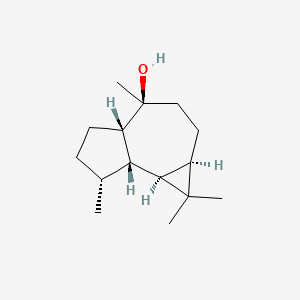
| The Content Variation of Natural Product Induced by Different Factor(s) | |||||||||||||||||||||||||||||||||||||||||||||||||||||||||||||||||||||||||||||||||||||||||
|---|---|---|---|---|---|---|---|---|---|---|---|---|---|---|---|---|---|---|---|---|---|---|---|---|---|---|---|---|---|---|---|---|---|---|---|---|---|---|---|---|---|---|---|---|---|---|---|---|---|---|---|---|---|---|---|---|---|---|---|---|---|---|---|---|---|---|---|---|---|---|---|---|---|---|---|---|---|---|---|---|---|---|---|---|---|---|---|---|---|
| Species Name: Cassinia laevis | |||||||||||||||||||||||||||||||||||||||||||||||||||||||||||||||||||||||||||||||||||||||||
| Factor Name: Locality Variation | [1] | ||||||||||||||||||||||||||||||||||||||||||||||||||||||||||||||||||||||||||||||||||||||||
| Experiment Detail |
Six samples of Cassinia laevis R. Br. (coughbush, wild rosemary) were gathered from Lowood, 45 km west of Brisbane to Murphy's Creek area 100 km west of Brisbane, Australia from 1994 to 1998. Samples were identified by a LAEV prefix. LAEV 1 and LAEV 4 were collected from the roadside verge of the Gatton-Toowoomba bypass road (Lat. 27° 32′ 21″ S; Long. 152° 14′ 28″ E). LAEV 2 and LAEV 5 were collected from a different location in the same area (Lat. 27° 33′ 08″ S; Long. 152° 15′ 00″ E). LAEV 7 were collected from the Murphy's creek area (Lat. 27° 31′ 05″ S; Long. 152° 04′ 15″ E), growing on the roadside and in an adjacent paddock. Sample LAEV 9, was collected from the roadside area of the Warrego Highway (Lat. 27° 32′ 10″ S; Long. 152° 27′ 12″ E). The collected leaf and flower samples had aromas of trampled grass with a slight hint of curry.
Click to Show/Hide
|
||||||||||||||||||||||||||||||||||||||||||||||||||||||||||||||||||||||||||||||||||||||||
| Factor Function |
Spathulenol was the major compound in flower oils (8-12%) compared to leaf oils (0.3-4.0%) which had ledol(37.5-53.6%) as the major compound.
Click to Show/Hide
|
||||||||||||||||||||||||||||||||||||||||||||||||||||||||||||||||||||||||||||||||||||||||
| Factor | Part | Location | NP Content | ||||||||||||||||||||||||||||||||||||||||||||||||||||||||||||||||||||||||||||||||||||||
|
Flower: Sample 4 (Locality: Lat. 27º 33′ 08″ S; Long. 152º 15′ 00″ E, Brisbane, Queensland)
|
Flowers | Brisbane, Queensland, Australia |
NP Content: 0.4 %
|
||||||||||||||||||||||||||||||||||||||||||||||||||||||||||||||||||||||||||||||||||||||
|
Flower: Sample 2 (Locality: roadside verge of the Gatton-Toowoomba, Brisbane, Queensland)
|
Flowers | Brisbane, Queensland, Australia |
NP Content: 0.3 %
|
||||||||||||||||||||||||||||||||||||||||||||||||||||||||||||||||||||||||||||||||||||||
| Species Name: Cistus ladanifer | |||||||||||||||||||||||||||||||||||||||||||||||||||||||||||||||||||||||||||||||||||||||||
| Factor Name: Locality Variation | [2] | ||||||||||||||||||||||||||||||||||||||||||||||||||||||||||||||||||||||||||||||||||||||||
| Experiment Detail |
Cistus ladanifer was collected from two sites, in July-August 2001, after the flowering season. The major quantity was brought from the wild, where the plant was growing in the mountainous region of the center-interior of the country (site 1). A smaller amount was harvested from a cultivated plant in the north of Portugal (site 2) that was propagated from a wild plant found in the dry plain region in the South of Portugal.
Click to Show/Hide
|
||||||||||||||||||||||||||||||||||||||||||||||||||||||||||||||||||||||||||||||||||||||||
| Factor Function |
Considering the oil composition of cistus plants from different sites, there were found some differences. The cistus oil of site 2 had a high content on the ocimenone isomers, an absence of trans-pinocarveol and unknown (compound 17) and a higher quantity of less volatile compounds such as sclareol oxide and 15-nor-labdan-8-ol. Cistus oil from site 1 was richer in sesquiterpene alcohols and 2,2,6-trimethylcyclohexanone. The amount of ambrox was the same for both oils. Considering the use of fresh or dry plant, the composition of cistus from site 2 was more affected, decreasing the amount of components of middle to high volatility and increasing the amount of the less volatiles. Drying promoted the doubling of the amount of ocimenone isomers in cistus oil from site 2 and of unknown (compound 21) and sesquiperpene alcohol (compound 29) in cistus from site 1. Again the quantity of ambrox was the same for both oils.
Click to Show/Hide
|
||||||||||||||||||||||||||||||||||||||||||||||||||||||||||||||||||||||||||||||||||||||||
| Factor | Part | Location | NP Content | ||||||||||||||||||||||||||||||||||||||||||||||||||||||||||||||||||||||||||||||||||||||
|
Fresh plant: (Locality: center-interior of Portugal)
|
Leaves and branches | Portugal |
NP Content: 15.1 %
|
||||||||||||||||||||||||||||||||||||||||||||||||||||||||||||||||||||||||||||||||||||||
|
Fresh plant: (Locality: north of Portugal)
|
Leaves and branches | Portugal |
NP Content: 14.9 %
|
||||||||||||||||||||||||||||||||||||||||||||||||||||||||||||||||||||||||||||||||||||||
|
Dry plant: (Locality: center-interior of Portugal)
|
Leaves and branches | Portugal |
NP Content: 17.4 %
|
||||||||||||||||||||||||||||||||||||||||||||||||||||||||||||||||||||||||||||||||||||||
|
Dry plant: (Locality: north of Portugal)
|
Leaves and branches | Portugal |
NP Content: 13.6 %
|
||||||||||||||||||||||||||||||||||||||||||||||||||||||||||||||||||||||||||||||||||||||
| Species Name: Cymbopogon winterianus | |||||||||||||||||||||||||||||||||||||||||||||||||||||||||||||||||||||||||||||||||||||||||
| Factor Name: Pest Infestation | [3] | ||||||||||||||||||||||||||||||||||||||||||||||||||||||||||||||||||||||||||||||||||||||||
| Experiment Detail |
General plantation of citronella cv. Java 2 was maintained following recommended agricultural practices at the Experimental Farm of Central Institute of Medicinal and Aromatic Plants, Field Station, Hyderabad, India. The experimental station has a semi-arid tropical climate. The experiment was conducted in the same plantation for 2 consecutive years during the summer month of June 1996 and 1997, when the incidence of the disease was higher. In each year, 12 each of healthy and diseased plants were selected at random and harvested. The occurrence of the disease is generally observed during the hot summer season months, when the temperatures are in the range 36-43 ℃. Initial symptoms of the pest attack appear as yellow specks or blotches, mostly along leaf margins, that in later stages develop into yellow streaks running along the length of the affected leaves. Emerging young leaves are pale green to yellow coloured, twisted, crinkled, developed into whip-like structures and in severe cases of infection fail to open. Even if they do open, these leaves fail to exhibit a smooth leaf surface. Severely affected older leaves turn brown, dry and die. The overall growth and development of the infected plant is severely affected, giving it a dwarfed and unhealthy appearance.
Click to Show/Hide
|
||||||||||||||||||||||||||||||||||||||||||||||||||||||||||||||||||||||||||||||||||||||||
| Factor Function |
The essential oil examined by GC and GC-MS from cultivated healthy plants contained citronellal (28.4%), geraniol (24.8%), citronellol (11.8%) and elemol (10.2%). The major components from diseased plants were geraniol (19.0-25.5%), elemol (15.3-20.4%), citronellal (13.4-19.1%) and citronellol (12.9-15.1%). Caryophyllene oxide (3.5-6.0%) was an important minor component.
Click to Show/Hide
|
||||||||||||||||||||||||||||||||||||||||||||||||||||||||||||||||||||||||||||||||||||||||
| Factor | Part | Location | NP Content | ||||||||||||||||||||||||||||||||||||||||||||||||||||||||||||||||||||||||||||||||||||||
|
Healthy leaves of healthy plant
|
Leaves | Hyderabad, India |
NP Content: 0.5 %
|
||||||||||||||||||||||||||||||||||||||||||||||||||||||||||||||||||||||||||||||||||||||
|
Healthy leaves of diseased plant (Yellowing and crinkling disease)
|
Leaves | Hyderabad, India |
NP Content: 0.8 %
|
||||||||||||||||||||||||||||||||||||||||||||||||||||||||||||||||||||||||||||||||||||||
|
Crinkled, whip like leaves of diseased plant (Yellowing and crinkling disease)
|
Leaves | Hyderabad, India |
NP Content: 1 %
|
||||||||||||||||||||||||||||||||||||||||||||||||||||||||||||||||||||||||||||||||||||||
|
Dead leaves of diseased plant (Yellowing and crinkling disease)
|
Leaves | Hyderabad, India |
NP Content: 1.1 %
|
||||||||||||||||||||||||||||||||||||||||||||||||||||||||||||||||||||||||||||||||||||||
|
Semi-diseased leaves of diseased plant (Yellowing and crinkling disease)
|
Leaves | Hyderabad, India |
NP Content: 0.9 %
|
||||||||||||||||||||||||||||||||||||||||||||||||||||||||||||||||||||||||||||||||||||||
| Species Name: Maclura pomifera | |||||||||||||||||||||||||||||||||||||||||||||||||||||||||||||||||||||||||||||||||||||||||
| Factor Name: Developmental Stage Variation | [4] | ||||||||||||||||||||||||||||||||||||||||||||||||||||||||||||||||||||||||||||||||||||||||
| Experiment Detail |
Unripe fruits of M. pomifera were collected on the tree from a hedge in August 1999 located on state-owned land in Boone County, IA. Ripe fruits were collected from the ground at the same hedge in October 1999.
Click to Show/Hide
|
||||||||||||||||||||||||||||||||||||||||||||||||||||||||||||||||||||||||||||||||||||||||
| Factor Function |
The most notable difference between the unripe and ripe fruits was the increase in hexyl hexanoate in the ripe fruit. Gamma-Cadinene and alpha-cubebene were the most abundant sesquiterpenoids.
Click to Show/Hide
|
||||||||||||||||||||||||||||||||||||||||||||||||||||||||||||||||||||||||||||||||||||||||
| Factor | Part | Location | NP Content | ||||||||||||||||||||||||||||||||||||||||||||||||||||||||||||||||||||||||||||||||||||||
|
Fruit: unripe (Intact)
|
Fruits | Boone county, USA |
NP Content: 0.9 %
|
||||||||||||||||||||||||||||||||||||||||||||||||||||||||||||||||||||||||||||||||||||||
|
Fruit: unripe (cut)
|
Fruits | Boone county, USA |
NP Content: 0.01 %
|
||||||||||||||||||||||||||||||||||||||||||||||||||||||||||||||||||||||||||||||||||||||
| Species Name: Melaleuca ericifolia | |||||||||||||||||||||||||||||||||||||||||||||||||||||||||||||||||||||||||||||||||||||||||
| Factor Name: Locality Variation | [5] | ||||||||||||||||||||||||||||||||||||||||||||||||||||||||||||||||||||||||||||||||||||||||
| Experiment Detail |
Samples of M. ericifolia leaves were obtained from 19 locations as follows: DL3104- 3110, Coopernook, New South Wales (NSW), 31° 49′ 31″ S, 152° 36′ 48″ E (Site No. 1); DL3114-3120, Hawks Nest, NSW, 32° 40′ 09″ S, 152° 10′ 12″ E (Site No. 2); DL3240-3244, Hexham, NSW, 32° 48′ 50″ S, 151° 42′ E (Site No. 3); DL3245-3249, The Entrance, NSW, 32° 22′ 24″ S, 151° 28′ 19″ E (Site No. 4); DL3397-3401, Tuggerah Lake, NSW, 33° 21′ S, 151° 27′ E (Site No. 5); DL3250-3254, Georges River, NSW, 33° 58′ 42″ S, 151° 00′ 14″ E (Site No. 6); DL3255-3259, Berry, NSW, 34° 46′ 37″ S, 150° 45′ 27″ E (Site No. 7); DL3260-3264, Lake Durras, NSW, 35° 36′ 00″ S, 150° 16′ 17″ E (Site No. 8); DL3265- 3269, Wallaga Lake, NSW, 36° 23′ 43″ S, 150° 03′ 04″ E (Site No. 9); DL3270-3274, Wallagoot, NSW, 36° 44′ 50″ S, 149° 55′ 46″ E (Site No. 10); DL3275-3279, Genoa, Victoria (Vic), 37° 25′ 56″ S, 149° 38′ 41″ E (Site No. 11); BVG3024- 3028, West of Lakes Entrance, Vic, 37° 48′ S, 148° 03′E (Site No. 12); BVG3014-3018, West of Lang Lang, Vic, 38° 13′ S, 145° 30′ 13″ E (Site No. 13); BVG3019-3023, East of Welshpool, Vic, 38° 38′ 28″ S, 146° 30′53″ E (Site No. 14); ACC1019/1-2, 5-7, Nelson on the Glenelg River, Vic, 38° 03′ S, 141° 00′ E (Site No. 15); KJ1-5, Airport Flinders Island, Tasmania (Tas), 40° 05′ S, 148° 00′ E (Site No. 16); KJ6-10, Lackrana Road Flinders Island, Tas, 40° 18′ S, 148° 06′ E (Site No. 17); ACR1848/1-3, Woolnorth Point, Tas, 40° 38′ 30″ S, 144° 43′ 30″ E (Site No. 18); JB4509, Robins Island Track, Tas, 40° 45′ S, 144°53′E (Site No. 19). The majority of samples were collected during June to December 1999 with the exceptions being sites 5, 15 and 18, which were collected during July to October 2000. Leaf material totaling about 100 g of fresh leaves and twigs was obtained mainly from five widely spaced individual trees per location.
Click to Show/Hide
|
||||||||||||||||||||||||||||||||||||||||||||||||||||||||||||||||||||||||||||||||||||||||
| Factor Function |
Oil composition varied quantitatively throughout the species range rather than qualitatively in an apparent association with latitude of occurrence. Linalool and linalool oxide were abundant in the oils from the north of the species range in New South Wales with a gradual southerly decline in these compounds to central Victoria with concomitant increase in the proportions of 1,8-cineole, alpha-terpineol and limonene. The most southerly populations sampled in southern Victoria and Tasmania gave oils containing relatively high proportions of 1,8-cineole (mean 34.5%) and low proportions of linalool (3%). Four populations from the Central Coast of NSW (Coopernook, Hawks Nest, The Entrance and Tuggerah Lake) provided the greatest opportunity of identifying seed trees that combine the attributes required for plantation development. The tree that had the best combination of oil traits (DL 3116 from Hawks Nest) had an oil yield of 4.5%, a linalool content of 60% and a 1,8-cineole content of 16%.
Click to Show/Hide
|
||||||||||||||||||||||||||||||||||||||||||||||||||||||||||||||||||||||||||||||||||||||||
| Factor | Part | Location | NP Content | ||||||||||||||||||||||||||||||||||||||||||||||||||||||||||||||||||||||||||||||||||||||
|
Locality: northern Australia
|
Leaves | Australia |
NP Content: 0.5 %
|
||||||||||||||||||||||||||||||||||||||||||||||||||||||||||||||||||||||||||||||||||||||
|
Locality: southern Australia
|
Leaves | Australia |
NP Content: 0.5 %
|
||||||||||||||||||||||||||||||||||||||||||||||||||||||||||||||||||||||||||||||||||||||
| Species Name: Melaleuca quinquenervia | |||||||||||||||||||||||||||||||||||||||||||||||||||||||||||||||||||||||||||||||||||||||||
| Factor Name: Chemotype Comparison | [6] | ||||||||||||||||||||||||||||||||||||||||||||||||||||||||||||||||||||||||||||||||||||||||
| Experiment Detail |
Seedlings of M. quinquenervia were obtained by germinating seeds collected from trees in south Florida. Plants from each chemotype were obtained from vegetative cuttings from trees whose chemotype had previously been determined by gas chromatography (GC) and gas chromatography/mass spectroscopy (GC/MS). All plants were transplanted into larger pots (11.4 L) when about 25 cm tall. These plants were fertilized with 90 g/pot Osmocote Plus 15-9-12, N-P-K (Scotts-Sierra Horticultural Products, Marysville, OH) in a slow-release 'southern' formulation . Plants were grown in a screenhouse that received rainwater and daily irrigation from overhead sprinklers for approximately 6 months at which time the plants were about 1 m tall. Three times weekly, leaves were clipped from trees and brought back to the laboratory. As O. vitiosa is a known Xush-feeder, only the silky terminal 15 cm tip leaves of each tree were collected and either used for plant quality analysis or fed to larvae.
Click to Show/Hide
|
||||||||||||||||||||||||||||||||||||||||||||||||||||||||||||||||||||||||||||||||||||||||
| Factor Function |
M. quinquenervia chemotypes were distinguished by the principal terpenoids E-nerolidol and viridiflorol using gas chromatography and mass spectroscopy. Not only were the terpenoid profiles of the two chemotypes different but the viridiflorol leaves had greater toughness (1.2-fold) and reduced nitrogen (0.7-fold). When the larvae and adults were fed leaves of the E-nerolidol chemotype increased adult biomass (1.1-fold) and fecundity were found (2.6- to 4.5-fold) compared with those fed leaves of the viridiflorol chemotype. Regardless of the larval diet, when adults were fed the E-nerolidol chemotype leaves they had greater egg production compared with those adults fed the viridiflorol leaves. Moreover, adult pre-oviposition period was extended (1.5-fold) when individuals were fed the viridiflorol leaves compared with those fed the E-nerolidol leaves. By rearing the O. vitiosa weevil on the more nutritious chemotype plants these results assisted in the mass production and establishment of the M. quinquenervia biological control agent.
Click to Show/Hide
|
||||||||||||||||||||||||||||||||||||||||||||||||||||||||||||||||||||||||||||||||||||||||
| Factor | Part | Location | NP Content | ||||||||||||||||||||||||||||||||||||||||||||||||||||||||||||||||||||||||||||||||||||||
|
Chemotype (Viridiflorol type)
|
Leaves | Florida, USA |
NP Content: 24.63 µg/mg
|
||||||||||||||||||||||||||||||||||||||||||||||||||||||||||||||||||||||||||||||||||||||
|
Chemotype (E-nerolidol type)
|
Leaves | Florida, USA |
NP Content: 0.79 µg/mg
|
||||||||||||||||||||||||||||||||||||||||||||||||||||||||||||||||||||||||||||||||||||||
| Factor Name: Chemotype Comparison | [7] | ||||||||||||||||||||||||||||||||||||||||||||||||||||||||||||||||||||||||||||||||||||||||
| Experiment Detail |
Plant material: Leaves of M. quinquenervia were collected from January to October during the ten year period (1992-2001) on mainly East part of Madagascar island and in particular on Toamasina, Mananjary, Manakara, Farafangana, Vangaindrano, Moramanga, and Ambatondrazaka locations. Olfactory chemotype selection: During the years 1992-1995, since the price for (E)-nerolidol and viridiflorol chemotypes was very strong, leaf collection was done on trees chosen after olfactory selection by a chief harvester who compared the olfactory threshold of crumple leaves with our clearly identified oil samples. After 1996, collection was done at random and no particular attention in leaf harvesting was taken.
Click to Show/Hide
|
||||||||||||||||||||||||||||||||||||||||||||||||||||||||||||||||||||||||||||||||||||||||
| Factor Function |
Niaouli essential oils from Madagascar were classified into three chemotypes using Principal Component Analysis (PCA): a cineole chemotype (49-62%), a viridiflorol chemotype (21-36%) and an (E)-nerolidol chemotype (56-95%). The 1,8-cineole chemotype is widespread, representing 92% of the samples investigated if the leaf collection is done at random.
Click to Show/Hide
|
||||||||||||||||||||||||||||||||||||||||||||||||||||||||||||||||||||||||||||||||||||||||
| Factor | Part | Location | NP Content | ||||||||||||||||||||||||||||||||||||||||||||||||||||||||||||||||||||||||||||||||||||||
|
Chemotype (Cineole type)
|
Leaves | Madagascar |
NP Content: 2.2 %
|
||||||||||||||||||||||||||||||||||||||||||||||||||||||||||||||||||||||||||||||||||||||
|
Chemotype (Viridiflorol type)
|
Leaves | Madagascar |
NP Content: 28.69 %
|
||||||||||||||||||||||||||||||||||||||||||||||||||||||||||||||||||||||||||||||||||||||
|
Chemotype (E-nerolidol type)
|
Leaves | Madagascar |
NP Content: 1.92 %
|
||||||||||||||||||||||||||||||||||||||||||||||||||||||||||||||||||||||||||||||||||||||
| Species Name: Melaleuca quinquenervia (Cav.) S.T. Blake | |||||||||||||||||||||||||||||||||||||||||||||||||||||||||||||||||||||||||||||||||||||||||
| Factor Name: Chemotype Comparison | [8] | ||||||||||||||||||||||||||||||||||||||||||||||||||||||||||||||||||||||||||||||||||||||||
| Experiment Detail |
One hundred grams of mature leaves were collected from 2 to 10 widely spaced trees per site and sent to Sydney for analysis as soon as possible after collection. Samples usually arrived in the laboratory within 48 h of collection. The majority of the sampling was done between December 1998 and October 1999. Seasonal trends in oil yields and composition are confounded in the data on geographic variation, but these were considered minor in the context of this study.
Click to Show/Hide
|
||||||||||||||||||||||||||||||||||||||||||||||||||||||||||||||||||||||||||||||||||||||||
| Factor Function |
Chemotype 1 is comprised of E-nerolidol (74-95%) and linalool (14-30%) and is found from Sydney, north along the east coast of Australia to Selection Flat, New South Wales, with an isolated occurrence near Maryborough, Queensland. Two divisions occur in this chemotype which are based on the presence or absence of significant proportions of linalool (14-40%). Chemotype 2 contains 1,8-cineole (10-75%), viridiflorol (13-66%), alpha-terpineol (0.5-14%) and beta-caryophyllene (0.5-28%) in varying proportions and order of dominance in the oils. It is found throughout the distribution of the species, from Sydney to Papua New Guinea and New Caledonia. Within chemotype 2 there appears to be a continuous spread of oil composition without formation of any further discrete divisions as in chemotype 1. Analyses have shown that M. quinquenervia trees that occur at latitudes south of 25d S have high oil yields (1-3% w/w%, fresh leaves) and comprise chemotypes 1 and 2. North of 25d S, however, chemotype 1 does not occur and oil yields amongst the Australian populations are uniformly low (0.1-0.2%).
Click to Show/Hide
|
||||||||||||||||||||||||||||||||||||||||||||||||||||||||||||||||||||||||||||||||||||||||
| Factor | Part | Location | NP Content | ||||||||||||||||||||||||||||||||||||||||||||||||||||||||||||||||||||||||||||||||||||||
|
Chemotype (E-nerolidol in large concentration type)
|
Leaves | Australia and Papua New Guinea |
NP Content: 0.2 %
|
||||||||||||||||||||||||||||||||||||||||||||||||||||||||||||||||||||||||||||||||||||||
|
Chemotype (either 1,8-cineole or viridiflorol in highest proportion type)
|
Leaves | Australia and Papua New Guinea |
NP Content: 10.3 %
|
||||||||||||||||||||||||||||||||||||||||||||||||||||||||||||||||||||||||||||||||||||||
| Factor Name: Chemotype Comparison | [9] | ||||||||||||||||||||||||||||||||||||||||||||||||||||||||||||||||||||||||||||||||||||||||
| Experiment Detail |
Leaves of M. quinquenervia were collected from January to October at seven different locations across New Caledonia: Yate, Mont Panie, Tiebaghi, Temrock, Farino, Martin and Mont Mou.
Click to Show/Hide
|
||||||||||||||||||||||||||||||||||||||||||||||||||||||||||||||||||||||||||||||||||||||||
| Factor Function |
Niaouli essential oils from New Caledonia were classified into three chemotypes, using principal component analysis (PCA). Of these three chemotypes, found co-occurring in the harvesting locations across the island, chemotype 2, already characterized in Madagascar, is rich in 1,8-cineole (up to 80%) and is widespread (65.4% of the overall samples); chemotype 1 (24.8% of samples) is rich in terpinene derivatives; and chemotype 3 (9.8% of samples) is rich in alpha-pinene and viridiflorol.
Click to Show/Hide
|
||||||||||||||||||||||||||||||||||||||||||||||||||||||||||||||||||||||||||||||||||||||||
| Factor | Part | Location | NP Content | ||||||||||||||||||||||||||||||||||||||||||||||||||||||||||||||||||||||||||||||||||||||
|
Chemotype (terpinene type)
|
Leaves | New Caledonia |
NP Content: 4 - 50 %
|
||||||||||||||||||||||||||||||||||||||||||||||||||||||||||||||||||||||||||||||||||||||
|
Chemotype (1,8-cineole type)
|
Leaves | New Caledonia |
NP Content: 0 - 45 %
|
||||||||||||||||||||||||||||||||||||||||||||||||||||||||||||||||||||||||||||||||||||||
|
Chemotype (virdiflorol type)
|
Leaves | New Caledonia |
NP Content: 10 - 67.4 %
|
||||||||||||||||||||||||||||||||||||||||||||||||||||||||||||||||||||||||||||||||||||||
| Species Name: Mentha piperita | |||||||||||||||||||||||||||||||||||||||||||||||||||||||||||||||||||||||||||||||||||||||||
| Factor Name: Drought Stress Treatment; NaCl Treatment | [10] | ||||||||||||||||||||||||||||||||||||||||||||||||||||||||||||||||||||||||||||||||||||||||
| Experiment Detail |
Peppermint plants were initiated from rhizome cuttings (10 cm long) supplied by Jahad Daneshgahi in March 2009. According to the method described by Farahani et al., (2009), seventy five peppermint samples were notified above were transferred into pots (25 cm head diameter × 20 cm height) filled with sandy loam soil (soil average amount of 5580 gr in each pot). This experiment was carried out using a randomized compllete block design with 3 replications. The factors studied included 5 levels of water deficit stress that were D1 (100% field capacity), D2 (85% field capacity), D3 (70% field capacity), D4 (60% field capacity) and D5 (45% field capacity), respectively. In order to determine the soil moisture rate of 100% field capacity, 24 h after irrigation we selected 5 field soil samples by sampling drill, then samples were weighed by electrical scale and placed under 105 ℃ in electrical oven for 48 h. Field soil samples were selected for determination of soil moisture rate daily, than determined 85% field capacity, 70% field capacity, 60% field capacity and 45% field capacity, respectively.
Click to Show/Hide
|
||||||||||||||||||||||||||||||||||||||||||||||||||||||||||||||||||||||||||||||||||||||||
| Factor Function |
Results indicated that drought stress motivated a significant reduction in all of the growth parameters and essential oil yield and percent. The highest values of growth parameters and essential oil percent and yield were observed under 100% field capacity (control). Also, the highest values of Mentone and menthofuran were obtained under 100% field capacity (control) and the highest values of menthol were obtained under 70% field capacity by using gas chromatography-mass spectroscopy (GC-MS).
Click to Show/Hide
|
||||||||||||||||||||||||||||||||||||||||||||||||||||||||||||||||||||||||||||||||||||||||
| Factor | Part | Location | NP Content | ||||||||||||||||||||||||||||||||||||||||||||||||||||||||||||||||||||||||||||||||||||||
|
100% Field Capacity (Control)
|
Aerial parts | Iran |
NP Content: 0.14 %
|
||||||||||||||||||||||||||||||||||||||||||||||||||||||||||||||||||||||||||||||||||||||
|
85% Field Capacity
|
Aerial parts | Iran |
NP Content: 0.13 %
|
||||||||||||||||||||||||||||||||||||||||||||||||||||||||||||||||||||||||||||||||||||||
|
60% Field Capacity
|
Aerial parts | Iran |
NP Content: 0.03 %
|
||||||||||||||||||||||||||||||||||||||||||||||||||||||||||||||||||||||||||||||||||||||
|
45% Field Capacity
|
Aerial parts | Iran |
NP Content: 0.35 %
|
||||||||||||||||||||||||||||||||||||||||||||||||||||||||||||||||||||||||||||||||||||||
|
0 mM NaCl (Control)
|
Aerial parts | Iran |
NP Content: 0.04 %
|
||||||||||||||||||||||||||||||||||||||||||||||||||||||||||||||||||||||||||||||||||||||
|
100 mM NaCl
|
Aerial parts | Iran |
NP Content: 2.9 %
|
||||||||||||||||||||||||||||||||||||||||||||||||||||||||||||||||||||||||||||||||||||||
| Factor Name: Cultivar Comparison | [11] | ||||||||||||||||||||||||||||||||||||||||||||||||||||||||||||||||||||||||||||||||||||||||
| Experiment Detail |
Dry leaves of Menlba piperita L. 'Kliment-63' and 'Zefir' of 1997 crop were used.
Click to Show/Hide
|
||||||||||||||||||||||||||||||||||||||||||||||||||||||||||||||||||||||||||||||||||||||||
| Factor Function |
The oil yield from 'Zefir' was 0.97% and that from 'Kliment-63' was 0.54%. The oil from 'Zefir' was found to be rich in menthol (46.2-50.2%) and menthyl acetate (16.8-22.5%). In the oil from 'Kliment-63,' the content of these components was lower, while the menthone content was higher (20.0-23.1%).
Click to Show/Hide
|
||||||||||||||||||||||||||||||||||||||||||||||||||||||||||||||||||||||||||||||||||||||||
| Factor | Part | Location | NP Content | ||||||||||||||||||||||||||||||||||||||||||||||||||||||||||||||||||||||||||||||||||||||
|
Mentha piperita cv. Kliment-63
|
Leaves | Bulgaria |
NP Content: 0.1 %
|
||||||||||||||||||||||||||||||||||||||||||||||||||||||||||||||||||||||||||||||||||||||
|
Mentha piperita cv. Zefir
|
Leaves | Bulgaria |
NP Content: 0.2 %
|
||||||||||||||||||||||||||||||||||||||||||||||||||||||||||||||||||||||||||||||||||||||
| Species Name: Mentha rotundifolia | |||||||||||||||||||||||||||||||||||||||||||||||||||||||||||||||||||||||||||||||||||||||||
| Factor Name: Altitude Variation | [12] | ||||||||||||||||||||||||||||||||||||||||||||||||||||||||||||||||||||||||||||||||||||||||
| Experiment Detail |
Mentha rotundifolia leaves were collected in the second week of November 2004 in two localities of Algeria (Rouina: altitude 250 m, Miliana: altitude 780 m) within the region of Ain-Defla located in northern Algeria.
Click to Show/Hide
|
||||||||||||||||||||||||||||||||||||||||||||||||||||||||||||||||||||||||||||||||||||||||
| Factor Function |
Thirty-nine compounds were identified in leaf oil of sample 1 (Rouina, Algeria), the main one being cis-piperitone oxide. Thirty-nine compounds were identified in leaf oil of sample 2 (Miliana, Algeria). The main one being piperitenone oxide.
Click to Show/Hide
|
||||||||||||||||||||||||||||||||||||||||||||||||||||||||||||||||||||||||||||||||||||||||
| Factor | Part | Location | NP Content | ||||||||||||||||||||||||||||||||||||||||||||||||||||||||||||||||||||||||||||||||||||||
|
Locality: Rouina, Algeria; Altitude 250 m
|
Leaves | Algeria |
NP Content: < 0.1 %
|
||||||||||||||||||||||||||||||||||||||||||||||||||||||||||||||||||||||||||||||||||||||
| Species Name: Mentha spicata | |||||||||||||||||||||||||||||||||||||||||||||||||||||||||||||||||||||||||||||||||||||||||
| Factor Name: Month Variation | [13] | ||||||||||||||||||||||||||||||||||||||||||||||||||||||||||||||||||||||||||||||||||||||||
| Experiment Detail |
Plant material: Leaves of M. spicata plants were collected from a wild population of Mt. Pangeon (alt. 600 m, 40° 55′ N/ 24° 12′ E). Collections were conducted every month during the growing period (April to October).
Click to Show/Hide
|
||||||||||||||||||||||||||||||||||||||||||||||||||||||||||||||||||||||||||||||||||||||||
| Factor Function |
The oil content ranged from 0.1-1.8%, with the maximum values in late summer/early autumn. The essential oil obtained from the leaves was characterized by a very high content in linalool, i.e. 85.0-93.9% of the total oil (highest percentage in mid-autumn). Other oil constituents occurring in much lower amounts were germacrene D (up to 4.2%), beta-caryophyllene (up to 2.6%) and 1,8-cineole (up to 2.1%).
Click to Show/Hide
|
||||||||||||||||||||||||||||||||||||||||||||||||||||||||||||||||||||||||||||||||||||||||
| Factor | Part | Location | NP Content | ||||||||||||||||||||||||||||||||||||||||||||||||||||||||||||||||||||||||||||||||||||||
|
Harvesting time: May
|
Leaves | Greece |
NP Content: 0.1 %
|
||||||||||||||||||||||||||||||||||||||||||||||||||||||||||||||||||||||||||||||||||||||
|
Harvesting time: June
|
Leaves | Greece |
NP Content: 0.1 %
|
||||||||||||||||||||||||||||||||||||||||||||||||||||||||||||||||||||||||||||||||||||||
|
Harvesting time: August
|
Leaves | Greece |
NP Content: <0.05 %
|
||||||||||||||||||||||||||||||||||||||||||||||||||||||||||||||||||||||||||||||||||||||
|
Harvesting time: September
|
Leaves | Greece |
NP Content: <0.05 %
|
||||||||||||||||||||||||||||||||||||||||||||||||||||||||||||||||||||||||||||||||||||||
| Species Name: Pinus sylvestris | |||||||||||||||||||||||||||||||||||||||||||||||||||||||||||||||||||||||||||||||||||||||||
| Factor Name: Locality Variation | [14] | ||||||||||||||||||||||||||||||||||||||||||||||||||||||||||||||||||||||||||||||||||||||||
| Experiment Detail |
The branches of pine were collected in July, 1996 in 15 different locations in Lithuania in the following regions: Western part (Silute, Jurbarkas, Kursiu Nerija), Eastern part (Salcininkai, Zarasai, Moletai), Southern part (Varena, Trakai, Radviliskis) and central part (Ukmerge, Jonava, Kaisiadorys). The branches in each location were collected from the trees in approximately 1 km radius.
Click to Show/Hide
|
||||||||||||||||||||||||||||||||||||||||||||||||||||||||||||||||||||||||||||||||||||||||
| Factor Function |
More than 70 constituents were identified (64 positively and 10 tentatively) in the oils. alpha-Pinene (18.5-33.0%) and delta-3-carene (9.1-24.6%) were dominating constituents with the only one exception when the germacrene-4-ol content in one of the samples was 13.2%. The important bornyl acetate content varied from 0.5% to 3.0%. The main sesquiterpenes were beta-caryophyllene, germacrene D, bicyclogermacrene, delta-cadinene, gamma-cadinene, germacrene D-4-ol, cubenol (2.0-5.1%) and alpha-cadinol (1.9-7.7%).
Click to Show/Hide
|
||||||||||||||||||||||||||||||||||||||||||||||||||||||||||||||||||||||||||||||||||||||||
| Factor | Part | Location | NP Content | ||||||||||||||||||||||||||||||||||||||||||||||||||||||||||||||||||||||||||||||||||||||
|
Locality: Jonava, Lithuania
|
Branches | Jonava, Lithuania |
NP Content: 0.1 %
|
||||||||||||||||||||||||||||||||||||||||||||||||||||||||||||||||||||||||||||||||||||||
|
Locality: Jurbarkas, Lithuania
|
Branches | Jurbarkas, Lithuania |
NP Content: 0.1 %
|
||||||||||||||||||||||||||||||||||||||||||||||||||||||||||||||||||||||||||||||||||||||
|
Locality: Kaisiadorys, Lithuania
|
Branches | Kaisiadorys, Lithuania |
NP Content: 0.1 %
|
||||||||||||||||||||||||||||||||||||||||||||||||||||||||||||||||||||||||||||||||||||||
|
Locality: Moletai, Lithuania
|
Branches | Moletai, Lithuania |
NP Content: 0.1 %
|
||||||||||||||||||||||||||||||||||||||||||||||||||||||||||||||||||||||||||||||||||||||
|
Locality: Radviliskis, Lithuania
|
Branches | Radviliskis, Lithuania |
NP Content: 0.1 %
|
||||||||||||||||||||||||||||||||||||||||||||||||||||||||||||||||||||||||||||||||||||||
|
Locality: Salacininkai, Lithuania
|
Branches | Salacininkai, Lithuania |
NP Content: 0.1 %
|
||||||||||||||||||||||||||||||||||||||||||||||||||||||||||||||||||||||||||||||||||||||
|
Locality: Silute, Lithuania
|
Branches | Silute, Lithuania |
NP Content: 0.1 %
|
||||||||||||||||||||||||||||||||||||||||||||||||||||||||||||||||||||||||||||||||||||||
|
Locality: Trakai, Lithuania
|
Branches | Trakai, Lithuania |
NP Content: 0.1 %
|
||||||||||||||||||||||||||||||||||||||||||||||||||||||||||||||||||||||||||||||||||||||
|
Locality: Ukmerge, Lithuania
|
Branches | Ukmerge, Lithuania |
NP Content: 0.1 %
|
||||||||||||||||||||||||||||||||||||||||||||||||||||||||||||||||||||||||||||||||||||||
|
Locality: Varena, Lithuania
|
Branches | Varena, Lithuania |
NP Content: 0.1 %
|
||||||||||||||||||||||||||||||||||||||||||||||||||||||||||||||||||||||||||||||||||||||
|
Locality: Vilnius, Lithuania
|
Branches | Vilnius, Lithuania |
NP Content: 0.1 %
|
||||||||||||||||||||||||||||||||||||||||||||||||||||||||||||||||||||||||||||||||||||||
|
Locality: Zarasai, Lithuania
|
Branches | Zarasai, Lithuania |
NP Content: 0.1 %
|
||||||||||||||||||||||||||||||||||||||||||||||||||||||||||||||||||||||||||||||||||||||
|
Locality: Zarsai (lmbradas), Lithuania
|
Branches | Zarsai (lmbradas), Lithuania |
NP Content: 0.1 %
|
||||||||||||||||||||||||||||||||||||||||||||||||||||||||||||||||||||||||||||||||||||||
|
Locality: Zarasai (Sunele), Lithuania
|
Branches | Zarasai (Sunele), Lithuania |
NP Content: 0.1 %
|
||||||||||||||||||||||||||||||||||||||||||||||||||||||||||||||||||||||||||||||||||||||
| Species Name: Pulicaria dysenterica | |||||||||||||||||||||||||||||||||||||||||||||||||||||||||||||||||||||||||||||||||||||||||
| Factor Name: Locality Variation | [15] | ||||||||||||||||||||||||||||||||||||||||||||||||||||||||||||||||||||||||||||||||||||||||
| Experiment Detail |
Aerial parts of P. dysenterica were collected during the flowering stage from two different locations in Greece in August 2002. Sample A: Katara (Perfecture Trikala). Sample B: Arahova (Perfecture Viotia).
Click to Show/Hide
|
||||||||||||||||||||||||||||||||||||||||||||||||||||||||||||||||||||||||||||||||||||||||
| Factor Function |
Fifty-four components were identified representing 80.5% (sample A) and 72.6% (sample B) of the total oils. The main components in sample A were (Z)-nerolidol (11.2%), caryophyllene oxide (9.1%) and (E)-nerolidol (6.6%), while those of sample B were beta-caryophyllene (12.8%), caryophyllene oxide (12.8%) and (E)-nerolidol (6.9%).
Click to Show/Hide
|
||||||||||||||||||||||||||||||||||||||||||||||||||||||||||||||||||||||||||||||||||||||||
| Factor | Part | Location | NP Content | ||||||||||||||||||||||||||||||||||||||||||||||||||||||||||||||||||||||||||||||||||||||
|
Locality: Katara, Perfecture Trikala, Greece
|
Aerial parts | Greece |
NP Content: 2.3 %
|
||||||||||||||||||||||||||||||||||||||||||||||||||||||||||||||||||||||||||||||||||||||
| Species Name: Salvia aucheri | |||||||||||||||||||||||||||||||||||||||||||||||||||||||||||||||||||||||||||||||||||||||||
| Factor Name: Variety Comparison | [16] | ||||||||||||||||||||||||||||||||||||||||||||||||||||||||||||||||||||||||||||||||||||||||
| Experiment Detail |
S. aucheri var. aucheri was collected in Karaman: Ermenek to Mutt Road on July 19,1995; Salvia aucheri var. canescens was collected in Karaman: Ermenek, Tekecati Valley on July 19,1995.
Click to Show/Hide
|
||||||||||||||||||||||||||||||||||||||||||||||||||||||||||||||||||||||||||||||||||||||||
| Factor Function |
Eighty components were characterized in the Salvia aucheri var. aucheri oil, with camphor (21.1%), 1, 8-cineole (20.3%), borneol (7.8%), spathulenol (6.3%) and camphene (5.3%) as major constituents. 1, 8-Cineole (25.2%), camphor (17.9%), borneol (10.6%), alpha-pinene (5.4%) and camphene (5.3%) were identified as major constituents among the 88 components characterized in the oil of Salvia aucheri var. canescens.
Click to Show/Hide
|
||||||||||||||||||||||||||||||||||||||||||||||||||||||||||||||||||||||||||||||||||||||||
| Factor | Part | Location | NP Content | ||||||||||||||||||||||||||||||||||||||||||||||||||||||||||||||||||||||||||||||||||||||
|
Salvia aucheri var. canescens
|
Aerial parts | Karaman, Turkey |
NP Content: 0.1 %
|
||||||||||||||||||||||||||||||||||||||||||||||||||||||||||||||||||||||||||||||||||||||
| Species Name: Salvia officinalis | |||||||||||||||||||||||||||||||||||||||||||||||||||||||||||||||||||||||||||||||||||||||||
| Factor Name: Altitude Variation; Month Variation | [17] | ||||||||||||||||||||||||||||||||||||||||||||||||||||||||||||||||||||||||||||||||||||||||
| Experiment Detail |
Sage plant material was collected from two different localities (altitudes 110 and 400 m) in central Herzegovina near Mostar and at four different stages of development: vegetative period (leaves and stalks, January 2003), prior to flowering (leaves and stalks, April 2003), in the course of flowering (flowering tops, leaves and stalks, May 2003) and after flowering (leaves and stalks, August 2003).
Click to Show/Hide
|
||||||||||||||||||||||||||||||||||||||||||||||||||||||||||||||||||||||||||||||||||||||||
| Factor Function |
The highest oil yield of the plant was after flowering (August). The oil samples obtained prior to flowering (April) and in the course of flowering (May) yielded remarkably less than those after flowering (August) and in the vegetative period (January). An unexpected high oil yield of the plant in the vegetative period (January) is probably due to lower moisture content in this stage of development. The oil yields ranged from 0.29% to 0.64% (altitude 110 m) and 0.45% to 1.07% (altitude 400 m), which reveals that altitude also has significant influence on oil yields. The oils from plant materials gathered prior to flowering (April) and in the course of flowering (May) were found to contain significantly higher percentages of alpha-humulene, manool, viridiflorol and caryophyllene, while the oils produced after flowering (August) and in vegetative period (January) have had higher percentages of alpha-thujone and camphor. Although the altitude has had an obvious influence on oil yields, it did not have significant influence on the qualitative and quantitative composition of their constituents.
Click to Show/Hide
|
||||||||||||||||||||||||||||||||||||||||||||||||||||||||||||||||||||||||||||||||||||||||
| Factor | Part | Location | NP Content | ||||||||||||||||||||||||||||||||||||||||||||||||||||||||||||||||||||||||||||||||||||||
|
Harvesting time: January + Locality: Altitude 110 m
|
Whole plant | Bosnia and Herzegovina |
NP Content: 11.1 %
|
||||||||||||||||||||||||||||||||||||||||||||||||||||||||||||||||||||||||||||||||||||||
|
Harvesting time: April + Locality: Altitude 110 m
|
Whole plant | Bosnia and Herzegovina |
NP Content: 18.5 %
|
||||||||||||||||||||||||||||||||||||||||||||||||||||||||||||||||||||||||||||||||||||||
|
Harvesting time: May + Locality: Altitude 110 m
|
Whole plant | Bosnia and Herzegovina |
NP Content: 24 %
|
||||||||||||||||||||||||||||||||||||||||||||||||||||||||||||||||||||||||||||||||||||||
|
Harvesting time: August + Locality: Altitude 110 m
|
Whole plant | Bosnia and Herzegovina |
NP Content: 7.8 %
|
||||||||||||||||||||||||||||||||||||||||||||||||||||||||||||||||||||||||||||||||||||||
|
Harvesting time: January + Locality: Altitude 400 m
|
Whole plant | Bosnia and Herzegovina |
NP Content: 9.1 %
|
||||||||||||||||||||||||||||||||||||||||||||||||||||||||||||||||||||||||||||||||||||||
|
Harvesting time: April + Locality: Altitude 400 m
|
Whole plant | Bosnia and Herzegovina |
NP Content: 17.7 %
|
||||||||||||||||||||||||||||||||||||||||||||||||||||||||||||||||||||||||||||||||||||||
|
Harvesting time: May + Locality: Altitude 400 m
|
Whole plant | Bosnia and Herzegovina |
NP Content: 13.2 %
|
||||||||||||||||||||||||||||||||||||||||||||||||||||||||||||||||||||||||||||||||||||||
|
Harvesting time: August + Locality: Altitude 400 m
|
Whole plant | Bosnia and Herzegovina |
NP Content: 6 %
|
||||||||||||||||||||||||||||||||||||||||||||||||||||||||||||||||||||||||||||||||||||||
| Species Name: Satureja parnassica ssp. parnassica | |||||||||||||||||||||||||||||||||||||||||||||||||||||||||||||||||||||||||||||||||||||||||
| Factor Name: Month Variation; Developmental Stage Variation | [18] | ||||||||||||||||||||||||||||||||||||||||||||||||||||||||||||||||||||||||||||||||||||||||
| Experiment Detail |
Fresh plant materials were obtained in 2004 and 2005. S. thymbra 1(vegetative stage: just before flowering, date: June 7, 2004, location: Mt. Immitos, altitude(m): 350); S. thymbra 2(vegetative stage: full flowering, date: July 7, 2004, location: Mt. Immitos, altitude(m): 350); S. thymbra 3(vegetative stage: after flowering, date: Aug 7, 2004, location: Mt. Immitos, altitude(m): 350); S. thymbra 4(vegetative stage: fruiting, date: Sept 7, 2004, location: Mt. Immitos, altitude(m): 350); S. thymbra 5(vegetative stage: fruiting, date: Nov 7, 2004, location: Mt. Immitos, altitude(m): 350); S. thymbra 6(vegetative stage: fruiting, date: Feb 7, 2005, location: Mt. Immitos, altitude(m): 350); S. thymbra 7(vegetative stage: before flowering, date: May 7, 2005, location: Mt. Immitos, altitude(m): 350); S. parnassica 8(vegetative stage: before flowering, date: June 16, 2004, location: Mt. Parnon, altitude(m): 1800); S. parnassica 9(vegetative stage: just before flowering, date: July 16, 2004, location: Mt. Parnon, altitude(m): 1800); S. parnassica 10(vegetative stage: full flowering, date: Aug 16, 2004, location: Mt. Parnon, altitude(m): 1800); S. parnassica 11(vegetative stage: after flowering, date: Sept 16, 2004, location: Mt. Parnon, altitude(m): 1800).
Click to Show/Hide
|
||||||||||||||||||||||||||||||||||||||||||||||||||||||||||||||||||||||||||||||||||||||||
| Factor Function |
It is evident that the phytochemical content of the essential oils for both Satureja species varied greatly, depending on the period examined, and showed large prevalence of phenolic content. It must also be pointed out that regardless of the vegetative stage of the plant collected, the sum of the two isomeric phenol monoterpenes (carvacrol and thymol) and their biosynthetic monoterpene precursors p-cymene and gamma-terpinene represented always the bulk of each essential oil (~76%). More specificallysfor both species-during their premature vegetative stage, gamma-terpinene constitutes the major component of their essential oils. The approach of the flowering period results in the simultaneous gradual diminishment of monoterpene precursors and the prevalence of their phenolic metabolites. Thus, essential oils obtained from plants collected during the 'just before their flowering' stage contain thymol as their major component, which constitutes 27.88 and 38.51% of the total oil content for S. thymbra and S. parnassica, respectively. On the other hand, during their full flowering period carvacrol prevails as the major component, accounting for 39.10% for S. thymbra and for 34.61% for S. parnassica. The end of the flowering stage delineates a sharp decrease of carvacrol levels and the predominance of thymol as the major component of the essential oils. A few months later, as the premature vegetative stage approached, the level of gamma-terpinene was restored. The content of p-cymenesthe other major monoterpene precursor-fluctuated seasonally in a manner similar to that shown by gamma-terpinene. Other monoterpene hydrocarbons such as myrcene and alpha-terpinene were also detected in smaller quantities, whereas various monoterpene alcohols such as linalool, borneol, and terpin-4-ol were found mainly in the oils obtained after the flowering stage. Finally, it is notable that the oils obtained during the just before the full flowering period contain beta-caryophyllene as one of their major components.
Click to Show/Hide
|
||||||||||||||||||||||||||||||||||||||||||||||||||||||||||||||||||||||||||||||||||||||||
| Factor | Part | Location | NP Content | ||||||||||||||||||||||||||||||||||||||||||||||||||||||||||||||||||||||||||||||||||||||
|
Harvesting time: before flowering satge; 16-June-2004
|
Leaves and stems | Mt. Parnon, Peloponnese |
NP Content: 0.34 %
|
||||||||||||||||||||||||||||||||||||||||||||||||||||||||||||||||||||||||||||||||||||||
|
Harvesting time: just before flowering satge; 16-June-2004
|
Leaves and stems | Mt. Parnon, Peloponnese |
NP Content: 0.25 %
|
||||||||||||||||||||||||||||||||||||||||||||||||||||||||||||||||||||||||||||||||||||||
| Species Name: Satureja thymbra | |||||||||||||||||||||||||||||||||||||||||||||||||||||||||||||||||||||||||||||||||||||||||
| Factor Name: Month Variation; Developmental Stage Variation | [18] | ||||||||||||||||||||||||||||||||||||||||||||||||||||||||||||||||||||||||||||||||||||||||
| Experiment Detail |
Fresh plant materials were obtained in 2004 and 2005. S. thymbra 1(vegetative stage: just before flowering, date: June 7, 2004, location: Mt. Immitos, altitude(m): 350); S. thymbra 2(vegetative stage: full flowering, date: July 7, 2004, location: Mt. Immitos, altitude(m): 350); S. thymbra 3(vegetative stage: after flowering, date: Aug 7, 2004, location: Mt. Immitos, altitude(m): 350); S. thymbra 4(vegetative stage: fruiting, date: Sept 7, 2004, location: Mt. Immitos, altitude(m): 350); S. thymbra 5(vegetative stage: fruiting, date: Nov 7, 2004, location: Mt. Immitos, altitude(m): 350); S. thymbra 6(vegetative stage: fruiting, date: Feb 7, 2005, location: Mt. Immitos, altitude(m): 350); S. thymbra 7(vegetative stage: before flowering, date: May 7, 2005, location: Mt. Immitos, altitude(m): 350); S. parnassica 8(vegetative stage: before flowering, date: June 16, 2004, location: Mt. Parnon, altitude(m): 1800); S. parnassica 9(vegetative stage: just before flowering, date: July 16, 2004, location: Mt. Parnon, altitude(m): 1800); S. parnassica 10(vegetative stage: full flowering, date: Aug 16, 2004, location: Mt. Parnon, altitude(m): 1800); S. parnassica 11(vegetative stage: after flowering, date: Sept 16, 2004, location: Mt. Parnon, altitude(m): 1800).
Click to Show/Hide
|
||||||||||||||||||||||||||||||||||||||||||||||||||||||||||||||||||||||||||||||||||||||||
| Factor Function |
It is evident that the phytochemical content of the essential oils for both Satureja species varied greatly, depending on the period examined, and showed large prevalence of phenolic content. It must also be pointed out that regardless of the vegetative stage of the plant collected, the sum of the two isomeric phenol monoterpenes (carvacrol and thymol) and their biosynthetic monoterpene precursors p-cymene and gamma-terpinene represented always the bulk of each essential oil (~76%). More specificallysfor both species-during their premature vegetative stage, gamma-terpinene constitutes the major component of their essential oils. The approach of the flowering period results in the simultaneous gradual diminishment of monoterpene precursors and the prevalence of their phenolic metabolites. Thus, essential oils obtained from plants collected during the 'just before their flowering' stage contain thymol as their major component, which constitutes 27.88 and 38.51% of the total oil content for S. thymbra and S. parnassica, respectively. On the other hand, during their full flowering period carvacrol prevails as the major component, accounting for 39.10% for S. thymbra and for 34.61% for S. parnassica. The end of the flowering stage delineates a sharp decrease of carvacrol levels and the predominance of thymol as the major component of the essential oils. A few months later, as the premature vegetative stage approached, the level of gamma-terpinene was restored. The content of p-cymenesthe other major monoterpene precursor-fluctuated seasonally in a manner similar to that shown by gamma-terpinene. Other monoterpene hydrocarbons such as myrcene and alpha-terpinene were also detected in smaller quantities, whereas various monoterpene alcohols such as linalool, borneol, and terpin-4-ol were found mainly in the oils obtained after the flowering stage. Finally, it is notable that the oils obtained during the just before the full flowering period contain beta-caryophyllene as one of their major components.
Click to Show/Hide
|
||||||||||||||||||||||||||||||||||||||||||||||||||||||||||||||||||||||||||||||||||||||||
| Factor | Part | Location | NP Content | ||||||||||||||||||||||||||||||||||||||||||||||||||||||||||||||||||||||||||||||||||||||
|
Harvesting time: full flowering satge; 7-June-2004
|
Leaves, stems and flowers | Mt. Immitos, Continental Greece |
NP Content: 0.25 %
|
||||||||||||||||||||||||||||||||||||||||||||||||||||||||||||||||||||||||||||||||||||||
|
Harvesting time: after flowering satge; 7-August-2004
|
Leaves, stems and flowers | Mt. Immitos, Continental Greece |
NP Content: 0.1 %
|
||||||||||||||||||||||||||||||||||||||||||||||||||||||||||||||||||||||||||||||||||||||
|
Harvesting time: fruiting satge; 7-September-2004
|
Leaves and stems | Mt. Immitos, Continental Greece |
NP Content: <0.05 %
|
||||||||||||||||||||||||||||||||||||||||||||||||||||||||||||||||||||||||||||||||||||||
|
Harvesting time: full flowering satge; 16-August-2004
|
Leaves, stems and flowers | Mt. Parnon, Peloponnese |
NP Content: 0.1 %
|
||||||||||||||||||||||||||||||||||||||||||||||||||||||||||||||||||||||||||||||||||||||
|
Harvesting time: after flowering satge; 16-September-2004
|
Leaves, stems and flowers | Mt. Parnon, Peloponnese |
NP Content: 0.18 %
|
||||||||||||||||||||||||||||||||||||||||||||||||||||||||||||||||||||||||||||||||||||||
| Species Name: Stachys pilifera | |||||||||||||||||||||||||||||||||||||||||||||||||||||||||||||||||||||||||||||||||||||||||
| Factor Name: Locality Variation | [19] | ||||||||||||||||||||||||||||||||||||||||||||||||||||||||||||||||||||||||||||||||||||||||
| Experiment Detail |
Plant material and isolation procedure: Aerial parts of the plant were collected from two regions, from Kazeroon in southern Iran and Shahr-e-kord in western Iran at the time of flowering in June 2002.
Click to Show/Hide
|
||||||||||||||||||||||||||||||||||||||||||||||||||||||||||||||||||||||||||||||||||||||||
| Factor Function |
The main components of the oil of S. pilifera collected from Kazeroon, in southern Iran, were spathulenol (15.8%), cis-chrysanthenol (15.3%), beta-caryophyllene (8.4%) and cis-chrysanthenyl acetate (6.9%), while for the plant collected from Shahr-e-kord, in western Iran, they were cis-chrysanthenyl acetate (21.8%), linalool (18.9%), terpinen-4-ol (11.9%) and cis-chrysanthenol (9.2%).
Click to Show/Hide
|
||||||||||||||||||||||||||||||||||||||||||||||||||||||||||||||||||||||||||||||||||||||||
| Factor | Part | Location | NP Content | ||||||||||||||||||||||||||||||||||||||||||||||||||||||||||||||||||||||||||||||||||||||
|
Locality: Kazeroon, southern Iran
|
Aerial parts | Iran |
NP Content: 0.7 %
|
||||||||||||||||||||||||||||||||||||||||||||||||||||||||||||||||||||||||||||||||||||||
|
Locality: Shahr-e-kord, western Iran
|
Aerial parts | Iran |
NP Content: 2.3 %
|
||||||||||||||||||||||||||||||||||||||||||||||||||||||||||||||||||||||||||||||||||||||
| Species Name: Talauma ovata | |||||||||||||||||||||||||||||||||||||||||||||||||||||||||||||||||||||||||||||||||||||||||
| Factor Name: Month Variation | [20] | ||||||||||||||||||||||||||||||||||||||||||||||||||||||||||||||||||||||||||||||||||||||||
| Experiment Detail |
Talauma ovata was collected from October 2003 to February 2005. Leaves and trunk bark from the same set of plants were collected in the four seasons: spring (October 15th, 2003), autumn (April 10th, 2004), winter (July 17th, 2004) and summer (February 15th, 2005). In addition, trunk bark was also collected on January 22nd, 2004 (summer). The plant material was harvested from wild-growing population in Santos Dumont City, Minas Gerais State, Brazil, (21° 28′ 03″ S, 43° 39′ 26″ W), at 1000 m of altitude.
Click to Show/Hide
|
||||||||||||||||||||||||||||||||||||||||||||||||||||||||||||||||||||||||||||||||||||||||
| Factor Function |
In each season the composition of trunk bark oils was similar to leaf oils, with mainly quantitative differences. However considerable seasonal variation was observed. Significant levels of monoterpenes were found only in autumn. The content of oxygenated sesquiterpenes was highest in samples of spring (October) and decreased in summer (January and February), reaching the lowest level in autumn (April) and increasing again in winter (July). In trunk bark oils the main constituents were: spathulenol, alpha-eudesmol, linalool, trans-beta-guaiene and caryophyllene oxide. The major component in all samples of trunk bark was spathulenol. Its level was highest in October (46.8%), decreased in January (33.3%), remained stable in April and July (18.0%) and increased again in February of next year (27.7%). Levels of alpha-eudesmol were high in spring (13.0%) and autumn (11.5%). Linalool peaked only in April, while trans-beta-guaiane peaked in July (11.1%). Caryophyllene oxide ranged between 10.7-2.0%. The level was highest in January, decreased regularly until July and increased slightly again in October. In leaf oils the main components were: spathulenol, germacrene B, germacrene D, caryophyllene oxide and viridiflorol. Spathulenol was the major component in sample of spring (34.4%), but decreased gradually until winter, when reached the lowest level (9.4%). Caryophyllene oxide showed a similar pattern, varying from 14.1% (spring) to 2.4% (winter). An inverse effect was observed for viridiflorol, which increased from 0.1% in October to 13.7% in July. Important levels of alpha-eudesmol were observed in October (12.3%) and February (9.5%). The percentage of germacrene D was highest in summer, while germacrene B showed high amounts in autumn and winter. The seasonal changes in oil composition of T. ovata can be associated with cycle of life of plant (flowering, fruiting and vegetative stages) and climatic parameters such as intense raining in the spring and summer.
Click to Show/Hide
|
||||||||||||||||||||||||||||||||||||||||||||||||||||||||||||||||||||||||||||||||||||||||
| Factor | Part | Location | NP Content | ||||||||||||||||||||||||||||||||||||||||||||||||||||||||||||||||||||||||||||||||||||||
|
Leaf: (Harvesting time: February)
|
Leaves | Brazil |
NP Content: 1.2 %
|
||||||||||||||||||||||||||||||||||||||||||||||||||||||||||||||||||||||||||||||||||||||
|
Leaf: (Harvesting time: April)
|
Leaves | Brazil |
NP Content: 5.4 %
|
||||||||||||||||||||||||||||||||||||||||||||||||||||||||||||||||||||||||||||||||||||||
|
Leaf: (Harvesting time: July)
|
Leaves | Brazil |
NP Content: 13.7 %
|
||||||||||||||||||||||||||||||||||||||||||||||||||||||||||||||||||||||||||||||||||||||
|
Leaf: (Harvesting time: October)
|
Leaves | Brazil |
NP Content: 0.1 %
|
||||||||||||||||||||||||||||||||||||||||||||||||||||||||||||||||||||||||||||||||||||||
|
Trunk Bark: (Harvesting time: January)
|
Trunk bark | Brazil |
NP Content: 3.2 %
|
||||||||||||||||||||||||||||||||||||||||||||||||||||||||||||||||||||||||||||||||||||||
|
Trunk Bark: (Harvesting time: April)
|
Trunk bark | Brazil |
NP Content: 2.4 %
|
||||||||||||||||||||||||||||||||||||||||||||||||||||||||||||||||||||||||||||||||||||||
|
Trunk Bark: (Harvesting time: July)
|
Trunk bark | Brazil |
NP Content: 5.4 %
|
||||||||||||||||||||||||||||||||||||||||||||||||||||||||||||||||||||||||||||||||||||||
|
Trunk Bark: (Harvesting time: October)
|
Trunk bark | Brazil |
NP Content: 1.7 %
|
||||||||||||||||||||||||||||||||||||||||||||||||||||||||||||||||||||||||||||||||||||||
| Species Name: Teucrium chamaedrys | |||||||||||||||||||||||||||||||||||||||||||||||||||||||||||||||||||||||||||||||||||||||||
| Factor Name: Locality Variation | [21] | ||||||||||||||||||||||||||||||||||||||||||||||||||||||||||||||||||||||||||||||||||||||||
| Experiment Detail |
The aerial parts of T. chamaedrys were collected at the flowering stage in June 2004 near Corti, Corsica, France and near Oristano, Sardinia, Italy
Click to Show/Hide
|
||||||||||||||||||||||||||||||||||||||||||||||||||||||||||||||||||||||||||||||||||||||||
| Factor Function |
The Corsican and Sardinian oils of T. chamaedrys investigated in this study were qualitatively similar but they differed by the amount of their major components. The major components were beta-caryophyllene (29.0% and 27.4%, respectively) and germacrene D (19.4% and 13.5%, respectively), followed by alpha-humulene (6.8%) and delta-cadinene (5.4%) in the Corsican oil and by caryophyllene oxide (12.3%) and alpha-humulene (6.5%) in the Sardinian oil. These quantitative differences are also noticeable on the amounts of the different class compounds. Especially, the monoterpene hydrocarbons amounted for 10.3% and 4.1% in Sardinian and Corsican oils respectively and the oxygenated sesquiterpenes amounted for 18.9% and only 7.4% in both oils, respectively. Both oils were qualitatively rather similar in comparison with those reported in the literature from various geographic regions. However, among the 87 components identified in this study, 47 minor components (< 0.6%) reported were identified for the first time in T. chamaedrys oil. This study confirms the quantitative variability of the major components according to the plant origin.
Click to Show/Hide
|
||||||||||||||||||||||||||||||||||||||||||||||||||||||||||||||||||||||||||||||||||||||||
| Factor | Part | Location | NP Content | ||||||||||||||||||||||||||||||||||||||||||||||||||||||||||||||||||||||||||||||||||||||
|
Locality: Corti, Corsica, France
|
Aerial parts | France |
NP Content: 0.1 %
|
||||||||||||||||||||||||||||||||||||||||||||||||||||||||||||||||||||||||||||||||||||||
|
Locality: Oristano, Sardinia, Italy
|
Aerial parts | Italy |
NP Content: 0.3 %
|
||||||||||||||||||||||||||||||||||||||||||||||||||||||||||||||||||||||||||||||||||||||
| Species Name: Teucrium flavum | |||||||||||||||||||||||||||||||||||||||||||||||||||||||||||||||||||||||||||||||||||||||||
| Factor Name: Month Variation; Developmental Stage Variation | [22] | ||||||||||||||||||||||||||||||||||||||||||||||||||||||||||||||||||||||||||||||||||||||||
| Experiment Detail |
The aerial parts of T. flavum were collected in different periods from December to July 2006, from plants growing along the Ionic coast of Sicily (Italy). LF 1-LF 2-LF 3: represent the composition of leaf oils of plant samples collected in December (vegetative stage), February (pre-flowering stage) and April (budding stage) respectively; FL: flower oil; FR: fruit oil.
Click to Show/Hide
|
||||||||||||||||||||||||||||||||||||||||||||||||||||||||||||||||||||||||||||||||||||||||
| Factor Function |
Some components, in all investigated plant parts, remained more or less constant during all the different phases of the plant cycle life. Worthy of note, considering the leaf oils, was that beta-pinene, limonene and germacrene D increased in the pre-flowering stage, while a series of esters and alpha-copaene, beta-caryophyllene, viridiflorol, Tmuurolol and phytol increased in the budding stage (LF3); the vegetative stage oil is generally characterized by a rich chemical composition and some constituents such as isoamyl hexanoate, alpha-humulene, bicyclogermacrene, beta-bisabolene and alpha-bisabolol reached their highest levels in this oil. In the flower oil, linalool and 1-octen-3-yl acetate were the main components compared to the amounts found in the other oils. Fruit oil composition was relatively oil poor, with beta-bisabolene, caryophyllene oxide, cadin-4-en-1-ol and phytone as the major constituents.
Click to Show/Hide
|
||||||||||||||||||||||||||||||||||||||||||||||||||||||||||||||||||||||||||||||||||||||||
| Factor | Part | Location | NP Content | ||||||||||||||||||||||||||||||||||||||||||||||||||||||||||||||||||||||||||||||||||||||
|
Harvesting time: February; pre-flowering stage
|
Leaves | Italy |
NP Content: 3.2 %
|
||||||||||||||||||||||||||||||||||||||||||||||||||||||||||||||||||||||||||||||||||||||
|
Harvesting time: April; budding stage
|
Leaves | Italy |
NP Content: 5 %
|
||||||||||||||||||||||||||||||||||||||||||||||||||||||||||||||||||||||||||||||||||||||
|
Harvesting time: December; vegetative stage
|
Leaves | Italy |
NP Content: 2.5 %
|
||||||||||||||||||||||||||||||||||||||||||||||||||||||||||||||||||||||||||||||||||||||
|
Flower oil
|
Flowers | Italy |
NP Content: 1.9 %
|
||||||||||||||||||||||||||||||||||||||||||||||||||||||||||||||||||||||||||||||||||||||
|
Fruit oil
|
Fruits | Italy |
NP Content: 2.6 %
|
||||||||||||||||||||||||||||||||||||||||||||||||||||||||||||||||||||||||||||||||||||||
| Species Name: Thymus carnosus | |||||||||||||||||||||||||||||||||||||||||||||||||||||||||||||||||||||||||||||||||||||||||
| Factor Name: Month Variation; Developmental Stage Variation | [23] | ||||||||||||||||||||||||||||||||||||||||||||||||||||||||||||||||||||||||||||||||||||||||
| Experiment Detail |
The aerial parts of samples from collective populations of T. carnosus were collected during the vegetative phase (February 2000), at the beginning of the flowering phase (May 2000) and during the flowering phase (July 2000) at Quinta do Lago (Algarve). AQLM: collected in May, beginning of flowering phase; AQLJ: collected in July, flowering stage; AQLF: collected in Feb, vegetative stage.
Click to Show/Hide
|
||||||||||||||||||||||||||||||||||||||||||||||||||||||||||||||||||||||||||||||||||||||||
| Factor Function |
All the oil samples collected in Quinta do Lago (QL) were dominated by borneol (26-31%) and camphene (9-18%), but the third main component varied according to the harvesting period. Bornyl acetate was the third main component (9-13%) in the flower oil and in the aerial parts oils collected in May and July, whereas terpinen-4-ol (8%) was the third main component in oil collected in February from vegetative phase plant material. A fourth main component, alpha-pinene (4-9%), was also present in relative high amounts in the QL oils.
Click to Show/Hide
|
||||||||||||||||||||||||||||||||||||||||||||||||||||||||||||||||||||||||||||||||||||||||
| Factor | Part | Location | NP Content | ||||||||||||||||||||||||||||||||||||||||||||||||||||||||||||||||||||||||||||||||||||||
|
Harvesting time: Feb, vegetative stage
|
Aerial parts | Quinta do Lago, Portugal |
NP Content: 0.1 %
|
||||||||||||||||||||||||||||||||||||||||||||||||||||||||||||||||||||||||||||||||||||||
|
Harvesting time: May, beginning of flowering satge
|
Aerial parts | Quinta do Lago, Portugal |
NP Content: 0.3 %
|
||||||||||||||||||||||||||||||||||||||||||||||||||||||||||||||||||||||||||||||||||||||
|
Harvesting time: July, flowering stage
|
Aerial parts | Quinta do Lago, Portugal |
NP Content: 0.5 %
|
||||||||||||||||||||||||||||||||||||||||||||||||||||||||||||||||||||||||||||||||||||||
|
Harvesting time: July, flowering stage
|
Flowers | Quinta do Lago, Portugal |
NP Content: 0.3 %
|
||||||||||||||||||||||||||||||||||||||||||||||||||||||||||||||||||||||||||||||||||||||
| Species Name: Thymus pseudopulegioides | |||||||||||||||||||||||||||||||||||||||||||||||||||||||||||||||||||||||||||||||||||||||||
| Factor Name: Locality Variation | [24] | ||||||||||||||||||||||||||||||||||||||||||||||||||||||||||||||||||||||||||||||||||||||||
| Experiment Detail |
Plant materials were collected from the following localities in north western Turkey. A = Trabzon: Caykara, Soganli dag on July 28, 1994; B = Bayburt: Caykara, Mohakambo yaylasi on July 25, 1994; C = Trabzon: Koprubasi, Vizara yaylasi on July 20, 1994.
Click to Show/Hide
|
||||||||||||||||||||||||||||||||||||||||||||||||||||||||||||||||||||||||||||||||||||||||
| Factor Function |
One hundred and four compounds were identified representing 97.5-99.5% of the total components detected in thymol/carvacrol (50.14/10.67%), thymol/linalool (23.14/20.24%) and linalool/alpha-terpinyl acetate/geraniol (21.55/16.70/11.17%) rich oils.
Click to Show/Hide
|
||||||||||||||||||||||||||||||||||||||||||||||||||||||||||||||||||||||||||||||||||||||||
| Factor | Part | Location | NP Content | ||||||||||||||||||||||||||||||||||||||||||||||||||||||||||||||||||||||||||||||||||||||
|
Locality: Soganli dag, Caykara, Trabzon, Eskisehir, Turkey
|
Aerial parts | Eskisehir, Turkey |
NP Content: <0.1 %
|
||||||||||||||||||||||||||||||||||||||||||||||||||||||||||||||||||||||||||||||||||||||
| Species Name: Thymus striatus | |||||||||||||||||||||||||||||||||||||||||||||||||||||||||||||||||||||||||||||||||||||||||
| Factor Name: Locality Variation | [25] | ||||||||||||||||||||||||||||||||||||||||||||||||||||||||||||||||||||||||||||||||||||||||
| Experiment Detail |
Aerial parts of the plant were collected from four localities: A = Kirklareli: Karadere in May 1991; B = Kirklareli: Karahamza Village in May 1990; C = Kirklareli: Evciler Village on 13 June 1993; D = Kirklareli: Korukoy on 25 May 1994
Click to Show/Hide
|
||||||||||||||||||||||||||||||||||||||||||||||||||||||||||||||||||||||||||||||||||||||||
| Factor Function |
The four oils obtained from plants collected in different localities of the same region gave quite different compositions as follows: A: thymol (10.5%), 1,8-cineole (9.96%), p-cymene (9.48%), carvacrol (5.28%); B: beta-caryophyllene (29.50%), carvacrol(20.59%); C: thymol (34.7%), beta-caryophyllene (12.74%), carvacrol (5.24%); D: beta-caryophyllene (56.48%), germacrene D (11.12%), carvacrol (4.85%). Since the identities of the plant materials were checked repeatedly, any misidentification is ruled out. Except for A and C, all the other materials showed beta-caryophyllene as the major constituent. Carvacrol (20.59%) was present in good amount in the oil of B. In A, however, high percentages of 1,8-cineole (10%) and p-cymene (9.5%) were significant. This oil contained only a trace amount of beta-caryophyllene. Four isomeric caryophyllene alcohols were detected in the oil B. The results clearly indicate that the oil of T. striatus var. interruptus has no consistency and we can safely suggest that there are at least three chemotypes, namely thymol/1,8-cineole/p-cymene-type; thymol/beta-caryophyllene-type; and beta-caryophyllene-type, of this species.
Click to Show/Hide
|
||||||||||||||||||||||||||||||||||||||||||||||||||||||||||||||||||||||||||||||||||||||||
| Factor | Part | Location | NP Content | ||||||||||||||||||||||||||||||||||||||||||||||||||||||||||||||||||||||||||||||||||||||
|
Locality: Karahamza Village, Kirklareli, Turkey
|
Aerial parts | Kirklareli, Turkey |
NP Content: 0.3 %
|
||||||||||||||||||||||||||||||||||||||||||||||||||||||||||||||||||||||||||||||||||||||
