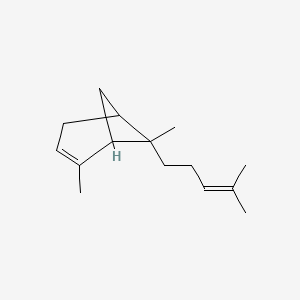
| The Content Variation of Natural Product Induced by Different Factor(s) | |||||||||||||||||||||||||||||||||||||||||||||||||||||||||||||||||||||||||||||||||||||||||
|---|---|---|---|---|---|---|---|---|---|---|---|---|---|---|---|---|---|---|---|---|---|---|---|---|---|---|---|---|---|---|---|---|---|---|---|---|---|---|---|---|---|---|---|---|---|---|---|---|---|---|---|---|---|---|---|---|---|---|---|---|---|---|---|---|---|---|---|---|---|---|---|---|---|---|---|---|---|---|---|---|---|---|---|---|---|---|---|---|---|
| Species Name: Baccharis spartioides | |||||||||||||||||||||||||||||||||||||||||||||||||||||||||||||||||||||||||||||||||||||||||
| Factor Name: Altitude Variation | [1] | ||||||||||||||||||||||||||||||||||||||||||||||||||||||||||||||||||||||||||||||||||||||||
| Experiment Detail |
Aerial parts of endemic pichana were harvested in December 1996 at different localities of northern Patagonia. Origin: Planicie Banderita, Dept. Confluencia, Province of NeuquCn. Habitat: altitude, 327 m; average temperature in the station, 21.8 ℃; annual precipitation, 125 mm; sandy soils. Aerial parts (5 kg, 2 kg of dried material;humidity, 11%) from four well developed plants at the fullflowering stage (December, 1996). Sample 2 : Origin: RincBn de 10s; Sauces, Dept. of Pehuenclies, Province of Neuqukn. Habitat: altitude, 750 m; average temperature in the station, 20.9 ℃; annual precipitation, 147 mm; sandy and gritty salty soils. Aerial parts (5 kg, 1.85 kg of dried material, humidity, 10%), from two well developed plants at the full flowering stage, and after several days copious rains (December, 1996). Sample 3: Origin: Coronel GBmez, Dept. General Roca, Province of Rio Negro. Habitat: altitude, 242 m; average temperature in the station, 22.5 ℃; annual precipitation, 179 mm; sandy and stony soils. Aerial parts (4.5 kg, 1.3 kg of dried material, humidity, 9%), from 12 young plants at the beginning flowering stage (December, 1996).
Click to Show/Hide
|
||||||||||||||||||||||||||||||||||||||||||||||||||||||||||||||||||||||||||||||||||||||||
| Factor Function |
Fifty-four components, representing approximately 84.6-97.4% of the oil samples, were identified. The samples consisted mainly of hydrocarbons and oxygenated monoterpenes. The major constituents were limonene (28.7-56.7%), 6R-7R-bisabolone (3.2-9.1%), sabinene (0.1-11.0%) and citronellal (2.4-5.2%). Significant differences among the content of the three samples could be the result of changes in the climatic conditions (sample 2: Rincon de los Sauces, Province of Neuquen, after strong rains) or by translocations in different parts of the plant (sample 3: Coronel Gomez, Province of Rio Negro, more leaves and less stems).
Click to Show/Hide
|
||||||||||||||||||||||||||||||||||||||||||||||||||||||||||||||||||||||||||||||||||||||||
| Factor | Part | Location | NP Content | ||||||||||||||||||||||||||||||||||||||||||||||||||||||||||||||||||||||||||||||||||||||
|
Locality: Planicie Banderita, Province of Neuquen; Altitude 327 m
|
Aerial parts | Patagonia, Argentina |
NP Content: 0.1 %
|
||||||||||||||||||||||||||||||||||||||||||||||||||||||||||||||||||||||||||||||||||||||
|
Locality: Coronel Gomez, Province of Rio Negro; Altitude 242 m
|
Aerial parts | Patagonia, Argentina |
NP Content: 0.1 %
|
||||||||||||||||||||||||||||||||||||||||||||||||||||||||||||||||||||||||||||||||||||||
| Species Name: Bocageopsis multiflora | |||||||||||||||||||||||||||||||||||||||||||||||||||||||||||||||||||||||||||||||||||||||||
| Factor Name: Seasonal Variation | [2] | ||||||||||||||||||||||||||||||||||||||||||||||||||||||||||||||||||||||||||||||||||||||||
| Experiment Detail |
Bocageopsis multiflora leaves were collected in the Adolpho Ducke reserve, Km 26 Manaus - Itacoatiara highway, in the State of Amazonas, Brazil. This species was collected in the rainy (April 2010) and dry seasons (September 2010).
Click to Show/Hide
|
||||||||||||||||||||||||||||||||||||||||||||||||||||||||||||||||||||||||||||||||||||||||
| Factor Function |
The main constituent of the oil collected in the rainy season was bisabolene (13.2%), while the main constituent in the dry season was spathulenol (16.2%). The highest yield (0.3%) was obtained for the oil collected in the rainy season.
Click to Show/Hide
|
||||||||||||||||||||||||||||||||||||||||||||||||||||||||||||||||||||||||||||||||||||||||
| Factor | Part | Location | NP Content | ||||||||||||||||||||||||||||||||||||||||||||||||||||||||||||||||||||||||||||||||||||||
|
Harvesting time: Rainy season
|
Leaves | Brazil |
NP Content: 9 %
|
||||||||||||||||||||||||||||||||||||||||||||||||||||||||||||||||||||||||||||||||||||||
|
Harvesting time: Dry season
|
Leaves | Brazil |
NP Content: 9.3 %
|
||||||||||||||||||||||||||||||||||||||||||||||||||||||||||||||||||||||||||||||||||||||
| Species Name: Hyptis pectinata | |||||||||||||||||||||||||||||||||||||||||||||||||||||||||||||||||||||||||||||||||||||||||
| Factor Name: Locality Variation | [3] | ||||||||||||||||||||||||||||||||||||||||||||||||||||||||||||||||||||||||||||||||||||||||
| Experiment Detail |
H. pectinutu is an odoriferous plant and occurs as a natural weed on the Fiji Islands and in West Africa as a winter hardy bush. In India, it grows as an erect perrennial shrub in Assam, Bengal and Madras regions. Tlie leaves are ovate and the leaf margins range from crenate to serrate. The flowers are pale purple to yellow in cymose clusters, arranged unilaterally. The nutlets are small, oblong and black.
Click to Show/Hide
|
||||||||||||||||||||||||||||||||||||||||||||||||||||||||||||||||||||||||||||||||||||||||
| Factor Function |
The major compounds present in the Indian oil were sabinene (27.8%), beta-pinene (6.7%), limonene (4.03%), alpha-terpinolene (6.0%), caryopliyllcne (17.2%), alpha-bergamotene (4.1%) and a C20H32-diterpene (5.8%). Other major hydrocarbons present were gamma-terpinene (1.4%), alpha-humulene (1.1%), beta-selinene (1.0%) and gamma-elemene (2.7%). The oil is rather poor in oxygenated terpenoids, the only major oxygen compounds detected were terpinen-4-ol(3.1%), spathulenol(1.1%), an unidentified sesquiterpene alcohol (1.4%) and trans-alpha-bergamotot (2.5%). The total oxygenated compounds constituted about 11% of the oil.
Click to Show/Hide
|
||||||||||||||||||||||||||||||||||||||||||||||||||||||||||||||||||||||||||||||||||||||||
| Factor | Part | Location | NP Content | ||||||||||||||||||||||||||||||||||||||||||||||||||||||||||||||||||||||||||||||||||||||
|
Locality: India
|
Whole plant | Kumaon, India |
NP Content: 4.1 %
|
||||||||||||||||||||||||||||||||||||||||||||||||||||||||||||||||||||||||||||||||||||||
| Species Name: Ocimum basilicum 'Fino Verde' | |||||||||||||||||||||||||||||||||||||||||||||||||||||||||||||||||||||||||||||||||||||||||
| Factor Name: Harvest Time Variation; High Temperature Treatment | [4] | ||||||||||||||||||||||||||||||||||||||||||||||||||||||||||||||||||||||||||||||||||||||||
| Experiment Detail |
MATERIAL AND METHODS: The study was separated in two experiments performed in our research station Campus Rural of The Federal University of Sergipe (UFS), Sao Cristovao city, Sergipe State, from December 03, 2002 to April 28, 2003. First harvesting: The first harvesting (Experiment 1) was performed 40 days after seedlings transplantation during full bloom on 03/06/2003. Harvesting was performed cutting plants at 20 cm height from the soil. The collected material consisted on separating leaves and inflorescences from the stalk. In the first experiment only used leaves in the analysis. Randomized block design in a 3x4 factorial scheme with three replications was used. Each plot was composed of five plants. Treatments were: three harvesting periods (8:00; 12:00, and 16:00 h) combined with three drying temperatures (40, 50, and 60 ℃) and fresh leaves. Second harvesting: To perform the second harvesting (Experiment 2) we collected the regrowth of plants used in Experiment 1. Plants were harvested fifty three days after the first harvesting (on 04/28/2003) at 8:00 h using the same procedures as the first one; however both leaves and infl orescences were used in the analysis. Randomized block design with three replications was used. Treatments were drying periods of 0, 1, 2, 3, 4, 5, 6, 7, 9, 11, 13, and 16 days for leaves and infl orescences in ovens with air renewal and circulation (Marconi model MA-037/5) at 40 ℃.
Click to Show/Hide
|
||||||||||||||||||||||||||||||||||||||||||||||||||||||||||||||||||||||||||||||||||||||||
| Factor Function |
Harvesting performed at 8:00 h and 12:00 h provided higher essential oil yield. After five days drying, the concentration of linalool raised from 45.18% to 86.80%. O. basilicum should be harvested during morning and the biomass dried at 40 ℃ for five days to obtain linalool rich essential oil.
Click to Show/Hide
|
||||||||||||||||||||||||||||||||||||||||||||||||||||||||||||||||||||||||||||||||||||||||
| Factor | Part | Location | NP Content | ||||||||||||||||||||||||||||||||||||||||||||||||||||||||||||||||||||||||||||||||||||||
|
Fresh Leaf: (Harvesting time: 8:00 h)
|
Leaves | Brazil |
NP Content: 2.59 %
|
||||||||||||||||||||||||||||||||||||||||||||||||||||||||||||||||||||||||||||||||||||||
|
Fresh Leaf: (Harvesting time: 12:00 h)
|
Leaves | Brazil |
NP Content: 4.33 %
|
||||||||||||||||||||||||||||||||||||||||||||||||||||||||||||||||||||||||||||||||||||||
|
Fresh Leaf: (Harvesting time: 16:00 h)
|
Leaves | Brazil |
NP Content: 3.88 %
|
||||||||||||||||||||||||||||||||||||||||||||||||||||||||||||||||||||||||||||||||||||||
|
Dry Leaf: (Harvesting time: 8:00 h) + (Drying temperature: 40 ℃)
|
Leaves | Brazil |
NP Content: 4.8 %
|
||||||||||||||||||||||||||||||||||||||||||||||||||||||||||||||||||||||||||||||||||||||
|
Dry Leaf: (Harvesting time: 12:00 h) + (Drying temperature: 40 ℃)
|
Leaves | Brazil |
NP Content: 4.7 %
|
||||||||||||||||||||||||||||||||||||||||||||||||||||||||||||||||||||||||||||||||||||||
|
Dry Leaf: (Harvesting time: 16:00 h) + (Drying temperature: 40 ℃)
|
Leaves | Brazil |
NP Content: 7.75 %
|
||||||||||||||||||||||||||||||||||||||||||||||||||||||||||||||||||||||||||||||||||||||
|
Dry Leaf: (Harvesting time: 8:00 h) + (Drying temperature: 50 ℃)
|
Leaves | Brazil |
NP Content: 6.33 %
|
||||||||||||||||||||||||||||||||||||||||||||||||||||||||||||||||||||||||||||||||||||||
|
Dry Leaf: (Harvesting time: 12:00 h) + (Drying temperature: 50 ℃)
|
Leaves | Brazil |
NP Content: 6.31 %
|
||||||||||||||||||||||||||||||||||||||||||||||||||||||||||||||||||||||||||||||||||||||
|
Dry Leaf: (Harvesting time: 16:00 h) + (Drying temperature: 50 ℃)
|
Leaves | Brazil |
NP Content: 6.36 %
|
||||||||||||||||||||||||||||||||||||||||||||||||||||||||||||||||||||||||||||||||||||||
|
Dry Leaf: (Harvesting time: 8:00 h) + (Drying temperature: 60 ℃)
|
Leaves | Brazil |
NP Content: 6.66 %
|
||||||||||||||||||||||||||||||||||||||||||||||||||||||||||||||||||||||||||||||||||||||
|
Dry Leaf: (Harvesting time: 12:00 h) + (Drying temperature: 60 ℃)
|
Leaves | Brazil |
NP Content: 6.59 %
|
||||||||||||||||||||||||||||||||||||||||||||||||||||||||||||||||||||||||||||||||||||||
|
Dry Leaf: (Harvesting time: 16:00 h) + (Drying temperature: 60 ℃)
|
Leaves | Brazil |
NP Content: 11.16 %
|
||||||||||||||||||||||||||||||||||||||||||||||||||||||||||||||||||||||||||||||||||||||
| Species Name: Vitis vinifera | |||||||||||||||||||||||||||||||||||||||||||||||||||||||||||||||||||||||||||||||||||||||||
| Factor Name: Variety Comparison | [5] | ||||||||||||||||||||||||||||||||||||||||||||||||||||||||||||||||||||||||||||||||||||||||
| Experiment Detail |
Grape pomaces and stalks of Nero d'Avola and Frappato were donated by the ''Valle dell'Acate'' wine firm, Acate, RG, Italy - those from Nerello Mascalese and Cabernet Sauvignon were given by the ''Emanuele Scammacca Barone del Murgo'' wine firm, Santa Venerina, CT, Italy. The winemaking procedures were similar for all samples, namely grape clusters were crushed and destemmed using a destemmer-crusher. The crushed grapes were treated with sulphur dioxide (0.2-0.5% total mash) and with selected strains of Saccharomyces cerevisiae to start up the fermentation. After 6-8 days of maceration, when alcoholic fermentation was finished, the mash was pressed. Stalks coming from destemming procedure and grape pomace coming from the maceration procedure were subjected to the distillation procedures within 24 h of their collection. All materials were collected during the 2004 vintage.
Click to Show/Hide
|
||||||||||||||||||||||||||||||||||||||||||||||||||||||||||||||||||||||||||||||||||||||||
| Factor Function |
On the whole, 38 components have been characterized in the samples of grape pomaces, with Frappato cv. showing the richest composition; instead, 88 components have been detected in the stalks of Frappato, Nero d'Avola, Nerello Mascalese and Cabernet Sauvignon varieties.
Click to Show/Hide
|
||||||||||||||||||||||||||||||||||||||||||||||||||||||||||||||||||||||||||||||||||||||||
| Factor | Part | Location | NP Content | ||||||||||||||||||||||||||||||||||||||||||||||||||||||||||||||||||||||||||||||||||||||
|
Vitis vinifera var. Cabernet Sauvignon
|
Stalks | Italy |
NP Content: < 0.05 %
|
||||||||||||||||||||||||||||||||||||||||||||||||||||||||||||||||||||||||||||||||||||||
|
Vitis vinifera var. Nerello Mascalese
|
Stalks | Italy |
NP Content: 0.49 %
|
||||||||||||||||||||||||||||||||||||||||||||||||||||||||||||||||||||||||||||||||||||||
