| The Content Variation of Natural Product Induced by Different Factor(s) | |||||||||||||||||||||||||||||||||||||||||||||||||||||||||||||||||||||||||||||||||||||||||
|---|---|---|---|---|---|---|---|---|---|---|---|---|---|---|---|---|---|---|---|---|---|---|---|---|---|---|---|---|---|---|---|---|---|---|---|---|---|---|---|---|---|---|---|---|---|---|---|---|---|---|---|---|---|---|---|---|---|---|---|---|---|---|---|---|---|---|---|---|---|---|---|---|---|---|---|---|---|---|---|---|---|---|---|---|---|---|---|---|---|
| Species Name: Citrus sinensis (Hongjiang) | |||||||||||||||||||||||||||||||||||||||||||||||||||||||||||||||||||||||||||||||||||||||||
| Factor Name: Variety Comparison | [1] | ||||||||||||||||||||||||||||||||||||||||||||||||||||||||||||||||||||||||||||||||||||||||
| Experiment Detail |
Four kinds of fresh sweet oranges were obtained in the same season, November 2000, in Guangzhou. Citrus sinensis var. Hongjiang (called 'hong jiang chen' in Chinese) and C. sinensis Osbeck var. Anliu (called 'luo gang chen') were obtained at an orchard in Luo gang in Guangzhou (25 km from the center of Guangzhou). Citrus sinensis var. Sihui (called 'sihui ju') was harvested at the Shigou Experimental Farm in Sihui City in Guangdong Province (75 km far away from Guangzhou). Citrus sinensis var. Washington navel (called 'qi chen') which was produced in Jiangxi Province (200 km from Guangzhou; bordering Guangdong Province), was purchased at the wholesale market in Guangzhou. All oranges were kept in a cold room until prepared a few days later.
Click to Show/Hide
|
||||||||||||||||||||||||||||||||||||||||||||||||||||||||||||||||||||||||||||||||||||||||
| Factor Function |
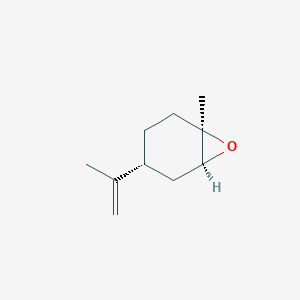
The peel oil compositions of four kinds of sweet oranges in China, Citrus sinensis Osbeck var. Hongjian, C. sinensis Osbeck var. Anliu, C. sinensis Osbeck var. Sihui and C. sinensis Osbeck var. Washington navel, were investigated by GC and GC/MS. The essential oils were extracted by cold-pressing method. Forty-two to 53 compounds were quantitatively determined for each variety. Their percentages, respectively, were: > 97.3%, > 98.4%, > 97.5% and > 98.0% in hydrocarbons; > 1.5%, > 0.7%, > 0.8% and > 0.9% in total aldehydes; 0.8%, 0.5%, 0.5% and 0.5% in alcohols. Either cis-or trans-limonene oxide was detected in small amounts in each of the four samples, with Hongjiang containing both limonene oxides. delta-3-Carene was commonly quantified at a level of 0.1% in all the samples. The content of aliphatic aldehydes, including octanal, nonanal, decanal and dodecanal, exceeded that of terpene aldehydes, such as neral and geranial in Hongjiang (0.9%) and Washington navel (0.6%), whereas the aliphatic aldehydes in Anliu and Sihui were present to a lesser degree than the terpene aldehydes. Either alpha- or beta-sinensal was detected in trace amounts in each of the four samples. Linalool was the major alcohol in all the samples. Nootkatone was not detected.
Click to Show/Hide
|
||||||||||||||||||||||||||||||||||||||||||||||||||||||||||||||||||||||||||||||||||||||||
| Factor | Part | Location | NP Content | ||||||||||||||||||||||||||||||||||||||||||||||||||||||||||||||||||||||||||||||||||||||
|
Citrus sinensis var. Hongjiang
|
Fruits | China |
NP Content: < 0.005 %
|
||||||||||||||||||||||||||||||||||||||||||||||||||||||||||||||||||||||||||||||||||||||
|
Citrus sinensis var. Sihui
|
Fruits | China |
NP Content: > 0.005; < 0.05 %
|
||||||||||||||||||||||||||||||||||||||||||||||||||||||||||||||||||||||||||||||||||||||
|
Citrus sinensis var. Washington navel
|
Fruits | China |
NP Content: > 0.005; < 0.05 %
|
||||||||||||||||||||||||||||||||||||||||||||||||||||||||||||||||||||||||||||||||||||||
| Species Name: Fortunella japonica Lour. Swingle | |||||||||||||||||||||||||||||||||||||||||||||||||||||||||||||||||||||||||||||||||||||||||
| Factor Name: Heat Stress Treatment | [2] | ||||||||||||||||||||||||||||||||||||||||||||||||||||||||||||||||||||||||||||||||||||||||
| Experiment Detail |
The investigation was carried out on kumquat [Fortunella japonica Lour. Swingle] cv. Ovale, grown in an experimental orchard located in central western Sardinia (Italy), receiving standard horticultural practices. Fruits were randomly harvested in March, when commercially mature (total soluble solids content/titratable acidity ratio = 5.24) and delivered to the laboratory immediately after harvest. Medium-size fruits free from defects were selected, placed into boxes (100 fruits per box), and grouped into two treatment groups of three boxes each (replications). The fruits of the first group were untreated (control fruit), whereas fruits of the second group were subjected to a standard treatment, water dipping at 50 ℃ for 2 min, for extending the postharvest life of kumquat fruit. Dip treatment was performed as described previously. After treatments, fruits were allowed to dry at room temperature and stored for 21 days at 17 ℃ and ca. 80% relative humidity (simulated shelf-life conditions). All analyses were performed following treatments and at the end of storage.
Click to Show/Hide
|
||||||||||||||||||||||||||||||||||||||||||||||||||||||||||||||||||||||||||||||||||||||||
| Factor Function |
The concentration of the essential oil and the relative percentage of the individual components of the essential oil were not affected by HWD except for the minor compound p-menta-1,5-dien-1-ol, which increased after HWD.
Click to Show/Hide
|
||||||||||||||||||||||||||||||||||||||||||||||||||||||||||||||||||||||||||||||||||||||||
| Factor | Part | Location | NP Content | ||||||||||||||||||||||||||||||||||||||||||||||||||||||||||||||||||||||||||||||||||||||
|
Control: stored for 0 days
|
fruit | Sardinia, Italy |
NP Content: 0.05 %
|
||||||||||||||||||||||||||||||||||||||||||||||||||||||||||||||||||||||||||||||||||||||
