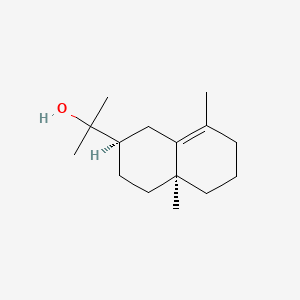
| The Content Variation of Natural Product Induced by Different Factor(s) | |||||||||||||||||||||||||||||||||||||||||||||||||||||||||||||||||||||||||||||||||||||||||
|---|---|---|---|---|---|---|---|---|---|---|---|---|---|---|---|---|---|---|---|---|---|---|---|---|---|---|---|---|---|---|---|---|---|---|---|---|---|---|---|---|---|---|---|---|---|---|---|---|---|---|---|---|---|---|---|---|---|---|---|---|---|---|---|---|---|---|---|---|---|---|---|---|---|---|---|---|---|---|---|---|---|---|---|---|---|---|---|---|---|
| Species Name: Aquilaria agallocha | |||||||||||||||||||||||||||||||||||||||||||||||||||||||||||||||||||||||||||||||||||||||||
| Factor Name: Plant Pathogen Infection | [1] | ||||||||||||||||||||||||||||||||||||||||||||||||||||||||||||||||||||||||||||||||||||||||
| Experiment Detail |
Artificial inoculation of fungal isolates: The most frequently isolated fungi from infected agarwood (e.g. Chaetomium globosum and Fusarium oxysporum) were inoculated to the healthy plants by artifi cial boring on to the plants. Inoculation was made with two different fungi alone and in their combination. Observations were made at an interval of 30 days after inoculation.
Click to Show/Hide
|
||||||||||||||||||||||||||||||||||||||||||||||||||||||||||||||||||||||||||||||||||||||||
| Factor Function |
This investigation showed a marked difference in the oil compositions among the treatments with regards to their quality. Valerianol (3.0%) and tetradec-anioc acid (7.1%) contents were recorded higher in the oils of naturally infected plants than in that of healthy ones (0.1% and 6.9%, respectively). Pentadecenoic acid was totally absent in the oils of healthy, whereas it was found in a greater amount (6.8%) in the oil of naturally infected plants. In contrast, dodecanoic acid (3.1%), pentadecanoic acid (6.2%), hexadecanoic acid (31.5%) and octadecanoic acid (4.1%) were found in a higher amount in the oils of healthy plants, while the oils obtained from naturally infected plants contained lower amounts of these components (2.5%, 4.8%, 20.0% and 1.0%, respectively). The oils obtained from the inoculated plants showed almost similar distribution of the components with healthy plants.
Click to Show/Hide
|
||||||||||||||||||||||||||||||||||||||||||||||||||||||||||||||||||||||||||||||||||||||||
| Factor | Part | Location | NP Content | ||||||||||||||||||||||||||||||||||||||||||||||||||||||||||||||||||||||||||||||||||||||
|
Naturally infected plants (C. globosum or F. oxysporum)
|
Wood chips | India |
NP Content: 1.5 %
|
||||||||||||||||||||||||||||||||||||||||||||||||||||||||||||||||||||||||||||||||||||||
|
Artificial inoculation plants (Chaetomium globosum)
|
Wood chips | India |
NP Content: trace %
|
||||||||||||||||||||||||||||||||||||||||||||||||||||||||||||||||||||||||||||||||||||||
|
Artificial inoculation plants (C. globosum and F. oxysporum)
|
Wood chips | India |
NP Content: 0.6 %
|
||||||||||||||||||||||||||||||||||||||||||||||||||||||||||||||||||||||||||||||||||||||
| Species Name: Cymbopogon winterianus | |||||||||||||||||||||||||||||||||||||||||||||||||||||||||||||||||||||||||||||||||||||||||
| Factor Name: Pest Infestation | [2] | ||||||||||||||||||||||||||||||||||||||||||||||||||||||||||||||||||||||||||||||||||||||||
| Experiment Detail |
General plantation of citronella cv. Java 2 was maintained following recommended agricultural practices at the Experimental Farm of Central Institute of Medicinal and Aromatic Plants, Field Station, Hyderabad, India. The experimental station has a semi-arid tropical climate. The experiment was conducted in the same plantation for 2 consecutive years during the summer month of June 1996 and 1997, when the incidence of the disease was higher. In each year, 12 each of healthy and diseased plants were selected at random and harvested. The occurrence of the disease is generally observed during the hot summer season months, when the temperatures are in the range 36-43 ℃. Initial symptoms of the pest attack appear as yellow specks or blotches, mostly along leaf margins, that in later stages develop into yellow streaks running along the length of the affected leaves. Emerging young leaves are pale green to yellow coloured, twisted, crinkled, developed into whip-like structures and in severe cases of infection fail to open. Even if they do open, these leaves fail to exhibit a smooth leaf surface. Severely affected older leaves turn brown, dry and die. The overall growth and development of the infected plant is severely affected, giving it a dwarfed and unhealthy appearance.
Click to Show/Hide
|
||||||||||||||||||||||||||||||||||||||||||||||||||||||||||||||||||||||||||||||||||||||||
| Factor Function |
The essential oil examined by GC and GC-MS from cultivated healthy plants contained citronellal (28.4%), geraniol (24.8%), citronellol (11.8%) and elemol (10.2%). The major components from diseased plants were geraniol (19.0-25.5%), elemol (15.3-20.4%), citronellal (13.4-19.1%) and citronellol (12.9-15.1%). Caryophyllene oxide (3.5-6.0%) was an important minor component.
Click to Show/Hide
|
||||||||||||||||||||||||||||||||||||||||||||||||||||||||||||||||||||||||||||||||||||||||
| Factor | Part | Location | NP Content | ||||||||||||||||||||||||||||||||||||||||||||||||||||||||||||||||||||||||||||||||||||||
|
Healthy leaves of healthy plant
|
Leaves | Hyderabad, India |
NP Content: 0.1 %
|
||||||||||||||||||||||||||||||||||||||||||||||||||||||||||||||||||||||||||||||||||||||
|
Healthy leaves of diseased plant (Yellowing and crinkling disease)
|
Leaves | Hyderabad, India |
NP Content: 0.2 %
|
||||||||||||||||||||||||||||||||||||||||||||||||||||||||||||||||||||||||||||||||||||||
|
Crinkled, whip like leaves of diseased plant (Yellowing and crinkling disease)
|
Leaves | Hyderabad, India |
NP Content: 0.1 %
|
||||||||||||||||||||||||||||||||||||||||||||||||||||||||||||||||||||||||||||||||||||||
|
Dead leaves of diseased plant (Yellowing and crinkling disease)
|
Leaves | Hyderabad, India |
NP Content: 0.1 %
|
||||||||||||||||||||||||||||||||||||||||||||||||||||||||||||||||||||||||||||||||||||||
|
Semi-diseased leaves of diseased plant (Yellowing and crinkling disease)
|
Leaves | Hyderabad, India |
NP Content: 0.2 %
|
||||||||||||||||||||||||||||||||||||||||||||||||||||||||||||||||||||||||||||||||||||||
| Species Name: Pelargonium graveolens L'Her. | |||||||||||||||||||||||||||||||||||||||||||||||||||||||||||||||||||||||||||||||||||||||||
| Factor Name: Cultivar Comparison; Seasonal Variation | [3] | ||||||||||||||||||||||||||||||||||||||||||||||||||||||||||||||||||||||||||||||||||||||||
| Experiment Detail |
One-month-old rooted stem cuttings of three rosescented geranium cultivars, namely Bourbon type, CIM-Pawan and Kelkar were transplanted at 50 × 50 cm plant spacing in the experimental field of Central Institute of Medicinal and Aromatic Plants, Research Center Purara, Uttarakhand, in October 2007. Plants were irrigated immediately after transplanting and further crops were raised following the normal agricultural practices needed to grow the plant. The experimental site is located between the coordinates 28° 60′ and 31° 29′ N, 77° 49′ and 80° 60 m E, and at an altitude of 1250 m in the Kattyur valley. Climatologically, it is categorized as a sub-temperate (1200-1700 m) zone, where monsoon usually breaks in June and continues up to September. Sampling of the rose-scented geranium cultivars was started from March 2008 and taken on the tenth of every month until February 2009. Samples were collected in triplicate in each season. (A, cv. Bourbon type; B, cv. CIM-Pawan; C, cv. Kelkar; I, spring season; II, summer season; III, rainy season;IV, autumn season; V, winter season).
Click to Show/Hide
|
||||||||||||||||||||||||||||||||||||||||||||||||||||||||||||||||||||||||||||||||||||||||
| Factor Function |
The major components in the essential oil of cv. Bourbon type were geraniol (14.1-34.6%), citronellol (15.2-31.3%), linalool (2.9-9.2%), citronellyl formate (4.4-9.2%), isomenthone (4.5-6.6%), 10-epi-gamma-eudesmol (4.7-6.7%) and geranyl formate (3.8-6.2%). The dominant constituents of the cv. CIM-Pawan essential oil were geraniol (11.9-31.9%), citronellol (16.1-30.2%), citronellyl formate (5.2-8.9%), linalool (3.7-6.4%), isomenthone (4.0-6.3%), 10-epi-gamma-eudesmol (4.4-5.2%) and geranyl formate (4.3-5.0%). However, the chemical composition and odor of cv. Kelkar was quite different from the other two cultivars and the major components found in this oil were citronellol (51.0-63.4%) and isomenthone (9.8-17.8%).
Click to Show/Hide
|
||||||||||||||||||||||||||||||||||||||||||||||||||||||||||||||||||||||||||||||||||||||||
| Factor | Part | Location | NP Content | ||||||||||||||||||||||||||||||||||||||||||||||||||||||||||||||||||||||||||||||||||||||
|
Pelargonium graveolens cv. Bourbon type: (Harvesting time: spring season)
|
Fresh herb | Iran |
NP Content: 4.7 %
|
||||||||||||||||||||||||||||||||||||||||||||||||||||||||||||||||||||||||||||||||||||||
|
Pelargonium graveolens cv. Bourbon type: (Harvesting time: summer season)
|
Fresh herb | Iran |
NP Content: 5.6 %
|
||||||||||||||||||||||||||||||||||||||||||||||||||||||||||||||||||||||||||||||||||||||
|
Pelargonium graveolens cv. Bourbon type: (Harvesting time: autumn season)
|
Fresh herb | Iran |
NP Content: 6.7 %
|
||||||||||||||||||||||||||||||||||||||||||||||||||||||||||||||||||||||||||||||||||||||
|
Pelargonium graveolens cv. Bourbon type: (Harvesting time: winter season)
|
Fresh herb | Iran |
NP Content: 4.8 %
|
||||||||||||||||||||||||||||||||||||||||||||||||||||||||||||||||||||||||||||||||||||||
|
Pelargonium graveolens cv. Bourbon type: (Harvesting time: rainy season)
|
Fresh herb | Iran |
NP Content: 4.7 %
|
||||||||||||||||||||||||||||||||||||||||||||||||||||||||||||||||||||||||||||||||||||||
|
Pelargonium graveolens cv. CIM-Pawan: (Harvesting time: spring season)
|
Fresh herb | Iran |
NP Content: 5.2 %
|
||||||||||||||||||||||||||||||||||||||||||||||||||||||||||||||||||||||||||||||||||||||
|
Pelargonium graveolens cv. CIM-Pawan: (Harvesting time: summer season)
|
Fresh herb | Iran |
NP Content: 5.2 %
|
||||||||||||||||||||||||||||||||||||||||||||||||||||||||||||||||||||||||||||||||||||||
|
Pelargonium graveolens cv. CIM-Pawan: (Harvesting time: autumn season)
|
Fresh herb | Iran |
NP Content: 4.9 %
|
||||||||||||||||||||||||||||||||||||||||||||||||||||||||||||||||||||||||||||||||||||||
|
Pelargonium graveolens cv. CIM-Pawan: (Harvesting time: winter season)
|
Fresh herb | Iran |
NP Content: 4.4 %
|
||||||||||||||||||||||||||||||||||||||||||||||||||||||||||||||||||||||||||||||||||||||
|
Pelargonium graveolens cv. CIM-Pawan: (Harvesting time: rainy season)
|
Fresh herb | Iran |
NP Content: 5 %
|
||||||||||||||||||||||||||||||||||||||||||||||||||||||||||||||||||||||||||||||||||||||
|
Pelargonium graveolens cv. Kelkar: (Harvesting time: spring season)
|
Fresh herb | Iran |
NP Content: 0.2 %
|
||||||||||||||||||||||||||||||||||||||||||||||||||||||||||||||||||||||||||||||||||||||
|
Pelargonium graveolens cv. Kelkar: (Harvesting time: summer season)
|
Fresh herb | Iran |
NP Content: 0.3 %
|
||||||||||||||||||||||||||||||||||||||||||||||||||||||||||||||||||||||||||||||||||||||
| Species Name: Talauma ovata | |||||||||||||||||||||||||||||||||||||||||||||||||||||||||||||||||||||||||||||||||||||||||
| Factor Name: Month Variation | [4] | ||||||||||||||||||||||||||||||||||||||||||||||||||||||||||||||||||||||||||||||||||||||||
| Experiment Detail |
Talauma ovata was collected from October 2003 to February 2005. Leaves and trunk bark from the same set of plants were collected in the four seasons: spring (October 15th, 2003), autumn (April 10th, 2004), winter (July 17th, 2004) and summer (February 15th, 2005). In addition, trunk bark was also collected on January 22nd, 2004 (summer). The plant material was harvested from wild-growing population in Santos Dumont City, Minas Gerais State, Brazil, (21° 28′ 03″ S, 43° 39′ 26″ W), at 1000 m of altitude.
Click to Show/Hide
|
||||||||||||||||||||||||||||||||||||||||||||||||||||||||||||||||||||||||||||||||||||||||
| Factor Function |
In each season the composition of trunk bark oils was similar to leaf oils, with mainly quantitative differences. However considerable seasonal variation was observed. Significant levels of monoterpenes were found only in autumn. The content of oxygenated sesquiterpenes was highest in samples of spring (October) and decreased in summer (January and February), reaching the lowest level in autumn (April) and increasing again in winter (July). In trunk bark oils the main constituents were: spathulenol, alpha-eudesmol, linalool, trans-beta-guaiene and caryophyllene oxide. The major component in all samples of trunk bark was spathulenol. Its level was highest in October (46.8%), decreased in January (33.3%), remained stable in April and July (18.0%) and increased again in February of next year (27.7%). Levels of alpha-eudesmol were high in spring (13.0%) and autumn (11.5%). Linalool peaked only in April, while trans-beta-guaiane peaked in July (11.1%). Caryophyllene oxide ranged between 10.7-2.0%. The level was highest in January, decreased regularly until July and increased slightly again in October. In leaf oils the main components were: spathulenol, germacrene B, germacrene D, caryophyllene oxide and viridiflorol. Spathulenol was the major component in sample of spring (34.4%), but decreased gradually until winter, when reached the lowest level (9.4%). Caryophyllene oxide showed a similar pattern, varying from 14.1% (spring) to 2.4% (winter). An inverse effect was observed for viridiflorol, which increased from 0.1% in October to 13.7% in July. Important levels of alpha-eudesmol were observed in October (12.3%) and February (9.5%). The percentage of germacrene D was highest in summer, while germacrene B showed high amounts in autumn and winter. The seasonal changes in oil composition of T. ovata can be associated with cycle of life of plant (flowering, fruiting and vegetative stages) and climatic parameters such as intense raining in the spring and summer.
Click to Show/Hide
|
||||||||||||||||||||||||||||||||||||||||||||||||||||||||||||||||||||||||||||||||||||||||
| Factor | Part | Location | NP Content | ||||||||||||||||||||||||||||||||||||||||||||||||||||||||||||||||||||||||||||||||||||||
|
Trunk Bark: (Harvesting time: January)
|
Trunk bark | Brazil |
NP Content: 0.8 %
|
||||||||||||||||||||||||||||||||||||||||||||||||||||||||||||||||||||||||||||||||||||||
|
Trunk Bark: (Harvesting time: February)
|
Trunk bark | Brazil |
NP Content: 0.6 %
|
||||||||||||||||||||||||||||||||||||||||||||||||||||||||||||||||||||||||||||||||||||||
|
Trunk Bark: (Harvesting time: July)
|
Trunk bark | Brazil |
NP Content: 0.3 %
|
||||||||||||||||||||||||||||||||||||||||||||||||||||||||||||||||||||||||||||||||||||||
|
Trunk Bark: (Harvesting time: October)
|
Trunk bark | Brazil |
NP Content: 1.6 %
|
||||||||||||||||||||||||||||||||||||||||||||||||||||||||||||||||||||||||||||||||||||||
| Species Name: Thymus vulgaris | |||||||||||||||||||||||||||||||||||||||||||||||||||||||||||||||||||||||||||||||||||||||||
| Factor Name: Cultivar Comparison; Seasonal Variation | [3] | ||||||||||||||||||||||||||||||||||||||||||||||||||||||||||||||||||||||||||||||||||||||||
| Experiment Detail |
One-month-old rooted stem cuttings of three rosescented geranium cultivars, namely Bourbon type, CIM-Pawan and Kelkar were transplanted at 50 × 50 cm plant spacing in the experimental field of Central Institute of Medicinal and Aromatic Plants, Research Center Purara, Uttarakhand, in October 2007. Plants were irrigated immediately after transplanting and further crops were raised following the normal agricultural practices needed to grow the plant. The experimental site is located between the coordinates 28° 60′ and 31° 29′ N, 77° 49′ and 80° 60 m E, and at an altitude of 1250 m in the Kattyur valley. Climatologically, it is categorized as a sub-temperate (1200-1700 m) zone, where monsoon usually breaks in June and continues up to September. Sampling of the rose-scented geranium cultivars was started from March 2008 and taken on the tenth of every month until February 2009. Samples were collected in triplicate in each season. (A, cv. Bourbon type; B, cv. CIM-Pawan; C, cv. Kelkar; I, spring season; II, summer season; III, rainy season;IV, autumn season; V, winter season).
Click to Show/Hide
|
||||||||||||||||||||||||||||||||||||||||||||||||||||||||||||||||||||||||||||||||||||||||
| Factor Function |
The major components in the essential oil of cv. Bourbon type were geraniol (14.1-34.6%), citronellol (15.2-31.3%), linalool (2.9-9.2%), citronellyl formate (4.4-9.2%), isomenthone (4.5-6.6%), 10-epi-gamma-eudesmol (4.7-6.7%) and geranyl formate (3.8-6.2%). The dominant constituents of the cv. CIM-Pawan essential oil were geraniol (11.9-31.9%), citronellol (16.1-30.2%), citronellyl formate (5.2-8.9%), linalool (3.7-6.4%), isomenthone (4.0-6.3%), 10-epi-gamma-eudesmol (4.4-5.2%) and geranyl formate (4.3-5.0%). However, the chemical composition and odor of cv. Kelkar was quite different from the other two cultivars and the major components found in this oil were citronellol (51.0-63.4%) and isomenthone (9.8-17.8%).
Click to Show/Hide
|
||||||||||||||||||||||||||||||||||||||||||||||||||||||||||||||||||||||||||||||||||||||||
| Factor | Part | Location | NP Content | ||||||||||||||||||||||||||||||||||||||||||||||||||||||||||||||||||||||||||||||||||||||
|
Pelargonium graveolens cv. Kelkar: (Harvesting time: autumn season)
|
Fresh herb | Iran |
NP Content: 0.2 %
|
||||||||||||||||||||||||||||||||||||||||||||||||||||||||||||||||||||||||||||||||||||||
|
Pelargonium graveolens cv. Kelkar: (Harvesting time: winter season)
|
Fresh herb | Iran |
NP Content: 0.3 %
|
||||||||||||||||||||||||||||||||||||||||||||||||||||||||||||||||||||||||||||||||||||||
