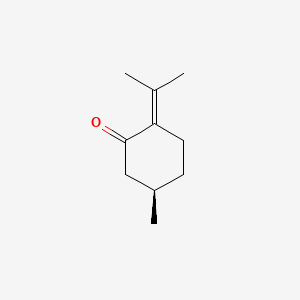
| The Content Variation of Natural Product Induced by Different Factor(s) | |||||||||||||||||||||||||||||||||||||||||||||||||||||||||||||||||||||||||||||||||||||||||
|---|---|---|---|---|---|---|---|---|---|---|---|---|---|---|---|---|---|---|---|---|---|---|---|---|---|---|---|---|---|---|---|---|---|---|---|---|---|---|---|---|---|---|---|---|---|---|---|---|---|---|---|---|---|---|---|---|---|---|---|---|---|---|---|---|---|---|---|---|---|---|---|---|---|---|---|---|---|---|---|---|---|---|---|---|---|---|---|---|---|
| Species Name: Cunila angustifolia | |||||||||||||||||||||||||||||||||||||||||||||||||||||||||||||||||||||||||||||||||||||||||
| Factor Name: Seasonal Variation | [1] | ||||||||||||||||||||||||||||||||||||||||||||||||||||||||||||||||||||||||||||||||||||||||
| Experiment Detail |
The leaves of Cunila angustifolia which were collected in the Santa Catarina state, Brazil in October (2001), January (2002), April (2002) and July (2002).
Click to Show/Hide
|
||||||||||||||||||||||||||||||||||||||||||||||||||||||||||||||||||||||||||||||||||||||||
| Factor Function |
The oxygenated compounds were found with high concentration (winter- 77.0%, spring- 84.1%, summer- 82.2% and autumn76.2%). Seasons with low temperature showed increasing in the concentration non-oxygenated compounds (winter- 18.6%, spring- 13.6%, summer- 10.2% and autumn- 19.2%). There is little variation in the main component (pulegone) of the oil on different seasons. The spring oil showed a high concentration this monoterpene (72.3%). The other season's oils showed increasing amounts in the concentration of isomenthone and neomenthol. Winter and autumn oils showed a significant increase in the concentration of beta- caryophyllene and bicyclogermacrene.
Click to Show/Hide
|
||||||||||||||||||||||||||||||||||||||||||||||||||||||||||||||||||||||||||||||||||||||||
| Factor | Part | Location | NP Content | ||||||||||||||||||||||||||||||||||||||||||||||||||||||||||||||||||||||||||||||||||||||
|
Harvesting time: Spring
|
Leaves | Brazil |
NP Content: 72.3 %
|
||||||||||||||||||||||||||||||||||||||||||||||||||||||||||||||||||||||||||||||||||||||
|
Harvesting time: Summer
|
Leaves | Brazil |
NP Content: 64.1 %
|
||||||||||||||||||||||||||||||||||||||||||||||||||||||||||||||||||||||||||||||||||||||
|
Harvesting time: Autumn
|
Leaves | Brazil |
NP Content: 56 %
|
||||||||||||||||||||||||||||||||||||||||||||||||||||||||||||||||||||||||||||||||||||||
|
Harvesting time: Winter
|
Leaves | Brazil |
NP Content: 56.5 %
|
||||||||||||||||||||||||||||||||||||||||||||||||||||||||||||||||||||||||||||||||||||||
| Species Name: Ducrosia anethifolia | |||||||||||||||||||||||||||||||||||||||||||||||||||||||||||||||||||||||||||||||||||||||||
| Factor Name: Locality Variation | [2] | ||||||||||||||||||||||||||||||||||||||||||||||||||||||||||||||||||||||||||||||||||||||||
| Experiment Detail |
The aerial parts of Ducrosia anethifolia (DC.) Boiss. were collected in the wild from Mehdi Abad (Kerman province, in southern Iran) at the flowering stage in June 2006. The material was dried at room temperature.
Click to Show/Hide
|
||||||||||||||||||||||||||||||||||||||||||||||||||||||||||||||||||||||||||||||||||||||||
| Factor Function |
The 63 components of this interesting plant were identified in the oil of D. anethifolia, representing 94.0% of the oil. alpha-Pinene (11.6%), terpinolene(3.2%) and (z)-beta-ocimene (2.8%) were the main hydrocarbon components present in the oil, while decanal (54.0%), cis-chrysanthenyl acetate(3.2%) and decanoic acid (1.3%) were the major oxygen-containing constituents.
Click to Show/Hide
|
||||||||||||||||||||||||||||||||||||||||||||||||||||||||||||||||||||||||||||||||||||||||
| Factor | Part | Location | NP Content | ||||||||||||||||||||||||||||||||||||||||||||||||||||||||||||||||||||||||||||||||||||||
|
Locality: Kerman, Iran
|
Aerial parts | Iran |
NP Content: 0.2 %
|
||||||||||||||||||||||||||||||||||||||||||||||||||||||||||||||||||||||||||||||||||||||
| Species Name: Ducrosia assadii | |||||||||||||||||||||||||||||||||||||||||||||||||||||||||||||||||||||||||||||||||||||||||
| Factor Name: Locality Variation | [3] | ||||||||||||||||||||||||||||||||||||||||||||||||||||||||||||||||||||||||||||||||||||||||
| Experiment Detail |
The aerial parts of D. assadii Alava. were collected in the wild from Lalehzar (Kerman Province, in southern Iran) at the flowering stage, in July 2007. The material was dried at room temperature and used for distillation. Distillation: A direct-fired field distillation unit containing a distillation tank (capacity: 1,000 L), a condensation column and receiver, all made of stainless steel, and which can process 30-50 kg of dried aerial parts from the plants/batch, was installed at an altitude of 2600 m (boiling point: 87 ℃). Dried aerial parts from the plants (40 kg) were charged into the distillation unit along with 500 L fresh water and the unit was heated by steam. The system was kept open to atmospheric pressure until the temperature reached to 70 ℃, when the air present in the unit was replaced by the vapor. After complete removal of air from the unit, the air vent was closed and the whole unit was operated as a closed system under pressure to distill the oil. The pressure, temperature and rate of distillation were controlled manually. The process was completed after the collection of 500 L of water distillate. The oil collected in the receiver and dried over anhydrous Na2SO4. Extraction of Ducrosia Second Oil From Ducrosia Water by Redistillation: The seprated distillate water collected in the receiver was redistilled in a 1,000 L still to yield more Doucrosia oil (this oil is known as secondary essential oil, second oil, cooked oil or indirect oil).
Click to Show/Hide
|
||||||||||||||||||||||||||||||||||||||||||||||||||||||||||||||||||||||||||||||||||||||||
| Factor Function |
Fifty components were identified in a second oil of D. assadii from Lalehzar with decanal (35.2%), nonadecane (12%) and citronellyl acetate (11.6%) as the main constituents. The oil from Dehbakrii also contained decanal (36.4%) as the main component of an oil recovered from the distillate water. The results showed that the amount of decanal is remarkably high in the oils of D. assadii.
Click to Show/Hide
|
||||||||||||||||||||||||||||||||||||||||||||||||||||||||||||||||||||||||||||||||||||||||
| Factor | Part | Location | NP Content | ||||||||||||||||||||||||||||||||||||||||||||||||||||||||||||||||||||||||||||||||||||||
|
Locality: Dehbakrii village, Provonce of Kerman, southern Iran
|
Aerial parts | Iran |
NP Content: 0.2 %
|
||||||||||||||||||||||||||||||||||||||||||||||||||||||||||||||||||||||||||||||||||||||
|
Locality: Lalehzar, Kerman Province, southern Iran
|
Aerial parts | Iran |
NP Content: 1.8 %
|
||||||||||||||||||||||||||||||||||||||||||||||||||||||||||||||||||||||||||||||||||||||
| Species Name: Mentha longifolia | |||||||||||||||||||||||||||||||||||||||||||||||||||||||||||||||||||||||||||||||||||||||||
| Factor Name: Locality Variation | [4] | ||||||||||||||||||||||||||||||||||||||||||||||||||||||||||||||||||||||||||||||||||||||||
| Experiment Detail |
Plants were collected in the Inner plain, the Sharon plain and the kava valley.
Click to Show/Hide
|
||||||||||||||||||||||||||||||||||||||||||||||||||||||||||||||||||||||||||||||||||||||||
| Factor Function |
The major constituent of all three oils was found to be 1,8-cineole (26.4-34.5%) followed by menthone (10.0-16.7%), pulegone (7.0-7.5%), and isomenthone (4.7-7.8%). Despite some differences in the component proportions, the plants of all three populations clearly belong to the same chemotype.
Click to Show/Hide
|
||||||||||||||||||||||||||||||||||||||||||||||||||||||||||||||||||||||||||||||||||||||||
| Factor | Part | Location | NP Content | ||||||||||||||||||||||||||||||||||||||||||||||||||||||||||||||||||||||||||||||||||||||
|
Locality: Sharon plain, Israel
|
Aerial parts | Israel |
NP Content: 7 %
|
||||||||||||||||||||||||||||||||||||||||||||||||||||||||||||||||||||||||||||||||||||||
|
Locality: Arava valley, Israel
|
Aerial parts | Israel |
NP Content: 7 %
|
||||||||||||||||||||||||||||||||||||||||||||||||||||||||||||||||||||||||||||||||||||||
|
Locality: Inner plain, Israel
|
Aerial parts | Israel |
NP Content: 7.5 %
|
||||||||||||||||||||||||||||||||||||||||||||||||||||||||||||||||||||||||||||||||||||||
| Species Name: Mentha piperita | |||||||||||||||||||||||||||||||||||||||||||||||||||||||||||||||||||||||||||||||||||||||||
| Factor Name: Drought Stress Treatment; NaCl Treatment | [5] | ||||||||||||||||||||||||||||||||||||||||||||||||||||||||||||||||||||||||||||||||||||||||
| Experiment Detail |
Peppermint plants were initiated from rhizome cuttings (10 cm long) supplied by Jahad Daneshgahi in March 2009. According to the method described by Farahani et al., (2009), seventy five peppermint samples were notified above were transferred into pots (25 cm head diameter × 20 cm height) filled with sandy loam soil (soil average amount of 5580 gr in each pot). This experiment was carried out using a randomized compllete block design with 3 replications. The factors studied included 5 levels of water deficit stress that were D1 (100% field capacity), D2 (85% field capacity), D3 (70% field capacity), D4 (60% field capacity) and D5 (45% field capacity), respectively. In order to determine the soil moisture rate of 100% field capacity, 24 h after irrigation we selected 5 field soil samples by sampling drill, then samples were weighed by electrical scale and placed under 105 ℃ in electrical oven for 48 h. Field soil samples were selected for determination of soil moisture rate daily, than determined 85% field capacity, 70% field capacity, 60% field capacity and 45% field capacity, respectively.
Click to Show/Hide
|
||||||||||||||||||||||||||||||||||||||||||||||||||||||||||||||||||||||||||||||||||||||||
| Factor Function |
Results indicated that drought stress motivated a significant reduction in all of the growth parameters and essential oil yield and percent. The highest values of growth parameters and essential oil percent and yield were observed under 100% field capacity (control). Also, the highest values of Mentone and menthofuran were obtained under 100% field capacity (control) and the highest values of menthol were obtained under 70% field capacity by using gas chromatography-mass spectroscopy (GC-MS).
Click to Show/Hide
|
||||||||||||||||||||||||||||||||||||||||||||||||||||||||||||||||||||||||||||||||||||||||
| Factor | Part | Location | NP Content | ||||||||||||||||||||||||||||||||||||||||||||||||||||||||||||||||||||||||||||||||||||||
|
100% Field Capacity (Control)
|
Aerial parts | Iran |
NP Content: 0.9 %
|
||||||||||||||||||||||||||||||||||||||||||||||||||||||||||||||||||||||||||||||||||||||
|
85% Field Capacity
|
Aerial parts | Iran |
NP Content: 2.49 %
|
||||||||||||||||||||||||||||||||||||||||||||||||||||||||||||||||||||||||||||||||||||||
|
70% Field Capacity
|
Aerial parts | Iran |
NP Content: 3.07 %
|
||||||||||||||||||||||||||||||||||||||||||||||||||||||||||||||||||||||||||||||||||||||
|
60% Field Capacity
|
Aerial parts | Iran |
NP Content: 4.24 %
|
||||||||||||||||||||||||||||||||||||||||||||||||||||||||||||||||||||||||||||||||||||||
|
45% Field Capacity
|
Aerial parts | Iran |
NP Content: 2.25 %
|
||||||||||||||||||||||||||||||||||||||||||||||||||||||||||||||||||||||||||||||||||||||
|
0 mM NaCl (Control)
|
Aerial parts | Iran |
NP Content: 5.86 %
|
||||||||||||||||||||||||||||||||||||||||||||||||||||||||||||||||||||||||||||||||||||||
|
50 mM NaCl
|
Aerial parts | Iran |
NP Content: 1.97 %
|
||||||||||||||||||||||||||||||||||||||||||||||||||||||||||||||||||||||||||||||||||||||
|
100 mM NaCl
|
Aerial parts | Iran |
NP Content: 4.75 %
|
||||||||||||||||||||||||||||||||||||||||||||||||||||||||||||||||||||||||||||||||||||||
| Factor Name: Month Variation | [6] | ||||||||||||||||||||||||||||||||||||||||||||||||||||||||||||||||||||||||||||||||||||||||
| Experiment Detail |
The peppermint material was obtained from ten cultivation sites (four growers) around Le Mayetde-Montagne, Allier, France (altitude 400 to 800 m). The individual surface areas ranged from 0.6 to 2.5 ha for an overall surface of 8 to 10 ha. Planting density was 30,000 plants/ha.
Click to Show/Hide
|
||||||||||||||||||||||||||||||||||||||||||||||||||||||||||||||||||||||||||||||||||||||||
| Factor Function |
A marked inversion of the menthol/menthone ratio was observed according to harvesting time. The late blooming period gave oils rich in menthol. A second harvest gave a high-quality oil and increased overall yield. Pre-drying did not affect the chemical composition of the oil obtained but allowed larger amounts of plant material to be distilled. In particular, Bouverat-Bernier showed an increase in oil yield up to flowering and a fall thereafter and an increase of levels of menthol and menthyl acetate while those of menthone decreased from June to September. For Hungarian peppermint, the levels of menthone were always greater than those of menthol regardless of harvest time.
Click to Show/Hide
|
||||||||||||||||||||||||||||||||||||||||||||||||||||||||||||||||||||||||||||||||||||||||
| Factor | Part | Location | NP Content | ||||||||||||||||||||||||||||||||||||||||||||||||||||||||||||||||||||||||||||||||||||||
|
Harvesting time: 14-June
|
Whole plant | Allier, France |
NP Content: 0.3 %
|
||||||||||||||||||||||||||||||||||||||||||||||||||||||||||||||||||||||||||||||||||||||
|
Harvesting time: 5-July
|
Whole plant | Allier, France |
NP Content: 0.6 %
|
||||||||||||||||||||||||||||||||||||||||||||||||||||||||||||||||||||||||||||||||||||||
|
Harvesting time: 29-July
|
Whole plant | Allier, France |
NP Content: 1.5 %
|
||||||||||||||||||||||||||||||||||||||||||||||||||||||||||||||||||||||||||||||||||||||
|
Harvesting time: 15-August
|
Whole plant | Allier, France |
NP Content: 6 %
|
||||||||||||||||||||||||||||||||||||||||||||||||||||||||||||||||||||||||||||||||||||||
|
Harvesting time: 15-September
|
Whole plant | Allier, France |
NP Content: 1.1 %
|
||||||||||||||||||||||||||||||||||||||||||||||||||||||||||||||||||||||||||||||||||||||
|
Harvesting time: 30-September
|
Whole plant | Allier, France |
NP Content: 0.7 %
|
||||||||||||||||||||||||||||||||||||||||||||||||||||||||||||||||||||||||||||||||||||||
|
Harvesting time: 30-October
|
Whole plant | Allier, France |
NP Content: 0.8 %
|
||||||||||||||||||||||||||||||||||||||||||||||||||||||||||||||||||||||||||||||||||||||
| Species Name: Mentha Pulegium | |||||||||||||||||||||||||||||||||||||||||||||||||||||||||||||||||||||||||||||||||||||||||
| Factor Name: Altitude Variation | [7] | ||||||||||||||||||||||||||||||||||||||||||||||||||||||||||||||||||||||||||||||||||||||||
| Experiment Detail |
The aerial parts of flowering Mentha pulegium plants (cut at ground level) and individual M. pulegium plants were collected in the summer (July, 2003) from three wild populations located in the Municipality of Laganas, Zakynthos, W. Greece. Location 1 (N 37° 41′ 29″, E 20° 50′ 25″; map datum WGS 84; altitude 3 m; 14/07/03) was close to Keri Beach (Limni Keriou), Location 2 (N 37° 43′ 34″, E 20° 50′ 41″; altitude 3 m; 13/07/03) was near the village of Kalamaki and Location 3 (N 37° 39′ 39″, E 20° 48′ 44″; altitude 160 m; 17/07/03) was near the village of Vasilikos. The three locations are within the mainland limits of the protected area of the National Marine Park of Zakynthos (NATURA 2000 Network, site GR 2210002; 14).
Click to Show/Hide
|
||||||||||||||||||||||||||||||||||||||||||||||||||||||||||||||||||||||||||||||||||||||||
| Factor Function |
The composition of the inflorescence (I), leaf (L) and stem (S) essential oils of wild Mentha pulegium plants from three populations (1-3) on the island of Zakynthos were examined. Pulegone (32.8 %, S1 to 75.8 %, I3) was the major constituent of all of the oils. The other main constituents were piperitenone (5.1 %, L3 to 35 %, I2), isomenthone (4.3 %, I2 to 28.6 %, L3) and piperitone (0.5 %, I3 to 5.2 %, L2). In total, C-3-oxygenated p-menthane compounds constituted from 73.0 % (S1) to 96.2 % (I2) of the oils. The piperitenone content of the inforescence oils was up to 2.4 (Loc 3) times higher than that of the leaf oils. Correspondingly, the isomenthone content of the leaf oils was up to 4.2 (Loc 2) times higher than that of the inforescence oils. The ratio of the isomenthone:piperitenone content of the oils (n=3) was markedly different for the inforescence (mean 0.31), leaf (mean 2.91) and stem (mean 1.12) oils.
Click to Show/Hide
|
||||||||||||||||||||||||||||||||||||||||||||||||||||||||||||||||||||||||||||||||||||||||
| Factor | Part | Location | NP Content | ||||||||||||||||||||||||||||||||||||||||||||||||||||||||||||||||||||||||||||||||||||||
|
Inflorescence: (Locality: close to Keri Beach, Zakynthos, Greece; Altitude 3 m)
|
Inflorescence | Zakynthos, Greece |
NP Content: 56.5 %
|
||||||||||||||||||||||||||||||||||||||||||||||||||||||||||||||||||||||||||||||||||||||
|
Inflorescence: (Locality: near the village of Kalamaki, Zakynthos, Greece; Altitude 3 m)
|
Inflorescence | Zakynthos, Greece |
NP Content: 52.9 %
|
||||||||||||||||||||||||||||||||||||||||||||||||||||||||||||||||||||||||||||||||||||||
|
Inflorescence: (Locality: near the village of Vasilikos, Zakynthos, Greece; Altitude 160 m)
|
Inflorescence | Zakynthos, Greece |
NP Content: 75.8 %
|
||||||||||||||||||||||||||||||||||||||||||||||||||||||||||||||||||||||||||||||||||||||
|
Leaf: (Locality: close to Keri Beach, Zakynthos, Greece; Altitude 3 m)
|
Leaves | Zakynthos, Greece |
NP Content: 52 %
|
||||||||||||||||||||||||||||||||||||||||||||||||||||||||||||||||||||||||||||||||||||||
|
Leaf: (Locality: near the village of Kalamaki, Zakynthos, Greece; Altitude 3 m)
|
Leaves | Zakynthos, Greece |
NP Content: 54.4 %
|
||||||||||||||||||||||||||||||||||||||||||||||||||||||||||||||||||||||||||||||||||||||
|
Leaf: (Locality: near the village of Vasilikos, Zakynthos, Greece; Altitude 160 m)
|
Leaves | Zakynthos, Greece |
NP Content: 57.4 %
|
||||||||||||||||||||||||||||||||||||||||||||||||||||||||||||||||||||||||||||||||||||||
|
Stem: (Locality: close to Keri Beach, Zakynthos, Greece; Altitude 3 m)
|
Stems | Zakynthos, Greece |
NP Content: 32.8 %
|
||||||||||||||||||||||||||||||||||||||||||||||||||||||||||||||||||||||||||||||||||||||
|
Stem: (Locality: near the village of Kalamaki, Zakynthos, Greece; Altitude 3 m)
|
Stems | Zakynthos, Greece |
NP Content: 33.3 %
|
||||||||||||||||||||||||||||||||||||||||||||||||||||||||||||||||||||||||||||||||||||||
|
Stem: (Locality: near the village of Vasilikos, Zakynthos, Greece; Altitude 160 m)
|
Stems | Zakynthos, Greece |
NP Content: 52.5 %
|
||||||||||||||||||||||||||||||||||||||||||||||||||||||||||||||||||||||||||||||||||||||
| Species Name: Mentha rotundifolia | |||||||||||||||||||||||||||||||||||||||||||||||||||||||||||||||||||||||||||||||||||||||||
| Factor Name: Altitude Variation | [8] | ||||||||||||||||||||||||||||||||||||||||||||||||||||||||||||||||||||||||||||||||||||||||
| Experiment Detail |
Mentha rotundifolia leaves were collected in the second week of November 2004 in two localities of Algeria (Rouina: altitude 250 m, Miliana: altitude 780 m) within the region of Ain-Defla located in northern Algeria.
Click to Show/Hide
|
||||||||||||||||||||||||||||||||||||||||||||||||||||||||||||||||||||||||||||||||||||||||
| Factor Function |
Thirty-nine compounds were identified in leaf oil of sample 1 (Rouina, Algeria), the main one being cis-piperitone oxide. Thirty-nine compounds were identified in leaf oil of sample 2 (Miliana, Algeria). The main one being piperitenone oxide.
Click to Show/Hide
|
||||||||||||||||||||||||||||||||||||||||||||||||||||||||||||||||||||||||||||||||||||||||
| Factor | Part | Location | NP Content | ||||||||||||||||||||||||||||||||||||||||||||||||||||||||||||||||||||||||||||||||||||||
|
Locality: Miliana, Algeria; Altitude 780 m
|
Leaves | Algeria |
NP Content: < 0.1 %
|
||||||||||||||||||||||||||||||||||||||||||||||||||||||||||||||||||||||||||||||||||||||
| Species Name: Mentha spicata | |||||||||||||||||||||||||||||||||||||||||||||||||||||||||||||||||||||||||||||||||||||||||
| Factor Name: Altitude Variation | [9] | ||||||||||||||||||||||||||||||||||||||||||||||||||||||||||||||||||||||||||||||||||||||||
| Experiment Detail |
The aerial parts of flowering Mentha spicata plants (cut at ground level) and individual M. spicata plants were collected in the summer (July, 2003) from three wild populations located in the Municipality of Laganas, Zakynthos, W. Greece. Location 1 (N 37° 39′ 39″, E 20° 48′ 44″; map datum WGS 84; altitude 160 m; 14/07/03) was near the village of Keri, Location 2 (N 37° 41′ 29″, E 20° 50′ 25″; altitude 3 m; 14/07/03) was close to Keri Beach (Limni Keriou) and Location 3 (N 37° 43′ 34″, E 20° 50′ 41″; altitude 35 m; 14/07/03) was near the village of Pandocratoras. The three locations are within the mainland limits of the protected area of the National Marine Park of Zakynthos (NATURA 2000 Network, site GR 2210002; 8).
Click to Show/Hide
|
||||||||||||||||||||||||||||||||||||||||||||||||||||||||||||||||||||||||||||||||||||||||
| Factor Function |
The main oil constituents were trans-piperitone oxide, piperitenone oxide and 1,8-cineole. On a whole plant basis (aerial parts) the trans-piperitone oxide content ranged from 1.4 % location (Loc 1) to 32.5% (Loc 3) and appeared to have an inverse relationship with the 1,8-cineole content which ranged from 10.8 % (Loc 3) to 37.9 % (Loc 1). 1,8-cineole was the major oil constituent (37.9 %) of M. spicata plants from Loc 1. The major constituent of the inflorescence oils was piperitenone oxide which ranged from 32.4 % (Loc 3) to 46.3 % of the oil (Loc 1). The major constituent of the leaf oils was 1,8-cineole (40.5 %) in plants from Loc 1 and trans-piperitone oxide in plants from Loc 2 (19.8 %) and Loc 3 (33.5 %). This is the first report for wild populations in Greece of a M. spicata oil in which 1,8-cineole is the major constituent. The observed variation in essential oil composition between locations and plant organs in July would not appear to be directly related to the climatic conditions.
Click to Show/Hide
|
||||||||||||||||||||||||||||||||||||||||||||||||||||||||||||||||||||||||||||||||||||||||
| Factor | Part | Location | NP Content | ||||||||||||||||||||||||||||||||||||||||||||||||||||||||||||||||||||||||||||||||||||||
|
Inflorescence: (Locality: near the village of Keri, Zakynthos, Greece; Altitude 160 m)
|
Inflorescence | Zakynthos, Greece |
NP Content: 0.3 %
|
||||||||||||||||||||||||||||||||||||||||||||||||||||||||||||||||||||||||||||||||||||||
|
Inflorescence: (Locality: near the village of Pandocratoras, Zakynthos, Greece; Altitude 35 m)
|
Inflorescence | Zakynthos, Greece |
NP Content: 0.2 %
|
||||||||||||||||||||||||||||||||||||||||||||||||||||||||||||||||||||||||||||||||||||||
|
Leaf: (Locality: near the village of Keri, Zakynthos, Greece; Altitude 160 m)
|
Leaves | Zakynthos, Greece |
NP Content: 0.3 %
|
||||||||||||||||||||||||||||||||||||||||||||||||||||||||||||||||||||||||||||||||||||||
|
Leaf: (Locality: close to Keri Beach, Zakynthos, Greece; Altitude 3 m)
|
Leaves | Zakynthos, Greece |
NP Content: 0.1 %
|
||||||||||||||||||||||||||||||||||||||||||||||||||||||||||||||||||||||||||||||||||||||
|
Leaf: (Locality: near the village of Pandocratoras, Zakynthos, Greece; Altitude 35 m)
|
Leaves | Zakynthos, Greece |
NP Content: 0.3 %
|
||||||||||||||||||||||||||||||||||||||||||||||||||||||||||||||||||||||||||||||||||||||
|
Stem: (Locality: near the village of Pandocratoras, Zakynthos, Greece; Altitude 35 m)
|
Stems | Zakynthos, Greece |
NP Content: 0.3 %
|
||||||||||||||||||||||||||||||||||||||||||||||||||||||||||||||||||||||||||||||||||||||
| Species Name: Pulicaria dysenterica | |||||||||||||||||||||||||||||||||||||||||||||||||||||||||||||||||||||||||||||||||||||||||
| Factor Name: Locality Variation | [10] | ||||||||||||||||||||||||||||||||||||||||||||||||||||||||||||||||||||||||||||||||||||||||
| Experiment Detail |
Aerial parts of P. dysenterica were collected during the flowering stage from two different locations in Greece in August 2002. Sample A: Katara (Perfecture Trikala). Sample B: Arahova (Perfecture Viotia).
Click to Show/Hide
|
||||||||||||||||||||||||||||||||||||||||||||||||||||||||||||||||||||||||||||||||||||||||
| Factor Function |
Fifty-four components were identified representing 80.5% (sample A) and 72.6% (sample B) of the total oils. The main components in sample A were (Z)-nerolidol (11.2%), caryophyllene oxide (9.1%) and (E)-nerolidol (6.6%), while those of sample B were beta-caryophyllene (12.8%), caryophyllene oxide (12.8%) and (E)-nerolidol (6.9%).
Click to Show/Hide
|
||||||||||||||||||||||||||||||||||||||||||||||||||||||||||||||||||||||||||||||||||||||||
| Factor | Part | Location | NP Content | ||||||||||||||||||||||||||||||||||||||||||||||||||||||||||||||||||||||||||||||||||||||
|
Locality: Katara, Perfecture Trikala, Greece
|
Aerial parts | Greece |
NP Content: <0.1 %
|
||||||||||||||||||||||||||||||||||||||||||||||||||||||||||||||||||||||||||||||||||||||
| Species Name: Schizonepeta tenuifolia Briq. | |||||||||||||||||||||||||||||||||||||||||||||||||||||||||||||||||||||||||||||||||||||||||
| Factor Name: NaCl Treatment | [11] | ||||||||||||||||||||||||||||||||||||||||||||||||||||||||||||||||||||||||||||||||||||||||
| Experiment Detail |
This experiment in a greenhouse of the College of Horticulture, Nanjing Agricultural University, Nanjing, China. Plants were cultivated under a natural light condition with 30 ℃ day maximum and 15 ℃ night minimum, and 60-80% air humidity. Schizonepeta tenuifolia Briq. seeds were bought from Xincheng Chinese Herbal Medicine Industry (Anguo, China). In March, 2017, seeds were sown in trays containing a compost of humus, vermiculite, and perlite (1:2:1) and irrigated with distilled water to keep moist. About 8 days later, seeds were germinated and quarter-strength modified Hoagland's solution was used for irrigation. Thirty-seven days later (establishment phase), homogenous plants with a height of nearly 15 cm were transplanted into plastic pots filled with pure quartz sand. Two plants were cultivated in each pot and irrigated with 200 mL half-strength modified Hoagland's solution every second day. Six days later, the plants were divided into five groups and salt treatments were initiated. A total of 300 mL of the above nutrient solution supplemented with 0, 25, 50, 75, or 100 mM NaCl was applied every day. To prevent osmotic shock, salt concentrations increased gradually with 25 mM NaCl every other day until the designated concentration was reached. The experimental design was completely randomized with 70 individuals for each treatment. All plants were harvested after 12 days since salt stress symptoms (leaf chlorosis and necrosis) occurred, especially in those treated with 75 and 100 mM NaCl.
Click to Show/Hide
|
||||||||||||||||||||||||||||||||||||||||||||||||||||||||||||||||||||||||||||||||||||||||
| Factor Function |
Contents of antioxidants, including phenolics and flavonoids, increased at low (25 mM) or moderate (50 mM) levels, but declined at severe (75 and 100 mM) levels. On leaf surfaces, big peltate and small capitate glandular trichomes (GTs) were found. Salt treatments, especially at moderate and severe concentrations, enhanced the density of total GTs on both leaf sides. The most abundant compound in GT volatile exudates was pulegone. Under salinity, relative contents of this component and other monoterpenes decreased significantly; biosynthesis and accumulation of esters were enhanced, particularly sulfurous acid,2-ethylhexyl hexyl ester, which became the second major compound as salinity increased. In conclusion, salt stress significantly influenced the growth and secondary metabolism of S. tenuifolia, enabling us to study the changes of its pharmacological activities.
Click to Show/Hide
|
||||||||||||||||||||||||||||||||||||||||||||||||||||||||||||||||||||||||||||||||||||||||
| Factor | Part | Location | NP Content | ||||||||||||||||||||||||||||||||||||||||||||||||||||||||||||||||||||||||||||||||||||||
|
Control: 0 mM NaCl treatment
|
leaves | Nanjing Agricultural University, Nanjing, China |
NP Content: 78.66 %
|
||||||||||||||||||||||||||||||||||||||||||||||||||||||||||||||||||||||||||||||||||||||
|
25 mM NaCl treatment
|
leaves | Nanjing Agricultural University, Nanjing, China |
NP Content: 63.73 %
|
||||||||||||||||||||||||||||||||||||||||||||||||||||||||||||||||||||||||||||||||||||||
|
50 mM NaCl treatment
|
leaves | Nanjing Agricultural University, Nanjing, China |
NP Content: 63.99 %
|
||||||||||||||||||||||||||||||||||||||||||||||||||||||||||||||||||||||||||||||||||||||
|
75 mM NaCl treatment
|
leaves | Nanjing Agricultural University, Nanjing, China |
NP Content: 48.1 %
|
||||||||||||||||||||||||||||||||||||||||||||||||||||||||||||||||||||||||||||||||||||||
|
100 mM NaCl treatment
|
leaves | Nanjing Agricultural University, Nanjing, China |
NP Content: 31.03 %
|
||||||||||||||||||||||||||||||||||||||||||||||||||||||||||||||||||||||||||||||||||||||
| Species Name: Stachys pilifera | |||||||||||||||||||||||||||||||||||||||||||||||||||||||||||||||||||||||||||||||||||||||||
| Factor Name: Locality Variation | [12] | ||||||||||||||||||||||||||||||||||||||||||||||||||||||||||||||||||||||||||||||||||||||||
| Experiment Detail |
Plant material and isolation procedure: Aerial parts of the plant were collected from two regions, from Kazeroon in southern Iran and Shahr-e-kord in western Iran at the time of flowering in June 2002.
Click to Show/Hide
|
||||||||||||||||||||||||||||||||||||||||||||||||||||||||||||||||||||||||||||||||||||||||
| Factor Function |
The main components of the oil of S. pilifera collected from Kazeroon, in southern Iran, were spathulenol (15.8%), cis-chrysanthenol (15.3%), beta-caryophyllene (8.4%) and cis-chrysanthenyl acetate (6.9%), while for the plant collected from Shahr-e-kord, in western Iran, they were cis-chrysanthenyl acetate (21.8%), linalool (18.9%), terpinen-4-ol (11.9%) and cis-chrysanthenol (9.2%).
Click to Show/Hide
|
||||||||||||||||||||||||||||||||||||||||||||||||||||||||||||||||||||||||||||||||||||||||
| Factor | Part | Location | NP Content | ||||||||||||||||||||||||||||||||||||||||||||||||||||||||||||||||||||||||||||||||||||||
|
Locality: Kazeroon, southern Iran
|
Aerial parts | Iran |
NP Content: 0.8 %
|
||||||||||||||||||||||||||||||||||||||||||||||||||||||||||||||||||||||||||||||||||||||
| Species Name: Thymus leucostomus | |||||||||||||||||||||||||||||||||||||||||||||||||||||||||||||||||||||||||||||||||||||||||
| Factor Name: Altitude Variation | [13] | ||||||||||||||||||||||||||||||||||||||||||||||||||||||||||||||||||||||||||||||||||||||||
| Experiment Detail |
Herbal parts were collected from A = Eskisehir: Suluagac village in Turkey, altitude 1100 m, in July 1990 and B = Corum: Osmancik, Berk village in Turkey, altitude 580-600 m, on 22 June 1993.
Click to Show/Hide
|
||||||||||||||||||||||||||||||||||||||||||||||||||||||||||||||||||||||||||||||||||||||||
| Factor Function |
One chemotype (Suluagac village, Eskisehir, Turkey) contained carvacrol (21.59%), p-cymene (17.80%) and thymol (14.10%); and the other chemotype (Berk village, Corum, Turkey) contained alpha-terpinyl acetate (23.80%), borneol (12.85%), linalool (13.67%) and thymol (11.31%) as major constituents.
Click to Show/Hide
|
||||||||||||||||||||||||||||||||||||||||||||||||||||||||||||||||||||||||||||||||||||||||
| Factor | Part | Location | NP Content | ||||||||||||||||||||||||||||||||||||||||||||||||||||||||||||||||||||||||||||||||||||||
|
Locality: Suluagac village, Eskisehir, Turkey; Altitude 1100 m
|
Herbal parts | Turkey |
NP Content: 0.06 %
|
||||||||||||||||||||||||||||||||||||||||||||||||||||||||||||||||||||||||||||||||||||||
| Species Name: Thymus striatus | |||||||||||||||||||||||||||||||||||||||||||||||||||||||||||||||||||||||||||||||||||||||||
| Factor Name: Locality Variation | [14] | ||||||||||||||||||||||||||||||||||||||||||||||||||||||||||||||||||||||||||||||||||||||||
| Experiment Detail |
Aerial parts of the plant were collected from four localities: A = Kirklareli: Karadere in May 1991; B = Kirklareli: Karahamza Village in May 1990; C = Kirklareli: Evciler Village on 13 June 1993; D = Kirklareli: Korukoy on 25 May 1994
Click to Show/Hide
|
||||||||||||||||||||||||||||||||||||||||||||||||||||||||||||||||||||||||||||||||||||||||
| Factor Function |
The four oils obtained from plants collected in different localities of the same region gave quite different compositions as follows: A: thymol (10.5%), 1,8-cineole (9.96%), p-cymene (9.48%), carvacrol (5.28%); B: beta-caryophyllene (29.50%), carvacrol(20.59%); C: thymol (34.7%), beta-caryophyllene (12.74%), carvacrol (5.24%); D: beta-caryophyllene (56.48%), germacrene D (11.12%), carvacrol (4.85%). Since the identities of the plant materials were checked repeatedly, any misidentification is ruled out. Except for A and C, all the other materials showed beta-caryophyllene as the major constituent. Carvacrol (20.59%) was present in good amount in the oil of B. In A, however, high percentages of 1,8-cineole (10%) and p-cymene (9.5%) were significant. This oil contained only a trace amount of beta-caryophyllene. Four isomeric caryophyllene alcohols were detected in the oil B. The results clearly indicate that the oil of T. striatus var. interruptus has no consistency and we can safely suggest that there are at least three chemotypes, namely thymol/1,8-cineole/p-cymene-type; thymol/beta-caryophyllene-type; and beta-caryophyllene-type, of this species.
Click to Show/Hide
|
||||||||||||||||||||||||||||||||||||||||||||||||||||||||||||||||||||||||||||||||||||||||
| Factor | Part | Location | NP Content | ||||||||||||||||||||||||||||||||||||||||||||||||||||||||||||||||||||||||||||||||||||||
|
Locality: Karadere, Kirklareli, Turkey
|
Aerial parts | Kirklareli, Turkey |
NP Content: 1.3 %
|
||||||||||||||||||||||||||||||||||||||||||||||||||||||||||||||||||||||||||||||||||||||
|
Locality: Karahamza Village, Kirklareli, Turkey
|
Aerial parts | Kirklareli, Turkey |
NP Content: 2.1 %
|
||||||||||||||||||||||||||||||||||||||||||||||||||||||||||||||||||||||||||||||||||||||
|
Locality: Evciler Village, Kirklareli, Turkey
|
Aerial parts | Kirklareli, Turkey |
NP Content: 0.9 %
|
||||||||||||||||||||||||||||||||||||||||||||||||||||||||||||||||||||||||||||||||||||||
