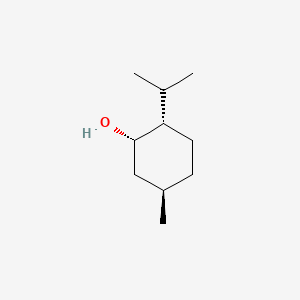
| The Content Variation of Natural Product Induced by Different Factor(s) | |||||||||||||||||||||||||||||||||||||||||||||||||||||||||||||||||||||||||||||||||||||||||
|---|---|---|---|---|---|---|---|---|---|---|---|---|---|---|---|---|---|---|---|---|---|---|---|---|---|---|---|---|---|---|---|---|---|---|---|---|---|---|---|---|---|---|---|---|---|---|---|---|---|---|---|---|---|---|---|---|---|---|---|---|---|---|---|---|---|---|---|---|---|---|---|---|---|---|---|---|---|---|---|---|---|---|---|---|---|---|---|---|---|
| Species Name: Cunila angustifolia | |||||||||||||||||||||||||||||||||||||||||||||||||||||||||||||||||||||||||||||||||||||||||
| Factor Name: Seasonal Variation | [1] | ||||||||||||||||||||||||||||||||||||||||||||||||||||||||||||||||||||||||||||||||||||||||
| Experiment Detail |
The leaves of Cunila angustifolia which were collected in the Santa Catarina state, Brazil in October (2001), January (2002), April (2002) and July (2002).
Click to Show/Hide
|
||||||||||||||||||||||||||||||||||||||||||||||||||||||||||||||||||||||||||||||||||||||||
| Factor Function |
The oxygenated compounds were found with high concentration (winter- 77.0%, spring- 84.1%, summer- 82.2% and autumn76.2%). Seasons with low temperature showed increasing in the concentration non-oxygenated compounds (winter- 18.6%, spring- 13.6%, summer- 10.2% and autumn- 19.2%). There is little variation in the main component (pulegone) of the oil on different seasons. The spring oil showed a high concentration this monoterpene (72.3%). The other season's oils showed increasing amounts in the concentration of isomenthone and neomenthol. Winter and autumn oils showed a significant increase in the concentration of beta- caryophyllene and bicyclogermacrene.
Click to Show/Hide
|
||||||||||||||||||||||||||||||||||||||||||||||||||||||||||||||||||||||||||||||||||||||||
| Factor | Part | Location | NP Content | ||||||||||||||||||||||||||||||||||||||||||||||||||||||||||||||||||||||||||||||||||||||
|
Harvesting time: Spring
|
Leaves | Brazil |
NP Content: 0.9 %
|
||||||||||||||||||||||||||||||||||||||||||||||||||||||||||||||||||||||||||||||||||||||
|
Harvesting time: Summer
|
Leaves | Brazil |
NP Content: 3.8 %
|
||||||||||||||||||||||||||||||||||||||||||||||||||||||||||||||||||||||||||||||||||||||
|
Harvesting time: Autumn
|
Leaves | Brazil |
NP Content: 5.6 %
|
||||||||||||||||||||||||||||||||||||||||||||||||||||||||||||||||||||||||||||||||||||||
|
Harvesting time: Winter
|
Leaves | Brazil |
NP Content: 5.7 %
|
||||||||||||||||||||||||||||||||||||||||||||||||||||||||||||||||||||||||||||||||||||||
| Species Name: Mentha piperita | |||||||||||||||||||||||||||||||||||||||||||||||||||||||||||||||||||||||||||||||||||||||||
| Factor Name: Month Variation | [2] | ||||||||||||||||||||||||||||||||||||||||||||||||||||||||||||||||||||||||||||||||||||||||
| Experiment Detail |
The peppermint material was obtained from ten cultivation sites (four growers) around Le Mayetde-Montagne, Allier, France (altitude 400 to 800 m). The individual surface areas ranged from 0.6 to 2.5 ha for an overall surface of 8 to 10 ha. Planting density was 30,000 plants/ha.
Click to Show/Hide
|
||||||||||||||||||||||||||||||||||||||||||||||||||||||||||||||||||||||||||||||||||||||||
| Factor Function |
A marked inversion of the menthol/menthone ratio was observed according to harvesting time. The late blooming period gave oils rich in menthol. A second harvest gave a high-quality oil and increased overall yield. Pre-drying did not affect the chemical composition of the oil obtained but allowed larger amounts of plant material to be distilled. In particular, Bouverat-Bernier showed an increase in oil yield up to flowering and a fall thereafter and an increase of levels of menthol and menthyl acetate while those of menthone decreased from June to September. For Hungarian peppermint, the levels of menthone were always greater than those of menthol regardless of harvest time.
Click to Show/Hide
|
||||||||||||||||||||||||||||||||||||||||||||||||||||||||||||||||||||||||||||||||||||||||
| Factor | Part | Location | NP Content | ||||||||||||||||||||||||||||||||||||||||||||||||||||||||||||||||||||||||||||||||||||||
|
Harvesting time: 14-June
|
Whole plant | Allier, France |
NP Content: 2.9 %
|
||||||||||||||||||||||||||||||||||||||||||||||||||||||||||||||||||||||||||||||||||||||
|
Harvesting time: 5-July
|
Whole plant | Allier, France |
NP Content: 2.9 %
|
||||||||||||||||||||||||||||||||||||||||||||||||||||||||||||||||||||||||||||||||||||||
|
Harvesting time: 29-July
|
Whole plant | Allier, France |
NP Content: 1.9 %
|
||||||||||||||||||||||||||||||||||||||||||||||||||||||||||||||||||||||||||||||||||||||
|
Harvesting time: 15-August
|
Whole plant | Allier, France |
NP Content: 2.2 %
|
||||||||||||||||||||||||||||||||||||||||||||||||||||||||||||||||||||||||||||||||||||||
|
Harvesting time: 15-September
|
Whole plant | Allier, France |
NP Content: 4.8 %
|
||||||||||||||||||||||||||||||||||||||||||||||||||||||||||||||||||||||||||||||||||||||
|
Harvesting time: 30-September
|
Whole plant | Allier, France |
NP Content: 5.3 %
|
||||||||||||||||||||||||||||||||||||||||||||||||||||||||||||||||||||||||||||||||||||||
|
Harvesting time: 30-October
|
Whole plant | Allier, France |
NP Content: 5.6 %
|
||||||||||||||||||||||||||||||||||||||||||||||||||||||||||||||||||||||||||||||||||||||
| Species Name: Mentha spicata | |||||||||||||||||||||||||||||||||||||||||||||||||||||||||||||||||||||||||||||||||||||||||
| Factor Name: Altitude Variation | [3] | ||||||||||||||||||||||||||||||||||||||||||||||||||||||||||||||||||||||||||||||||||||||||
| Experiment Detail |
The aerial parts of flowering Mentha spicata plants (cut at ground level) and individual M. spicata plants were collected in the summer (July, 2003) from three wild populations located in the Municipality of Laganas, Zakynthos, W. Greece. Location 1 (N 37° 39′ 39″, E 20° 48′ 44″; map datum WGS 84; altitude 160 m; 14/07/03) was near the village of Keri, Location 2 (N 37° 41′ 29″, E 20° 50′ 25″; altitude 3 m; 14/07/03) was close to Keri Beach (Limni Keriou) and Location 3 (N 37° 43′ 34″, E 20° 50′ 41″; altitude 35 m; 14/07/03) was near the village of Pandocratoras. The three locations are within the mainland limits of the protected area of the National Marine Park of Zakynthos (NATURA 2000 Network, site GR 2210002; 8).
Click to Show/Hide
|
||||||||||||||||||||||||||||||||||||||||||||||||||||||||||||||||||||||||||||||||||||||||
| Factor Function |
The main oil constituents were trans-piperitone oxide, piperitenone oxide and 1,8-cineole. On a whole plant basis (aerial parts) the trans-piperitone oxide content ranged from 1.4 % location (Loc 1) to 32.5% (Loc 3) and appeared to have an inverse relationship with the 1,8-cineole content which ranged from 10.8 % (Loc 3) to 37.9 % (Loc 1). 1,8-cineole was the major oil constituent (37.9 %) of M. spicata plants from Loc 1. The major constituent of the inflorescence oils was piperitenone oxide which ranged from 32.4 % (Loc 3) to 46.3 % of the oil (Loc 1). The major constituent of the leaf oils was 1,8-cineole (40.5 %) in plants from Loc 1 and trans-piperitone oxide in plants from Loc 2 (19.8 %) and Loc 3 (33.5 %). This is the first report for wild populations in Greece of a M. spicata oil in which 1,8-cineole is the major constituent. The observed variation in essential oil composition between locations and plant organs in July would not appear to be directly related to the climatic conditions.
Click to Show/Hide
|
||||||||||||||||||||||||||||||||||||||||||||||||||||||||||||||||||||||||||||||||||||||||
| Factor | Part | Location | NP Content | ||||||||||||||||||||||||||||||||||||||||||||||||||||||||||||||||||||||||||||||||||||||
|
Inflorescence: (Locality: near the village of Keri, Zakynthos, Greece; Altitude 160 m)
|
Inflorescence | Zakynthos, Greece |
NP Content: 0.2 %
|
||||||||||||||||||||||||||||||||||||||||||||||||||||||||||||||||||||||||||||||||||||||
|
Inflorescence: (Locality: close to Keri Beach, Zakynthos, Greece; Altitude 3 m)
|
Inflorescence | Zakynthos, Greece |
NP Content: 2.1 %
|
||||||||||||||||||||||||||||||||||||||||||||||||||||||||||||||||||||||||||||||||||||||
|
Leaf: (Locality: near the village of Keri, Zakynthos, Greece; Altitude 160 m)
|
Leaves | Zakynthos, Greece |
NP Content: 0.1 %
|
||||||||||||||||||||||||||||||||||||||||||||||||||||||||||||||||||||||||||||||||||||||
|
Leaf: (Locality: close to Keri Beach, Zakynthos, Greece; Altitude 3 m)
|
Leaves | Zakynthos, Greece |
NP Content: 1.3 %
|
||||||||||||||||||||||||||||||||||||||||||||||||||||||||||||||||||||||||||||||||||||||
|
Leaf: (Locality: near the village of Pandocratoras, Zakynthos, Greece; Altitude 35 m)
|
Leaves | Zakynthos, Greece |
NP Content: 0.1 %
|
||||||||||||||||||||||||||||||||||||||||||||||||||||||||||||||||||||||||||||||||||||||
|
Stem: (Locality: near the village of Keri, Zakynthos, Greece; Altitude 160 m)
|
Stems | Zakynthos, Greece |
NP Content: 0.3 %
|
||||||||||||||||||||||||||||||||||||||||||||||||||||||||||||||||||||||||||||||||||||||
|
Stem: (Locality: close to Keri Beach, Zakynthos, Greece; Altitude 3 m)
|
Stems | Zakynthos, Greece |
NP Content: 1.3 %
|
||||||||||||||||||||||||||||||||||||||||||||||||||||||||||||||||||||||||||||||||||||||
