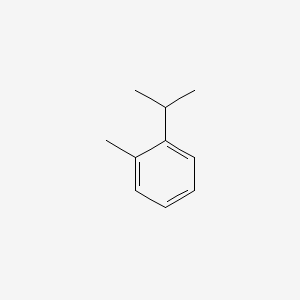
| The Content Variation of Natural Product Induced by Different Factor(s) | |||||||||||||||||||||||||||||||||||||||||||||||||||||||||||||||||||||||||||||||||||||||||
|---|---|---|---|---|---|---|---|---|---|---|---|---|---|---|---|---|---|---|---|---|---|---|---|---|---|---|---|---|---|---|---|---|---|---|---|---|---|---|---|---|---|---|---|---|---|---|---|---|---|---|---|---|---|---|---|---|---|---|---|---|---|---|---|---|---|---|---|---|---|---|---|---|---|---|---|---|---|---|---|---|---|---|---|---|---|---|---|---|---|
| Species Name: Copaifera langsdorffii Desf. | |||||||||||||||||||||||||||||||||||||||||||||||||||||||||||||||||||||||||||||||||||||||||
| Factor Name: Seasonal Variation | [1] | ||||||||||||||||||||||||||||||||||||||||||||||||||||||||||||||||||||||||||||||||||||||||
| Experiment Detail |
Leaves were collected from in Botucatu/SP, Brazil. 'Point 1' is the Botanical Garden of UNESP classified by semideciduous seasonal forest 1 (SSF 1), 22° 53′ 10.97″ S 48° 29′ 48.92″ W and 888 m a.s.l. The same trees were observed on all points, during the seasons.
Click to Show/Hide
|
||||||||||||||||||||||||||||||||||||||||||||||||||||||||||||||||||||||||||||||||||||||||
| Factor Function |
Copaiba plants from semideciduous seasonal forests show differences into the phytochemical profile obtained in dry and wet seasons, with presence of monoterpenes alpha-thujene, o-cymene, (Z)-beta-ocimene, (E)-beta-ocimene, gamma-terpinene and terpinolene in point 1 (in the wet season), while Cerrado strictu sensu did not show significant differences in chemical composition of volatile compounds (only alpha-cadinol and seychellene showed significant differences).
Click to Show/Hide
|
||||||||||||||||||||||||||||||||||||||||||||||||||||||||||||||||||||||||||||||||||||||||
| Factor | Part | Location | NP Content | ||||||||||||||||||||||||||||||||||||||||||||||||||||||||||||||||||||||||||||||||||||||
|
Harvesting time: Wet season
|
Leaves | Brazil |
NP Content: 1.5 %
|
||||||||||||||||||||||||||||||||||||||||||||||||||||||||||||||||||||||||||||||||||||||
| Species Name: Cunila angustifolia | |||||||||||||||||||||||||||||||||||||||||||||||||||||||||||||||||||||||||||||||||||||||||
| Factor Name: Seasonal Variation | [2] | ||||||||||||||||||||||||||||||||||||||||||||||||||||||||||||||||||||||||||||||||||||||||
| Experiment Detail |
The leaves of Cunila angustifolia which were collected in the Santa Catarina state, Brazil in October (2001), January (2002), April (2002) and July (2002).
Click to Show/Hide
|
||||||||||||||||||||||||||||||||||||||||||||||||||||||||||||||||||||||||||||||||||||||||
| Factor Function |
The oxygenated compounds were found with high concentration (winter- 77.0%, spring- 84.1%, summer- 82.2% and autumn76.2%). Seasons with low temperature showed increasing in the concentration non-oxygenated compounds (winter- 18.6%, spring- 13.6%, summer- 10.2% and autumn- 19.2%). There is little variation in the main component (pulegone) of the oil on different seasons. The spring oil showed a high concentration this monoterpene (72.3%). The other season's oils showed increasing amounts in the concentration of isomenthone and neomenthol. Winter and autumn oils showed a significant increase in the concentration of beta- caryophyllene and bicyclogermacrene.
Click to Show/Hide
|
||||||||||||||||||||||||||||||||||||||||||||||||||||||||||||||||||||||||||||||||||||||||
| Factor | Part | Location | NP Content | ||||||||||||||||||||||||||||||||||||||||||||||||||||||||||||||||||||||||||||||||||||||
|
Harvesting time: Spring
|
Leaves | Brazil |
NP Content: trace %
|
||||||||||||||||||||||||||||||||||||||||||||||||||||||||||||||||||||||||||||||||||||||
|
Harvesting time: Summer
|
Leaves | Brazil |
NP Content: trace %
|
||||||||||||||||||||||||||||||||||||||||||||||||||||||||||||||||||||||||||||||||||||||
|
Harvesting time: Autumn
|
Leaves | Brazil |
NP Content: trace %
|
||||||||||||||||||||||||||||||||||||||||||||||||||||||||||||||||||||||||||||||||||||||
|
Harvesting time: Winter
|
Leaves | Brazil |
NP Content: trace %
|
||||||||||||||||||||||||||||||||||||||||||||||||||||||||||||||||||||||||||||||||||||||
| Species Name: Ferulago angulata | |||||||||||||||||||||||||||||||||||||||||||||||||||||||||||||||||||||||||||||||||||||||||
| Factor Name: Locality Variation | [3] | ||||||||||||||||||||||||||||||||||||||||||||||||||||||||||||||||||||||||||||||||||||||||
| Experiment Detail |
Fresh F.angulata were leaves gathered and air dried in May, 2004 and the seeds collected in October, 2004 from both habitats (Shahoo and Nevakoh Mountains), Kermanshah Province western Iran.
Click to Show/Hide
|
||||||||||||||||||||||||||||||||||||||||||||||||||||||||||||||||||||||||||||||||||||||||
| Factor Function |
The oil yield from seed was 5-fold that from leaves (3.2%/100g compared to 0.63%/100g). Cis-ocimene was the major constituent of the seed oil from both regions (64.8% and 76.11%) and a prominent constituent (>20% of the total oil) of the leaf oils of both habitats. alpha-Pinene was the next main component (7-27%) of all 4 oils. Seed oils, with one major component (cis-ocimene), differed from the leaf oils, which were composed mostly of 3 components (alpha-pinene, cis-ocimene, & germacrene D). Distinctions between the oils of the two habitats were less marked than the leaf-oil/seed-oil differences; the cis-ocimene content was higher and alpha-pinene was less in both seedand leaf-oils of the Shahoo habitats than the Nevakoh ecotype; trans-verbenol was absent from the Shahoo leaves, but reached a content of 5.8% in Nevahoh leaf-oil. Further distinctions were found in the content/presence/absence of 20-30 minor components of the oils.
Click to Show/Hide
|
||||||||||||||||||||||||||||||||||||||||||||||||||||||||||||||||||||||||||||||||||||||||
| Factor | Part | Location | NP Content | ||||||||||||||||||||||||||||||||||||||||||||||||||||||||||||||||||||||||||||||||||||||
|
Leaf: (Locality: Nevakoh Mountains, Kermanshah Province, western Iran)
|
Leaves | Iran |
NP Content: 0.2 %
|
||||||||||||||||||||||||||||||||||||||||||||||||||||||||||||||||||||||||||||||||||||||
| Species Name: Pimenta pseudocaryophyllus | |||||||||||||||||||||||||||||||||||||||||||||||||||||||||||||||||||||||||||||||||||||||||
| Factor Name: Month Variation | [4] | ||||||||||||||||||||||||||||||||||||||||||||||||||||||||||||||||||||||||||||||||||||||||
| Experiment Detail |
Samples containing leaves of three different plants identified as P. pseudocaryophyllus were collected bimonthly from January 2009 through November 2009, from the same locality in a restinga in the Ilha Comprida municipality, state of Sao Paulo, Atlantic Rain Forest, southeastern Brazil.
Click to Show/Hide
|
||||||||||||||||||||||||||||||||||||||||||||||||||||||||||||||||||||||||||||||||||||||||
| Factor Function |
Seven compounds were identified and characterized, revealing a predominance of phenylpropanoids (15.4-70.9%) and variable amounts of monoterpenes (0.5-5.3%). The composition of the oil changed month by month. The best yield of oil was obtained in November, and the major component chavibetol was present in all samples (50.2-70.9%). The chavibetol content showed significant seasonal variation, with the maximum percentages of 69.1% and 70.9% measured in January and November, respectively.
Click to Show/Hide
|
||||||||||||||||||||||||||||||||||||||||||||||||||||||||||||||||||||||||||||||||||||||||
| Factor | Part | Location | NP Content | ||||||||||||||||||||||||||||||||||||||||||||||||||||||||||||||||||||||||||||||||||||||
|
Harvesting time: January
|
Leaves | Brazil |
NP Content: 2.8 %
|
||||||||||||||||||||||||||||||||||||||||||||||||||||||||||||||||||||||||||||||||||||||
|
Harvesting time: October
|
Leaves | Brazil |
NP Content: 2.5 %
|
||||||||||||||||||||||||||||||||||||||||||||||||||||||||||||||||||||||||||||||||||||||
| Species Name: Stachys pilifera | |||||||||||||||||||||||||||||||||||||||||||||||||||||||||||||||||||||||||||||||||||||||||
| Factor Name: Locality Variation | [5] | ||||||||||||||||||||||||||||||||||||||||||||||||||||||||||||||||||||||||||||||||||||||||
| Experiment Detail |
Plant material and isolation procedure: Aerial parts of the plant were collected from two regions, from Kazeroon in southern Iran and Shahr-e-kord in western Iran at the time of flowering in June 2002.
Click to Show/Hide
|
||||||||||||||||||||||||||||||||||||||||||||||||||||||||||||||||||||||||||||||||||||||||
| Factor Function |
The main components of the oil of S. pilifera collected from Kazeroon, in southern Iran, were spathulenol (15.8%), cis-chrysanthenol (15.3%), beta-caryophyllene (8.4%) and cis-chrysanthenyl acetate (6.9%), while for the plant collected from Shahr-e-kord, in western Iran, they were cis-chrysanthenyl acetate (21.8%), linalool (18.9%), terpinen-4-ol (11.9%) and cis-chrysanthenol (9.2%).
Click to Show/Hide
|
||||||||||||||||||||||||||||||||||||||||||||||||||||||||||||||||||||||||||||||||||||||||
| Factor | Part | Location | NP Content | ||||||||||||||||||||||||||||||||||||||||||||||||||||||||||||||||||||||||||||||||||||||
|
Locality: Kazeroon, southern Iran
|
Aerial parts | Iran |
NP Content: 0.4 %
|
||||||||||||||||||||||||||||||||||||||||||||||||||||||||||||||||||||||||||||||||||||||
|
Locality: Shahr-e-kord, western Iran
|
Aerial parts | Iran |
NP Content: 0.1 %
|
||||||||||||||||||||||||||||||||||||||||||||||||||||||||||||||||||||||||||||||||||||||
