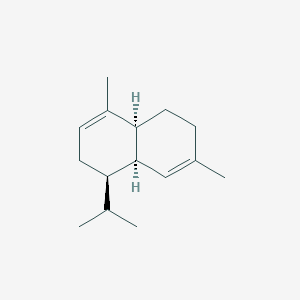
| The Content Variation of Natural Product Induced by Different Factor(s) | |||||||||||||||||||||||||||||||||||||||||||||||||||||||||||||||||||||||||||||||||||||||||
|---|---|---|---|---|---|---|---|---|---|---|---|---|---|---|---|---|---|---|---|---|---|---|---|---|---|---|---|---|---|---|---|---|---|---|---|---|---|---|---|---|---|---|---|---|---|---|---|---|---|---|---|---|---|---|---|---|---|---|---|---|---|---|---|---|---|---|---|---|---|---|---|---|---|---|---|---|---|---|---|---|---|---|---|---|---|---|---|---|---|
| Species Name: Acacia nuperrima ssp. Cassitera | |||||||||||||||||||||||||||||||||||||||||||||||||||||||||||||||||||||||||||||||||||||||||
| Factor Name: Chemotype Comparison | [1] | ||||||||||||||||||||||||||||||||||||||||||||||||||||||||||||||||||||||||||||||||||||||||
| Experiment Detail |
The leaves and terminal branchlets were collected in the Dimbulah region of north eastern Queensland, Australia. The first collection (R99-218) was located 5 km north and the second collection (R99-219) 30 km west of Dimbulah.
Click to Show/Hide
|
||||||||||||||||||||||||||||||||||||||||||||||||||||||||||||||||||||||||||||||||||||||||
| Factor Function |
Two chemical forms yielding 0.6% and 0.3% on a dry weight basis were found to be rich in kessane (88.8%) and alpha-pinene (16.2%), respectively.
Click to Show/Hide
|
||||||||||||||||||||||||||||||||||||||||||||||||||||||||||||||||||||||||||||||||||||||||
| Factor | Part | Location | NP Content | ||||||||||||||||||||||||||||||||||||||||||||||||||||||||||||||||||||||||||||||||||||||
|
Chemotype (Lappa type)
|
Leaves and terminal branches | Dimbulah, Queensland, Australia |
NP Content: 0.9 %
|
||||||||||||||||||||||||||||||||||||||||||||||||||||||||||||||||||||||||||||||||||||||
| Species Name: Helichrysum arenarium | |||||||||||||||||||||||||||||||||||||||||||||||||||||||||||||||||||||||||||||||||||||||||
| Factor Name: Locality Variation; Developmental Stage Variation | [2] | ||||||||||||||||||||||||||||||||||||||||||||||||||||||||||||||||||||||||||||||||||||||||
| Experiment Detail |
The plant material was collected in eastern Lithuania (July-August, 2002). Numbers of growing localities of H. arenarium with yellow (Y) and orange (O) flowers were as follows: Svencionys district (Zalavas) and Ukmerge district (Sventupe).
Click to Show/Hide
|
||||||||||||||||||||||||||||||||||||||||||||||||||||||||||||||||||||||||||||||||||||||||
| Factor Function |
The 68 constituents identified comprised 73.8-90.7% of the total oil content. It was found that the principal constituents were: beta-caryophyllene (in three inflorescence and one leaf oil), delta-cadinene (in two leaf oils), octadecane (in one leaf oil) and heneicosane (in one inflorescence sample). Monoterpenes and oxygenated monoterpenes made up 4.0-13.9%, aliphatic hydrocarbons 0.4-35.3%, and sesquiterpenes 24.7-71.2% of the oils.
Click to Show/Hide
|
||||||||||||||||||||||||||||||||||||||||||||||||||||||||||||||||||||||||||||||||||||||||
| Factor | Part | Location | NP Content | ||||||||||||||||||||||||||||||||||||||||||||||||||||||||||||||||||||||||||||||||||||||
|
Inflorescence: (Flower colour: Yellow) + (Locality: Svencionys District, Eastern Lithuania)
|
Inflorescence | Eastern Lithuania |
NP Content: 0.4 %
|
||||||||||||||||||||||||||||||||||||||||||||||||||||||||||||||||||||||||||||||||||||||
|
Inflorescence: (Flower colour: Orange) + (Locality: Ukmerge District, Eastern Lithuania)
|
Inflorescence | Eastern Lithuania |
NP Content: 0.9 %
|
||||||||||||||||||||||||||||||||||||||||||||||||||||||||||||||||||||||||||||||||||||||
|
Inflorescence: (Flower colour: Yellow) + (Locality: Ukmerge District, Eastern Lithuania)
|
Inflorescence | Eastern Lithuania |
NP Content: 0.7 %
|
||||||||||||||||||||||||||||||||||||||||||||||||||||||||||||||||||||||||||||||||||||||
|
Leaf: (Flower colour: Orange) + (Locality: Svencionys District, Eastern Lithuania)
|
Leaves | Eastern Lithuania |
NP Content: < 0.05 %
|
||||||||||||||||||||||||||||||||||||||||||||||||||||||||||||||||||||||||||||||||||||||
|
Leaf: (Flower colour: Yellow) + (Locality: Svencionys District, Eastern Lithuania)
|
Leaves | Eastern Lithuania |
NP Content: 1.4 %
|
||||||||||||||||||||||||||||||||||||||||||||||||||||||||||||||||||||||||||||||||||||||
|
Leaf: (Flower colour: Yellow) + (Locality: Ukmerge District, Eastern Lithuania)
|
Leaves | Eastern Lithuania |
NP Content: 0.9 %
|
||||||||||||||||||||||||||||||||||||||||||||||||||||||||||||||||||||||||||||||||||||||
|
Leaf: (Flower colour: Orange) + (Locality: Ukmerge District, Eastern Lithuania)
|
Leaves | Eastern Lithuania |
NP Content: 0.3 %
|
||||||||||||||||||||||||||||||||||||||||||||||||||||||||||||||||||||||||||||||||||||||
| Species Name: Piper nigrum | |||||||||||||||||||||||||||||||||||||||||||||||||||||||||||||||||||||||||||||||||||||||||
| Factor Name: Cultivar Comparison; Harvest Time Variation | [3] | ||||||||||||||||||||||||||||||||||||||||||||||||||||||||||||||||||||||||||||||||||||||||
| Experiment Detail |
The cultivars selected for this study are Sreekara, Vellanamban and one Indonesian cultivar Kutching grown in Kerala. These cultivars are commonly cultivated in the northern parts of Kerala. The fresh berries of the authenticated cultivars were collected from Indian Institute of Spices Research, Calicut and were dried in a cross flow drier at 45 ℃ and taken for the analysis.
Click to Show/Hide
|
||||||||||||||||||||||||||||||||||||||||||||||||||||||||||||||||||||||||||||||||||||||||
| Factor Function |
The main components of vellanamban oil were sabinene (3.9-18.8%), beta-pinene (3.9-10.9%), limonene (8.3-19.8%) and beta-caryophyllene (28.4- 32.9%). Sreekara oil contained as major compounds beta-pinene (0-11.2%), limonene (20.1-22.1%) and beta-caryophyllene (16.8-23.1 %). Kutching oil contained alpha-pinene(2.3-5.4%), sabinene (6.7-13.3%), limonene (14.5-17.5%) and beta-caryophyllene (20.8-39.1%).
Click to Show/Hide
|
||||||||||||||||||||||||||||||||||||||||||||||||||||||||||||||||||||||||||||||||||||||||
| Factor | Part | Location | NP Content | ||||||||||||||||||||||||||||||||||||||||||||||||||||||||||||||||||||||||||||||||||||||
|
Piper nigrum cv. Kuching: (Harvesting time: 1990)
|
Berries | India |
NP Content: 1.1 %
|
||||||||||||||||||||||||||||||||||||||||||||||||||||||||||||||||||||||||||||||||||||||
|
Piper nigrum cv. Kuching: (Harvesting time: 1991)
|
Berries | India |
NP Content: 2.1 %
|
||||||||||||||||||||||||||||||||||||||||||||||||||||||||||||||||||||||||||||||||||||||
|
Piper nigrum cv. Sreekara: (Harvesting time: 1990)
|
Berries | India |
NP Content: 1.5 %
|
||||||||||||||||||||||||||||||||||||||||||||||||||||||||||||||||||||||||||||||||||||||
|
Piper nigrum cv. Sreekara: (Harvesting time: 1992)
|
Berries | India |
NP Content: 1.9 %
|
||||||||||||||||||||||||||||||||||||||||||||||||||||||||||||||||||||||||||||||||||||||
|
Piper nigrum cv. Vellanamban: (Harvesting time: 1990)
|
Berries | India |
NP Content: 1.8 %
|
||||||||||||||||||||||||||||||||||||||||||||||||||||||||||||||||||||||||||||||||||||||
|
Piper nigrum cv. Vellanamban: (Harvesting time: 1991)
|
Berries | India |
NP Content: 1.5 %
|
||||||||||||||||||||||||||||||||||||||||||||||||||||||||||||||||||||||||||||||||||||||
|
Piper nigrum cv. Vellanamban: (Harvesting time: 1992)
|
Berries | India |
NP Content: 1.9 %
|
||||||||||||||||||||||||||||||||||||||||||||||||||||||||||||||||||||||||||||||||||||||
| Species Name: Teucrium flavum | |||||||||||||||||||||||||||||||||||||||||||||||||||||||||||||||||||||||||||||||||||||||||
| Factor Name: Month Variation; Developmental Stage Variation | [4] | ||||||||||||||||||||||||||||||||||||||||||||||||||||||||||||||||||||||||||||||||||||||||
| Experiment Detail |
The aerial parts of T. flavum were collected in different periods from December to July 2006, from plants growing along the Ionic coast of Sicily (Italy). LF 1-LF 2-LF 3: represent the composition of leaf oils of plant samples collected in December (vegetative stage), February (pre-flowering stage) and April (budding stage) respectively; FL: flower oil; FR: fruit oil.
Click to Show/Hide
|
||||||||||||||||||||||||||||||||||||||||||||||||||||||||||||||||||||||||||||||||||||||||
| Factor Function |
Some components, in all investigated plant parts, remained more or less constant during all the different phases of the plant cycle life. Worthy of note, considering the leaf oils, was that beta-pinene, limonene and germacrene D increased in the pre-flowering stage, while a series of esters and alpha-copaene, beta-caryophyllene, viridiflorol, Tmuurolol and phytol increased in the budding stage (LF3); the vegetative stage oil is generally characterized by a rich chemical composition and some constituents such as isoamyl hexanoate, alpha-humulene, bicyclogermacrene, beta-bisabolene and alpha-bisabolol reached their highest levels in this oil. In the flower oil, linalool and 1-octen-3-yl acetate were the main components compared to the amounts found in the other oils. Fruit oil composition was relatively oil poor, with beta-bisabolene, caryophyllene oxide, cadin-4-en-1-ol and phytone as the major constituents.
Click to Show/Hide
|
||||||||||||||||||||||||||||||||||||||||||||||||||||||||||||||||||||||||||||||||||||||||
| Factor | Part | Location | NP Content | ||||||||||||||||||||||||||||||||||||||||||||||||||||||||||||||||||||||||||||||||||||||
|
Harvesting time: February; pre-flowering stage
|
Leaves | Italy |
NP Content: 0.2 %
|
||||||||||||||||||||||||||||||||||||||||||||||||||||||||||||||||||||||||||||||||||||||
|
Harvesting time: December; vegetative stage
|
Leaves | Italy |
NP Content: 0.2 %
|
||||||||||||||||||||||||||||||||||||||||||||||||||||||||||||||||||||||||||||||||||||||
