| The Content Variation of Natural Product Induced by Different Factor(s) | |||||||||||||||||||||||||||||||||||||||||||||||||||||||||||||||||||||||||||||||||||||||||
|---|---|---|---|---|---|---|---|---|---|---|---|---|---|---|---|---|---|---|---|---|---|---|---|---|---|---|---|---|---|---|---|---|---|---|---|---|---|---|---|---|---|---|---|---|---|---|---|---|---|---|---|---|---|---|---|---|---|---|---|---|---|---|---|---|---|---|---|---|---|---|---|---|---|---|---|---|---|---|---|---|---|---|---|---|---|---|---|---|---|
| Species Name: Bocageopsis multiflora | |||||||||||||||||||||||||||||||||||||||||||||||||||||||||||||||||||||||||||||||||||||||||
| Factor Name: Seasonal Variation | [1] | ||||||||||||||||||||||||||||||||||||||||||||||||||||||||||||||||||||||||||||||||||||||||
| Experiment Detail |
Bocageopsis multiflora leaves were collected in the Adolpho Ducke reserve, Km 26 Manaus - Itacoatiara highway, in the State of Amazonas, Brazil. This species was collected in the rainy (April 2010) and dry seasons (September 2010).
Click to Show/Hide
|
||||||||||||||||||||||||||||||||||||||||||||||||||||||||||||||||||||||||||||||||||||||||
| Factor Function |
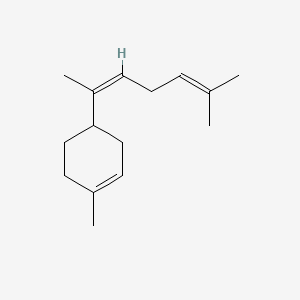
The main constituent of the oil collected in the rainy season was bisabolene (13.2%), while the main constituent in the dry season was spathulenol (16.2%). The highest yield (0.3%) was obtained for the oil collected in the rainy season.
Click to Show/Hide
|
||||||||||||||||||||||||||||||||||||||||||||||||||||||||||||||||||||||||||||||||||||||||
| Factor | Part | Location | NP Content | ||||||||||||||||||||||||||||||||||||||||||||||||||||||||||||||||||||||||||||||||||||||
|
Harvesting time: Rainy season
|
Leaves | Brazil |
NP Content: 2.7 %
|
||||||||||||||||||||||||||||||||||||||||||||||||||||||||||||||||||||||||||||||||||||||
|
Harvesting time: Dry season
|
Leaves | Brazil |
NP Content: 3.1 %
|
||||||||||||||||||||||||||||||||||||||||||||||||||||||||||||||||||||||||||||||||||||||
| Species Name: Ocimum basilicum L | |||||||||||||||||||||||||||||||||||||||||||||||||||||||||||||||||||||||||||||||||||||||||
| Factor Name: Chemotype Comparison | [2] | ||||||||||||||||||||||||||||||||||||||||||||||||||||||||||||||||||||||||||||||||||||||||
| Experiment Detail |
The study was conducted in North-Central Anatolia under semi arid conditions. Seeds of 18 basil landraces (O. basilicum L.) were collected from local farms and home gardens in Turkey. To examine essential oil composition of the basil landraces without environmental influences, the plants were grown under identical (same environmental and soil conditions) conditions. Seeds were sown on a medium (1:1:1 washed sand, horse manure and field soil) in greenhouse conditions on March 25, 2003. Seedlings were grown until the 3-5 leaf stage. The seedlings were transplanted into pilots in the Gaziosmanpasxa University Experimental Research Station on May 15, 2003. The plants were harvested at the full blooming stage and dried at 35 ℃ for essential oil isolation.
Click to Show/Hide
|
||||||||||||||||||||||||||||||||||||||||||||||||||||||||||||||||||||||||||||||||||||||||
| Factor Function |
Variation of essential oils in the landraces was subjected to cluster analysis, and seven different chemotypes were identified. They were (1) linalool, (2) methyl cinnamate, (3) methyl cinnamate/linalool, (4) methyl eugenol, (5) citral, (6) methyl chavicol (estragol), and (7) methyl chavicol/citral. Methyl chavicol with high citral contents (methyl chavicol/citral) can be considered as a 'new chemotype' in the Turkish basils.
Click to Show/Hide
|
||||||||||||||||||||||||||||||||||||||||||||||||||||||||||||||||||||||||||||||||||||||||
| Factor | Part | Location | NP Content | ||||||||||||||||||||||||||||||||||||||||||||||||||||||||||||||||||||||||||||||||||||||
|
Chemotype (citral-rich type)
|
Leaves | Turkey |
NP Content: 2.8 %
|
||||||||||||||||||||||||||||||||||||||||||||||||||||||||||||||||||||||||||||||||||||||
|
Chemotype (methyl chavicol-rich type)
|
Leaves | Turkey |
NP Content: 1.2 %
|
||||||||||||||||||||||||||||||||||||||||||||||||||||||||||||||||||||||||||||||||||||||
|
Chemotype (methyl chavicol and citral-rich type)
|
Leaves | Turkey |
NP Content: 2.1 %
|
||||||||||||||||||||||||||||||||||||||||||||||||||||||||||||||||||||||||||||||||||||||
| Species Name: Piper nigrum | |||||||||||||||||||||||||||||||||||||||||||||||||||||||||||||||||||||||||||||||||||||||||
| Factor Name: Cultivar Comparison; Harvest Time Variation | [3] | ||||||||||||||||||||||||||||||||||||||||||||||||||||||||||||||||||||||||||||||||||||||||
| Experiment Detail |
The cultivars selected for this study are Sreekara, Vellanamban and one Indonesian cultivar Kutching grown in Kerala. These cultivars are commonly cultivated in the northern parts of Kerala. The fresh berries of the authenticated cultivars were collected from Indian Institute of Spices Research, Calicut and were dried in a cross flow drier at 45 ℃ and taken for the analysis.
Click to Show/Hide
|
||||||||||||||||||||||||||||||||||||||||||||||||||||||||||||||||||||||||||||||||||||||||
| Factor Function |
The main components of vellanamban oil were sabinene (3.9-18.8%), beta-pinene (3.9-10.9%), limonene (8.3-19.8%) and beta-caryophyllene (28.4- 32.9%). Sreekara oil contained as major compounds beta-pinene (0-11.2%), limonene (20.1-22.1%) and beta-caryophyllene (16.8-23.1 %). Kutching oil contained alpha-pinene(2.3-5.4%), sabinene (6.7-13.3%), limonene (14.5-17.5%) and beta-caryophyllene (20.8-39.1%).
Click to Show/Hide
|
||||||||||||||||||||||||||||||||||||||||||||||||||||||||||||||||||||||||||||||||||||||||
| Factor | Part | Location | NP Content | ||||||||||||||||||||||||||||||||||||||||||||||||||||||||||||||||||||||||||||||||||||||
|
Piper nigrum cv. Kuching: (Harvesting time: 1990)
|
Berries | India |
NP Content: 0.2 %
|
||||||||||||||||||||||||||||||||||||||||||||||||||||||||||||||||||||||||||||||||||||||
|
Piper nigrum cv. Kuching: (Harvesting time: 1991)
|
Berries | India |
NP Content: 1.5 %
|
||||||||||||||||||||||||||||||||||||||||||||||||||||||||||||||||||||||||||||||||||||||
|
Piper nigrum cv. Sreekara: (Harvesting time: 1990)
|
Berries | India |
NP Content: 2.5 %
|
||||||||||||||||||||||||||||||||||||||||||||||||||||||||||||||||||||||||||||||||||||||
|
Piper nigrum cv. Sreekara: (Harvesting time: 1992)
|
Berries | India |
NP Content: 2.5 %
|
||||||||||||||||||||||||||||||||||||||||||||||||||||||||||||||||||||||||||||||||||||||
|
Piper nigrum cv. Vellanamban: (Harvesting time: 1990)
|
Berries | India |
NP Content: 1.3 %
|
||||||||||||||||||||||||||||||||||||||||||||||||||||||||||||||||||||||||||||||||||||||
|
Piper nigrum cv. Vellanamban: (Harvesting time: 1991)
|
Berries | India |
NP Content: 1.6 %
|
||||||||||||||||||||||||||||||||||||||||||||||||||||||||||||||||||||||||||||||||||||||
|
Piper nigrum cv. Vellanamban: (Harvesting time: 1992)
|
Berries | India |
NP Content: 1.3 %
|
||||||||||||||||||||||||||||||||||||||||||||||||||||||||||||||||||||||||||||||||||||||
| Species Name: Tanacetum larvatum | |||||||||||||||||||||||||||||||||||||||||||||||||||||||||||||||||||||||||||||||||||||||||
| Factor Name: Altitude Variation | [4] | ||||||||||||||||||||||||||||||||||||||||||||||||||||||||||||||||||||||||||||||||||||||||
| Experiment Detail |
Aerial parts of T. larvatum were collected in July 2002, during the period of full flowering from two locations in Montenegro: Mt. Komovi (Sample I) and Mt. Prokletije (Sample II), altitude ca. 1900 m.
Click to Show/Hide
|
||||||||||||||||||||||||||||||||||||||||||||||||||||||||||||||||||||||||||||||||||||||||
| Factor Function |
About 40 compounds were identified, representing ~89% and 96% of the total oil content in the Samples I and II, respectively. trans-Sabinyl acetate was found to be the dominant component (51.2% and 69.7%). Among the rest of compounds beta-pinene (7.7% and 4.3%) and camphor (6.3% and 4.3%) were the most abundant in both samples.
Click to Show/Hide
|
||||||||||||||||||||||||||||||||||||||||||||||||||||||||||||||||||||||||||||||||||||||||
| Factor | Part | Location | NP Content | ||||||||||||||||||||||||||||||||||||||||||||||||||||||||||||||||||||||||||||||||||||||
|
Locality: Mt. Komovi, Montenegro, Serbia; Altitude 1900 m
|
Aerial parts | Serbia |
NP Content: 0.2 %
|
||||||||||||||||||||||||||||||||||||||||||||||||||||||||||||||||||||||||||||||||||||||
