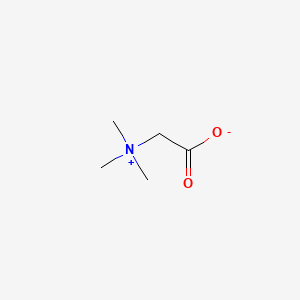
| The Content Variation of Natural Product Induced by Different Factor(s) | |||||||||||||||||||||||||||||||||||||||||||||||||||||||||||||||||||||||||||||||||||||||||
|---|---|---|---|---|---|---|---|---|---|---|---|---|---|---|---|---|---|---|---|---|---|---|---|---|---|---|---|---|---|---|---|---|---|---|---|---|---|---|---|---|---|---|---|---|---|---|---|---|---|---|---|---|---|---|---|---|---|---|---|---|---|---|---|---|---|---|---|---|---|---|---|---|---|---|---|---|---|---|---|---|---|---|---|---|---|---|---|---|---|
| Species Name: Brassica juncea (var. RLC-1) | |||||||||||||||||||||||||||||||||||||||||||||||||||||||||||||||||||||||||||||||||||||||||
| Factor Name: K2CrO4 Treatment; Na2SeO4 Treatment | [1] | ||||||||||||||||||||||||||||||||||||||||||||||||||||||||||||||||||||||||||||||||||||||||
| Experiment Detail |
The seeds of B. juncea(var. RLC 1) were sterilized with 0.01% mercuric chloride (HgCl2), soaked in distilled water for 2h (h), and germinated in Petri dishes lined with Whatman No. 1 filter paper moistened with 3 ml solutions of sodium selenate (Na2SeO4) (2, 4, and 6µM) and potassium chromate (K2CrO4) (300µM), in unary and binary treatments. The concentrations of the elements were decided on the basis of preliminary experiments by obtaining the most stimulatory concentration of Se and 50% inhibitory concentration (IC50) of Cr. The treatment solutions were prepared in half strength Hoagland's nutrient medium and the experiment was conducted in triplicates with 16hphotoperiodand 25℃ temperature. The seedlings were harvested after 15days for the estimation of various parameters.
Click to Show/Hide
|
||||||||||||||||||||||||||||||||||||||||||||||||||||||||||||||||||||||||||||||||||||||||
| Factor Function |
In conclusion, Cr negatively affects the metabolic activities of B. juncea, which were restored by Se application. Se application showed its protective effects on photosynthetic pigments and gene expression studies confirmed the spectrophotometric observations. The Scanning electron microscope (SEM) studies also clearly indicated the positive effects of Se against Cr toxicity on morphology and density of stomata, which further confirmed its imperative role in efficient gas exchange for both photosynthesis and respiration. Exogenous application of Se was also observed to enhance the lipid- and water-soluble antioxidants, which further indicated its role in alleviating oxidative damage. The positive effect of Se in maintaining the osmotic homeostasis as well as activation of thiols in Cr-stressed seedlings also showed its potential to enhance the ability of B. juncea seedlings to combat heavy metal stress effectively. The results, therefore, indicate that Se can be effectively used as a mitigating agent against Cr stress.
Click to Show/Hide
|
||||||||||||||||||||||||||||||||||||||||||||||||||||||||||||||||||||||||||||||||||||||||
| Mechanism |
Treatments of Se and Cr aided in modulating the gene expression of CHLASE, PSY and CHS. CHLASE showed a significant upregulation of 366.3% in its expression in the Cr treated seedlings with respect to untreated control seedlings. The expression of PSY, however, was observed to be downregulated with Cr application by 28.6%, while CHS expression showed an upregulation by 73.13%. Se application at 4 µM in combination with 300 µM Cr downregulated its expression by 46.92% when compared to Cr-treated seedlings. On the other hand, the same concentration of Se caused an increase of PSY and CHS expression by 425.2 and 209.4%, respectively.
Click to Show/Hide
|
||||||||||||||||||||||||||||||||||||||||||||||||||||||||||||||||||||||||||||||||||||||||
| Factor | Part | Location | NP Content | ||||||||||||||||||||||||||||||||||||||||||||||||||||||||||||||||||||||||||||||||||||||
|
0 µ/Kg K2CrO4 + 0 µ/Kg Na2SeO4 (Control)
|
Seedlings | NA |
NP Content: 0.61 ± 0.039 mg/g dry weight
|
||||||||||||||||||||||||||||||||||||||||||||||||||||||||||||||||||||||||||||||||||||||
|
0 µ/Kg K2CrO4 + 2 µ/Kg Na2SeO4
|
Seedlings | NA |
NP Content: 0.63 ± 0.033 mg/g dry weight
|
||||||||||||||||||||||||||||||||||||||||||||||||||||||||||||||||||||||||||||||||||||||
|
0 µ/Kg K2CrO4 + 4 µ/Kg Na2SeO4
|
Seedlings | NA |
NP Content: 0.71 ± 0.036 mg/g dry weight
|
||||||||||||||||||||||||||||||||||||||||||||||||||||||||||||||||||||||||||||||||||||||
|
0 µ/Kg K2CrO4 + 6 µ/Kg Na2SeO4
|
Seedlings | NA |
NP Content: 0.74 ± 0.033 mg/g dry weight
|
||||||||||||||||||||||||||||||||||||||||||||||||||||||||||||||||||||||||||||||||||||||
|
300 µ/Kg K2CrO4 + 0 µ/Kg Na2SeO4
|
Seedlings | NA |
NP Content: 0.91 ± 0.059 mg/g dry weight
|
||||||||||||||||||||||||||||||||||||||||||||||||||||||||||||||||||||||||||||||||||||||
|
300 µ/Kg K2CrO4 + 2 µ/Kg Na2SeO4
|
Seedlings | NA |
NP Content: 1.02 ± 0.050 mg/g dry weight
|
||||||||||||||||||||||||||||||||||||||||||||||||||||||||||||||||||||||||||||||||||||||
|
300 µ/Kg K2CrO4 + 4 µ/Kg Na2SeO4
|
Seedlings | NA |
NP Content: 1.16 ± 0.051 mg/g dry weight
|
||||||||||||||||||||||||||||||||||||||||||||||||||||||||||||||||||||||||||||||||||||||
|
300 µ/Kg K2CrO4 + 6 µ/Kg Na2SeO4
|
Seedlings | NA |
NP Content: 0.91 ± 0.039 mg/g dry weight
|
||||||||||||||||||||||||||||||||||||||||||||||||||||||||||||||||||||||||||||||||||||||
| Factor Name: CdCl2 Treatment; Earthworms Treatment | [2] | ||||||||||||||||||||||||||||||||||||||||||||||||||||||||||||||||||||||||||||||||||||||||
| Experiment Detail |
To observe the effect of earthworms in Cd-polluted soils, a pot experiment was conducted. The seeds were washed with Tween 20 and surface sterilized before sowing. The pots were filled with soil and cattle dung (partially decomposed) in the ratio of 2:1. The pots were inoculated with earthworms (5 earthworms Kg -1 soil) 7 days prior to sowing, and seeds were then uniformly sown in pots. Plants were allowed to grow under natural conditions and then harvested after 30 and 60 days after sowing (DAS).Different concentrations of Cd (0.50, 0.75, 1.00 and 1.25 mM) were prepared using CdCl2 (anhydrous) obtained from HiMedia. The various concentrations were prepared by dissolving CdCl2 in double-distilled water. The soil was spiked with the different concentrations of Cd and analysed for Cd concentration before experimental set-up using atomic absorption spectrophotometer (AAS). The Cd content was found to be approximately 56 mg (0.5 mM Cd), 84 mg (0.75 mM Cd), 112 mg (1.00 mM Cd) and 140 mg (1.25 mM) in respective concentrations per kilogram of soil. All metal-treated soils were supplemented with fixed number of earthworms. Two sets were maintained which included one without earthworms (WTE) and other supplemented with earthworms (WE).
Click to Show/Hide
|
||||||||||||||||||||||||||||||||||||||||||||||||||||||||||||||||||||||||||||||||||||||||
| Factor Function |
Earthworms help to mitigate the toxic effects produced by Cd on plant growth and photosynthetic efficiency along with enhanced phytoremediation capacity when co-inoculated with Cd in soil.
Click to Show/Hide
|
||||||||||||||||||||||||||||||||||||||||||||||||||||||||||||||||||||||||||||||||||||||||
| Mechanism |
In the present study, the expression of genes CHLASE, PSY, CHS and PAL was enhanced in plants grown in Cd-treated soils supplemented with earthworms. Significant differences in expression of CHLASE, PSY, CHS and PAL were observed after the analysis of data using two-way ANOVA and Tukey's HSD test. The expression of gene CHLASE was enhanced by 1.56-fold in Cd-treated plants which was further enhanced to 3.63-fold when earthworms were co-inoculated along with Cd-treated soils. In comparison to control plants, the expression of PSY and CHS was significantly enhanced by 1.43-fold and 2.07-fold when plants were grown in 1.25 mM Cd treatment. The expression was further enhanced to 3.32-fold (PSY) and 3.37-fold (CHS) when earthworms were supplemented along with Cd treatment (1.25 mM). Similarly, significant increase in the expression of PAL was also observed in Cd-treated plants by 1.64-fold in Cd-treated soil which was enhanced to 2.74-fold in the presence of earthworms.
Click to Show/Hide
|
||||||||||||||||||||||||||||||||||||||||||||||||||||||||||||||||||||||||||||||||||||||||
| Factor | Part | Location | NP Content | ||||||||||||||||||||||||||||||||||||||||||||||||||||||||||||||||||||||||||||||||||||||
|
0 mM CdCl2 + with earthworms + 30 DAS
|
NA | Ludhiana, India |
NP Content: 0.09458 ± 0.0005 mg/g
|
||||||||||||||||||||||||||||||||||||||||||||||||||||||||||||||||||||||||||||||||||||||
|
0 mM CdCl2 + with earthworms + 60 DAS
|
NA | Ludhiana, India |
NP Content: 0.09904 ± 0.00158 mg/g
|
||||||||||||||||||||||||||||||||||||||||||||||||||||||||||||||||||||||||||||||||||||||
|
0.50 mM CdCl2 + without earthworms + 30 DAS
|
NA | Ludhiana, India |
NP Content: 0.10361 ± 0.00159 mg/g
|
||||||||||||||||||||||||||||||||||||||||||||||||||||||||||||||||||||||||||||||||||||||
|
0.75 mM CdCl2 + without earthworms + 30 DAS
|
NA | Ludhiana, India |
NP Content: 0.11025 ± 0.00065 mg/g
|
||||||||||||||||||||||||||||||||||||||||||||||||||||||||||||||||||||||||||||||||||||||
|
1.00 mM CdCl2 + without earthworms + 30 DAS
|
NA | Ludhiana, India |
NP Content: 0.11235 ± 0.00045 mg/g
|
||||||||||||||||||||||||||||||||||||||||||||||||||||||||||||||||||||||||||||||||||||||
|
1.25 mM CdCl2 + without earthworms + 30 DAS
|
NA | Ludhiana, India |
NP Content: 0.11712 ± 0.00079 mg/g
|
||||||||||||||||||||||||||||||||||||||||||||||||||||||||||||||||||||||||||||||||||||||
|
0.50 mM CdCl2 + without earthworms + 60 DAS
|
NA | Ludhiana, India |
NP Content: 0.11251 ± 0.00316 mg/g
|
||||||||||||||||||||||||||||||||||||||||||||||||||||||||||||||||||||||||||||||||||||||
|
0.75 mM CdCl2 + without earthworms + 60 DAS
|
NA | Ludhiana, India |
NP Content: 0.12198 ± 0.00273 mg/g
|
||||||||||||||||||||||||||||||||||||||||||||||||||||||||||||||||||||||||||||||||||||||
|
1.00 mM CdCl2 + without earthworms + 60 DAS
|
NA | Ludhiana, India |
NP Content: 0.1276 ± 0.00435 mg/g
|
||||||||||||||||||||||||||||||||||||||||||||||||||||||||||||||||||||||||||||||||||||||
|
1.25 mM CdCl2 + without earthworms + 60 DAS
|
NA | Ludhiana, India |
NP Content: 0.1363 ± 0.00242 mg/g
|
||||||||||||||||||||||||||||||||||||||||||||||||||||||||||||||||||||||||||||||||||||||
|
0 mM CdCl2 + without earthworms + 30 DAS
|
NA | Ludhiana, India |
NP Content: 0.09893 ± 0.00061 mg/g
|
||||||||||||||||||||||||||||||||||||||||||||||||||||||||||||||||||||||||||||||||||||||
|
0 mM CdCl2 + without earthworms + 60 DAS
|
NA | Ludhiana, India |
NP Content: 0.1116 ± 0.00309 mg/g
|
||||||||||||||||||||||||||||||||||||||||||||||||||||||||||||||||||||||||||||||||||||||
|
0.50 mM CdCl2 + with earthworms + 30 DAS
|
NA | Ludhiana, India |
NP Content: 0.09942 ± 0.0024 mg/g
|
||||||||||||||||||||||||||||||||||||||||||||||||||||||||||||||||||||||||||||||||||||||
|
0.75 mM CdCl2 + with earthworms + 30 DAS
|
NA | Ludhiana, India |
NP Content: 0.1055 ± 0.0015 mg/g
|
||||||||||||||||||||||||||||||||||||||||||||||||||||||||||||||||||||||||||||||||||||||
|
1.00 mM CdCl2 + with earthworms + 30 DAS
|
NA | Ludhiana, India |
NP Content: 0.1084 ± 0.00187 mg/g
|
||||||||||||||||||||||||||||||||||||||||||||||||||||||||||||||||||||||||||||||||||||||
|
1.25 mM CdCl2 + with earthworms + 30 DAS
|
NA | Ludhiana, India |
NP Content: 0.11426 ± 0.00185 mg/g
|
||||||||||||||||||||||||||||||||||||||||||||||||||||||||||||||||||||||||||||||||||||||
|
0.50 mM CdCl2 + with earthworms + 60 DAS
|
NA | Ludhiana, India |
NP Content: 0.10412 ± 0.00353 mg/g
|
||||||||||||||||||||||||||||||||||||||||||||||||||||||||||||||||||||||||||||||||||||||
|
0.75 mM CdCl2 + with earthworms + 60 DAS
|
NA | Ludhiana, India |
NP Content: 0.11575 ± 0.00229 mg/g
|
||||||||||||||||||||||||||||||||||||||||||||||||||||||||||||||||||||||||||||||||||||||
|
1.00 mM CdCl2 + with earthworms + 60 DAS
|
NA | Ludhiana, India |
NP Content: 0.1315 ± 0.00245 mg/g
|
||||||||||||||||||||||||||||||||||||||||||||||||||||||||||||||||||||||||||||||||||||||
|
1.25 mM CdCl2 + with earthworms + 60 DAS
|
NA | Ludhiana, India |
NP Content: 0.13352 ± 0.00416 mg/g
|
||||||||||||||||||||||||||||||||||||||||||||||||||||||||||||||||||||||||||||||||||||||
