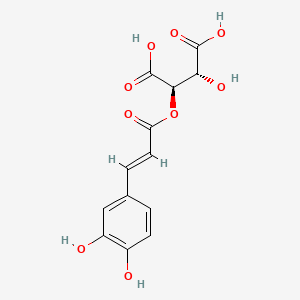
| The Content Variation of Natural Product Induced by Different Factor(s) | |||||||||||||||||||||||||||||||||||||||||||||||||||||||||||||||||||||||||||||||||||||||||
|---|---|---|---|---|---|---|---|---|---|---|---|---|---|---|---|---|---|---|---|---|---|---|---|---|---|---|---|---|---|---|---|---|---|---|---|---|---|---|---|---|---|---|---|---|---|---|---|---|---|---|---|---|---|---|---|---|---|---|---|---|---|---|---|---|---|---|---|---|---|---|---|---|---|---|---|---|---|---|---|---|---|---|---|---|---|---|---|---|---|
| Species Name: Lactuca sativa L. | |||||||||||||||||||||||||||||||||||||||||||||||||||||||||||||||||||||||||||||||||||||||||
| Factor Name: P2O5 Treatment; Nitrogen Treatment; Drought Stress Treatment; Photosynthetic Active Radiation Treatment | [1] | ||||||||||||||||||||||||||||||||||||||||||||||||||||||||||||||||||||||||||||||||||||||||
| Experiment Detail |
Lettuce plants (Lactuca sativa L. cv. Romana Lentissima a Montare 4, FOUR-BLUMEN s.r.l., Piacenza, PC, Italy) were cultivated under the greenhouse of Agronomy and Crop Sciences Research and Education Center, University of Teramo, Mosciano Sant' Angelo (42° 53′ N and 13° 55′ E, 15 m; above sea level) from June to July 2013. The greenhouse is covered with a single layer of ethylene-vinyl acetate (PATILUX) provided by P.A.T.I. S.p.A. (San Zenone degli Ezzelini, TV, Italy); it has a natural ventilation system, and it is not provided of artificial lights, fans, and heaters. The % of reduction with respect to outdoors conditions in terms of total (W m -2) and PAR (µmol m-2 s-1) radiation amounted to 7.4% and 12.6%, respectively. Moreover, the plastic film, as expected, causes a reduction of the irradiance (µmol m-2 s-1) by 64, 32 and 24% on average in the ultraviolet, PAR and near infrared regions, respectively. Starting from transplanting air temperature was constantly monitored with sensors connected to a data logger (EM50 Data Collection System, Decagon Devices Inc., Pullman, WA, USA) .Seeds were sown on a nursery potting soil (Huminsubstrat N3, Neuhaus, Klasmann-Deilmann, Geeste, Germany), composed of 90% peat, 10% clay; pH 6; NPK 14:16:18, 1.3 kg m-3; conductivity 35 mS m-1. On 18 June, uniform sized seedlings of lettuce at the 3-leaf stage were transplanted into individual plastic pots (14 × 14 cm) filled with peat-based compost (peat:vermiculite:perilte 1:1:1, v/v); the composition of the peat moss is given as follows (percentage on dry matter): organic carbon 40%, organic nitrogen 0.1%, organic matter 80%. At 8 and 10-leaf stages, a treatment with fungicide Ortiva (a.i. Azoxystrobin 23.2%, Syngenta Crop Protection S.p.A., Milano, Italy) at the dose of 0.08 mL m-2 was applied.The experiment was arranged on a complete randomized block design. Two nutrient-deficiency conditions and two abiotic stressful conditions were imposed starting from 4 days after transplanting (DAT), i.e. no phosphorus fertilization (named 0_P), no nitrogen fertilization (0_N), limitation of the photosynthetic active radiation (PAR, range from 400 to 700 nm) (LR) and water availability constraint (WR), plus one unstressed CONTROL. Each treatment was replicated three times and each replication consisted in 49 pots (7 rows, 7 pots per row) for a total of 147 pots per treatment; to avoid edge effects, plants were daily re-randomized with the accuracy in maintaining the same sun orientation. All the plots with no-phosphorus limitation (CONTROL, 0_N, LR and WR) were fertilized with simple superphosphate at the rate of 40 kg P2O5 ha-1. All the plots with no-nitrogen limitation (CONTROL, 0_P, LR and WR) were fertilized with two applications, at 4 and 7 DAT, at the total rate of 90 kg N ha-1 with calcium nitrate (Ca(NO3)2). In order to standardize the amount of calcium to the plants, 0_N treatment was fertilized with 156 kg ha-1 of calcium oxide (as the commercial product Brexil Ca, Valagro S.p.a., Piazzano di Atessa, CH, Italy). At transplanting plants were fertilized with potassium chloride at the dose of 100 kg K2O ha-1, and KSC Mix (Timac Agro Italia, Milano, Italy) at the dose of 0.02 kg ha-1 composed as follows: 15% water-soluble magnesium oxide (MgO); 28% water-soluble sulphurous anhydride (SO3); 0.5% water-soluble boron (B); 0.5% water-soluble copper (Cu) chelated by EDTA; 2.5% water-soluble iron (Fe) chelated by EDTA; 2% water-soluble manganese (Mn) chelated by EDTA; 0.2% water-soluble molybdenum (Mo); 1.5% water-soluble zinc (Zn) chelated by EDTA.Shade treatments (LR) were accomplished using a shade net in order to obtain a 85% of reduction in PAR wavelengths. PAR intensity was hourly measured with a PAR Photon Flux Sensor (Decagon Devices Inc., Pullman, WA, USA), connected to a data logger (EM50 Data Collection system, Decagon Devices Inc., Pullman, WA, USA). Per cent of shading was determined by comparing the average PAR values of net with the average PAR values of the un-shaded treatments. Nets were wrapped around a rigid and removable structure placed above the vegetation so that they covered the incoming light from the top and sides to 5 cm below the bottom of the pots. To allow air circulation, light was not limited from below.Water stress (WR) was imposed by maintaining soil volumetric water content at 30% of water holding capacity (WHC) which corresponded to 0.240 and 0.072 m3 m-3 for no-water stressed and water stressed plants, respectively. Water loss, due to evapotranspiration, was constantly monitored with soil moisture sensors installed in 5 randomly selected pots, for each replicates (EC-5, Decagon Devices, Inc., Pullman, WA, USA); the sensors were connected to a data logger - EM50 Data Collection system (Decagon Devices Inc., Pullman, WA, USA). The pots were manually re-watered with tap water (pH 7.2, EC 0.23 mS cm-1) every day at 18:00 h.
Click to Show/Hide
|
||||||||||||||||||||||||||||||||||||||||||||||||||||||||||||||||||||||||||||||||||||||||
| Factor Function |
With the exception of light reduction, the other kind of limitation negatively influenced lettuce fresh yield; nevertheless, the reduction of PAR availability induced a decrease in the content of the main investigated phenolic compounds resulting in a strong reduction of total phenolic content as well as antiradical activity. Conversely, the scarcity of N nutrition allowed to obtain the highest total polyphenols content (TPC) and TEAC (Trolox Equivalent Antioxidant Capacity), although no differences were found in terms of the main phenolic compounds. Drought seems to improve the accumulation of caffeic, caftaric and chicoric acids in the bound forms as well as TPC and antiradical activity of the same fractions, while the reduction in P fertilization did not significantly influence lettuce leaves composition in terms of phytochemicals.
Click to Show/Hide
|
||||||||||||||||||||||||||||||||||||||||||||||||||||||||||||||||||||||||||||||||||||||||
| Factor | Part | Location | NP Content | ||||||||||||||||||||||||||||||||||||||||||||||||||||||||||||||||||||||||||||||||||||||
|
40 kg/ha P2O5 + 90 kg/ha phosphorus fertilization (N) + 0% photosynthetic active radiation (PAR) reduction + 100% water holding capacity (WHC)
|
Leaves | Mosciano Sant' Angelo, Teramo, Italy |
NP Content: 339 ± 12 mg/100g fresh weight
|
||||||||||||||||||||||||||||||||||||||||||||||||||||||||||||||||||||||||||||||||||||||
|
40 kg/ha P2O5 + 90 kg/ha phosphorus fertilization (N) + 0% photosynthetic active radiation (PAR) reduction + 100% water holding capacity (WHC)
|
Leaves | Mosciano Sant' Angelo, Teramo, Italy |
NP Content: 107 ± 3 mg/100g fresh weight
|
||||||||||||||||||||||||||||||||||||||||||||||||||||||||||||||||||||||||||||||||||||||
|
0 kg/ha P2O5 + 90 kg/ha N + 0% reduction + 100% WHC
|
Leaves | Mosciano Sant' Angelo, Teramo, Italy |
NP Content: 427 ± 10 mg/100g fresh weight
|
||||||||||||||||||||||||||||||||||||||||||||||||||||||||||||||||||||||||||||||||||||||
|
0 kg/ha P2O5 + 90 kg/ha N + 0% reduction + 100% WHC
|
Leaves | Mosciano Sant' Angelo, Teramo, Italy |
NP Content: 194 ± 5 mg/100g fresh weight
|
||||||||||||||||||||||||||||||||||||||||||||||||||||||||||||||||||||||||||||||||||||||
|
40 kg/ha P2O5 + 0 kg/ha N + 0% reduction + 100% WHC
|
Leaves | Mosciano Sant' Angelo, Teramo, Italy |
NP Content: 229 ± 2 mg/100g fresh weight
|
||||||||||||||||||||||||||||||||||||||||||||||||||||||||||||||||||||||||||||||||||||||
|
40 kg/ha P2O5 + 0 kg/ha N + 0% reduction + 100% WHC
|
Leaves | Mosciano Sant' Angelo, Teramo, Italy |
NP Content: 84 ± 2 mg/100g fresh weight
|
||||||||||||||||||||||||||||||||||||||||||||||||||||||||||||||||||||||||||||||||||||||
|
40 kg/ha P2O5 + 90 kg/ha N + 0% reduction + 30% WHC
|
Leaves | Mosciano Sant' Angelo, Teramo, Italy |
NP Content: 506 ± 12 mg/100g fresh weight
|
||||||||||||||||||||||||||||||||||||||||||||||||||||||||||||||||||||||||||||||||||||||
|
40 kg/ha P2O5 + 90 kg/ha N + 0% reduction + 30% WHC
|
Leaves | Mosciano Sant' Angelo, Teramo, Italy |
NP Content: 301 ± 10 mg/100g fresh weight
|
||||||||||||||||||||||||||||||||||||||||||||||||||||||||||||||||||||||||||||||||||||||
|
40 kg/ha P2O5 + 90 kg/ha N + 85% reduction + 100% WHC
|
Leaves | Mosciano Sant' Angelo, Teramo, Italy |
NP Content: 409 ± 20 mg/100g fresh weight
|
||||||||||||||||||||||||||||||||||||||||||||||||||||||||||||||||||||||||||||||||||||||
|
40 kg/ha P2O5 + 90 kg/ha N + 85% reduction + 100% WHC
|
Leaves | Mosciano Sant' Angelo, Teramo, Italy |
NP Content: 182 ± 7 mg/100g fresh weight
|
||||||||||||||||||||||||||||||||||||||||||||||||||||||||||||||||||||||||||||||||||||||
| Species Name: Vitis vinifera cv. Pinot noir | |||||||||||||||||||||||||||||||||||||||||||||||||||||||||||||||||||||||||||||||||||||||||
| Factor Name: Drought Stress Treatment | [2] | ||||||||||||||||||||||||||||||||||||||||||||||||||||||||||||||||||||||||||||||||||||||||
| Experiment Detail |
3-year old single shoot V. vinifera plants (cultivar Pinot noir 18 Gm grafted on Kober 5BB, 51 plants) potted in 3L pots in a sandy loam soil were used. All plants were well watered (200 mL per day) at the beginning of the experiment (04.06.2010; DAY 0; 5 plants) and water was supplied to all control plants once every day (250 mL per day), whereas water supply of stressed plants was stopped. Physiological measurements and sampling of leaves took place on 07.06.2010 (DAY 3; 5 control, 5 stressed plants), 10.06.2010 (DAY 6; 5 control, 5 stressed plants) and 12.06.2010 (DAY 8; 5 control, 10 stressed plants). Due to very hot weather conditions in June 2010 the experiment was stopped after 8 days and 12 available control plants were used to restart the drought treatment with 6 control and 6 stressed plants on 11.06.2010 and all plants were measured on 15.06.2010 (DAY 5). The mean leaf temperatures at midday were: 25 ℃ (04.06.2010; DAY 0), 31.9 ℃ (07.06.2010; DAY 3), 30.8 ℃ (15.06.2010; DAY 5), 35.8 ℃ (10.06.2010; DAY 6) and 35.7 ℃ (12.06.2010; DAY 8). The mean PAR radiation per day (measured from 6:00 am till 7:00 pm) was 144.1 µmol m-2 s-1. Each plant was used only once for physiological measurements and sampling of leaves.On every day of the experiment (day 0, 3, 5, 6, 8) the pot weight and the volumetric soil moisture content (ThetaProbe ML2x and handheld data logger Moisture Meter HH2, Delta-T Devices, Cambridge, United Kingdom) was recorded. The water potential (PWSC Model 3000, Soilmoisture Equipment Corporation, Santa Barbara, USA) was determined for the 6th leaf (representing the insertion level of the shoot from the basis) of every plant and measurement day. Chlorophyll fluorescence and gas exchange parameters of light adapted leaves were determined with the 4th and 5th leaf, whereas dark adaptation was performed only with the 5th leaf. Immediately after these non-invasive measurements, the 5th leaf was harvested, frozen in liquid nitrogen and further used for the measurement of polyphenols, selected primary metabolites and volatiles (VOCs).
Click to Show/Hide
|
||||||||||||||||||||||||||||||||||||||||||||||||||||||||||||||||||||||||||||||||||||||||
| Factor Function |
The content of different groups of primary and secondary metabolites is significantly influenced by severe drought stress in grapevine leaves. The content of the majority of the metabolites (around 60% of primary metabolites, around 85% of polyphenols and about 40% of the detected and identified VOCs) increased upon drought stress treatment. Among these especially the primary metabolites citric acid and glyceric acid were strongly influenced by the short as well as the prolonged drought stress treatment, whereas all polyphenols were only induced upon the prolonged drought stress treatment.
Click to Show/Hide
|
||||||||||||||||||||||||||||||||||||||||||||||||||||||||||||||||||||||||||||||||||||||||
| Factor | Part | Location | NP Content | ||||||||||||||||||||||||||||||||||||||||||||||||||||||||||||||||||||||||||||||||||||||
|
Normal condition
|
Leaves | Vienna, Austria |
NP Content: 114.7 ± 102.8 µg/g dry weight
|
||||||||||||||||||||||||||||||||||||||||||||||||||||||||||||||||||||||||||||||||||||||
|
Dry 3-5 days
|
Leaves | Vienna, Austria |
NP Content: 130.5 ± 107.0 µg/g dry weight
|
||||||||||||||||||||||||||||||||||||||||||||||||||||||||||||||||||||||||||||||||||||||
|
Dry 6-8 days
|
Leaves | Vienna, Austria |
NP Content: 205.0 ± 225.7 µg/g dry weight
|
||||||||||||||||||||||||||||||||||||||||||||||||||||||||||||||||||||||||||||||||||||||
