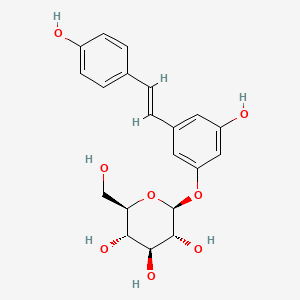
| The Content Variation of Natural Product Induced by Different Factor(s) | |||||||||||||||||||||||||||||||||||||||||||||||||||||||||||||||||||||||||||||||||||||||||
|---|---|---|---|---|---|---|---|---|---|---|---|---|---|---|---|---|---|---|---|---|---|---|---|---|---|---|---|---|---|---|---|---|---|---|---|---|---|---|---|---|---|---|---|---|---|---|---|---|---|---|---|---|---|---|---|---|---|---|---|---|---|---|---|---|---|---|---|---|---|---|---|---|---|---|---|---|---|---|---|---|---|---|---|---|---|---|---|---|---|
| Species Name: Polygonum cuspidatum | |||||||||||||||||||||||||||||||||||||||||||||||||||||||||||||||||||||||||||||||||||||||||
| Factor Name: Locality Variation; Seasonal Variation | [1] | ||||||||||||||||||||||||||||||||||||||||||||||||||||||||||||||||||||||||||||||||||||||||
| Experiment Detail |
P. cuspidatum was harvested in three different locations in Kochi Prefecture, Japan. Shimanto (Kinokawa, Shimanto-cho, Takaoka-gun), Kagami (Chozu, Kagamiyoshihara, Kochi-shi), and Muroto (Sakihama-cho, Muroto-shi) are, respectively, located in the west, center, and east of Kochi Prefecture. Fresh plants were separated into four different parts: stem, leaf, tuber, and rhizome. The edible plant shoots harvested in spring were further divided into four different sections: the upper, middle, and lower parts of the edible portion, and the inedible skin. The stem was categorized as one whole sample in summer and fall.
Click to Show/Hide
|
||||||||||||||||||||||||||||||||||||||||||||||||||||||||||||||||||||||||||||||||||||||||
| Factor Function |
This study has clarified that the resveratrol content in P. cuspidatum varied depending on the harvesting season, growing location, and cultivating condition. The seasonal peaks of free resveratrol content were different between the above-ground and subterranean parts. The free resveratrol content of the subterranean parts peaked in spring, and the above-ground samples had the highest free resveratrol content in fall. From spring to summer, however, we observed less resveratrol glycoside in both the above-ground and subterranean parts. In summer, there are a number of stressful factors such as intense sunlight and high temperatures which could be related to the rapid consumption of stored forms of resveratrol. However, in the three geographical regions, these observed differences in resveratrol content were not always consistent. In particular, samples from Muroto had different seasonal changes in resveratrol glycoside content from the other regions. For example, the resveratrol glycoside contents in the leaves and rhizomes harvested in Kagami and Shimanto were relatively low in summer, but the samples from Muroto showed the highest content in this season. Environmental factors such as hours of sunlight and the presence of harmful insects and/or fungus can affect the production of resveratrol in plants. In fact, the weather in Muroto was distinctly different from that in the other regions. According to the meteorological data for Kochi Prefecture, the amount of rainfall in Sakihama-cho, Muroto-shi, was markedly higher than in the other places, including the Shimanto and Kochi regions. The hours of sunlight could have been relatively fewer, so that the plants did not need to expend their stored resveratrol. Other possible factors are insects and fungal infections.
Click to Show/Hide
|
||||||||||||||||||||||||||||||||||||||||||||||||||||||||||||||||||||||||||||||||||||||||
| Factor | Part | Location | NP Content | ||||||||||||||||||||||||||||||||||||||||||||||||||||||||||||||||||||||||||||||||||||||
|
Stem of lower parts: (Locality: Shimanto, Kochi Prefecture, Japan) + (Harvesting time: Spring)
|
Stems | Kochi Prefecture, Japan |
NP Content: 0.11 µg/g fresh weight
|
||||||||||||||||||||||||||||||||||||||||||||||||||||||||||||||||||||||||||||||||||||||
|
Stem of middle parts: (Locality: Shimanto, Kochi Prefecture, Japan) + (Harvesting time: Spring)
|
Stems | Kochi Prefecture, Japan |
NP Content: 0.17 µg/g fresh weight
|
||||||||||||||||||||||||||||||||||||||||||||||||||||||||||||||||||||||||||||||||||||||
|
Stem of upper parts: (Locality: Shimanto, Kochi Prefecture, Japan) + (Harvesting time: Spring)
|
Stems | Kochi Prefecture, Japan |
NP Content: 0.26 µg/g fresh weight
|
||||||||||||||||||||||||||||||||||||||||||||||||||||||||||||||||||||||||||||||||||||||
|
Stem of skin parts: (Locality: Shimanto, Kochi Prefecture, Japan) + (Harvesting time: Spring)
|
Stems | Kochi Prefecture, Japan |
NP Content: 0.1 µg/g fresh weight
|
||||||||||||||||||||||||||||||||||||||||||||||||||||||||||||||||||||||||||||||||||||||
|
Leaf: (Locality: Shimanto, Kochi Prefecture, Japan) + (Harvesting time: Spring)
|
Leaves | Kochi Prefecture, Japan |
NP Content: 4.98 µg/g fresh weight
|
||||||||||||||||||||||||||||||||||||||||||||||||||||||||||||||||||||||||||||||||||||||
|
Tuber of subterranean: (Locality: Shimanto, Kochi Prefecture, Japan) + (Harvesting time: Spring)
|
Subterraneans | Kochi Prefecture, Japan |
NP Content: 2300 µg/g fresh weight
|
||||||||||||||||||||||||||||||||||||||||||||||||||||||||||||||||||||||||||||||||||||||
|
Rhizome of subterranean: (Locality: Shimanto, Kochi Prefecture, Japan) + (Harvesting time: Spring)
|
Subterraneans | Kochi Prefecture, Japan |
NP Content: 2690 µg/g fresh weight
|
||||||||||||||||||||||||||||||||||||||||||||||||||||||||||||||||||||||||||||||||||||||
|
Stem of lower parts: (Locality: Kagami, Kochi Prefecture, Japan) + (Harvesting time: Spring)
|
Stems | Kochi Prefecture, Japan |
NP Content: 0.25 µg/g fresh weight
|
||||||||||||||||||||||||||||||||||||||||||||||||||||||||||||||||||||||||||||||||||||||
|
Stem of middle parts: (Locality: Kagami, Kochi Prefecture, Japan) + (Harvesting time: Spring)
|
Stems | Kochi Prefecture, Japan |
NP Content: less than 0.1 µg/g fresh weight
|
||||||||||||||||||||||||||||||||||||||||||||||||||||||||||||||||||||||||||||||||||||||
|
Stem of upper parts: (Locality: Kagami, Kochi Prefecture, Japan) + (Harvesting time: Spring)
|
Stems | Kochi Prefecture, Japan |
NP Content: 0.4 µg/g fresh weight
|
||||||||||||||||||||||||||||||||||||||||||||||||||||||||||||||||||||||||||||||||||||||
|
Stem of skin parts: (Locality: Kagami, Kochi Prefecture, Japan) + (Harvesting time: Spring)
|
Stems | Kochi Prefecture, Japan |
NP Content: 0.24 µg/g fresh weight
|
||||||||||||||||||||||||||||||||||||||||||||||||||||||||||||||||||||||||||||||||||||||
|
Leaf: (Locality: Kagami, Kochi Prefecture, Japan) + (Harvesting time: Spring)
|
Leaves | Kochi Prefecture, Japan |
NP Content: 3.33 µg/g fresh weight
|
||||||||||||||||||||||||||||||||||||||||||||||||||||||||||||||||||||||||||||||||||||||
|
Tuber of subterranean: (Locality: Kagami, Kochi Prefecture, Japan) + (Harvesting time: Spring)
|
Subterraneans | Kochi Prefecture, Japan |
NP Content: 284 µg/g fresh weight
|
||||||||||||||||||||||||||||||||||||||||||||||||||||||||||||||||||||||||||||||||||||||
|
Rhizome of subterranean: (Locality: Kagami, Kochi Prefecture, Japan) + (Harvesting time: Spring)
|
Subterraneans | Kochi Prefecture, Japan |
NP Content: 3140 µg/g fresh weight
|
||||||||||||||||||||||||||||||||||||||||||||||||||||||||||||||||||||||||||||||||||||||
|
Stem of lower parts: (Locality: Muroto, Kochi Prefecture, Japan) + (Harvesting time: Spring)
|
Stems | Kochi Prefecture, Japan |
NP Content: 0.34 µg/g fresh weight
|
||||||||||||||||||||||||||||||||||||||||||||||||||||||||||||||||||||||||||||||||||||||
|
Stem of middle parts: (Locality: Muroto, Kochi Prefecture, Japan) + (Harvesting time: Spring)
|
Stems | Kochi Prefecture, Japan |
NP Content: 0.19 µg/g fresh weight
|
||||||||||||||||||||||||||||||||||||||||||||||||||||||||||||||||||||||||||||||||||||||
|
Stem of upper parts: (Locality: Muroto, Kochi Prefecture, Japan) + (Harvesting time: Spring)
|
Stems | Kochi Prefecture, Japan |
NP Content: 0.39 µg/g fresh weight
|
||||||||||||||||||||||||||||||||||||||||||||||||||||||||||||||||||||||||||||||||||||||
|
Stem of skin parts: (Locality: Muroto, Kochi Prefecture, Japan) + (Harvesting time: Spring)
|
Stems | Kochi Prefecture, Japan |
NP Content: 0.33 µg/g fresh weight
|
||||||||||||||||||||||||||||||||||||||||||||||||||||||||||||||||||||||||||||||||||||||
|
Leaf: (Locality: Muroto, Kochi Prefecture, Japan) + (Harvesting time: Spring)
|
Leaves | Kochi Prefecture, Japan |
NP Content: 0.42 µg/g fresh weight
|
||||||||||||||||||||||||||||||||||||||||||||||||||||||||||||||||||||||||||||||||||||||
|
Whole stem: (Locality: Shimanto, Kochi Prefecture, Japan) + (Harvesting time: Summer)
|
Stems | Kochi Prefecture, Japan |
NP Content: 0.19 µg/g fresh weight
|
||||||||||||||||||||||||||||||||||||||||||||||||||||||||||||||||||||||||||||||||||||||
|
Leaf: (Locality: Shimanto, Kochi Prefecture, Japan) + (Harvesting time: Summer)
|
Leaves | Kochi Prefecture, Japan |
NP Content: 1.46 µg/g fresh weight
|
||||||||||||||||||||||||||||||||||||||||||||||||||||||||||||||||||||||||||||||||||||||
|
Tuber of subterranean: (Locality: Shimanto, Kochi Prefecture, Japan) + (Harvesting time: Summer)
|
Subterraneans | Kochi Prefecture, Japan |
NP Content: 800 µg/g fresh weight
|
||||||||||||||||||||||||||||||||||||||||||||||||||||||||||||||||||||||||||||||||||||||
|
Rhizome of subterranean: (Locality: Shimanto, Kochi Prefecture, Japan) + (Harvesting time: Summer)
|
Subterraneans | Kochi Prefecture, Japan |
NP Content: 1094 µg/g fresh weight
|
||||||||||||||||||||||||||||||||||||||||||||||||||||||||||||||||||||||||||||||||||||||
|
Whole stem: (Locality: Kagami, Kochi Prefecture, Japan) + (Harvesting time: Summer)
|
Stems | Kochi Prefecture, Japan |
NP Content: 0.44 µg/g fresh weight
|
||||||||||||||||||||||||||||||||||||||||||||||||||||||||||||||||||||||||||||||||||||||
|
Leaf: (Locality: Kagami, Kochi Prefecture, Japan) + (Harvesting time: Summer)
|
Leaves | Kochi Prefecture, Japan |
NP Content: 0.87 µg/g fresh weight
|
||||||||||||||||||||||||||||||||||||||||||||||||||||||||||||||||||||||||||||||||||||||
|
Tuber of subterranean: (Locality: Kagami, Kochi Prefecture, Japan) + (Harvesting time: Summer)
|
Subterraneans | Kochi Prefecture, Japan |
NP Content: 55.9 µg/g fresh weight
|
||||||||||||||||||||||||||||||||||||||||||||||||||||||||||||||||||||||||||||||||||||||
|
Rhizome of subterranean: (Locality: Kagami, Kochi Prefecture, Japan) + (Harvesting time: Summer)
|
Subterraneans | Kochi Prefecture, Japan |
NP Content: 84.1 µg/g fresh weight
|
||||||||||||||||||||||||||||||||||||||||||||||||||||||||||||||||||||||||||||||||||||||
|
Whole stem: (Locality: Muroto, Kochi Prefecture, Japan) + (Harvesting time: Summer)
|
Stems | Kochi Prefecture, Japan |
NP Content: 0.23 µg/g fresh weight
|
||||||||||||||||||||||||||||||||||||||||||||||||||||||||||||||||||||||||||||||||||||||
|
Leaf: (Locality: Muroto, Kochi Prefecture, Japan) + (Harvesting time: Summer)
|
Leaves | Kochi Prefecture, Japan |
NP Content: 3.65 µg/g fresh weight
|
||||||||||||||||||||||||||||||||||||||||||||||||||||||||||||||||||||||||||||||||||||||
|
Tuber of subterranean: (Locality: Muroto, Kochi Prefecture, Japan) + (Harvesting time: Summer)
|
Subterraneans | Kochi Prefecture, Japan |
NP Content: 1230 µg/g fresh weight
|
||||||||||||||||||||||||||||||||||||||||||||||||||||||||||||||||||||||||||||||||||||||
|
Rhizome of subterranean: (Locality: Muroto, Kochi Prefecture, Japan) + (Harvesting time: Summer)
|
Subterraneans | Kochi Prefecture, Japan |
NP Content: 2200 µg/g fresh weight
|
||||||||||||||||||||||||||||||||||||||||||||||||||||||||||||||||||||||||||||||||||||||
|
Whole stem: (Locality: Shimanto, Kochi Prefecture, Japan) + (Harvesting time: Fall)
|
Stems | Kochi Prefecture, Japan |
NP Content: less than 0.1 µg/g fresh weight
|
||||||||||||||||||||||||||||||||||||||||||||||||||||||||||||||||||||||||||||||||||||||
|
Leaf: (Locality: Shimanto, Kochi Prefecture, Japan) + (Harvesting time: Fall)
|
Leaves | Kochi Prefecture, Japan |
NP Content: 0.05 µg/g fresh weight
|
||||||||||||||||||||||||||||||||||||||||||||||||||||||||||||||||||||||||||||||||||||||
|
Tuber of subterranean: (Locality: Shimanto, Kochi Prefecture, Japan) + (Harvesting time: Fall)
|
Subterraneans | Kochi Prefecture, Japan |
NP Content: 3036 µg/g fresh weight
|
||||||||||||||||||||||||||||||||||||||||||||||||||||||||||||||||||||||||||||||||||||||
|
Rhizome of subterranean: (Locality: Shimanto, Kochi Prefecture, Japan) + (Harvesting time: Fall)
|
Subterraneans | Kochi Prefecture, Japan |
NP Content: 2036 µg/g fresh weight
|
||||||||||||||||||||||||||||||||||||||||||||||||||||||||||||||||||||||||||||||||||||||
|
Whole stem: (Locality: Kagami, Kochi Prefecture, Japan) + (Harvesting time: Fall)
|
Stems | Kochi Prefecture, Japan |
NP Content: less than 0.1 µg/g fresh weight
|
||||||||||||||||||||||||||||||||||||||||||||||||||||||||||||||||||||||||||||||||||||||
|
Leaf: (Locality: Kagami, Kochi Prefecture, Japan) + (Harvesting time: Fall)
|
Leaves | Kochi Prefecture, Japan |
NP Content: less than 0.1 µg/g fresh weight
|
||||||||||||||||||||||||||||||||||||||||||||||||||||||||||||||||||||||||||||||||||||||
|
Tuber of subterranean: (Locality: Kagami, Kochi Prefecture, Japan) + (Harvesting time: Fall)
|
Subterraneans | Kochi Prefecture, Japan |
NP Content: 1420 µg/g fresh weight
|
||||||||||||||||||||||||||||||||||||||||||||||||||||||||||||||||||||||||||||||||||||||
|
Rhizome of subterranean: (Locality: Kagami, Kochi Prefecture, Japan) + (Harvesting time: Fall)
|
Subterraneans | Kochi Prefecture, Japan |
NP Content: 1940 µg/g fresh weight
|
||||||||||||||||||||||||||||||||||||||||||||||||||||||||||||||||||||||||||||||||||||||
|
Whole stem: (Locality: Muroto, Kochi Prefecture, Japan) + (Harvesting time: Fall)
|
Stems | Kochi Prefecture, Japan |
NP Content: 0.48 µg/g fresh weight
|
||||||||||||||||||||||||||||||||||||||||||||||||||||||||||||||||||||||||||||||||||||||
|
Leaf: (Locality: Muroto, Kochi Prefecture, Japan) + (Harvesting time: Fall)
|
Leaves | Kochi Prefecture, Japan |
NP Content: 2.44 µg/g fresh weight
|
||||||||||||||||||||||||||||||||||||||||||||||||||||||||||||||||||||||||||||||||||||||
|
Tuber of subterranean: (Locality: Muroto, Kochi Prefecture, Japan) + (Harvesting time: Fall)
|
Subterraneans | Kochi Prefecture, Japan |
NP Content: 1600 µg/g fresh weight
|
||||||||||||||||||||||||||||||||||||||||||||||||||||||||||||||||||||||||||||||||||||||
|
Rhizome of subterranean: (Locality: Muroto, Kochi Prefecture, Japan) + (Harvesting time: Fall)
|
Subterraneans | Kochi Prefecture, Japan |
NP Content: 590 µg/g fresh weight
|
||||||||||||||||||||||||||||||||||||||||||||||||||||||||||||||||||||||||||||||||||||||
|
Tuber of subterranean: (Locality: Shimanto, Kochi Prefecture, Japan) + (Harvesting time: Winter)
|
Subterraneans | Kochi Prefecture, Japan |
NP Content: 2162 µg/g fresh weight
|
||||||||||||||||||||||||||||||||||||||||||||||||||||||||||||||||||||||||||||||||||||||
|
Rhizome of subterranean: (Locality: Shimanto, Kochi Prefecture, Japan) + (Harvesting time: Winter)
|
Subterraneans | Kochi Prefecture, Japan |
NP Content: 780 µg/g fresh weight
|
||||||||||||||||||||||||||||||||||||||||||||||||||||||||||||||||||||||||||||||||||||||
|
Tuber of subterranean: (Locality: Kagami, Kochi Prefecture, Japan) + (Harvesting time: Winter)
|
Subterraneans | Kochi Prefecture, Japan |
NP Content: 937 µg/g fresh weight
|
||||||||||||||||||||||||||||||||||||||||||||||||||||||||||||||||||||||||||||||||||||||
|
Rhizome of subterranean: (Locality: Kagami, Kochi Prefecture, Japan) + (Harvesting time: Winter)
|
Subterraneans | Kochi Prefecture, Japan |
NP Content: 1450 µg/g fresh weight
|
||||||||||||||||||||||||||||||||||||||||||||||||||||||||||||||||||||||||||||||||||||||
|
Tuber of subterranean: (Locality: Muroto, Kochi Prefecture, Japan) + (Harvesting time: Winter)
|
Subterraneans | Kochi Prefecture, Japan |
NP Content: 987 µg/g fresh weight
|
||||||||||||||||||||||||||||||||||||||||||||||||||||||||||||||||||||||||||||||||||||||
|
Rhizome of subterranean: (Locality: Muroto, Kochi Prefecture, Japan) + (Harvesting time: Winter)
|
Subterraneans | Kochi Prefecture, Japan |
NP Content: 2270 µg/g fresh weight
|
||||||||||||||||||||||||||||||||||||||||||||||||||||||||||||||||||||||||||||||||||||||
| Species Name: Vitis vinifera cv. Pinot noir | |||||||||||||||||||||||||||||||||||||||||||||||||||||||||||||||||||||||||||||||||||||||||
| Factor Name: Drought Stress Treatment | [2] | ||||||||||||||||||||||||||||||||||||||||||||||||||||||||||||||||||||||||||||||||||||||||
| Experiment Detail |
3-year old single shoot V. vinifera plants (cultivar Pinot noir 18 Gm grafted on Kober 5BB, 51 plants) potted in 3L pots in a sandy loam soil were used. All plants were well watered (200 mL per day) at the beginning of the experiment (04.06.2010; DAY 0; 5 plants) and water was supplied to all control plants once every day (250 mL per day), whereas water supply of stressed plants was stopped. Physiological measurements and sampling of leaves took place on 07.06.2010 (DAY 3; 5 control, 5 stressed plants), 10.06.2010 (DAY 6; 5 control, 5 stressed plants) and 12.06.2010 (DAY 8; 5 control, 10 stressed plants). Due to very hot weather conditions in June 2010 the experiment was stopped after 8 days and 12 available control plants were used to restart the drought treatment with 6 control and 6 stressed plants on 11.06.2010 and all plants were measured on 15.06.2010 (DAY 5). The mean leaf temperatures at midday were: 25 ℃ (04.06.2010; DAY 0), 31.9 ℃ (07.06.2010; DAY 3), 30.8 ℃ (15.06.2010; DAY 5), 35.8 ℃ (10.06.2010; DAY 6) and 35.7 ℃ (12.06.2010; DAY 8). The mean PAR radiation per day (measured from 6:00 am till 7:00 pm) was 144.1 µmol m-2 s-1. Each plant was used only once for physiological measurements and sampling of leaves.On every day of the experiment (day 0, 3, 5, 6, 8) the pot weight and the volumetric soil moisture content (ThetaProbe ML2x and handheld data logger Moisture Meter HH2, Delta-T Devices, Cambridge, United Kingdom) was recorded. The water potential (PWSC Model 3000, Soilmoisture Equipment Corporation, Santa Barbara, USA) was determined for the 6th leaf (representing the insertion level of the shoot from the basis) of every plant and measurement day. Chlorophyll fluorescence and gas exchange parameters of light adapted leaves were determined with the 4th and 5th leaf, whereas dark adaptation was performed only with the 5th leaf. Immediately after these non-invasive measurements, the 5th leaf was harvested, frozen in liquid nitrogen and further used for the measurement of polyphenols, selected primary metabolites and volatiles (VOCs).
Click to Show/Hide
|
||||||||||||||||||||||||||||||||||||||||||||||||||||||||||||||||||||||||||||||||||||||||
| Factor Function |
The content of different groups of primary and secondary metabolites is significantly influenced by severe drought stress in grapevine leaves. The content of the majority of the metabolites (around 60% of primary metabolites, around 85% of polyphenols and about 40% of the detected and identified VOCs) increased upon drought stress treatment. Among these especially the primary metabolites citric acid and glyceric acid were strongly influenced by the short as well as the prolonged drought stress treatment, whereas all polyphenols were only induced upon the prolonged drought stress treatment.
Click to Show/Hide
|
||||||||||||||||||||||||||||||||||||||||||||||||||||||||||||||||||||||||||||||||||||||||
| Factor | Part | Location | NP Content | ||||||||||||||||||||||||||||||||||||||||||||||||||||||||||||||||||||||||||||||||||||||
|
Normal condition
|
Leaves | Vienna, Austria |
NP Content: 0.9 ± 0.7 µg/g dry weight
|
||||||||||||||||||||||||||||||||||||||||||||||||||||||||||||||||||||||||||||||||||||||
|
Dry 3-5 days
|
Leaves | Vienna, Austria |
NP Content: 1.0 ± 1.0 µg/g dry weight
|
||||||||||||||||||||||||||||||||||||||||||||||||||||||||||||||||||||||||||||||||||||||
|
Dry 6-8 days
|
Leaves | Vienna, Austria |
NP Content: 4.9 ± 5.3 µg/g dry weight
|
||||||||||||||||||||||||||||||||||||||||||||||||||||||||||||||||||||||||||||||||||||||
