
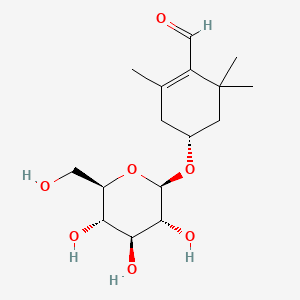
| The Content Variation of Natural Product Induced by Different Factor(s) | |||||||||||||||||||||||||||||||||||||||||||||||||||||||||||||||||||||||||||||||||||||||||
|---|---|---|---|---|---|---|---|---|---|---|---|---|---|---|---|---|---|---|---|---|---|---|---|---|---|---|---|---|---|---|---|---|---|---|---|---|---|---|---|---|---|---|---|---|---|---|---|---|---|---|---|---|---|---|---|---|---|---|---|---|---|---|---|---|---|---|---|---|---|---|---|---|---|---|---|---|---|---|---|---|---|---|---|---|---|---|---|---|---|
| Species Name: Crocus sativus L. | |||||||||||||||||||||||||||||||||||||||||||||||||||||||||||||||||||||||||||||||||||||||||
| Factor Name: Locality Variation; Plant Pathogen Infection | [1] | ||||||||||||||||||||||||||||||||||||||||||||||||||||||||||||||||||||||||||||||||||||||||
| Experiment Detail |
Several surveys were carried out during the growing seasons 2014-2016 in major C. sativus cultivation areas of Iran with different environmental conditions, including Tehran, Fars, Isfahan, Kerman, and Razavi Khorasan provinces. C. sativus corms were randomly collected and tested for virus infections and planted in an experimental field located in the University of Tehran, Karaj, Iran.Based on the serological results, 44 saffron samples testing positive for the presence of potyviruses and 16 saffron samples that were free of viruses were selected for further analysis.Stigma tissues of SaLV-infected and uninfected samples were snap frozen in liquid nitrogen and dried using Zirbus VaCo 5 Laboratory Freeze Dryer (ZIRBUS technology GmbH, Bad Grund/Harz, Germany) under pressure of 0.02 mbar for 48 h and were kept in -80℃.
Click to Show/Hide
|
||||||||||||||||||||||||||||||||||||||||||||||||||||||||||||||||||||||||||||||||||||||||
| Factor Function |
Saffron plants grown at various conditions (considering altitude, temperature, and precipitation/rainfall) and in presence/absence of virus infections; we found that edaphoclimatic and cultivation conditions significantly determine the quality of the spice and the presence of virus modifies the content of its metabolites.
Click to Show/Hide
|
||||||||||||||||||||||||||||||||||||||||||||||||||||||||||||||||||||||||||||||||||||||||
| Factor | Part | Location | NP Content | ||||||||||||||||||||||||||||||||||||||||||||||||||||||||||||||||||||||||||||||||||||||
|
(Locality: Isfahan province, Iran) + (Positive of Saffron latent virus infection)
|
Stigma tissues | Karaj, Iran |
NP Content: 149.91 ± 91.82 mg/g
|
||||||||||||||||||||||||||||||||||||||||||||||||||||||||||||||||||||||||||||||||||||||
|
(Locality: Isfahan province, Iran) + (Negative of Saffron latent virus infection)
|
Stigma tissues | Karaj, Iran |
NP Content: 151.96 ± 26.56 mg/g
|
||||||||||||||||||||||||||||||||||||||||||||||||||||||||||||||||||||||||||||||||||||||
|
(Locality: Razavi Khorasan province, Iran) + (Positive of Saffron latent virus infection)
|
Stigma tissues | Karaj, Iran |
NP Content: 109.68 ± 70.19 mg/g
|
||||||||||||||||||||||||||||||||||||||||||||||||||||||||||||||||||||||||||||||||||||||
|
(Locality: Razavi Khorasan province, Iran) + (Negative of Saffron latent virus infection)
|
Stigma tissues | Karaj, Iran |
NP Content: 171.68 ± 1 3.54 mg/g
|
||||||||||||||||||||||||||||||||||||||||||||||||||||||||||||||||||||||||||||||||||||||
|
(Locality: Tehran province, Iran) + (Positive of Saffron latent virus infection)
|
Stigma tissues | Karaj, Iran |
NP Content: 138.08 ± 3 8.24 mg/g
|
||||||||||||||||||||||||||||||||||||||||||||||||||||||||||||||||||||||||||||||||||||||
|
(Locality: Tehran province, Iran) + (Negative of Saffron latent virus infection)
|
Stigma tissues | Karaj, Iran |
NP Content: 115.43 ± 58.93 mg/g
|
||||||||||||||||||||||||||||||||||||||||||||||||||||||||||||||||||||||||||||||||||||||
|
(Locality: Fars province, Iran) + (Positive of Saffron latent virus infection)
|
Stigma tissues | Karaj, Iran |
NP Content: 95.02 ± 28.44 mg/g
|
||||||||||||||||||||||||||||||||||||||||||||||||||||||||||||||||||||||||||||||||||||||
|
(Locality: Fars province, Iran) + (Negative of Saffron latent virus infection)
|
Stigma tissues | Karaj, Iran |
NP Content: 32.98 ± 5.36 mg/g
|
||||||||||||||||||||||||||||||||||||||||||||||||||||||||||||||||||||||||||||||||||||||
|
(Locality: Kerman province, Iran) + (Positive of Saffron latent virus infection)
|
Stigma tissues | Karaj, Iran |
NP Content: 51.86 ± 9.58 mg/g
|
||||||||||||||||||||||||||||||||||||||||||||||||||||||||||||||||||||||||||||||||||||||
|
(Locality: Kerman province, Iran) + (Negative of Saffron latent virus infection)
|
Stigma tissues | Karaj, Iran |
NP Content: 94.19 ± 47.15 mg/g
|
||||||||||||||||||||||||||||||||||||||||||||||||||||||||||||||||||||||||||||||||||||||
| References | ||||||||||||||||||||||||
|---|---|---|---|---|---|---|---|---|---|---|---|---|---|---|---|---|---|---|---|---|---|---|---|---|
| 1 | The effects of geographical origin and virus infection on the saffron (Crocus sativus L.) quality | |||||||||||||||||||||||