
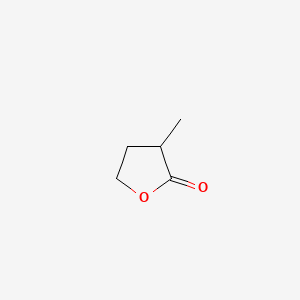
| The Content Variation of Natural Product Induced by Different Factor(s) | |||||||||||||||||||||||||||||||||||||||||||||||||||||||||||||||||||||||||||||||||||||||||
|---|---|---|---|---|---|---|---|---|---|---|---|---|---|---|---|---|---|---|---|---|---|---|---|---|---|---|---|---|---|---|---|---|---|---|---|---|---|---|---|---|---|---|---|---|---|---|---|---|---|---|---|---|---|---|---|---|---|---|---|---|---|---|---|---|---|---|---|---|---|---|---|---|---|---|---|---|---|---|---|---|---|---|---|---|---|---|---|---|---|
| Species Name: Fritillaria imperialis | |||||||||||||||||||||||||||||||||||||||||||||||||||||||||||||||||||||||||||||||||||||||||
| Factor Name: Cultivar Comparison | [1] | ||||||||||||||||||||||||||||||||||||||||||||||||||||||||||||||||||||||||||||||||||||||||
| Experiment Detail |
Plants of the F. imperialis cultivars Premier (very strong foxy odor) and Lutea (strong foxy odor), the F. imperialis subspecies Inodora (no odor), a cross between F. imperialis Lutea × Inodora (F1 generation, faint foxy odor) were grown from bulbs during the spring and early summer in clay soil near Midlum (Province of Friesland, The Netherlands). Bulbs, newly grown from these plants, were harvested in mid-June and stored, after removal of soil, at ambient temperature until analysis, which occurred in October and November.
Click to Show/Hide
|
||||||||||||||||||||||||||||||||||||||||||||||||||||||||||||||||||||||||||||||||||||||||
| Factor Function |
GC-O revealed that the foxy odor was caused by a single component, identified as 3-methyl-2-butene-1-thiol on the basis of smell in GC-O analyses (two GC columns), mass spectra, and retention times. The abundance of 3-methyl-2-butene-1-thiol is consistent with the intensity of foxy Fritillaria odor in the F. imperialis cultivars: Premier > Lutea >> Lutea × Inodora, where the latter did not show a detectable peak in GC-MS.
Click to Show/Hide
|
||||||||||||||||||||||||||||||||||||||||||||||||||||||||||||||||||||||||||||||||||||||||
| Factor | Part | Location | NP Content | ||||||||||||||||||||||||||||||||||||||||||||||||||||||||||||||||||||||||||||||||||||||
|
Fritillaria imperialis cv. Inodora (no odor)
|
Flowers | Netherlends |
NP Content: 0.7 %
|
||||||||||||||||||||||||||||||||||||||||||||||||||||||||||||||||||||||||||||||||||||||
|
Fritillaria imperialis cv. Lutea × Inodora (faint foxy odor)
|
Flowers | Netherlends |
NP Content: 1.3 %
|
||||||||||||||||||||||||||||||||||||||||||||||||||||||||||||||||||||||||||||||||||||||
|
Fritillaria imperialis cv. Lutea (strong foxy odor)
|
Flowers | Netherlends |
NP Content: 1.5 %
|
||||||||||||||||||||||||||||||||||||||||||||||||||||||||||||||||||||||||||||||||||||||
|
Fritillaria imperialis cv. Premier (very strong foxy odor)
|
Flowers | Netherlends |
NP Content: 1.9 %
|
||||||||||||||||||||||||||||||||||||||||||||||||||||||||||||||||||||||||||||||||||||||
| References | ||||||||||||||||||||||||
|---|---|---|---|---|---|---|---|---|---|---|---|---|---|---|---|---|---|---|---|---|---|---|---|---|
| 1 | Identification of the Volatile Component(s) Causing the Characteristic Foxy Odor in Various Cultivars of Fritillaria imperialis L. (Liliaceae) | |||||||||||||||||||||||