
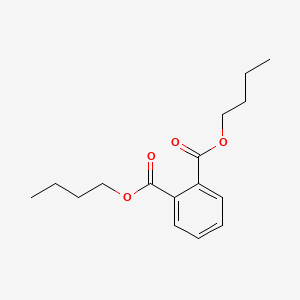
| The Content Variation of Natural Product Induced by Different Factor(s) | |||||||||||||||||||||||||||||||||||||||||||||||||||||||||||||||||||||||||||||||||||||||||
|---|---|---|---|---|---|---|---|---|---|---|---|---|---|---|---|---|---|---|---|---|---|---|---|---|---|---|---|---|---|---|---|---|---|---|---|---|---|---|---|---|---|---|---|---|---|---|---|---|---|---|---|---|---|---|---|---|---|---|---|---|---|---|---|---|---|---|---|---|---|---|---|---|---|---|---|---|---|---|---|---|---|---|---|---|---|---|---|---|---|
| Species Name: Fragaria vesca | |||||||||||||||||||||||||||||||||||||||||||||||||||||||||||||||||||||||||||||||||||||||||
| Factor Name: Cultivar Comparison | [1] | ||||||||||||||||||||||||||||||||||||||||||||||||||||||||||||||||||||||||||||||||||||||||
| Experiment Detail |
Whole leaves and inflorescences of two wild strawberry cultivars ('Rugia' and 'Baron von Solemacher') harvested in 2008 during the agrotechnical experiment performed by Department of Vegetable and Medicinal Plants, University of Life Sciences in Lublin, were used as a material for determinations. Samples were collected before noon at sunny and dry days at the beginning of wild strawberry's flowering stage. Material was dried up to 35 ℃ in shadow and air just after the harvest.
Click to Show/Hide
|
||||||||||||||||||||||||||||||||||||||||||||||||||||||||||||||||||||||||||||||||||||||||
| Factor Function |
Depending on a cultivar, air-dry inflorescences from wild strawberry contain from 0.21% ('Baron von Solemacher' cv.) to 0.30% ('Rugia' cv.), whereas leaves contains from 0.46% ('Baron von Solemacher' cv.) to 0.62% ('Rugia' cv.) of essential oils. GC/MS analysis of essential oils achieved from studied materials revealed presence of 70 (including 59 identified) compounds in leaves of 'Rugia' cv. and 58 (including 50 identified) compounds in leaves of 'Baron von Solemacher' cv. Essential oils from inflorescences of 'Rugia' cv. contained 52 (including 47 identified), while 'Baron von Solemacher' cv. contained 54 (including 46 identified) compounds. The chromatographic analyses by GC-MS revealed that myrthenol, nonal, linalool and phthalide dibuthyl dominated in essential oils obtained from leaves, while myrthenol, citronelol, linalool and geraniol - from those of inflorescences. There were qualitative differences between oil components at both studied materials and differentiation between both cultivars, as well.
Click to Show/Hide
|
||||||||||||||||||||||||||||||||||||||||||||||||||||||||||||||||||||||||||||||||||||||||
| Factor | Part | Location | NP Content | ||||||||||||||||||||||||||||||||||||||||||||||||||||||||||||||||||||||||||||||||||||||
|
Inflorescence: Fragaria vesca cv. Baron von Solemacher
|
Inflorescence | Poland |
NP Content: 12.43 %
|
||||||||||||||||||||||||||||||||||||||||||||||||||||||||||||||||||||||||||||||||||||||
|
Inflorescence: Fragaria vesca cv. Rugia
|
Inflorescence | Poland |
NP Content: 14.93 %
|
||||||||||||||||||||||||||||||||||||||||||||||||||||||||||||||||||||||||||||||||||||||
|
Leaf: Fragaria vesca cv. Baron von Solemacher
|
Leaves | Poland |
NP Content: 12 %
|
||||||||||||||||||||||||||||||||||||||||||||||||||||||||||||||||||||||||||||||||||||||
|
Leaf: Fragaria vesca cv. Rugia
|
Leaves | Poland |
NP Content: 6.34 %
|
||||||||||||||||||||||||||||||||||||||||||||||||||||||||||||||||||||||||||||||||||||||
| References | ||||||||||||||||||||||||
|---|---|---|---|---|---|---|---|---|---|---|---|---|---|---|---|---|---|---|---|---|---|---|---|---|
| 1 | Contents and chemical composition of essential oils from wild strawberry (Fragaria vesca L.) | |||||||||||||||||||||||