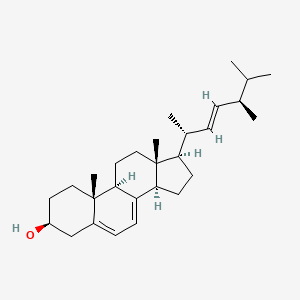
| The Content Variation of Natural Product Induced by Different Factor(s) | |||||||||||||||||||||||||||||||||||||||||||||||||||||||||||||||||||||||||||||||||||||||||
|---|---|---|---|---|---|---|---|---|---|---|---|---|---|---|---|---|---|---|---|---|---|---|---|---|---|---|---|---|---|---|---|---|---|---|---|---|---|---|---|---|---|---|---|---|---|---|---|---|---|---|---|---|---|---|---|---|---|---|---|---|---|---|---|---|---|---|---|---|---|---|---|---|---|---|---|---|---|---|---|---|---|---|---|---|---|---|---|---|---|
| Species Name: Aspergillus austroafricanus | |||||||||||||||||||||||||||||||||||||||||||||||||||||||||||||||||||||||||||||||||||||||||
| Factor Name: Rice medium | [1] | ||||||||||||||||||||||||||||||||||||||||||||||||||||||||||||||||||||||||||||||||||||||||
| Experiment Detail |
The endophytic fungus A. austroafricanus strain was isolated under aseptic conditions from fresh, healthy leaves of E. crassipes. The fresh plant was gathered at the end of 2014 close to the shore of the Nile branch in Mansoura, Egypt. Cocultivation Experiment of A. austroafricanus with B. subtilis 168 trpC2: Fermentation of the fungus with the bacteria in coculture was conducted in an Erlenmeyer flask (1 L) on solid rice medium. Fifteen Erlenmeyer flasks (5 flasks for axenic A. austroafricanus, 5 for cocultures of A. austroafricanus and B. subtilis, and 5 for axenic B. subtilis) containing 60.0 mL of distilled water and 50.0 g of commercially available milk rice (Milch-Reis, ORYZA) each were autoclaved before inoculating the fungus and the bacterium. An overnight culture of B. subtilis grown in lysogeny broth (LB) was used to inoculate prewarmed LB medium (1:20), which was then incubated at 37 ℃ with shaking at 200 rpm to mid exponential growth phase (optical density at 600 nm of 0.2-0.4). To the rice medium was added 10 mL of the bacterial culture followed by incubation for 4 days at 37 ℃. After 4 days five pieces (1 cm × 1 cm) of A. austroafricanus growing on malt agar were added to the flasks that had been preincubated with B. subtilis. Fungal and bacterial controls were grown axenically on solid rice medium. Cocultures and axenic cultures of A. austroafricanus and B. subtilis were kept at 23 ℃ under static conditions until they reached their stationary phase of growth (2 weeks for controls of A. austroafricanus and bacteria; 4 weeks for cocultures). Cocultivation Experiment of A. austroafricanus with S. lividans TK24: Fifteen Erlenmeyer flasks (5 flasks for axenic A. austroafricanus, 5 for coculture of A. austroafricanus and S. lividans, and 5 for axenic S. lividans) containing 60.0 mL of yeast malt (YM) medium and 50.0 g of commercially available milk rice (Milch-Reis, ORYZA) each were autoclaved before inoculating the fungus and the bacterium. An overnight culture of S. lividans was used to inoculate prewarmed YM medium (1:20), which was then incubated at 30 ℃ with shaking at 200 rpm to mid exponential growth phase. This preculture was then incubated in fresh YM medium overnight to reach mid exponential growth phase. After that, to the rice medium was added a 10 mL volume of the bacterial culture, followed by incubation for 6 days at 30 ℃; then, the same steps as previously described under B. subtilis 168 trpC2 were taken. The fungal strain was cultivated axenically on solid rice medium, prepared by autoclaving 100 g of rice and 100 mL of water in a 1 L Erlenmeyer flask. Fermentation was carried out in five Erlenmeyer flasks for 21 days at 25 ℃ under static conditions. After 21 days' fermentation, the fungal culture in each flask was exhaustively extracted with ethyl acetate overnight (3 × 500 mL) followed by filtration and solvent evaporation under reduced pressure.
Click to Show/Hide
|
||||||||||||||||||||||||||||||||||||||||||||||||||||||||||||||||||||||||||||||||||||||||
| Factor | Part | Location | NP Content | ||||||||||||||||||||||||||||||||||||||||||||||||||||||||||||||||||||||||||||||||||||||
|
Solid rice medium (25℃ + 21 days)
|
Leaves | Mansoura, Egypt |
NP Content: 5.4 mg
|
||||||||||||||||||||||||||||||||||||||||||||||||||||||||||||||||||||||||||||||||||||||
| Species Name: Aspergillus flocculosus strain CBS 112784 | |||||||||||||||||||||||||||||||||||||||||||||||||||||||||||||||||||||||||||||||||||||||||
| Factor Name: Rice medium | [2] | ||||||||||||||||||||||||||||||||||||||||||||||||||||||||||||||||||||||||||||||||||||||||
| Experiment Detail |
Fungal material: The endophytic fungus was isolated from the fresh stems of Markhamia platycalyx family (Bignoniaceae) collected in October 2010 from Al-Zohriya gardens (Al-Zamalek, Giza, Egypt). Small-scale fermentation: A small-scale fermentation was carried out in two Erlenmeyer flasks (1 L each) on rice medium, which was prepared with 100 g of rice powder and approximately 100 mL of demineralized water just enough to cover the rice layer. The rice media was autoclaved prior to fungal inoculation. A 15-day fungal inoculum grown on petri dish was inoculated on the sterile rice medium and was allowed to grow at room temperature under static condition for 30 days. Medium-scale 30-day rice culture fermentation: A medium scale fermentation was performed in 10 Erlenmeyer flasks (1 L each) on rice solid medium for 30 days under same condition applied to small scale culture.
Click to Show/Hide
|
||||||||||||||||||||||||||||||||||||||||||||||||||||||||||||||||||||||||||||||||||||||||
| Factor | Part | Location | NP Content | ||||||||||||||||||||||||||||||||||||||||||||||||||||||||||||||||||||||||||||||||||||||
|
Medium-scale fermentation: Rice medium (25℃ + 30 days)
|
Fresh stems | Al-Zamalek, Giza, Egypt |
NP Content: 8 mg
|
||||||||||||||||||||||||||||||||||||||||||||||||||||||||||||||||||||||||||||||||||||||
| Species Name: Curvularia sp. T12 | |||||||||||||||||||||||||||||||||||||||||||||||||||||||||||||||||||||||||||||||||||||||||
| Factor Name: Rice medium | [3] | ||||||||||||||||||||||||||||||||||||||||||||||||||||||||||||||||||||||||||||||||||||||||
| Experiment Detail |
The fungal strain T12 was isolated from the stem bark of Rauwolfia macrophylla (Apocynaceae) collected from Mount Kalla in Cameroon. Inocula of the endophytic fungus Curvularia sp. T12 were introduced to five 1L-flasks, each containing sterilized solid-rice medium (100 g rice, 100 mL distilled water, followed by sterilization in an autoclave). The flasks were incubated at room temperature (25 ℃ ) for 21 days.
Click to Show/Hide
|
||||||||||||||||||||||||||||||||||||||||||||||||||||||||||||||||||||||||||||||||||||||||
| Factor | Part | Location | NP Content | ||||||||||||||||||||||||||||||||||||||||||||||||||||||||||||||||||||||||||||||||||||||
|
Solid rice medium (25℃ + 21 days)
|
Stem bark | Mount Kalla, Cameroon |
NP Content: 10 mg
|
||||||||||||||||||||||||||||||||||||||||||||||||||||||||||||||||||||||||||||||||||||||
| Species Name: Fusarium solani strain DI16 | |||||||||||||||||||||||||||||||||||||||||||||||||||||||||||||||||||||||||||||||||||||||||
| Factor Name: PDA medium | [4] | ||||||||||||||||||||||||||||||||||||||||||||||||||||||||||||||||||||||||||||||||||||||||
| Experiment Detail |
Isolation of fungal material: The fungus Fusarium solani was isolated from fresh healthy roots of Cassia alata Linn. The plant samples were collected from conservation forest of Gazipur, Bangladesh in August, 2013. Fusarium solani species (internal strain no. CARE-1), which had been isolated following surface sterilization from the root of the plant C. alata were cultivated at 28 ℃ for 28 days on potato dextrose agar medium.
Click to Show/Hide
|
||||||||||||||||||||||||||||||||||||||||||||||||||||||||||||||||||||||||||||||||||||||||
| Factor | Part | Location | NP Content | ||||||||||||||||||||||||||||||||||||||||||||||||||||||||||||||||||||||||||||||||||||||
|
PDA medium (28℃ + 28 days)
|
Fresh healthy roots | Gazipur, Bangladesh |
NP Content: 39.7 mg
|
||||||||||||||||||||||||||||||||||||||||||||||||||||||||||||||||||||||||||||||||||||||
