
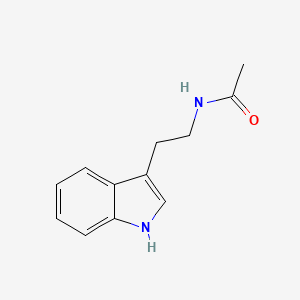
| The Content Variation of Natural Product Induced by Different Factor(s) | |||||||||||||||||||||||||||||||||||||||||||||||||||||||||||||||||||||||||||||||||||||||||
|---|---|---|---|---|---|---|---|---|---|---|---|---|---|---|---|---|---|---|---|---|---|---|---|---|---|---|---|---|---|---|---|---|---|---|---|---|---|---|---|---|---|---|---|---|---|---|---|---|---|---|---|---|---|---|---|---|---|---|---|---|---|---|---|---|---|---|---|---|---|---|---|---|---|---|---|---|---|---|---|---|---|---|---|---|---|---|---|---|---|
| Species Name: Fusarium solani isolate JK10 | |||||||||||||||||||||||||||||||||||||||||||||||||||||||||||||||||||||||||||||||||||||||||
| Factor Name: Rice medium | [1] | ||||||||||||||||||||||||||||||||||||||||||||||||||||||||||||||||||||||||||||||||||||||||
| Experiment Detail |
Fungal material: The endophytic fungus, Fusarium solani JK10, was isolated from the roots of Chlorophora regia (Moraceae) collected from Asakraka forest (6° 37′ 48,39″ N 0° 41′ 6,87″ W) in the Eastern Region of Ghana. Prior to isolation of endophytes the plant material was surface sterilized. The cladodes and flowers were washed thoroughly with water for 10 and 3 minutes respectively, immersed in 70 % ethanol for 1-2 minute, 5.25 % Sodium hypochlorite for 2-5 minutes and again 70 % ethanol for 30-60 seconds. To finish, the surface sterilized plant parts were washed with sterilized distilled water and allowed to dry inside a laminar flow cabinet. Small pieces of tissue were cut from the surface sterilized plant material and placed on dishes with starch yeast peptone agar (SYP)media. The endophytic fungi that immerged from the tissues were transferred on to new PDA dishes and sequential sub culturing was done until pure cultures were obtained. Each pure fungal culture was grown on five freshly prepared PDA dishes and after 14-21 days depending on the growth of the fungus, the mycelium plus the medium was cut into small pieces and extracted with 200 mL of ethyl acetate for 24 hours. The ethyl acetate was filtered and the filtrate evaporated under reduced pressure. The resulting residues were screened for antimicrobial activity against Gram positive Bacillus subtilis (UBC 344), Staphylococcus aureus (ATCC 43300), Methicillin Resistant Staphylococcus aureus (MRSA, ATCC 33591), Gram negative Escherichia coli (UBC 8161), Pseudomonas aeruginosa (ATCC 27853) and the pathogenic fungus Candida albicans (ATCC 90028) at 200 mcg per disc using the agar disc diffusion method. Large scale culturing: For large-scale fermentation, the fungal strain was first cultured on PDA at room temperature (RT) for 7 days. The agar plugs from the cultivated plate was cut into small pieces aseptically, inoculated on solid rice media in 20 flasks (1000 mL) each containing 80 g of rice, 120 mL of water and 0.3% peptone. The inoculated rice media were then incubated at RT for 60 days.
Click to Show/Hide
|
||||||||||||||||||||||||||||||||||||||||||||||||||||||||||||||||||||||||||||||||||||||||
| Factor | Part | Location | NP Content | ||||||||||||||||||||||||||||||||||||||||||||||||||||||||||||||||||||||||||||||||||||||
|
Solid rice medium (25℃ + 60 days)
|
Roots | Ghana |
NP Content: 5 mg
|
||||||||||||||||||||||||||||||||||||||||||||||||||||||||||||||||||||||||||||||||||||||
| References | ||||||||||||||||||||||||
|---|---|---|---|---|---|---|---|---|---|---|---|---|---|---|---|---|---|---|---|---|---|---|---|---|
| 1 | Antibacterial secondary metabolites from an endophytic fungus, Fusarium solani JK10 | |||||||||||||||||||||||