
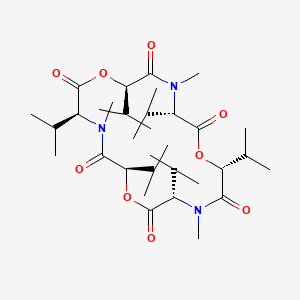
| The Content Variation of Natural Product Induced by Different Factor(s) | |||||||||||||||||||||||||||||||||||||||||||||||||||||||||||||||||||||||||||||||||||||||||
|---|---|---|---|---|---|---|---|---|---|---|---|---|---|---|---|---|---|---|---|---|---|---|---|---|---|---|---|---|---|---|---|---|---|---|---|---|---|---|---|---|---|---|---|---|---|---|---|---|---|---|---|---|---|---|---|---|---|---|---|---|---|---|---|---|---|---|---|---|---|---|---|---|---|---|---|---|---|---|---|---|---|---|---|---|---|---|---|---|---|
| Species Name: Bacillus subtilis 168 trpC2; Fusarium tricinctum | |||||||||||||||||||||||||||||||||||||||||||||||||||||||||||||||||||||||||||||||||||||||||
| Factor Name: Rice medium; Cocultivation | [1] | ||||||||||||||||||||||||||||||||||||||||||||||||||||||||||||||||||||||||||||||||||||||||
| Experiment Detail |
The endophytic fungus was isolated from fresh, healthy rhizomes of Aristolochia paucinervis collected in January 2006 from the mountains of Beni-Mellal, Morocco. Cocultivation Experiment of F. tricinctum with B. subtilis 168 trpC2: Growth of fungus and bacteria in coculture for isolation and identification of metabolites was carried out in Erlenmeyer flasks (1 L). The fungal and bacterial strains were cultivated on solid rice media. Twenty-four Erlenmeyer flasks (eight flasks for F. tricinctum alone, eight for coculture of F. tricinctum and B. subtilis, and eight for B. subtilis alone) containing 60 mL of distilled water and 50 g of commercially available milk rice (Milch-Reis, ORYZA) each were autoclaved before inoculating the fungus and the bacterium. B. subtilis was grown in lysogeny broth (LB). An overnight culture of B. subtilis was used to inoculate prewarmed LB medium (1:20), which was then incubated at 37 ℃ with shaking at 200 rpm to mid exponential growth phase (optical density at 600 nm (OD600) of 0.2-0.4). A 10 mL amount of the bacterial culture was added to the rice medium, which was further incubated for 6 days at 37 ℃ After this preincubation, F. tricinctum grown on malt agar (5 pieces, 1 cm × 1 cm) was added to the rice medium containing bacteria (after 6 days incubation) under sterile conditions. Fungal and bacterial controls were grown axenically on rice medium. Coculture and axenic cultures of F. tricinctum or B. subtilis were kept under static conditions at 23 ℃ until they reached their stationary phase of growth (2 weeks for controls of F. tricinctum and 3 weeks for cocultures).
Click to Show/Hide
|
||||||||||||||||||||||||||||||||||||||||||||||||||||||||||||||||||||||||||||||||||||||||
| Mechanism |
Hence, the production of (-)-citreoisocoumarin induced by coculture of F. tricinctum and B. subtilis might be a result of the competition for nutrients between fungus and bacterium.
Click to Show/Hide
|
||||||||||||||||||||||||||||||||||||||||||||||||||||||||||||||||||||||||||||||||||||||||
| Factor | Part | Location | NP Content | ||||||||||||||||||||||||||||||||||||||||||||||||||||||||||||||||||||||||||||||||||||||
|
[Fusarium tricinctum and Bacillus subtilis 168 trpC2 cocultivation]: Solid rice medium (37℃ + 21 days)
|
Fresh healthy rhizomes | Morocco |
NP Content: 79.58 ± 21.85 mg
|
||||||||||||||||||||||||||||||||||||||||||||||||||||||||||||||||||||||||||||||||||||||
| Species Name: Fusarium tricinctum | |||||||||||||||||||||||||||||||||||||||||||||||||||||||||||||||||||||||||||||||||||||||||
| Factor Name: Rice medium | [1] | ||||||||||||||||||||||||||||||||||||||||||||||||||||||||||||||||||||||||||||||||||||||||
| Experiment Detail |
The endophytic fungus was isolated from fresh, healthy rhizomes of Aristolochia paucinervis collected in January 2006 from the mountains of Beni-Mellal, Morocco. Cocultivation Experiment of F. tricinctum with B. subtilis 168 trpC2: Growth of fungus and bacteria in coculture for isolation and identification of metabolites was carried out in Erlenmeyer flasks (1 L). The fungal and bacterial strains were cultivated on solid rice media. Twenty-four Erlenmeyer flasks (eight flasks for F. tricinctum alone, eight for coculture of F. tricinctum and B. subtilis, and eight for B. subtilis alone) containing 60 mL of distilled water and 50 g of commercially available milk rice (Milch-Reis, ORYZA) each were autoclaved before inoculating the fungus and the bacterium. B. subtilis was grown in lysogeny broth (LB). An overnight culture of B. subtilis was used to inoculate prewarmed LB medium (1:20), which was then incubated at 37 ℃ with shaking at 200 rpm to mid exponential growth phase (optical density at 600 nm (OD600) of 0.2-0.4). A 10 mL amount of the bacterial culture was added to the rice medium, which was further incubated for 6 days at 37 ℃ After this preincubation, F. tricinctum grown on malt agar (5 pieces, 1 cm × 1 cm) was added to the rice medium containing bacteria (after 6 days incubation) under sterile conditions. Fungal and bacterial controls were grown axenically on rice medium. Coculture and axenic cultures of F. tricinctum or B. subtilis were kept under static conditions at 23 ℃ until they reached their stationary phase of growth (2 weeks for controls of F. tricinctum and 3 weeks for cocultures).
Click to Show/Hide
|
||||||||||||||||||||||||||||||||||||||||||||||||||||||||||||||||||||||||||||||||||||||||
| Mechanism |
Hence, the production of (-)-citreoisocoumarin induced by coculture of F. tricinctum and B. subtilis might be a result of the competition for nutrients between fungus and bacterium.
Click to Show/Hide
|
||||||||||||||||||||||||||||||||||||||||||||||||||||||||||||||||||||||||||||||||||||||||
| Factor | Part | Location | NP Content | ||||||||||||||||||||||||||||||||||||||||||||||||||||||||||||||||||||||||||||||||||||||
|
Solid rice media (23℃ + 14 days)
|
Fresh healthy rhizomes | Morocco |
NP Content: 8.78 ± 1.54 mg
|
||||||||||||||||||||||||||||||||||||||||||||||||||||||||||||||||||||||||||||||||||||||
| References | ||||||||||||||||||||||||
|---|---|---|---|---|---|---|---|---|---|---|---|---|---|---|---|---|---|---|---|---|---|---|---|---|
| 1 | Inducing secondary metabolite production by the endophytic fungus Fusarium tricinctum through coculture with Bacillus subtilis | |||||||||||||||||||||||