
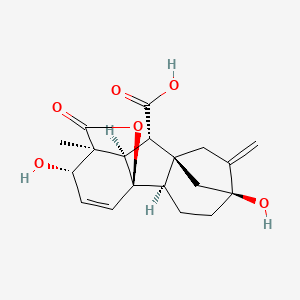
| The Content Variation of Natural Product Induced by Different Factor(s) | |||||||||||||||||||||||||||||||||||||||||||||||||||||||||||||||||||||||||||||||||||||||||
|---|---|---|---|---|---|---|---|---|---|---|---|---|---|---|---|---|---|---|---|---|---|---|---|---|---|---|---|---|---|---|---|---|---|---|---|---|---|---|---|---|---|---|---|---|---|---|---|---|---|---|---|---|---|---|---|---|---|---|---|---|---|---|---|---|---|---|---|---|---|---|---|---|---|---|---|---|---|---|---|---|---|---|---|---|---|---|---|---|---|
| Species Name: Streptomyces collinus strain SP8 | |||||||||||||||||||||||||||||||||||||||||||||||||||||||||||||||||||||||||||||||||||||||||
| Factor Name: Raulin-Thom medium | [1] | ||||||||||||||||||||||||||||||||||||||||||||||||||||||||||||||||||||||||||||||||||||||||
| Experiment Detail |
Healthy medicinal plants were collected from CSIR-National Botanical Research Institute (Banthara) (26° 55′ N, 80° 59′ E), Lucknow, India during June, 2013. Catechol type and hydroxamate siderophores were estimated by Arnow's method (Arnow 1937) and Csaky test (Csaky 1948) respectively. The amount of IAA produced by Actinomycetes isolates was determined using GYM broth supplemented with different concentration of l-tryptophan (Basal, 0, 2 and 5 mg/ml) and incubated at 30 ℃ with shaking at 125 rev/min for 7 days (Gordon and Weber 1951). Appearance of a pink colour indicated IAA production. The level of IAA produced was estimated by comparison with an IAA standard. Gibberellic acid (GA3) production was determined according to Borrow et al. (1955)(In submerged aerated culture on Raulin-Thom medium (4% sucrose) in 18 days at 25 ℃.).
Click to Show/Hide
|
||||||||||||||||||||||||||||||||||||||||||||||||||||||||||||||||||||||||||||||||||||||||
| Factor | Part | Location | NP Content | ||||||||||||||||||||||||||||||||||||||||||||||||||||||||||||||||||||||||||||||||||||||
|
Raulin-Thom medium (25℃ + 18 days)
|
Roots | Lucknow, India |
NP Content: 6.14 ± 0.45 µg/ml
|
||||||||||||||||||||||||||||||||||||||||||||||||||||||||||||||||||||||||||||||||||||||
| Species Name: Streptomyces diastaticus strain SP2 | |||||||||||||||||||||||||||||||||||||||||||||||||||||||||||||||||||||||||||||||||||||||||
| Factor Name: Raulin-Thom medium | [1] | ||||||||||||||||||||||||||||||||||||||||||||||||||||||||||||||||||||||||||||||||||||||||
| Experiment Detail |
Healthy medicinal plants were collected from CSIR-National Botanical Research Institute (Banthara) (26° 55′ N, 80° 59′ E), Lucknow, India during June, 2013. Catechol type and hydroxamate siderophores were estimated by Arnow's method (Arnow 1937) and Csaky test (Csaky 1948) respectively. The amount of IAA produced by Actinomycetes isolates was determined using GYM broth supplemented with different concentration of l-tryptophan (Basal, 0, 2 and 5 mg/ml) and incubated at 30 ℃ with shaking at 125 rev/min for 7 days (Gordon and Weber 1951). Appearance of a pink colour indicated IAA production. The level of IAA produced was estimated by comparison with an IAA standard. Gibberellic acid (GA3) production was determined according to Borrow et al. (1955)(In submerged aerated culture on Raulin-Thom medium (4% sucrose) in 18 days at 25 ℃.).
Click to Show/Hide
|
||||||||||||||||||||||||||||||||||||||||||||||||||||||||||||||||||||||||||||||||||||||||
| Factor | Part | Location | NP Content | ||||||||||||||||||||||||||||||||||||||||||||||||||||||||||||||||||||||||||||||||||||||
|
Raulin-Thom medium (25℃ + 18 days)
|
Roots | Lucknow, India |
NP Content: 7.02 ± 0.24 µg/ml
|
||||||||||||||||||||||||||||||||||||||||||||||||||||||||||||||||||||||||||||||||||||||
| Species Name: Streptomyces fradiae strain SP4 | |||||||||||||||||||||||||||||||||||||||||||||||||||||||||||||||||||||||||||||||||||||||||
| Factor Name: Raulin-Thom medium | [1] | ||||||||||||||||||||||||||||||||||||||||||||||||||||||||||||||||||||||||||||||||||||||||
| Experiment Detail |
Healthy medicinal plants were collected from CSIR-National Botanical Research Institute (Banthara) (26° 55′ N, 80° 59′ E), Lucknow, India during June, 2013. Catechol type and hydroxamate siderophores were estimated by Arnow's method (Arnow 1937) and Csaky test (Csaky 1948) respectively. The amount of IAA produced by Actinomycetes isolates was determined using GYM broth supplemented with different concentration of l-tryptophan (Basal, 0, 2 and 5 mg/ml) and incubated at 30 ℃ with shaking at 125 rev/min for 7 days (Gordon and Weber 1951). Appearance of a pink colour indicated IAA production. The level of IAA produced was estimated by comparison with an IAA standard. Gibberellic acid (GA3) production was determined according to Borrow et al. (1955)(In submerged aerated culture on Raulin-Thom medium (4% sucrose) in 18 days at 25 ℃.).
Click to Show/Hide
|
||||||||||||||||||||||||||||||||||||||||||||||||||||||||||||||||||||||||||||||||||||||||
| Factor | Part | Location | NP Content | ||||||||||||||||||||||||||||||||||||||||||||||||||||||||||||||||||||||||||||||||||||||
|
Raulin-Thom medium (25℃ + 18 days)
|
Roots | Lucknow, India |
NP Content: 5.74 ± 0.72 µg/ml
|
||||||||||||||||||||||||||||||||||||||||||||||||||||||||||||||||||||||||||||||||||||||
| Species Name: Streptomyces griseus strain SP12 | |||||||||||||||||||||||||||||||||||||||||||||||||||||||||||||||||||||||||||||||||||||||||
| Factor Name: Raulin-Thom medium | [1] | ||||||||||||||||||||||||||||||||||||||||||||||||||||||||||||||||||||||||||||||||||||||||
| Experiment Detail |
Healthy medicinal plants were collected from CSIR-National Botanical Research Institute (Banthara) (26° 55′ N, 80° 59′ E), Lucknow, India during June, 2013. Catechol type and hydroxamate siderophores were estimated by Arnow's method (Arnow 1937) and Csaky test (Csaky 1948) respectively. The amount of IAA produced by Actinomycetes isolates was determined using GYM broth supplemented with different concentration of l-tryptophan (Basal, 0, 2 and 5 mg/ml) and incubated at 30 ℃ with shaking at 125 rev/min for 7 days (Gordon and Weber 1951). Appearance of a pink colour indicated IAA production. The level of IAA produced was estimated by comparison with an IAA standard. Gibberellic acid (GA3) production was determined according to Borrow et al. (1955)(In submerged aerated culture on Raulin-Thom medium (4% sucrose) in 18 days at 25 ℃.).
Click to Show/Hide
|
||||||||||||||||||||||||||||||||||||||||||||||||||||||||||||||||||||||||||||||||||||||||
| Factor | Part | Location | NP Content | ||||||||||||||||||||||||||||||||||||||||||||||||||||||||||||||||||||||||||||||||||||||
|
Raulin-Thom medium (25℃ + 18 days)
|
Roots | Lucknow, India |
NP Content: 8.13 ± 0.61 µg/ml
|
||||||||||||||||||||||||||||||||||||||||||||||||||||||||||||||||||||||||||||||||||||||
| Species Name: Streptomyces olivochromogenes strain SP5 | |||||||||||||||||||||||||||||||||||||||||||||||||||||||||||||||||||||||||||||||||||||||||
| Factor Name: Raulin-Thom medium | [1] | ||||||||||||||||||||||||||||||||||||||||||||||||||||||||||||||||||||||||||||||||||||||||
| Experiment Detail |
Healthy medicinal plants were collected from CSIR-National Botanical Research Institute (Banthara) (26° 55′ N, 80° 59′ E), Lucknow, India during June, 2013. Catechol type and hydroxamate siderophores were estimated by Arnow's method (Arnow 1937) and Csaky test (Csaky 1948) respectively. The amount of IAA produced by Actinomycetes isolates was determined using GYM broth supplemented with different concentration of l-tryptophan (Basal, 0, 2 and 5 mg/ml) and incubated at 30 ℃ with shaking at 125 rev/min for 7 days (Gordon and Weber 1951). Appearance of a pink colour indicated IAA production. The level of IAA produced was estimated by comparison with an IAA standard. Gibberellic acid (GA3) production was determined according to Borrow et al. (1955)(In submerged aerated culture on Raulin-Thom medium (4% sucrose) in 18 days at 25 ℃.).
Click to Show/Hide
|
||||||||||||||||||||||||||||||||||||||||||||||||||||||||||||||||||||||||||||||||||||||||
| Factor | Part | Location | NP Content | ||||||||||||||||||||||||||||||||||||||||||||||||||||||||||||||||||||||||||||||||||||||
|
Raulin-Thom medium (25℃ + 18 days)
|
Roots | Lucknow, India |
NP Content: 6.01 ± 0.13 µg/ml
|
||||||||||||||||||||||||||||||||||||||||||||||||||||||||||||||||||||||||||||||||||||||
| Species Name: Streptomyces ossamyceticus strain SP10 | |||||||||||||||||||||||||||||||||||||||||||||||||||||||||||||||||||||||||||||||||||||||||
| Factor Name: Raulin-Thom medium | [1] | ||||||||||||||||||||||||||||||||||||||||||||||||||||||||||||||||||||||||||||||||||||||||
| Experiment Detail |
Healthy medicinal plants were collected from CSIR-National Botanical Research Institute (Banthara) (26° 55′ N, 80° 59′ E), Lucknow, India during June, 2013. Catechol type and hydroxamate siderophores were estimated by Arnow's method (Arnow 1937) and Csaky test (Csaky 1948) respectively. The amount of IAA produced by Actinomycetes isolates was determined using GYM broth supplemented with different concentration of l-tryptophan (Basal, 0, 2 and 5 mg/ml) and incubated at 30 ℃ with shaking at 125 rev/min for 7 days (Gordon and Weber 1951). Appearance of a pink colour indicated IAA production. The level of IAA produced was estimated by comparison with an IAA standard. Gibberellic acid (GA3) production was determined according to Borrow et al. (1955)(In submerged aerated culture on Raulin-Thom medium (4% sucrose) in 18 days at 25 ℃.).
Click to Show/Hide
|
||||||||||||||||||||||||||||||||||||||||||||||||||||||||||||||||||||||||||||||||||||||||
| Factor | Part | Location | NP Content | ||||||||||||||||||||||||||||||||||||||||||||||||||||||||||||||||||||||||||||||||||||||
|
Raulin-Thom medium (25℃ + 18 days)
|
Roots | Lucknow, India |
NP Content: 4.66 ± 0.24 µg/ml
|
||||||||||||||||||||||||||||||||||||||||||||||||||||||||||||||||||||||||||||||||||||||
| References | ||||||||||||||||||||||||
|---|---|---|---|---|---|---|---|---|---|---|---|---|---|---|---|---|---|---|---|---|---|---|---|---|
| 1 | Evaluation of antagonistic and plant growth promoting activities of chitinolytic endophytic actinomycetes associated with medicinal plants against Sclerotium rolfsii in chickpea | |||||||||||||||||||||||