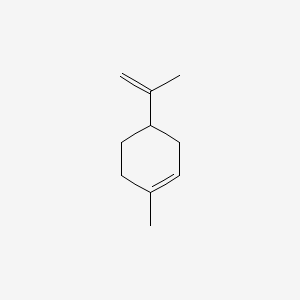
| The Content Variation of Natural Product Induced by Different Factor(s) | |||||||||||||||||||||||||||||||||||||||||||||||||||||||||||||||||||||||||||||||||||||||||
|---|---|---|---|---|---|---|---|---|---|---|---|---|---|---|---|---|---|---|---|---|---|---|---|---|---|---|---|---|---|---|---|---|---|---|---|---|---|---|---|---|---|---|---|---|---|---|---|---|---|---|---|---|---|---|---|---|---|---|---|---|---|---|---|---|---|---|---|---|---|---|---|---|---|---|---|---|---|---|---|---|---|---|---|---|---|---|---|---|---|
| Species Name: Origanum majorana | |||||||||||||||||||||||||||||||||||||||||||||||||||||||||||||||||||||||||||||||||||||||||
| Factor Name: Chemotype Comparison | [1] | ||||||||||||||||||||||||||||||||||||||||||||||||||||||||||||||||||||||||||||||||||||||||
| Experiment Detail |
Seeds of Origanum majorana L. were collected from a wild population near the village of Vouni, Limassol district, Cyprus, in April 2000 (remaining seeds from 1999). The seeds were germinated and cultivated in the greenhouse under conditions of 24 ℃ day and 15 ℃ night temperature. Artificial light was supplied to complement daylight to a constant 14 h day length with 'full sunshine' (optimized assimilation programme). Plants of cultivated marjoram (Origanum majorana cv. 'Erfo', N.L.Chrestensen, Erfurt, Germany) were grown in parallel for comparison. The plants from the wild population were sampled at the stage of flower bud development in October, 2000. The plants of cv. 'Erfo' were not sampled and were not analyzed since they started to flower much earlier and, hence, could not be directly compared to the wild population.
Click to Show/Hide
|
||||||||||||||||||||||||||||||||||||||||||||||||||||||||||||||||||||||||||||||||||||||||
| Factor Function |
Three chemotypes were detected in the population. Besides the standard 'marjoramy' composition ('sabinyl chemotype') with 74% of oil compounds belonging to the bicyclic compounds sabinene, trans- and cis-sabinene hydrate and cis-sabinene hydrate acetate ('sabinyl compounds'), two further chemotypes were present in the population, namely a pure alpha-terpineol chemotype (73% alpha-terpineol) and a mixed sabinyl/alpha-terpineol chemotype (41% sabinyl compounds, 40% alpha-terpineol). The chemotype frequencies found in this population were 56% of the plants belonging to the sabinyl chemotype, 4% to the pure alpha-terpineol chemotype and 40% to the mixed sabinyl/alpha-terpineol chemotype.
Click to Show/Hide
|
||||||||||||||||||||||||||||||||||||||||||||||||||||||||||||||||||||||||||||||||||||||||
| Factor | Part | Location | NP Content | ||||||||||||||||||||||||||||||||||||||||||||||||||||||||||||||||||||||||||||||||||||||
|
Chemotype (sabinyl type)
|
Whole plant | Cyprus |
NP Content: 3.3 %
|
||||||||||||||||||||||||||||||||||||||||||||||||||||||||||||||||||||||||||||||||||||||
|
Chemotype (alpha-terpineol type)
|
Whole plant | Cyprus |
NP Content: 1.3 %
|
||||||||||||||||||||||||||||||||||||||||||||||||||||||||||||||||||||||||||||||||||||||
|
Chemotype (mixed sabinyl/alpha-terpineol type)
|
Whole plant | Cyprus |
NP Content: 2.3 %
|
||||||||||||||||||||||||||||||||||||||||||||||||||||||||||||||||||||||||||||||||||||||
| Species Name: Solidago virgaurea | |||||||||||||||||||||||||||||||||||||||||||||||||||||||||||||||||||||||||||||||||||||||||
| Factor Name: Altitude Variation | [2] | ||||||||||||||||||||||||||||||||||||||||||||||||||||||||||||||||||||||||||||||||||||||||
| Experiment Detail |
Aerial parts of Solidago virgaurea plants were randomly collected from the wild at two different altitudes, as described below, during the 2000 vegetation period. All the collections of the plant samples were carried out during massive bud formation and the beginning of flowering stage. Sample # 1, LTS00-46; 10 kg of the sample was collected on July 31, 2000 at LAT: 51° 07′ LON: 81° 10′ HEI 290 m from Altai land, Lokteev district, near the village of NovoMikhaylovskoe, on the left bank of the Aley River, outskirts of pine forest, fire area, sandy soils. Sample # 2, LTS00-57; 5.6 kg of the sample was collected on August 3, 2000 at LAT 51° 14′ LON 82° 28′ HEI 650 m from Altai land, Kur'in district, around the Kolyvanm quarries, with diverse turf grasses, along the river bank of Aley.
Click to Show/Hide
|
||||||||||||||||||||||||||||||||||||||||||||||||||||||||||||||||||||||||||||||||||||||||
| Factor Function |
The main components from 290 m were alpha-pinene (36.5%), myrcene (14.8%), beta-caryophyllene (10.5%), germacrene D (8.2%), beta-pinene (7.1%) and limonene+beta-phellandrene (6.4%). The oil from the sample collected at 650 m had benzyl benzoate (57.0%), beta-caryophyllene (6.3%), germacrene D (6.0%), alpha-pinene (4.4%) and alpha-humulene (4.0%) as major components, suggesting polymorphism or the existence of different chemoytpes.
Click to Show/Hide
|
||||||||||||||||||||||||||||||||||||||||||||||||||||||||||||||||||||||||||||||||||||||||
| Factor | Part | Location | NP Content | ||||||||||||||||||||||||||||||||||||||||||||||||||||||||||||||||||||||||||||||||||||||
|
Locality: Lokteev district, Russia; Altitude 290 m
|
Flowers | Russia |
NP Content: 6.4 %
|
||||||||||||||||||||||||||||||||||||||||||||||||||||||||||||||||||||||||||||||||||||||
|
Locality: Kur'in district, Russia; Altitude 650 m
|
Flowers | Russia |
NP Content: 1.8 %
|
||||||||||||||||||||||||||||||||||||||||||||||||||||||||||||||||||||||||||||||||||||||
