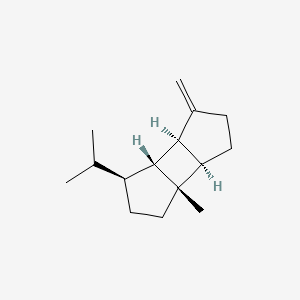
| The Content Variation of Natural Product Induced by Different Factor(s) | |||||||||||||||||||||||||||||||||||||||||||||||||||||||||||||||||||||||||||||||||||||||||
|---|---|---|---|---|---|---|---|---|---|---|---|---|---|---|---|---|---|---|---|---|---|---|---|---|---|---|---|---|---|---|---|---|---|---|---|---|---|---|---|---|---|---|---|---|---|---|---|---|---|---|---|---|---|---|---|---|---|---|---|---|---|---|---|---|---|---|---|---|---|---|---|---|---|---|---|---|---|---|---|---|---|---|---|---|---|---|---|---|---|
| Species Name: Artemisia absinthium | |||||||||||||||||||||||||||||||||||||||||||||||||||||||||||||||||||||||||||||||||||||||||
| Factor Name: Chemotype Comparison | [1] | ||||||||||||||||||||||||||||||||||||||||||||||||||||||||||||||||||||||||||||||||||||||||
| Experiment Detail |
Ten different plants of wormwood were collected in March 1997 from each one of the following four wild populations in the Spanish Pyrenees: Tallo de Aulet (prov. Huesca) and Pont de Suert, Sort and Farga de Moles (prov. Lleida). In three of the four populations studied, there was another chemotype, with 25-65% of cis-epoxyocimene and 15-50% of chrysanthenyl acetate. This chemotype, called chemotype B, was less frequent in the Pyrenees than the chemotype A, appearing only in 17% of the samples (two samples in TallO de Aulet and in Pont de Suert and three samples in Farga de Moles).
Click to Show/Hide
|
||||||||||||||||||||||||||||||||||||||||||||||||||||||||||||||||||||||||||||||||||||||||
| Factor Function |
Two chemotypes were detected; a cis-epoxyocimene type (with more than 50% of this compound) which was predominant in all the populations, and a cis-epoxyocimene + chrysanthenyl acetate type (with 25-65% of cis-epoxyocimene and 15-50% of chrysanthenyl acetate). The distribution of these chemotypes had no relation with the altitude of the samples.
Click to Show/Hide
|
||||||||||||||||||||||||||||||||||||||||||||||||||||||||||||||||||||||||||||||||||||||||
| Factor | Part | Location | NP Content | ||||||||||||||||||||||||||||||||||||||||||||||||||||||||||||||||||||||||||||||||||||||
|
Chemotype (cis-epoxyocimene type)
|
Leaves | Spain |
NP Content: 0.16 %
|
||||||||||||||||||||||||||||||||||||||||||||||||||||||||||||||||||||||||||||||||||||||
|
Chemotype (cis-epoxyocimene + chrysanthenyl acetate type)
|
Leaves | Spain |
NP Content: 0.07 %
|
||||||||||||||||||||||||||||||||||||||||||||||||||||||||||||||||||||||||||||||||||||||
| Species Name: Artemisia arborescens | |||||||||||||||||||||||||||||||||||||||||||||||||||||||||||||||||||||||||||||||||||||||||
| Factor Name: Locality Variation | [2] | ||||||||||||||||||||||||||||||||||||||||||||||||||||||||||||||||||||||||||||||||||||||||
| Experiment Detail |
Fresh plant samples of A. arborescens growing in Sicily were collected from five different sites: Petru (N 37° 59′ 46″, E 13° 38′ 53″, 69 m); Diga (N 37° 57′ 23″, E 13° 39′ 05″, 198 m), Felice (N 37° 56′ 44″, E 13° 36′ 38″, 484 m), Torto (N 37° 57′ 53″, E 13° 46′ 30″, 55 m) and Artese (N 37° 58′ 28″, E 13° 44′ 13″, 10 m) in January 2010.
Click to Show/Hide
|
||||||||||||||||||||||||||||||||||||||||||||||||||||||||||||||||||||||||||||||||||||||||
| Factor Function |
Forty-three compounds, accounting for more than 92% of the oil, were identified. Monoterpene fraction with the exception of Petru population was higher than the sesquiterpene fraction. beta-Thujone (20.5-55.9%), chamazulene (15.2-49.4%), camphor (1.3-10.7%) and germacrene D (2.3-3.4%) were the main compounds.
Click to Show/Hide
|
||||||||||||||||||||||||||||||||||||||||||||||||||||||||||||||||||||||||||||||||||||||||
| Factor | Part | Location | NP Content | ||||||||||||||||||||||||||||||||||||||||||||||||||||||||||||||||||||||||||||||||||||||
|
Locality: Petru, Sicily
|
Aerial parts | Sicily |
NP Content: 0.2 %
|
||||||||||||||||||||||||||||||||||||||||||||||||||||||||||||||||||||||||||||||||||||||
|
Locality: Diga, Sicily
|
Aerial parts | Sicily |
NP Content: 0.3 %
|
||||||||||||||||||||||||||||||||||||||||||||||||||||||||||||||||||||||||||||||||||||||
|
Locality: Felice, Sicily
|
Aerial parts | Sicily |
NP Content: 0.3 %
|
||||||||||||||||||||||||||||||||||||||||||||||||||||||||||||||||||||||||||||||||||||||
|
Locality: Venti, Sicily
|
Aerial parts | Sicily |
NP Content: 0.2 %
|
||||||||||||||||||||||||||||||||||||||||||||||||||||||||||||||||||||||||||||||||||||||
|
Locality: Arte, Sicily
|
Aerial parts | Sicily |
NP Content: 0.2 %
|
||||||||||||||||||||||||||||||||||||||||||||||||||||||||||||||||||||||||||||||||||||||
| Species Name: Artemisia campestris | |||||||||||||||||||||||||||||||||||||||||||||||||||||||||||||||||||||||||||||||||||||||||
| Factor Name: Locality Variation | [3] | ||||||||||||||||||||||||||||||||||||||||||||||||||||||||||||||||||||||||||||||||||||||||
| Experiment Detail |
The aerial parts (~20 cm, 15-100 g) of A. campestris L. from ten different wild populations of Lithuania were gathered at the full flowering stage. Plant material was dried at room temperature (20-25 ℃). Oils (samples 1-10) obtained from Artemisia campestris plants collected at sampling sites (A-I,Y) characterized by locality, city (c.) or district (d.), soil type (Or, ordo; Sn, sand; Sl, sandy loam; Gr, gravel; Lm, loam) and description of natural habitat (Af, abandoned field; Fe, forest edge; Ct, cutting area; Mw, meadow; Rs, roadside; Rv, river valley): A (1) Birstonas c. (Or, Ct); B (2) Palanga c. (Sn, Fe); C (3) Nociunai, Kedainai d. (Or, Mw); D (4) Alytus c. (Sl, Rs); E (5) Moletai c. (Lm, Af); F (6) Kaltanenai, Sencionys d. (Gr, Fe); G (7) Merkine, Alytus d. (Sl, Ct); H (8) Trakai c. (Gr, Af); I (9) Druskininkai c. (Or, Rv); Y (10) Vilnius c. (Gr, Af).
Click to Show/Hide
|
||||||||||||||||||||||||||||||||||||||||||||||||||||||||||||||||||||||||||||||||||||||||
| Factor Function |
The main chemical profile (ten samples) was characterized by the predominance of germacrene D (9.8-31.2%), while spathulenol, humulene epoxide II and caryophyllene oxide were found as the first major compounds in another three oils. One oil was determined as a mixed chemotype. Some compounds such as gamma-curcumene, alpha-cadinol, (E,E)-alpha-farnesene, beta-ylangene, beta-selinene and humulene epoxide II have been mentioned for the first time among three principal constituents in A. campestris oils. The fifty-six components made up 73.6.1-98.5% of the total content, while the remaining twenty-six volatile compounds were identified in insignificant amounts in the A. campestris essential oils.
Click to Show/Hide
|
||||||||||||||||||||||||||||||||||||||||||||||||||||||||||||||||||||||||||||||||||||||||
| Factor | Part | Location | NP Content | ||||||||||||||||||||||||||||||||||||||||||||||||||||||||||||||||||||||||||||||||||||||
|
Locality: Palanga city, Lithuania (soil type: sand; natural habitat: forest edge)
|
Aerial parts | Lithuania |
NP Content: <0.05 %
|
||||||||||||||||||||||||||||||||||||||||||||||||||||||||||||||||||||||||||||||||||||||
|
Locality: Alytus city, Lithuania (soil type: sandy loam; natural habitat: roadside)
|
Aerial parts | Lithuania |
NP Content: 0.6 %
|
||||||||||||||||||||||||||||||||||||||||||||||||||||||||||||||||||||||||||||||||||||||
|
Locality: Moletai city, Lithuania (soil type: loam; natural habitat: abandoned field)
|
Aerial parts | Lithuania |
NP Content: 0.2 %
|
||||||||||||||||||||||||||||||||||||||||||||||||||||||||||||||||||||||||||||||||||||||
|
Locality: Kaltanenai, Sencionys district, Lithuania (soil type: gravel; natural habitat: forest edge)
|
Aerial parts | Lithuania |
NP Content: 0.3 %
|
||||||||||||||||||||||||||||||||||||||||||||||||||||||||||||||||||||||||||||||||||||||
|
Locality: Merkine, Alytus district, Lithuania (soil type: sandy loam; natural habitat: cutting area)
|
Aerial parts | Lithuania |
NP Content: 0.5 %
|
||||||||||||||||||||||||||||||||||||||||||||||||||||||||||||||||||||||||||||||||||||||
|
Locality: Trakai city, Lithuania (soil type: gravel; natural habitat: abandoned field)
|
Aerial parts | Lithuania |
NP Content: <0.05 %
|
||||||||||||||||||||||||||||||||||||||||||||||||||||||||||||||||||||||||||||||||||||||
|
Locality: Druskininkai city, Lithuania (soil type: ordo; natural habitat: river valley)
|
Aerial parts | Lithuania |
NP Content: <0.05 %
|
||||||||||||||||||||||||||||||||||||||||||||||||||||||||||||||||||||||||||||||||||||||
|
Locality: Vilnius city, Lithuania (soil type: gravel; natural habitat: abandoned field)
|
Aerial parts | Lithuania |
NP Content: 0.5 %
|
||||||||||||||||||||||||||||||||||||||||||||||||||||||||||||||||||||||||||||||||||||||
| Species Name: Artemisia verlotiorum | |||||||||||||||||||||||||||||||||||||||||||||||||||||||||||||||||||||||||||||||||||||||||
| Factor Name: Developmental Stage Variation | [4] | ||||||||||||||||||||||||||||||||||||||||||||||||||||||||||||||||||||||||||||||||||||||||
| Experiment Detail |
Plant material of A. verlotiorum was harvested near Marseille (France) in May (before blooming) and November (full flowering) 2000.
Click to Show/Hide
|
||||||||||||||||||||||||||||||||||||||||||||||||||||||||||||||||||||||||||||||||||||||||
| Factor Function |
For the oil from the vegetative plants, 50 compounds, representing 99.8% of the oil were characterized. Fifty-nine compounds, representing 99.6% of the oil were identified in the oil from flowering plants. In both cases, the constituents were mainly oxygenated monoterpenes (74% and 88%). The composition of each oil showed only a few differences, as the main components were alpha-thujone (55% and 44%), 1,8-cineole (5% and 15%), beta-caryophyllene (13% and 7%) and beta-thujone (5% and 11%), in the oils of the vegetative plant and flowering plant, respectively. The proportions of the oxygenated compounds seemed to increase during flowering.
Click to Show/Hide
|
||||||||||||||||||||||||||||||||||||||||||||||||||||||||||||||||||||||||||||||||||||||||
| Factor | Part | Location | NP Content | ||||||||||||||||||||||||||||||||||||||||||||||||||||||||||||||||||||||||||||||||||||||
|
Aerial part: full flowering stage
|
Aerial parts | Marseille, France |
NP Content: 0.1 %
|
||||||||||||||||||||||||||||||||||||||||||||||||||||||||||||||||||||||||||||||||||||||
| Species Name: Bocageopsis multiflora | |||||||||||||||||||||||||||||||||||||||||||||||||||||||||||||||||||||||||||||||||||||||||
| Factor Name: Seasonal Variation | [5] | ||||||||||||||||||||||||||||||||||||||||||||||||||||||||||||||||||||||||||||||||||||||||
| Experiment Detail |
Bocageopsis multiflora leaves were collected in the Adolpho Ducke reserve, Km 26 Manaus - Itacoatiara highway, in the State of Amazonas, Brazil. This species was collected in the rainy (April 2010) and dry seasons (September 2010).
Click to Show/Hide
|
||||||||||||||||||||||||||||||||||||||||||||||||||||||||||||||||||||||||||||||||||||||||
| Factor Function |
The main constituent of the oil collected in the rainy season was bisabolene (13.2%), while the main constituent in the dry season was spathulenol (16.2%). The highest yield (0.3%) was obtained for the oil collected in the rainy season.
Click to Show/Hide
|
||||||||||||||||||||||||||||||||||||||||||||||||||||||||||||||||||||||||||||||||||||||||
| Factor | Part | Location | NP Content | ||||||||||||||||||||||||||||||||||||||||||||||||||||||||||||||||||||||||||||||||||||||
|
Harvesting time: Rainy season
|
Leaves | Brazil |
NP Content: 1.3 %
|
||||||||||||||||||||||||||||||||||||||||||||||||||||||||||||||||||||||||||||||||||||||
|
Harvesting time: Dry season
|
Leaves | Brazil |
NP Content: 1.4 %
|
||||||||||||||||||||||||||||||||||||||||||||||||||||||||||||||||||||||||||||||||||||||
| Species Name: Echinacea purpurea | |||||||||||||||||||||||||||||||||||||||||||||||||||||||||||||||||||||||||||||||||||||||||
| Factor Name: Plant Pathogen Infection | [6] | ||||||||||||||||||||||||||||||||||||||||||||||||||||||||||||||||||||||||||||||||||||||||
| Experiment Detail |
Plant selection and virological tests: Before effecting the collection procedure, heathy and infected plants of E. purpurea grown in the open field at the Herb Garden of Casola Valsenio were selected and labelled by visual inspection of their aerial parts. The infection by CMV was associated with symptoms on both leaves and flowers. The most characteristic symptoms are yellow mosaic, ring and line-patterns on crinkled and deformed leaves that drop prematurely. The flowers, which may be smaller than normal, show color breaking with white or pale stripes on red petals. Shortening of the internodes is also very common, giving the plant a bushy appearance known as stunting. In Italian environmental conditions, these symptoms are best visible in the summer. On the other hand, plants appeared symptom-free were collected as healthy material. Plant collection: About 3-4 Kg fresh aerial part materials (70% stems, 10% leaves and 20% flowers) of healthy E. purpurea plants were collected in June 2000 at almost the end of flowering. An equivalent quantity of CMV-infected plants (evaluated by DAS-ELISA) was also collected; the percentage of leaves in the infected infected was about 6.0% as due to CMV presence that caused the premature leaf drop.
Click to Show/Hide
|
||||||||||||||||||||||||||||||||||||||||||||||||||||||||||||||||||||||||||||||||||||||||
| Factor Function |
The oil from healthy material was rich in germacrene D (57.8%) and was more abundant. The infected materials afforded a lower oil content and significant quantitative variations in the oil composition. In particular, the observed percentage of germacrene D (52.6%) was reduced as were other sesquiterpene hydrocarbons. These variations, tested to be significant for all the compound-class fractions and individual major components, were ascribed to the cucumber mosaic cucumovirus (CMV) infection, the only fixed-effect variable that might affect the oil composition.
Click to Show/Hide
|
||||||||||||||||||||||||||||||||||||||||||||||||||||||||||||||||||||||||||||||||||||||||
| Factor | Part | Location | NP Content | ||||||||||||||||||||||||||||||||||||||||||||||||||||||||||||||||||||||||||||||||||||||
|
Healthy plant
|
Aerial parts | Italy |
NP Content: 0.2 %
|
||||||||||||||||||||||||||||||||||||||||||||||||||||||||||||||||||||||||||||||||||||||
|
Infected plants (cucumber mosaic cucumovirus)
|
Aerial parts | Italy |
NP Content: 0.2 %
|
||||||||||||||||||||||||||||||||||||||||||||||||||||||||||||||||||||||||||||||||||||||
| Species Name: Ferulago angulata | |||||||||||||||||||||||||||||||||||||||||||||||||||||||||||||||||||||||||||||||||||||||||
| Factor Name: Locality Variation | [7] | ||||||||||||||||||||||||||||||||||||||||||||||||||||||||||||||||||||||||||||||||||||||||
| Experiment Detail |
Fresh F.angulata were leaves gathered and air dried in May, 2004 and the seeds collected in October, 2004 from both habitats (Shahoo and Nevakoh Mountains), Kermanshah Province western Iran.
Click to Show/Hide
|
||||||||||||||||||||||||||||||||||||||||||||||||||||||||||||||||||||||||||||||||||||||||
| Factor Function |
The oil yield from seed was 5-fold that from leaves (3.2%/100g compared to 0.63%/100g). Cis-ocimene was the major constituent of the seed oil from both regions (64.8% and 76.11%) and a prominent constituent (>20% of the total oil) of the leaf oils of both habitats. alpha-Pinene was the next main component (7-27%) of all 4 oils. Seed oils, with one major component (cis-ocimene), differed from the leaf oils, which were composed mostly of 3 components (alpha-pinene, cis-ocimene, & germacrene D). Distinctions between the oils of the two habitats were less marked than the leaf-oil/seed-oil differences; the cis-ocimene content was higher and alpha-pinene was less in both seedand leaf-oils of the Shahoo habitats than the Nevakoh ecotype; trans-verbenol was absent from the Shahoo leaves, but reached a content of 5.8% in Nevahoh leaf-oil. Further distinctions were found in the content/presence/absence of 20-30 minor components of the oils.
Click to Show/Hide
|
||||||||||||||||||||||||||||||||||||||||||||||||||||||||||||||||||||||||||||||||||||||||
| Factor | Part | Location | NP Content | ||||||||||||||||||||||||||||||||||||||||||||||||||||||||||||||||||||||||||||||||||||||
|
Leaf: (Locality: Nevakoh Mountains, Kermanshah Province, western Iran)
|
Leaves | Iran |
NP Content: 2.7 %
|
||||||||||||||||||||||||||||||||||||||||||||||||||||||||||||||||||||||||||||||||||||||
|
Leaf: (Locality: Shahoo Mountains, Kermanshah Province, western Iran)
|
Leaves | Iran |
NP Content: 0.8 %
|
||||||||||||||||||||||||||||||||||||||||||||||||||||||||||||||||||||||||||||||||||||||
| Species Name: Glechoma hederacea | |||||||||||||||||||||||||||||||||||||||||||||||||||||||||||||||||||||||||||||||||||||||||
| Factor Name: Locality Variation | [8] | ||||||||||||||||||||||||||||||||||||||||||||||||||||||||||||||||||||||||||||||||||||||||
| Experiment Detail |
Samples of Glechoma hederacea were collected at full flowering in seven localities in Vilnius district (Lithuania) at 2005: A - Salininkai, B -Zolyno, C - Mistunai, D -Antakalnis, E - Nemencine, F - Seskine, G -Zujunai.
Click to Show/Hide
|
||||||||||||||||||||||||||||||||||||||||||||||||||||||||||||||||||||||||||||||||||||||||
| Factor Function |
More than half of the oils were rich in sesquiterpene hydrocarbons (56.5-67.9%). The most predominant compound was germacrene D (14.1-20.7%). The other main constituents were gamma-elemene (9.0-16.0%), beta-elemene (8.7-12.9%), phytols (2.8-15.6%), (Z)-beta-ocimene (2.2-8.5%), 1,8-cineole (92.2-5.4%), beta-ylangene (2.7-4.1%) and germacrene B (2.2-3.9%). Forty-three identified compounds made up 89.1-96.2%. Four oils (A, D-G) might be attributed to germacrene / elemene chemotype and three samples (A-C) containing marked amounts of phytols beside above compounds were of germacrene/elemene/phytols chemotype.
Click to Show/Hide
|
||||||||||||||||||||||||||||||||||||||||||||||||||||||||||||||||||||||||||||||||||||||||
| Factor | Part | Location | NP Content | ||||||||||||||||||||||||||||||||||||||||||||||||||||||||||||||||||||||||||||||||||||||
|
Locality: Salininkai, Lithuania
|
Aerial parts | Lithuania |
NP Content: 2 %
|
||||||||||||||||||||||||||||||||||||||||||||||||||||||||||||||||||||||||||||||||||||||
|
Locality: Zolyno, Lithuania
|
Aerial parts | Lithuania |
NP Content: 1.6 %
|
||||||||||||||||||||||||||||||||||||||||||||||||||||||||||||||||||||||||||||||||||||||
|
Locality: Mistunai, Lithuania
|
Aerial parts | Lithuania |
NP Content: 2.2 %
|
||||||||||||||||||||||||||||||||||||||||||||||||||||||||||||||||||||||||||||||||||||||
|
Locality: Antakalnis, Lithuania
|
Aerial parts | Lithuania |
NP Content: 0.9 %
|
||||||||||||||||||||||||||||||||||||||||||||||||||||||||||||||||||||||||||||||||||||||
|
Locality: Nemencine, Lithuania
|
Aerial parts | Lithuania |
NP Content: 1.7 %
|
||||||||||||||||||||||||||||||||||||||||||||||||||||||||||||||||||||||||||||||||||||||
|
Locality: Seskine, Lithuania
|
Aerial parts | Lithuania |
NP Content: 1.6 %
|
||||||||||||||||||||||||||||||||||||||||||||||||||||||||||||||||||||||||||||||||||||||
|
Locality: Zujunai, Lithuania
|
Aerial parts | Lithuania |
NP Content: 2.4 %
|
||||||||||||||||||||||||||||||||||||||||||||||||||||||||||||||||||||||||||||||||||||||
| Species Name: Heteropappus altaicus | |||||||||||||||||||||||||||||||||||||||||||||||||||||||||||||||||||||||||||||||||||||||||
| Factor Name: Altitude Variation | [9] | ||||||||||||||||||||||||||||||||||||||||||||||||||||||||||||||||||||||||||||||||||||||||
| Experiment Detail |
Aerial parts of H. altaicus Willd. (Novopokr.) plants were randomly collected from the wild at four different altitudes, as described below, during the 1999-2001 vegetation periods. All the collections of the plant samples were carried out during massive bud formation and the beginning of flowering. Sample # 1 (3.4 kg) was collected on July 14, 1999 from LAT: 53° 05′ LON: 85° 00′, 330 m, Altai Region, Troiszkii Raion, around the village of Taldinka, 4-5 km below the Bolshoi Rechke, facing southwestern Sopki, Tipchakovo-Heteropalusovo-Pavilnaya steppe. Sample # 2 (10.5 kg) was collected on July 28, 1999 from LAT: 51°, LON: 86° 40′, 600 m, Altai Republic, Ongudaiskii Raion, at the right side of the delta of Lake Ursup, surrounding Stepushka village, along the roadside. Sample # 3 (8.5 kg) was collected on July 30, 2000 from LAT: 51° 39′ LON:79° 59′, 120 m of Altaiskii Krai, Litovskii Raion, 2 km southwest of the Ustianka village, along the roadside. Sample # 4 (6.5 kg) was collected on August 2, 2001 at LAT 50° 11′ LON 87° 53′, 1550 m of Altai Republic, Kosh-Agachiskii Raion, 24 km away from Kurai village, towards North-Tchuiskoe mountain chain following the right side of lake Tete where there is a mixture of heavy weeds.
Click to Show/Hide
|
||||||||||||||||||||||||||||||||||||||||||||||||||||||||||||||||||||||||||||||||||||||||
| Factor Function |
The oil obtained from 330 m had alpha-pinene (18.6%), myrcene (18.6%), beta-phellandrene (17.2%), (E)-beta-ocimene (12.9%) and germacrene D (11.9%), while samples from 600 m consisted of myrcene (26.4%), alpha-pinene (23.2%), beta-phellandrene (18.0%), (E)-beta-ocimene (9.9%), germacrene D (4.3%) and sabinene (4.2%). The oil from 120 m had -pinene (22.0%), beta-phellandrene (21.6%), myrcene (19.5%), trans-beta-ocimene (11.3%), germacrene D (7.2%) and limonene (4.5%) as major components. At 1550 m the major components were germacrene D (22.0%), myrcene (18.0%), beta-phellandrene (14.0%), alpha-pinene (11.3%) and (E)-beta-ocimene (9.2%).
Click to Show/Hide
|
||||||||||||||||||||||||||||||||||||||||||||||||||||||||||||||||||||||||||||||||||||||||
| Factor | Part | Location | NP Content | ||||||||||||||||||||||||||||||||||||||||||||||||||||||||||||||||||||||||||||||||||||||
|
Locality: Litovskii Raion, Altaiskii Krai, Russia; Altitude 120 m
|
Flowers | Altai, Russia |
NP Content: 0.1 %
|
||||||||||||||||||||||||||||||||||||||||||||||||||||||||||||||||||||||||||||||||||||||
|
Locality: Kosh-Agachiskii Raion, Altai Republic, Russia; Altitude 1550 m
|
Flowers | Altai, Russia |
NP Content: 0.2 %
|
||||||||||||||||||||||||||||||||||||||||||||||||||||||||||||||||||||||||||||||||||||||
| Species Name: Hyptis marrubioides | |||||||||||||||||||||||||||||||||||||||||||||||||||||||||||||||||||||||||||||||||||||||||
| Factor Name: Locality Variation | [10] | ||||||||||||||||||||||||||||||||||||||||||||||||||||||||||||||||||||||||||||||||||||||||
| Experiment Detail |
Hyptis marrubioides were collected in March 2003 at the mature vegetative stage from their natural habitat; 20 randomised individual plants at the same age representing the local population were collected as homogenous samples from each locality: (A) Lavras (21° 14′ S/44° 59′ W), at an altitude of 919 m; (B) Tiradentes (21° 6′ S/44° 10 m W), 927 m.
Click to Show/Hide
|
||||||||||||||||||||||||||||||||||||||||||||||||||||||||||||||||||||||||||||||||||||||||
| Factor Function |
The results were submitted to Principal Component and Cluster analysis which allowed three groups of oils to be distinguished with respect to sampling site and post-harvested process: cluster I (fresh leaves and fresh or dried stems from Lavras site) with high percentage of caryophylla-4(14),8(15)-dien-5beta-ol (16.7%) and eudesma-4(15),7-dien-1beta-ol (12.8%); cluster II (dried leaves and stems from Tiradentes site) with epi-longipinanol (16.2%) rich oil, and cluster III (dried leaves from Lavras) containing a high content of beta-caryophyllene (17.4%) and alpha-copaene (10.1%). Canonical discriminant analysis showed that is possible to accurately predict 100% well-classification in the original clusters using beta-caryophyllene, epi-longipinanol and caryophylla-4(14),8(15)-dien-5beta-ol as predictor variables. The whole or sliced plant materials resulted in similar chemical composition.
Click to Show/Hide
|
||||||||||||||||||||||||||||||||||||||||||||||||||||||||||||||||||||||||||||||||||||||||
| Factor | Part | Location | NP Content | ||||||||||||||||||||||||||||||||||||||||||||||||||||||||||||||||||||||||||||||||||||||
|
Sliced fresh Leaves: (Locality: Lavras, Brazil)
|
Leaves | Brazil |
NP Content: <0.05 %
|
||||||||||||||||||||||||||||||||||||||||||||||||||||||||||||||||||||||||||||||||||||||
|
Whole dried Leaves: (Locality: Lavras, Brazil)
|
Leaves | Brazil |
NP Content: 0.8 %
|
||||||||||||||||||||||||||||||||||||||||||||||||||||||||||||||||||||||||||||||||||||||
|
Sliced dried Leaves: (Locality: Lavras, Brazil)
|
Leaves | Brazil |
NP Content: 0.8 %
|
||||||||||||||||||||||||||||||||||||||||||||||||||||||||||||||||||||||||||||||||||||||
|
Whole dried Leaves: (Locality: Tiradentes, Brazil)
|
Leaves | Brazil |
NP Content: 0.9 %
|
||||||||||||||||||||||||||||||||||||||||||||||||||||||||||||||||||||||||||||||||||||||
|
Sliced dried Leaves: (Locality: Tiradentes, Brazil)
|
Leaves | Brazil |
NP Content: 0.9 %
|
||||||||||||||||||||||||||||||||||||||||||||||||||||||||||||||||||||||||||||||||||||||
|
Whole dried Stems: (Locality: Tiradentes, Brazil)
|
Stems | Brazil |
NP Content: <0.05 %
|
||||||||||||||||||||||||||||||||||||||||||||||||||||||||||||||||||||||||||||||||||||||
|
Sliced dried Stems: (Locality: Tiradentes, Brazil)
|
Stems | Brazil |
NP Content: <0.05 %
|
||||||||||||||||||||||||||||||||||||||||||||||||||||||||||||||||||||||||||||||||||||||
| Species Name: Hyptis mutabilis | |||||||||||||||||||||||||||||||||||||||||||||||||||||||||||||||||||||||||||||||||||||||||
| Factor Name: Developmental Stage Variation | [11] | ||||||||||||||||||||||||||||||||||||||||||||||||||||||||||||||||||||||||||||||||||||||||
| Experiment Detail |
It was collected in Lujan, Ayacucho Department, San Luis, Argentina, in the vegetative flowering stage (February 1997) and at flowering-fructification (April 1996).
Click to Show/Hide
|
||||||||||||||||||||||||||||||||||||||||||||||||||||||||||||||||||||||||||||||||||||||||
| Factor Function |
Flowering and flowering-fructification, did not differ in regard to the composition of analyzed sesquiterpenes but showed variation in the relative concentration of one of its constituents. Twenty-four compounds were identified, which represented 93-5% of the oil in the flowering stage and 92.5% of it in the flowering-fructification one. The oil was found to contain beta-caryophyllene (14.3-12.0%), germacrene D (14.7-15.3%), curzerene (11.5-12.7%) and bicyclogermacrene (12.1-14.2%) as major compounds.
Click to Show/Hide
|
||||||||||||||||||||||||||||||||||||||||||||||||||||||||||||||||||||||||||||||||||||||||
| Factor | Part | Location | NP Content | ||||||||||||||||||||||||||||||||||||||||||||||||||||||||||||||||||||||||||||||||||||||
|
Aerial part: Flowering stage
|
Aerial parts | San Luis, Argentina |
NP Content: 1.12 %
|
||||||||||||||||||||||||||||||||||||||||||||||||||||||||||||||||||||||||||||||||||||||
|
Aerial part: flowering-fructification stage
|
Aerial parts | San Luis, Argentina |
NP Content: 1.03 %
|
||||||||||||||||||||||||||||||||||||||||||||||||||||||||||||||||||||||||||||||||||||||
| Species Name: Hyssopus officinalis | |||||||||||||||||||||||||||||||||||||||||||||||||||||||||||||||||||||||||||||||||||||||||
| Factor Name: Locality Variation | [12] | ||||||||||||||||||||||||||||||||||||||||||||||||||||||||||||||||||||||||||||||||||||||||
| Experiment Detail |
H. officinalis var. dectimbens was grown on Banon (Alpes de Haute-Provence, France). The fresh flowering tops were steam distilled at the beginning of October 1995. A sample of H. officinalis oil produced in Italy (Piedmont) by Agronatura was examined as a useful standard in accordance with the IS0 9841 Standard (1991 E).
Click to Show/Hide
|
||||||||||||||||||||||||||||||||||||||||||||||||||||||||||||||||||||||||||||||||||||||||
| Factor Function |
The bicyclic monoterpene ketones, pinocamphone and isopinocamphone, were present in Piedmont, Italy (4.4% and 43.3%, respectively, in accordance with the ISO 9841 Standard, 1991 E), but their percentages were very low in Banon, France, where instead linalool (49.6%), 1,8-cineole (13.3%) and limonene (5.4%) were predominant.
Click to Show/Hide
|
||||||||||||||||||||||||||||||||||||||||||||||||||||||||||||||||||||||||||||||||||||||||
| Factor | Part | Location | NP Content | ||||||||||||||||||||||||||||||||||||||||||||||||||||||||||||||||||||||||||||||||||||||
|
Locality: Banon, France
|
Flowers | Banon, France |
NP Content: 1.1 %
|
||||||||||||||||||||||||||||||||||||||||||||||||||||||||||||||||||||||||||||||||||||||
|
Locality: Piedmont, Italy
|
Flowers | Piedmont, Italy |
NP Content: 1.4 %
|
||||||||||||||||||||||||||||||||||||||||||||||||||||||||||||||||||||||||||||||||||||||
| Species Name: Juniperus thurifera | |||||||||||||||||||||||||||||||||||||||||||||||||||||||||||||||||||||||||||||||||||||||||
| Factor Name: Altitude Variation; High Temperature Treatment | [13] | ||||||||||||||||||||||||||||||||||||||||||||||||||||||||||||||||||||||||||||||||||||||||
| Experiment Detail |
The plant materials were collected for P1: 2900 m, Ait Akak, Oukaimden, Atlas Mts, Morocco, N. Achak, A. Romane and M. Mahroug, 3 trees, ns, 12/12/2003; P2, 2200 m, Plateau of Matat, Atlas Mts, N. Achak, A. Romane and M. Mahroug, 3 trees, ns, 18/03/2003; P3: 2000 m, Foret Islane, Oukaimden, Atlas Mts, N. Achak, A. Romane and M. Mahroug, 3 trees, ns,12/12/2003. A portion of the leaves from each of the three trees (per population) were air dried for 16 days at room temperature (ca. 22 ℃) to produce the dried leaf samples.
Click to Show/Hide
|
||||||||||||||||||||||||||||||||||||||||||||||||||||||||||||||||||||||||||||||||||||||||
| Factor Function |
The oil yields from fresh leaves showed on differences among geographical sources. Air dried leaves appeared to yield more oil at the highest elevation (1.03%, Ait Lkak, 2900 m) than lower sites (0.67%, Plateau of Matat, 2200 m; 0.57%, Foret Islane, 2000 m). The essential oils from each geographic site had very similar composition in fresh versus air dried leaves. The essential oils from provenance Ait Lkak and Plateau of Matat were very similar and characterized by a high sabinene content (21.2, 35.9%), in contrast to 10.% sabinene from the provenance Foret Islane. The oil from Foret Islane had a high delta-cadinene content with 12.7%, whereas Aik Akak and Plateau of Matat contained only 0.6 and 0.8%.
Click to Show/Hide
|
||||||||||||||||||||||||||||||||||||||||||||||||||||||||||||||||||||||||||||||||||||||||
| Factor | Part | Location | NP Content | ||||||||||||||||||||||||||||||||||||||||||||||||||||||||||||||||||||||||||||||||||||||
|
Fresh leaf: (Locality: Ait Lkak, Tensift Al Haouz-Marrakech, Morocco; Altitude 2900 m)
|
Fresh leaves | Ait Lkak, Tensift Al Haouz - Marrakech, Morocco |
NP Content: <0.1 %
|
||||||||||||||||||||||||||||||||||||||||||||||||||||||||||||||||||||||||||||||||||||||
|
Fresh leaf: (Locality: Plateau of Matat, Tensift Al Haouz-Marrakech, Morocco; Altitude 2200 m)
|
Fresh leaves | Plateau of Matat, Tensift Al Haouz - Marrakech, Morocco |
NP Content: 0.1 %
|
||||||||||||||||||||||||||||||||||||||||||||||||||||||||||||||||||||||||||||||||||||||
|
Dry leaf: (Locality: Foret Islane, Tensift Al Haouz-Marrakech, Morocco; Altitude 2000 m)
|
Dry leaves | Foret Islane, Tensift Al Haouz - Marrakech, Morocco |
NP Content: <0.1 %
|
||||||||||||||||||||||||||||||||||||||||||||||||||||||||||||||||||||||||||||||||||||||
|
Dry leaf: (Locality: Ait Lkak, Tensift Al Haouz-Marrakech, Morocco; Altitude 2900 m)
|
Dry leaves | Ait Lkak, Tensift Al Haouz - Marrakech, Morocco |
NP Content: <0.1 %
|
||||||||||||||||||||||||||||||||||||||||||||||||||||||||||||||||||||||||||||||||||||||
|
Dry leaf: (Locality: Plateau of Matat, Tensift Al Haouz-Marrakech, Morocco; Altitude 2200 m)
|
Dry leaves | Plateau of Matat, Tensift Al Haouz - Marrakech, Morocco |
NP Content: 0.2 %
|
||||||||||||||||||||||||||||||||||||||||||||||||||||||||||||||||||||||||||||||||||||||
|
Fresh leaf: (Locality: Foret Islane, Tensift Al Haouz-Marrakech, Morocco; Altitude 2000 m)
|
Fresh leaves | Foret Islane, Tensift Al Haouz - Marrakech, Morocco |
NP Content: <0.1 %
|
||||||||||||||||||||||||||||||||||||||||||||||||||||||||||||||||||||||||||||||||||||||
| Species Name: Mentha piperita | |||||||||||||||||||||||||||||||||||||||||||||||||||||||||||||||||||||||||||||||||||||||||
| Factor Name: Cultivar Comparison | [14] | ||||||||||||||||||||||||||||||||||||||||||||||||||||||||||||||||||||||||||||||||||||||||
| Experiment Detail |
Dry leaves of Menlba piperita L. 'Kliment-63' and 'Zefir' of 1997 crop were used.
Click to Show/Hide
|
||||||||||||||||||||||||||||||||||||||||||||||||||||||||||||||||||||||||||||||||||||||||
| Factor Function |
The oil yield from 'Zefir' was 0.97% and that from 'Kliment-63' was 0.54%. The oil from 'Zefir' was found to be rich in menthol (46.2-50.2%) and menthyl acetate (16.8-22.5%). In the oil from 'Kliment-63,' the content of these components was lower, while the menthone content was higher (20.0-23.1%).
Click to Show/Hide
|
||||||||||||||||||||||||||||||||||||||||||||||||||||||||||||||||||||||||||||||||||||||||
| Factor | Part | Location | NP Content | ||||||||||||||||||||||||||||||||||||||||||||||||||||||||||||||||||||||||||||||||||||||
|
Mentha piperita cv. Kliment-63
|
Leaves | Bulgaria |
NP Content: 0.1 %
|
||||||||||||||||||||||||||||||||||||||||||||||||||||||||||||||||||||||||||||||||||||||
|
Mentha piperita cv. Zefir
|
Leaves | Bulgaria |
NP Content: 0.3 %
|
||||||||||||||||||||||||||||||||||||||||||||||||||||||||||||||||||||||||||||||||||||||
| Species Name: Mentha spicata | |||||||||||||||||||||||||||||||||||||||||||||||||||||||||||||||||||||||||||||||||||||||||
| Factor Name: Altitude Variation | [15] | ||||||||||||||||||||||||||||||||||||||||||||||||||||||||||||||||||||||||||||||||||||||||
| Experiment Detail |
The aerial parts of flowering Mentha spicata plants (cut at ground level) and individual M. spicata plants were collected in the summer (July, 2003) from three wild populations located in the Municipality of Laganas, Zakynthos, W. Greece. Location 1 (N 37° 39′ 39″, E 20° 48′ 44″; map datum WGS 84; altitude 160 m; 14/07/03) was near the village of Keri, Location 2 (N 37° 41′ 29″, E 20° 50′ 25″; altitude 3 m; 14/07/03) was close to Keri Beach (Limni Keriou) and Location 3 (N 37° 43′ 34″, E 20° 50′ 41″; altitude 35 m; 14/07/03) was near the village of Pandocratoras. The three locations are within the mainland limits of the protected area of the National Marine Park of Zakynthos (NATURA 2000 Network, site GR 2210002; 8).
Click to Show/Hide
|
||||||||||||||||||||||||||||||||||||||||||||||||||||||||||||||||||||||||||||||||||||||||
| Factor Function |
The main oil constituents were trans-piperitone oxide, piperitenone oxide and 1,8-cineole. On a whole plant basis (aerial parts) the trans-piperitone oxide content ranged from 1.4 % location (Loc 1) to 32.5% (Loc 3) and appeared to have an inverse relationship with the 1,8-cineole content which ranged from 10.8 % (Loc 3) to 37.9 % (Loc 1). 1,8-cineole was the major oil constituent (37.9 %) of M. spicata plants from Loc 1. The major constituent of the inflorescence oils was piperitenone oxide which ranged from 32.4 % (Loc 3) to 46.3 % of the oil (Loc 1). The major constituent of the leaf oils was 1,8-cineole (40.5 %) in plants from Loc 1 and trans-piperitone oxide in plants from Loc 2 (19.8 %) and Loc 3 (33.5 %). This is the first report for wild populations in Greece of a M. spicata oil in which 1,8-cineole is the major constituent. The observed variation in essential oil composition between locations and plant organs in July would not appear to be directly related to the climatic conditions.
Click to Show/Hide
|
||||||||||||||||||||||||||||||||||||||||||||||||||||||||||||||||||||||||||||||||||||||||
| Factor | Part | Location | NP Content | ||||||||||||||||||||||||||||||||||||||||||||||||||||||||||||||||||||||||||||||||||||||
|
Inflorescence: (Locality: near the village of Keri, Zakynthos, Greece; Altitude 160 m)
|
Inflorescence | Zakynthos, Greece |
NP Content: 0.1 %
|
||||||||||||||||||||||||||||||||||||||||||||||||||||||||||||||||||||||||||||||||||||||
|
Inflorescence: (Locality: close to Keri Beach, Zakynthos, Greece; Altitude 3 m)
|
Inflorescence | Zakynthos, Greece |
NP Content: 0.3 %
|
||||||||||||||||||||||||||||||||||||||||||||||||||||||||||||||||||||||||||||||||||||||
|
Leaf: (Locality: near the village of Keri, Zakynthos, Greece; Altitude 160 m)
|
Leaves | Zakynthos, Greece |
NP Content: 0.2 %
|
||||||||||||||||||||||||||||||||||||||||||||||||||||||||||||||||||||||||||||||||||||||
|
Leaf: (Locality: close to Keri Beach, Zakynthos, Greece; Altitude 3 m)
|
Leaves | Zakynthos, Greece |
NP Content: 0.3 %
|
||||||||||||||||||||||||||||||||||||||||||||||||||||||||||||||||||||||||||||||||||||||
|
Leaf: (Locality: near the village of Pandocratoras, Zakynthos, Greece; Altitude 35 m)
|
Leaves | Zakynthos, Greece |
NP Content: 0.1 %
|
||||||||||||||||||||||||||||||||||||||||||||||||||||||||||||||||||||||||||||||||||||||
|
Stem: (Locality: near the village of Keri, Zakynthos, Greece; Altitude 160 m)
|
Stems | Zakynthos, Greece |
NP Content: 0.6 %
|
||||||||||||||||||||||||||||||||||||||||||||||||||||||||||||||||||||||||||||||||||||||
|
Stem: (Locality: close to Keri Beach, Zakynthos, Greece; Altitude 3 m)
|
Stems | Zakynthos, Greece |
NP Content: 0.3 %
|
||||||||||||||||||||||||||||||||||||||||||||||||||||||||||||||||||||||||||||||||||||||
| Factor Name: Month Variation | [16] | ||||||||||||||||||||||||||||||||||||||||||||||||||||||||||||||||||||||||||||||||||||||||
| Experiment Detail |
Plant material: Leaves of M. spicata plants were collected from a wild population of Mt. Pangeon (alt. 600 m, 40° 55′ N/ 24° 12′ E). Collections were conducted every month during the growing period (April to October).
Click to Show/Hide
|
||||||||||||||||||||||||||||||||||||||||||||||||||||||||||||||||||||||||||||||||||||||||
| Factor Function |
The oil content ranged from 0.1-1.8%, with the maximum values in late summer/early autumn. The essential oil obtained from the leaves was characterized by a very high content in linalool, i.e. 85.0-93.9% of the total oil (highest percentage in mid-autumn). Other oil constituents occurring in much lower amounts were germacrene D (up to 4.2%), beta-caryophyllene (up to 2.6%) and 1,8-cineole (up to 2.1%).
Click to Show/Hide
|
||||||||||||||||||||||||||||||||||||||||||||||||||||||||||||||||||||||||||||||||||||||||
| Factor | Part | Location | NP Content | ||||||||||||||||||||||||||||||||||||||||||||||||||||||||||||||||||||||||||||||||||||||
|
Harvesting time: May
|
Leaves | Greece |
NP Content: 0.1 %
|
||||||||||||||||||||||||||||||||||||||||||||||||||||||||||||||||||||||||||||||||||||||
|
Harvesting time: June
|
Leaves | Greece |
NP Content: 0.2 %
|
||||||||||||||||||||||||||||||||||||||||||||||||||||||||||||||||||||||||||||||||||||||
|
Harvesting time: August
|
Leaves | Greece |
NP Content: 0.1 %
|
||||||||||||||||||||||||||||||||||||||||||||||||||||||||||||||||||||||||||||||||||||||
| Species Name: Nepeta nuda | |||||||||||||||||||||||||||||||||||||||||||||||||||||||||||||||||||||||||||||||||||||||||
| Factor Name: Locality Variation; Developmental Stage Variation | [17] | ||||||||||||||||||||||||||||||||||||||||||||||||||||||||||||||||||||||||||||||||||||||||
| Experiment Detail |
Biological material for these investigations comes from two distant collection sites: Suva planina (mountain in the east of Serbia) and Durmitor (mountain in Montenegro). All specimens (aerial parts of the plants) were collected in 1994 in the blooming stage and/or in the pre-blooming stage.
Click to Show/Hide
|
||||||||||||||||||||||||||||||||||||||||||||||||||||||||||||||||||||||||||||||||||||||||
| Factor Function |
The results obtained show that though the yields of oils were barely influenced by plant growth stage, they varied appreciably according to the origin of the plant material: pre-blooming, Suva Planina (Serbia): 0.67%; blooming, Suva Planina (Serbia): 0.70%; blooming, Durmitor (Montenegro): 0.40%. Thirty-six components were identified. 1,8-Cineole was always predominant (60%); its concentration was lower (40%) just before blooming. Also present were germacrene D (2-15%), beta-caryophyllene (4-7%), alpha-terpineol (5-7%) and caryophyllene oxides (2-6%). In general, the chemical composition of N. nuda depended more strongly on growth stage than habitat. The only exception was caryophyllene oxide which was three times more abundant in the oil from Montenegro than in that from Serbia.
Click to Show/Hide
|
||||||||||||||||||||||||||||||||||||||||||||||||||||||||||||||||||||||||||||||||||||||||
| Factor | Part | Location | NP Content | ||||||||||||||||||||||||||||||||||||||||||||||||||||||||||||||||||||||||||||||||||||||
|
Aerial part: Pre-blooming stage + (Locality: Suva planina, east of Serbia, Yugoslavia)
|
Aerial parts | Yugoslavia |
NP Content: 0.2 %
|
||||||||||||||||||||||||||||||||||||||||||||||||||||||||||||||||||||||||||||||||||||||
|
Aerial part: Blooming stage + (Locality: Durmito, Montenegro, Yugoslavia)
|
Aerial parts | Yugoslavia |
NP Content: 1.1 %
|
||||||||||||||||||||||||||||||||||||||||||||||||||||||||||||||||||||||||||||||||||||||
|
Aerial part: Blooming stage + (Locality: Suva planina, east of Serbia, Yugoslavia)
|
Aerial parts | Yugoslavia |
NP Content: 0.6 %
|
||||||||||||||||||||||||||||||||||||||||||||||||||||||||||||||||||||||||||||||||||||||
| Species Name: Ocimum basilicum L | |||||||||||||||||||||||||||||||||||||||||||||||||||||||||||||||||||||||||||||||||||||||||
| Factor Name: Chemotype Comparison | [18] | ||||||||||||||||||||||||||||||||||||||||||||||||||||||||||||||||||||||||||||||||||||||||
| Experiment Detail |
The study was conducted in North-Central Anatolia under semi arid conditions. Seeds of 18 basil landraces (O. basilicum L.) were collected from local farms and home gardens in Turkey. To examine essential oil composition of the basil landraces without environmental influences, the plants were grown under identical (same environmental and soil conditions) conditions. Seeds were sown on a medium (1:1:1 washed sand, horse manure and field soil) in greenhouse conditions on March 25, 2003. Seedlings were grown until the 3-5 leaf stage. The seedlings were transplanted into pilots in the Gaziosmanpasxa University Experimental Research Station on May 15, 2003. The plants were harvested at the full blooming stage and dried at 35 ℃ for essential oil isolation.
Click to Show/Hide
|
||||||||||||||||||||||||||||||||||||||||||||||||||||||||||||||||||||||||||||||||||||||||
| Factor Function |
Variation of essential oils in the landraces was subjected to cluster analysis, and seven different chemotypes were identified. They were (1) linalool, (2) methyl cinnamate, (3) methyl cinnamate/linalool, (4) methyl eugenol, (5) citral, (6) methyl chavicol (estragol), and (7) methyl chavicol/citral. Methyl chavicol with high citral contents (methyl chavicol/citral) can be considered as a 'new chemotype' in the Turkish basils.
Click to Show/Hide
|
||||||||||||||||||||||||||||||||||||||||||||||||||||||||||||||||||||||||||||||||||||||||
| Factor | Part | Location | NP Content | ||||||||||||||||||||||||||||||||||||||||||||||||||||||||||||||||||||||||||||||||||||||
|
Chemotype (linalool-rich type)
|
Leaves | Turkey |
NP Content: <0.1 %
|
||||||||||||||||||||||||||||||||||||||||||||||||||||||||||||||||||||||||||||||||||||||
|
Chemotype (methyl eugenol-rich type)
|
Leaves | Turkey |
NP Content: 0.1 %
|
||||||||||||||||||||||||||||||||||||||||||||||||||||||||||||||||||||||||||||||||||||||
| Species Name: Pinus sylvestris | |||||||||||||||||||||||||||||||||||||||||||||||||||||||||||||||||||||||||||||||||||||||||
| Factor Name: Locality Variation | [19] | ||||||||||||||||||||||||||||||||||||||||||||||||||||||||||||||||||||||||||||||||||||||||
| Experiment Detail |
The branches of pine were collected in July, 1996 in 15 different locations in Lithuania in the following regions: Western part (Silute, Jurbarkas, Kursiu Nerija), Eastern part (Salcininkai, Zarasai, Moletai), Southern part (Varena, Trakai, Radviliskis) and central part (Ukmerge, Jonava, Kaisiadorys). The branches in each location were collected from the trees in approximately 1 km radius.
Click to Show/Hide
|
||||||||||||||||||||||||||||||||||||||||||||||||||||||||||||||||||||||||||||||||||||||||
| Factor Function |
More than 70 constituents were identified (64 positively and 10 tentatively) in the oils. alpha-Pinene (18.5-33.0%) and delta-3-carene (9.1-24.6%) were dominating constituents with the only one exception when the germacrene-4-ol content in one of the samples was 13.2%. The important bornyl acetate content varied from 0.5% to 3.0%. The main sesquiterpenes were beta-caryophyllene, germacrene D, bicyclogermacrene, delta-cadinene, gamma-cadinene, germacrene D-4-ol, cubenol (2.0-5.1%) and alpha-cadinol (1.9-7.7%).
Click to Show/Hide
|
||||||||||||||||||||||||||||||||||||||||||||||||||||||||||||||||||||||||||||||||||||||||
| Factor | Part | Location | NP Content | ||||||||||||||||||||||||||||||||||||||||||||||||||||||||||||||||||||||||||||||||||||||
|
Locality: Jonava, Lithuania
|
Branches | Jonava, Lithuania |
NP Content: 0.2 %
|
||||||||||||||||||||||||||||||||||||||||||||||||||||||||||||||||||||||||||||||||||||||
|
Locality: Jurbarkas, Lithuania
|
Branches | Jurbarkas, Lithuania |
NP Content: 0.2 %
|
||||||||||||||||||||||||||||||||||||||||||||||||||||||||||||||||||||||||||||||||||||||
|
Locality: Kaisiadorys, Lithuania
|
Branches | Kaisiadorys, Lithuania |
NP Content: 0.2 %
|
||||||||||||||||||||||||||||||||||||||||||||||||||||||||||||||||||||||||||||||||||||||
|
Locality: Moletai, Lithuania
|
Branches | Moletai, Lithuania |
NP Content: 0.2 %
|
||||||||||||||||||||||||||||||||||||||||||||||||||||||||||||||||||||||||||||||||||||||
|
Locality: Neringa (Smiltyne), Lithuania
|
Branches | Neringa (Smiltyne), Lithuania |
NP Content: 0.2 %
|
||||||||||||||||||||||||||||||||||||||||||||||||||||||||||||||||||||||||||||||||||||||
|
Locality: Radviliskis, Lithuania
|
Branches | Radviliskis, Lithuania |
NP Content: 0.1 %
|
||||||||||||||||||||||||||||||||||||||||||||||||||||||||||||||||||||||||||||||||||||||
|
Locality: Salacininkai, Lithuania
|
Branches | Salacininkai, Lithuania |
NP Content: 0.2 %
|
||||||||||||||||||||||||||||||||||||||||||||||||||||||||||||||||||||||||||||||||||||||
|
Locality: Silute, Lithuania
|
Branches | Silute, Lithuania |
NP Content: 0.2 %
|
||||||||||||||||||||||||||||||||||||||||||||||||||||||||||||||||||||||||||||||||||||||
|
Locality: Trakai, Lithuania
|
Branches | Trakai, Lithuania |
NP Content: 0.1 %
|
||||||||||||||||||||||||||||||||||||||||||||||||||||||||||||||||||||||||||||||||||||||
|
Locality: Ukmerge, Lithuania
|
Branches | Ukmerge, Lithuania |
NP Content: 0.1 %
|
||||||||||||||||||||||||||||||||||||||||||||||||||||||||||||||||||||||||||||||||||||||
|
Locality: Varena, Lithuania
|
Branches | Varena, Lithuania |
NP Content: 0.2 %
|
||||||||||||||||||||||||||||||||||||||||||||||||||||||||||||||||||||||||||||||||||||||
|
Locality: Vilnius, Lithuania
|
Branches | Vilnius, Lithuania |
NP Content: 0.2 %
|
||||||||||||||||||||||||||||||||||||||||||||||||||||||||||||||||||||||||||||||||||||||
|
Locality: Zarasai, Lithuania
|
Branches | Zarasai, Lithuania |
NP Content: 0.2 %
|
||||||||||||||||||||||||||||||||||||||||||||||||||||||||||||||||||||||||||||||||||||||
|
Locality: Zarsai (lmbradas), Lithuania
|
Branches | Zarsai (lmbradas), Lithuania |
NP Content: 0.1 %
|
||||||||||||||||||||||||||||||||||||||||||||||||||||||||||||||||||||||||||||||||||||||
|
Locality: Zarasai (Sunele), Lithuania
|
Branches | Zarasai (Sunele), Lithuania |
NP Content: 0.2 %
|
||||||||||||||||||||||||||||||||||||||||||||||||||||||||||||||||||||||||||||||||||||||
| Species Name: Rosa damascena | |||||||||||||||||||||||||||||||||||||||||||||||||||||||||||||||||||||||||||||||||||||||||
| Factor Name: Variety Comparison | [20] | ||||||||||||||||||||||||||||||||||||||||||||||||||||||||||||||||||||||||||||||||||||||||
| Experiment Detail |
Experimental site: The present study was conducted at the experimental farm of the CSIR-Institute of Himalayan Bioresource Technology, Palampur (1325 m amsl, 32° 06′ 05″ N, 76° 34′10″ E), India, in 2011. Minimum temperature ranges from 3.5 ℃ to 19.8 ℃, maximum temperature ranges from 15.2 ℃ to 31.4 ℃, relative humidity varies between 62.2% and 94.1% in the morning and 45.0% and 87.2% in the evening, and bright sunshine hour ranges from 2.9 to 8.9 hours. Plant material: A population of approximately 50,000 plants raised from mixed stem cuttings collected from perennial rose plantations at the University of Agriculture, Udaipur, Rajasthan, India, and maintained in the field of the CSIR-Institute of Himalayan Bioresource Technology, Palampur, Himachal Pradesh, India, were utilized as an original gene pool of R. damascena. Two varieties, Jwala and Himroz were diversified through selections of desirable traits (morphological/oil content) across 25,000 plants. The five elites, three of R. damascena var. Jwala, (Indica, Super jwala and Jwala) and two of R. damascena var. Himroz (Hot himroz and Himroz) were developed through field selections and maintained at the Natural Plant Products Division Experimental Farm of the Institute. Rosa bourboniana plants were collected from the Fragrance and Flavour Development Centre, Kannauj, UP, India, during 1992 and maintained at the Natural Plant Products Division Experimental Farm of the Institute.
Click to Show/Hide
|
||||||||||||||||||||||||||||||||||||||||||||||||||||||||||||||||||||||||||||||||||||||||
| Factor Function |
The essential oil content of the varieties of R. damascena varied from 0.037% to 0.051% and that of R. bourboniana was 0.017%. Super jwala recorded the highest oil content (0.051%). A total of 32 components were identified in the different varieties of rose oil. These components constituted 78.1-93.5% of the total rose oil species. The main components of rose oil were citronellol + nerol (16.3-30.1%), geraniol (15.8-29.3%), linalool (0.7-1.9%), rose oxide (0.9-2.6%), phenyl ethyl alcohol (0.1-0.4%), eugenol (0.3-2.2%), nonadecane (7.3-14.7%). The content of citronellol + nerol (30.1%) and geraniol (29.3%) was the highest in Himroz compared with other varieties.
Click to Show/Hide
|
||||||||||||||||||||||||||||||||||||||||||||||||||||||||||||||||||||||||||||||||||||||||
| Factor | Part | Location | NP Content | ||||||||||||||||||||||||||||||||||||||||||||||||||||||||||||||||||||||||||||||||||||||
|
Rosa damascena var. Himroz
|
Flowers | India |
NP Content: 0.1 %
|
||||||||||||||||||||||||||||||||||||||||||||||||||||||||||||||||||||||||||||||||||||||
|
Rosa damascena var. Hot Himroz
|
Flowers | India |
NP Content: 0.1 %
|
||||||||||||||||||||||||||||||||||||||||||||||||||||||||||||||||||||||||||||||||||||||
|
Rosa damascena var. Indica
|
Flowers | India |
NP Content: trace %
|
||||||||||||||||||||||||||||||||||||||||||||||||||||||||||||||||||||||||||||||||||||||
|
Rosa damascena var. Jwala
|
Flowers | India |
NP Content: 0.1 %
|
||||||||||||||||||||||||||||||||||||||||||||||||||||||||||||||||||||||||||||||||||||||
|
Rosa damascena var. Super Jwala
|
Flowers | India |
NP Content: 0.2 %
|
||||||||||||||||||||||||||||||||||||||||||||||||||||||||||||||||||||||||||||||||||||||
| Species Name: Salvia limbata | |||||||||||||||||||||||||||||||||||||||||||||||||||||||||||||||||||||||||||||||||||||||||
| Factor Name: Locality Variation | [21] | ||||||||||||||||||||||||||||||||||||||||||||||||||||||||||||||||||||||||||||||||||||||||
| Experiment Detail |
Aerial parts were collected in Van and Erzurum in eastern Turkey. A) Van: Van to Ercis road 35th km on June 8, 2001 at an altitude of 1850 m. B) Erzurum: Campus area of Ataturk University on July 30, 2001 at an altitude of 1850 m.
Click to Show/Hide
|
||||||||||||||||||||||||||||||||||||||||||||||||||||||||||||||||||||||||||||||||||||||||
| Factor Function |
Dried aerial parts of S. limbata collected from two localities in Turkey. Oils yielded similar compositions: 70-80% of the oil consisted of monoterpenes and 15-20% of sesquiterpenes. The Erzurum sample contained 3.7% of a diterpene identifi ed as 8,13-epoxy-15,16-dinor-labd-12-ene. Alpha-Pinene or 1,8-cineolerich Salvia oils are used as herbal tea in Turkey.
Click to Show/Hide
|
||||||||||||||||||||||||||||||||||||||||||||||||||||||||||||||||||||||||||||||||||||||||
| Factor | Part | Location | NP Content | ||||||||||||||||||||||||||||||||||||||||||||||||||||||||||||||||||||||||||||||||||||||
|
Locality: Van, Turkey; Altitude 1850 m
|
Flowering aerial parts | Van, Turkey |
NP Content: 0.3 %
|
||||||||||||||||||||||||||||||||||||||||||||||||||||||||||||||||||||||||||||||||||||||
|
Locality: Erzurum, Turkey; Altitude 1850 m
|
Flowering aerial parts | Erzurum, Turkey |
NP Content: 0.2 %
|
||||||||||||||||||||||||||||||||||||||||||||||||||||||||||||||||||||||||||||||||||||||
| Species Name: Salvia sclarea | |||||||||||||||||||||||||||||||||||||||||||||||||||||||||||||||||||||||||||||||||||||||||
| Factor Name: Locality Variation | [22] | ||||||||||||||||||||||||||||||||||||||||||||||||||||||||||||||||||||||||||||||||||||||||
| Experiment Detail |
200 g of fresh flowering spikes were collected randomly at full bloom stage (browning of lower floret stage) from the 2006-2007 crops of clary sage cultivar CIM-Chandni cultivated at CIMAP Lucknow and resource center Purara, Uttarakhand. The oil of Kashmir origin was collected from the Chemistry division of IIIM Jammu.
Click to Show/Hide
|
||||||||||||||||||||||||||||||||||||||||||||||||||||||||||||||||||||||||||||||||||||||||
| Factor Function |
Linalool (23.6%), alpha-terpineol (3.8%), linalyl acetate (51.2%), beta-caryophyllene (3.2%), germacrene D (1.3%) and sclareol (1.3%) were recorded in the oil S. sclarea cultivated in Lucknow UP while the Kashmir oil sample possessed the highest percentage of linalyl acetate (60.8%) and lowest linalool (14.5%) along with alpha-terpineol (1.8%), geranyl acetate (2.2%), beta-caryophyllene (1.9%), germacrene D (2.6%) and sclareol (1.3%) as the other minor constituents. In contrast, the oil of S. sclarea from Purara in Uttarakhand showed highest percentage of linalool (29.8%), alpha-terpineol (5.3%) and sclareol (2.3%) and the lowest linalyl acetate (45.7%) among all the three samples.
Click to Show/Hide
|
||||||||||||||||||||||||||||||||||||||||||||||||||||||||||||||||||||||||||||||||||||||||
| Factor | Part | Location | NP Content | ||||||||||||||||||||||||||||||||||||||||||||||||||||||||||||||||||||||||||||||||||||||
|
Locality: Lucknow UP, India
|
Spikes | India |
NP Content: 0.2 %
|
||||||||||||||||||||||||||||||||||||||||||||||||||||||||||||||||||||||||||||||||||||||
|
Locality: Jammu and Kashmir, India
|
Spikes | India |
NP Content: 0.1 %
|
||||||||||||||||||||||||||||||||||||||||||||||||||||||||||||||||||||||||||||||||||||||
|
Locality: Uttarakhand, India
|
Spikes | India |
NP Content: <0.1 %
|
||||||||||||||||||||||||||||||||||||||||||||||||||||||||||||||||||||||||||||||||||||||
| Species Name: Satureja parnassica ssp. parnassica | |||||||||||||||||||||||||||||||||||||||||||||||||||||||||||||||||||||||||||||||||||||||||
| Factor Name: Month Variation; Developmental Stage Variation | [23] | ||||||||||||||||||||||||||||||||||||||||||||||||||||||||||||||||||||||||||||||||||||||||
| Experiment Detail |
Fresh plant materials were obtained in 2004 and 2005. S. thymbra 1(vegetative stage: just before flowering, date: June 7, 2004, location: Mt. Immitos, altitude(m): 350); S. thymbra 2(vegetative stage: full flowering, date: July 7, 2004, location: Mt. Immitos, altitude(m): 350); S. thymbra 3(vegetative stage: after flowering, date: Aug 7, 2004, location: Mt. Immitos, altitude(m): 350); S. thymbra 4(vegetative stage: fruiting, date: Sept 7, 2004, location: Mt. Immitos, altitude(m): 350); S. thymbra 5(vegetative stage: fruiting, date: Nov 7, 2004, location: Mt. Immitos, altitude(m): 350); S. thymbra 6(vegetative stage: fruiting, date: Feb 7, 2005, location: Mt. Immitos, altitude(m): 350); S. thymbra 7(vegetative stage: before flowering, date: May 7, 2005, location: Mt. Immitos, altitude(m): 350); S. parnassica 8(vegetative stage: before flowering, date: June 16, 2004, location: Mt. Parnon, altitude(m): 1800); S. parnassica 9(vegetative stage: just before flowering, date: July 16, 2004, location: Mt. Parnon, altitude(m): 1800); S. parnassica 10(vegetative stage: full flowering, date: Aug 16, 2004, location: Mt. Parnon, altitude(m): 1800); S. parnassica 11(vegetative stage: after flowering, date: Sept 16, 2004, location: Mt. Parnon, altitude(m): 1800).
Click to Show/Hide
|
||||||||||||||||||||||||||||||||||||||||||||||||||||||||||||||||||||||||||||||||||||||||
| Factor Function |
It is evident that the phytochemical content of the essential oils for both Satureja species varied greatly, depending on the period examined, and showed large prevalence of phenolic content. It must also be pointed out that regardless of the vegetative stage of the plant collected, the sum of the two isomeric phenol monoterpenes (carvacrol and thymol) and their biosynthetic monoterpene precursors p-cymene and gamma-terpinene represented always the bulk of each essential oil (~76%). More specificallysfor both species-during their premature vegetative stage, gamma-terpinene constitutes the major component of their essential oils. The approach of the flowering period results in the simultaneous gradual diminishment of monoterpene precursors and the prevalence of their phenolic metabolites. Thus, essential oils obtained from plants collected during the 'just before their flowering' stage contain thymol as their major component, which constitutes 27.88 and 38.51% of the total oil content for S. thymbra and S. parnassica, respectively. On the other hand, during their full flowering period carvacrol prevails as the major component, accounting for 39.10% for S. thymbra and for 34.61% for S. parnassica. The end of the flowering stage delineates a sharp decrease of carvacrol levels and the predominance of thymol as the major component of the essential oils. A few months later, as the premature vegetative stage approached, the level of gamma-terpinene was restored. The content of p-cymenesthe other major monoterpene precursor-fluctuated seasonally in a manner similar to that shown by gamma-terpinene. Other monoterpene hydrocarbons such as myrcene and alpha-terpinene were also detected in smaller quantities, whereas various monoterpene alcohols such as linalool, borneol, and terpin-4-ol were found mainly in the oils obtained after the flowering stage. Finally, it is notable that the oils obtained during the just before the full flowering period contain beta-caryophyllene as one of their major components.
Click to Show/Hide
|
||||||||||||||||||||||||||||||||||||||||||||||||||||||||||||||||||||||||||||||||||||||||
| Factor | Part | Location | NP Content | ||||||||||||||||||||||||||||||||||||||||||||||||||||||||||||||||||||||||||||||||||||||
|
Harvesting time: before flowering satge; 16-June-2004
|
Leaves and stems | Mt. Parnon, Peloponnese |
NP Content: 0.34 %
|
||||||||||||||||||||||||||||||||||||||||||||||||||||||||||||||||||||||||||||||||||||||
|
Harvesting time: just before flowering satge; 16-June-2004
|
Leaves and stems | Mt. Parnon, Peloponnese |
NP Content: 0.27 %
|
||||||||||||||||||||||||||||||||||||||||||||||||||||||||||||||||||||||||||||||||||||||
| Species Name: Satureja thymbra | |||||||||||||||||||||||||||||||||||||||||||||||||||||||||||||||||||||||||||||||||||||||||
| Factor Name: Month Variation; Developmental Stage Variation | [23] | ||||||||||||||||||||||||||||||||||||||||||||||||||||||||||||||||||||||||||||||||||||||||
| Experiment Detail |
Fresh plant materials were obtained in 2004 and 2005. S. thymbra 1(vegetative stage: just before flowering, date: June 7, 2004, location: Mt. Immitos, altitude(m): 350); S. thymbra 2(vegetative stage: full flowering, date: July 7, 2004, location: Mt. Immitos, altitude(m): 350); S. thymbra 3(vegetative stage: after flowering, date: Aug 7, 2004, location: Mt. Immitos, altitude(m): 350); S. thymbra 4(vegetative stage: fruiting, date: Sept 7, 2004, location: Mt. Immitos, altitude(m): 350); S. thymbra 5(vegetative stage: fruiting, date: Nov 7, 2004, location: Mt. Immitos, altitude(m): 350); S. thymbra 6(vegetative stage: fruiting, date: Feb 7, 2005, location: Mt. Immitos, altitude(m): 350); S. thymbra 7(vegetative stage: before flowering, date: May 7, 2005, location: Mt. Immitos, altitude(m): 350); S. parnassica 8(vegetative stage: before flowering, date: June 16, 2004, location: Mt. Parnon, altitude(m): 1800); S. parnassica 9(vegetative stage: just before flowering, date: July 16, 2004, location: Mt. Parnon, altitude(m): 1800); S. parnassica 10(vegetative stage: full flowering, date: Aug 16, 2004, location: Mt. Parnon, altitude(m): 1800); S. parnassica 11(vegetative stage: after flowering, date: Sept 16, 2004, location: Mt. Parnon, altitude(m): 1800).
Click to Show/Hide
|
||||||||||||||||||||||||||||||||||||||||||||||||||||||||||||||||||||||||||||||||||||||||
| Factor Function |
It is evident that the phytochemical content of the essential oils for both Satureja species varied greatly, depending on the period examined, and showed large prevalence of phenolic content. It must also be pointed out that regardless of the vegetative stage of the plant collected, the sum of the two isomeric phenol monoterpenes (carvacrol and thymol) and their biosynthetic monoterpene precursors p-cymene and gamma-terpinene represented always the bulk of each essential oil (~76%). More specificallysfor both species-during their premature vegetative stage, gamma-terpinene constitutes the major component of their essential oils. The approach of the flowering period results in the simultaneous gradual diminishment of monoterpene precursors and the prevalence of their phenolic metabolites. Thus, essential oils obtained from plants collected during the 'just before their flowering' stage contain thymol as their major component, which constitutes 27.88 and 38.51% of the total oil content for S. thymbra and S. parnassica, respectively. On the other hand, during their full flowering period carvacrol prevails as the major component, accounting for 39.10% for S. thymbra and for 34.61% for S. parnassica. The end of the flowering stage delineates a sharp decrease of carvacrol levels and the predominance of thymol as the major component of the essential oils. A few months later, as the premature vegetative stage approached, the level of gamma-terpinene was restored. The content of p-cymenesthe other major monoterpene precursor-fluctuated seasonally in a manner similar to that shown by gamma-terpinene. Other monoterpene hydrocarbons such as myrcene and alpha-terpinene were also detected in smaller quantities, whereas various monoterpene alcohols such as linalool, borneol, and terpin-4-ol were found mainly in the oils obtained after the flowering stage. Finally, it is notable that the oils obtained during the just before the full flowering period contain beta-caryophyllene as one of their major components.
Click to Show/Hide
|
||||||||||||||||||||||||||||||||||||||||||||||||||||||||||||||||||||||||||||||||||||||||
| Factor | Part | Location | NP Content | ||||||||||||||||||||||||||||||||||||||||||||||||||||||||||||||||||||||||||||||||||||||
|
Harvesting time: full flowering satge; 16-August-2004
|
Leaves, stems and flowers | Mt. Parnon, Peloponnese |
NP Content: 0.1 %
|
||||||||||||||||||||||||||||||||||||||||||||||||||||||||||||||||||||||||||||||||||||||
|
Harvesting time: after flowering satge; 16-September-2004
|
Leaves, stems and flowers | Mt. Parnon, Peloponnese |
NP Content: 0.21 %
|
||||||||||||||||||||||||||||||||||||||||||||||||||||||||||||||||||||||||||||||||||||||
| Species Name: Sideritis congesta | |||||||||||||||||||||||||||||||||||||||||||||||||||||||||||||||||||||||||||||||||||||||||
| Factor Name: Locality Variation | [24] | ||||||||||||||||||||||||||||||||||||||||||||||||||||||||||||||||||||||||||||||||||||||||
| Experiment Detail |
Plant materials were collected from the following localities. A: Antalya: Alanya, Sapadere, Beldibi-Baskoy in July 1991 (ESSE 9562). B: Icel: Anamur, Kas yaylasi in July 1991 (ESSE 9192).
Click to Show/Hide
|
||||||||||||||||||||||||||||||||||||||||||||||||||||||||||||||||||||||||||||||||||||||||
| Factor Function |
Thirty-nine components were characterized in each oil representing 85-90% of the total components detected with beta-pinene (34-35%) and alpha-pinene (24-25%) as major constituents.
Click to Show/Hide
|
||||||||||||||||||||||||||||||||||||||||||||||||||||||||||||||||||||||||||||||||||||||||
| Factor | Part | Location | NP Content | ||||||||||||||||||||||||||||||||||||||||||||||||||||||||||||||||||||||||||||||||||||||
|
Locality: Beldibi-Baskoy, Sapadere, Alanya, Antalya, Turkey
|
Inflorescence | Turkey |
NP Content: 0.6 %
|
||||||||||||||||||||||||||||||||||||||||||||||||||||||||||||||||||||||||||||||||||||||
|
Locality: Kas yaylasi, Anamur, Icel, Turkey
|
Inflorescence | Turkey |
NP Content: 0.5 %
|
||||||||||||||||||||||||||||||||||||||||||||||||||||||||||||||||||||||||||||||||||||||
| Species Name: Sideritis pusilla | |||||||||||||||||||||||||||||||||||||||||||||||||||||||||||||||||||||||||||||||||||||||||
| Factor Name: Variety Comparison; Locality Variation | [25] | ||||||||||||||||||||||||||||||||||||||||||||||||||||||||||||||||||||||||||||||||||||||||
| Experiment Detail |
The aerial parts (~35 cm) of each taxa growing wild in eight localities of Almeria province were collected in May 1996. All samples were collected at full flowering. Sideritis pusilla (Lange) Pau ssp. pusilla var. typica, Population/location (UTM): Los Matarines (30SWF7992); Sideritis pusilla ssp. pusilla var. carthaginensis Font Quer, Population/location (UTM): Rambla del Hacho (30SWF7178); Sideritis pusilla ssp. pusilla var. granatensis (Pau) Font Quer, Population/location (UTM): Gafarillos (30SWG8702); Sideritis pusilla ssp. almeriensis (Pau) Malagarriga var. typica, Population/location (UTM): Sierra de Gador, Cerro de los Lobos (30SWF3575); Sideritis pusilla ssp. almeriensis var. littoralis Font Quer, Population/location (UTM): Los Morales (30SWF6775); Sideritis pusilla ssp. almeriensis var. salina Font Quer, Population/location (UTM): Los Pedregales (30SWG7835); Sideritis pusilla ssp. flavovirens (Rouy) Malagarriga, Population/location (UTM): Velez Rubio, Cerro del Huezno (30SWG8965); Sideritis pusilla ssp. osteoxylla (Pau) Pallares, Population/location (UTM): Cabo de Gata, Cerro de S. Miguel (30SWF7165)
Click to Show/Hide
|
||||||||||||||||||||||||||||||||||||||||||||||||||||||||||||||||||||||||||||||||||||||||
| Factor Function |
Monoterpene hydrocarbons, alcohols, sesquiterpenes and diterpenes were the main constituents in all samples. Among these, alpha-pinene (7.1-25.4%), sabinene (5.9-20.4%), fenchone (0.9-19.3%), limonene (1.2-7.4%) and 1,8-cineole (1.8-15.6%) were the major compounds. The results confirm that there are differences between varieties and subspecies, while cluster analysis revealed that the oil composition potentially has chemotaxonomical significance for this taxon.
Click to Show/Hide
|
||||||||||||||||||||||||||||||||||||||||||||||||||||||||||||||||||||||||||||||||||||||||
| Factor | Part | Location | NP Content | ||||||||||||||||||||||||||||||||||||||||||||||||||||||||||||||||||||||||||||||||||||||
|
Sideritis pusilla (Lange) Pau ssp. pusilla var. typica (Locality: Los Matarines)
|
Aerial parts | Los Matarines, Spain |
NP Content: 0.4 %
|
||||||||||||||||||||||||||||||||||||||||||||||||||||||||||||||||||||||||||||||||||||||
|
Sideritis pusilla ssp. almeriensis var. littoralis Font Quer (Locality: Los Morales)
|
Aerial parts | Los Morales, Spain |
NP Content: 1.4 %
|
||||||||||||||||||||||||||||||||||||||||||||||||||||||||||||||||||||||||||||||||||||||
|
Sideritis pusilla ssp. almeriensis var. salina Font Quer (Locality: Los Pedregales)
|
Aerial parts | Los Pedregales, Spain |
NP Content: 1.6 %
|
||||||||||||||||||||||||||||||||||||||||||||||||||||||||||||||||||||||||||||||||||||||
|
Sideritis pusilla ssp. almeriensis (Pau) Malagarriga var. typica (Locality: Sierra de Gador, Cerro de los Lobos)
|
Aerial parts | Sierra de Gador, Cerro de los Lobos, Spain |
NP Content: 0.9 %
|
||||||||||||||||||||||||||||||||||||||||||||||||||||||||||||||||||||||||||||||||||||||
|
Sideritis pusilla ssp. flavovirens (Rouy) Malagarriga (Locality: Velez Rubio, Cerro del Huezno)
|
Aerial parts | Velez Rubio, Cerro del Huezno, Spain |
NP Content: 1 %
|
||||||||||||||||||||||||||||||||||||||||||||||||||||||||||||||||||||||||||||||||||||||
|
Sideritis pusilla ssp. pusilla var. carthaginensis Font Quer (Locality: Rambla del Hacho)
|
Aerial parts | Rambla del Hacho, Spain |
NP Content: 0.2 %
|
||||||||||||||||||||||||||||||||||||||||||||||||||||||||||||||||||||||||||||||||||||||
|
Sideritis pusilla ssp. pusilla var. granatensis (Pau) Font Quer (Locality: Gafarillos)
|
Aerial parts | Gafarillos, Spain |
NP Content: 1.3 %
|
||||||||||||||||||||||||||||||||||||||||||||||||||||||||||||||||||||||||||||||||||||||
| Species Name: Tanacetum larvatum | |||||||||||||||||||||||||||||||||||||||||||||||||||||||||||||||||||||||||||||||||||||||||
| Factor Name: Locality Variation | [26] | ||||||||||||||||||||||||||||||||||||||||||||||||||||||||||||||||||||||||||||||||||||||||
| Experiment Detail |
Aerial parts of T. larvatum were collected in July and August during a five-year period, starting in 2001, in Montenegro on several locations: Planinica (Sample a), Visitor (Sample b) and Sinjajevina (Sample c).
Click to Show/Hide
|
||||||||||||||||||||||||||||||||||||||||||||||||||||||||||||||||||||||||||||||||||||||||
| Factor Function |
Sixty-four components were identified, representing 83.1%, 96.6% and 89.4% of the total oils content in the Planinica [Sample a], Visitor [Sample b] and Sinjajevina [Sample c], respectively. The major constituent in Samples a and b , was oxygenated monoterpene, trans-sabinyl acetate (38.1% and 55.8% respectively). Monoterpene hydrocarbons, beta-pinene (13.5%) and santolinatriene (30.6%), were found to be the dominant components in Sample c. The toxic trans-sabinyl acetate was present only in traces in this sample. trans-Chrysanthenyl acetate, as one of major components in feverfew essential oil, has not been previously identified in the investigated essential oils.
Click to Show/Hide
|
||||||||||||||||||||||||||||||||||||||||||||||||||||||||||||||||||||||||||||||||||||||||
| Factor | Part | Location | NP Content | ||||||||||||||||||||||||||||||||||||||||||||||||||||||||||||||||||||||||||||||||||||||
|
Locality: Sinjajevina, Montenegro
|
Aerial parts | Montenegro |
NP Content: 1 %
|
||||||||||||||||||||||||||||||||||||||||||||||||||||||||||||||||||||||||||||||||||||||
|
Locality: Visitor, Montenegro
|
Aerial parts | Montenegro |
NP Content: 0.3 %
|
||||||||||||||||||||||||||||||||||||||||||||||||||||||||||||||||||||||||||||||||||||||
| Species Name: Teucrium chamaedrys | |||||||||||||||||||||||||||||||||||||||||||||||||||||||||||||||||||||||||||||||||||||||||
| Factor Name: Locality Variation | [27] | ||||||||||||||||||||||||||||||||||||||||||||||||||||||||||||||||||||||||||||||||||||||||
| Experiment Detail |
The aerial parts of T. chamaedrys were collected at the flowering stage in June 2004 near Corti, Corsica, France and near Oristano, Sardinia, Italy
Click to Show/Hide
|
||||||||||||||||||||||||||||||||||||||||||||||||||||||||||||||||||||||||||||||||||||||||
| Factor Function |
The Corsican and Sardinian oils of T. chamaedrys investigated in this study were qualitatively similar but they differed by the amount of their major components. The major components were beta-caryophyllene (29.0% and 27.4%, respectively) and germacrene D (19.4% and 13.5%, respectively), followed by alpha-humulene (6.8%) and delta-cadinene (5.4%) in the Corsican oil and by caryophyllene oxide (12.3%) and alpha-humulene (6.5%) in the Sardinian oil. These quantitative differences are also noticeable on the amounts of the different class compounds. Especially, the monoterpene hydrocarbons amounted for 10.3% and 4.1% in Sardinian and Corsican oils respectively and the oxygenated sesquiterpenes amounted for 18.9% and only 7.4% in both oils, respectively. Both oils were qualitatively rather similar in comparison with those reported in the literature from various geographic regions. However, among the 87 components identified in this study, 47 minor components (< 0.6%) reported were identified for the first time in T. chamaedrys oil. This study confirms the quantitative variability of the major components according to the plant origin.
Click to Show/Hide
|
||||||||||||||||||||||||||||||||||||||||||||||||||||||||||||||||||||||||||||||||||||||||
| Factor | Part | Location | NP Content | ||||||||||||||||||||||||||||||||||||||||||||||||||||||||||||||||||||||||||||||||||||||
|
Locality: Corti, Corsica, France
|
Aerial parts | France |
NP Content: 3.1 %
|
||||||||||||||||||||||||||||||||||||||||||||||||||||||||||||||||||||||||||||||||||||||
|
Locality: Oristano, Sardinia, Italy
|
Aerial parts | Italy |
NP Content: 3 %
|
||||||||||||||||||||||||||||||||||||||||||||||||||||||||||||||||||||||||||||||||||||||
| Species Name: Teucrium flavum | |||||||||||||||||||||||||||||||||||||||||||||||||||||||||||||||||||||||||||||||||||||||||
| Factor Name: Month Variation; Developmental Stage Variation | [28] | ||||||||||||||||||||||||||||||||||||||||||||||||||||||||||||||||||||||||||||||||||||||||
| Experiment Detail |
The aerial parts of T. flavum were collected in different periods from December to July 2006, from plants growing along the Ionic coast of Sicily (Italy). LF 1-LF 2-LF 3: represent the composition of leaf oils of plant samples collected in December (vegetative stage), February (pre-flowering stage) and April (budding stage) respectively; FL: flower oil; FR: fruit oil.
Click to Show/Hide
|
||||||||||||||||||||||||||||||||||||||||||||||||||||||||||||||||||||||||||||||||||||||||
| Factor Function |
Some components, in all investigated plant parts, remained more or less constant during all the different phases of the plant cycle life. Worthy of note, considering the leaf oils, was that beta-pinene, limonene and germacrene D increased in the pre-flowering stage, while a series of esters and alpha-copaene, beta-caryophyllene, viridiflorol, Tmuurolol and phytol increased in the budding stage (LF3); the vegetative stage oil is generally characterized by a rich chemical composition and some constituents such as isoamyl hexanoate, alpha-humulene, bicyclogermacrene, beta-bisabolene and alpha-bisabolol reached their highest levels in this oil. In the flower oil, linalool and 1-octen-3-yl acetate were the main components compared to the amounts found in the other oils. Fruit oil composition was relatively oil poor, with beta-bisabolene, caryophyllene oxide, cadin-4-en-1-ol and phytone as the major constituents.
Click to Show/Hide
|
||||||||||||||||||||||||||||||||||||||||||||||||||||||||||||||||||||||||||||||||||||||||
| Factor | Part | Location | NP Content | ||||||||||||||||||||||||||||||||||||||||||||||||||||||||||||||||||||||||||||||||||||||
|
Harvesting time: February; pre-flowering stage
|
Leaves | Italy |
NP Content: 0.5 %
|
||||||||||||||||||||||||||||||||||||||||||||||||||||||||||||||||||||||||||||||||||||||
|
Harvesting time: April; budding stage
|
Leaves | Italy |
NP Content: 0.4 %
|
||||||||||||||||||||||||||||||||||||||||||||||||||||||||||||||||||||||||||||||||||||||
|
Harvesting time: April; budding stage
|
Leaves | Italy |
NP Content: 0.8 %
|
||||||||||||||||||||||||||||||||||||||||||||||||||||||||||||||||||||||||||||||||||||||
|
Harvesting time: December; vegetative stage
|
Leaves | Italy |
NP Content: 0.3 %
|
||||||||||||||||||||||||||||||||||||||||||||||||||||||||||||||||||||||||||||||||||||||
|
Fruit oil
|
Fruits | Italy |
NP Content: 1 %
|
||||||||||||||||||||||||||||||||||||||||||||||||||||||||||||||||||||||||||||||||||||||
| Species Name: Thymus carnosus | |||||||||||||||||||||||||||||||||||||||||||||||||||||||||||||||||||||||||||||||||||||||||
| Factor Name: Month Variation; Developmental Stage Variation | [29] | ||||||||||||||||||||||||||||||||||||||||||||||||||||||||||||||||||||||||||||||||||||||||
| Experiment Detail |
The aerial parts of samples from collective populations of T. carnosus were collected during the vegetative phase (February 2000), at the beginning of the flowering phase (May 2000) and during the flowering phase (July 2000) at Quinta do Lago (Algarve). AQLM: collected in May, beginning of flowering phase; AQLJ: collected in July, flowering stage; AQLF: collected in Feb, vegetative stage.
Click to Show/Hide
|
||||||||||||||||||||||||||||||||||||||||||||||||||||||||||||||||||||||||||||||||||||||||
| Factor Function |
All the oil samples collected in Quinta do Lago (QL) were dominated by borneol (26-31%) and camphene (9-18%), but the third main component varied according to the harvesting period. Bornyl acetate was the third main component (9-13%) in the flower oil and in the aerial parts oils collected in May and July, whereas terpinen-4-ol (8%) was the third main component in oil collected in February from vegetative phase plant material. A fourth main component, alpha-pinene (4-9%), was also present in relative high amounts in the QL oils.
Click to Show/Hide
|
||||||||||||||||||||||||||||||||||||||||||||||||||||||||||||||||||||||||||||||||||||||||
| Factor | Part | Location | NP Content | ||||||||||||||||||||||||||||||||||||||||||||||||||||||||||||||||||||||||||||||||||||||
|
Harvesting time: Feb, vegetative stage
|
Aerial parts | Quinta do Lago, Portugal |
NP Content: 0.1 %
|
||||||||||||||||||||||||||||||||||||||||||||||||||||||||||||||||||||||||||||||||||||||
|
Harvesting time: May, beginning of flowering satge
|
Aerial parts | Quinta do Lago, Portugal |
NP Content: <0.05 %
|
||||||||||||||||||||||||||||||||||||||||||||||||||||||||||||||||||||||||||||||||||||||
|
Harvesting time: July, flowering stage
|
Aerial parts | Quinta do Lago, Portugal |
NP Content: <0.05 %
|
||||||||||||||||||||||||||||||||||||||||||||||||||||||||||||||||||||||||||||||||||||||
|
Harvesting time: July, flowering stage
|
Flowers | Quinta do Lago, Portugal |
NP Content: <0.05 %
|
||||||||||||||||||||||||||||||||||||||||||||||||||||||||||||||||||||||||||||||||||||||
| Species Name: Thymus leucostomus | |||||||||||||||||||||||||||||||||||||||||||||||||||||||||||||||||||||||||||||||||||||||||
| Factor Name: Altitude Variation | [30] | ||||||||||||||||||||||||||||||||||||||||||||||||||||||||||||||||||||||||||||||||||||||||
| Experiment Detail |
Herbal parts were collected from A = Eskisehir: Suluagac village in Turkey, altitude 1100 m, in July 1990 and B = Corum: Osmancik, Berk village in Turkey, altitude 580-600 m, on 22 June 1993.
Click to Show/Hide
|
||||||||||||||||||||||||||||||||||||||||||||||||||||||||||||||||||||||||||||||||||||||||
| Factor Function |
One chemotype (Suluagac village, Eskisehir, Turkey) contained carvacrol (21.59%), p-cymene (17.80%) and thymol (14.10%); and the other chemotype (Berk village, Corum, Turkey) contained alpha-terpinyl acetate (23.80%), borneol (12.85%), linalool (13.67%) and thymol (11.31%) as major constituents.
Click to Show/Hide
|
||||||||||||||||||||||||||||||||||||||||||||||||||||||||||||||||||||||||||||||||||||||||
| Factor | Part | Location | NP Content | ||||||||||||||||||||||||||||||||||||||||||||||||||||||||||||||||||||||||||||||||||||||
|
Locality: Suluagac village, Eskisehir, Turkey; Altitude 1100 m
|
Herbal parts | Turkey |
NP Content: 0.1 %
|
||||||||||||||||||||||||||||||||||||||||||||||||||||||||||||||||||||||||||||||||||||||
|
Locality: Berk village, Corum, Turkey; Altitude 580-600 m
|
Herbal parts | Turkey |
NP Content: 0.28 %
|
||||||||||||||||||||||||||||||||||||||||||||||||||||||||||||||||||||||||||||||||||||||
| Species Name: Thymus pseudopulegioides | |||||||||||||||||||||||||||||||||||||||||||||||||||||||||||||||||||||||||||||||||||||||||
| Factor Name: Locality Variation | [31] | ||||||||||||||||||||||||||||||||||||||||||||||||||||||||||||||||||||||||||||||||||||||||
| Experiment Detail |
Plant materials were collected from the following localities in north western Turkey. A = Trabzon: Caykara, Soganli dag on July 28, 1994; B = Bayburt: Caykara, Mohakambo yaylasi on July 25, 1994; C = Trabzon: Koprubasi, Vizara yaylasi on July 20, 1994.
Click to Show/Hide
|
||||||||||||||||||||||||||||||||||||||||||||||||||||||||||||||||||||||||||||||||||||||||
| Factor Function |
One hundred and four compounds were identified representing 97.5-99.5% of the total components detected in thymol/carvacrol (50.14/10.67%), thymol/linalool (23.14/20.24%) and linalool/alpha-terpinyl acetate/geraniol (21.55/16.70/11.17%) rich oils.
Click to Show/Hide
|
||||||||||||||||||||||||||||||||||||||||||||||||||||||||||||||||||||||||||||||||||||||||
| Factor | Part | Location | NP Content | ||||||||||||||||||||||||||||||||||||||||||||||||||||||||||||||||||||||||||||||||||||||
|
Locality: Soganli dag, Caykara, Trabzon, Eskisehir, Turkey
|
Aerial parts | Eskisehir, Turkey |
NP Content: 0.7 %
|
||||||||||||||||||||||||||||||||||||||||||||||||||||||||||||||||||||||||||||||||||||||
|
Locality: Mohakambo yaylasi, Caykara, Bayburt, Eskisehir, Turkey
|
Aerial parts | Eskisehir, Turkey |
NP Content: 0.2 %
|
||||||||||||||||||||||||||||||||||||||||||||||||||||||||||||||||||||||||||||||||||||||
|
Locality: Vizara yaylasi, Koprubasi, Trabzon, Eskisehir, Turkey
|
Aerial parts | Eskisehir, Turkey |
NP Content: 0.8 %
|
||||||||||||||||||||||||||||||||||||||||||||||||||||||||||||||||||||||||||||||||||||||
| Species Name: Thymus striatus | |||||||||||||||||||||||||||||||||||||||||||||||||||||||||||||||||||||||||||||||||||||||||
| Factor Name: Locality Variation | [32] | ||||||||||||||||||||||||||||||||||||||||||||||||||||||||||||||||||||||||||||||||||||||||
| Experiment Detail |
Aerial parts of the plant were collected from four localities: A = Kirklareli: Karadere in May 1991; B = Kirklareli: Karahamza Village in May 1990; C = Kirklareli: Evciler Village on 13 June 1993; D = Kirklareli: Korukoy on 25 May 1994
Click to Show/Hide
|
||||||||||||||||||||||||||||||||||||||||||||||||||||||||||||||||||||||||||||||||||||||||
| Factor Function |
The four oils obtained from plants collected in different localities of the same region gave quite different compositions as follows: A: thymol (10.5%), 1,8-cineole (9.96%), p-cymene (9.48%), carvacrol (5.28%); B: beta-caryophyllene (29.50%), carvacrol(20.59%); C: thymol (34.7%), beta-caryophyllene (12.74%), carvacrol (5.24%); D: beta-caryophyllene (56.48%), germacrene D (11.12%), carvacrol (4.85%). Since the identities of the plant materials were checked repeatedly, any misidentification is ruled out. Except for A and C, all the other materials showed beta-caryophyllene as the major constituent. Carvacrol (20.59%) was present in good amount in the oil of B. In A, however, high percentages of 1,8-cineole (10%) and p-cymene (9.5%) were significant. This oil contained only a trace amount of beta-caryophyllene. Four isomeric caryophyllene alcohols were detected in the oil B. The results clearly indicate that the oil of T. striatus var. interruptus has no consistency and we can safely suggest that there are at least three chemotypes, namely thymol/1,8-cineole/p-cymene-type; thymol/beta-caryophyllene-type; and beta-caryophyllene-type, of this species.
Click to Show/Hide
|
||||||||||||||||||||||||||||||||||||||||||||||||||||||||||||||||||||||||||||||||||||||||
| Factor | Part | Location | NP Content | ||||||||||||||||||||||||||||||||||||||||||||||||||||||||||||||||||||||||||||||||||||||
|
Locality: Karadere, Kirklareli, Turkey
|
Aerial parts | Kirklareli, Turkey |
NP Content: 0.3 %
|
||||||||||||||||||||||||||||||||||||||||||||||||||||||||||||||||||||||||||||||||||||||
|
Locality: Karahamza Village, Kirklareli, Turkey
|
Aerial parts | Kirklareli, Turkey |
NP Content: 0.3 %
|
||||||||||||||||||||||||||||||||||||||||||||||||||||||||||||||||||||||||||||||||||||||
|
Locality: Evciler Village, Kirklareli, Turkey
|
Aerial parts | Kirklareli, Turkey |
NP Content: 0.3 %
|
||||||||||||||||||||||||||||||||||||||||||||||||||||||||||||||||||||||||||||||||||||||
| Species Name: Vitis vinifera | |||||||||||||||||||||||||||||||||||||||||||||||||||||||||||||||||||||||||||||||||||||||||
| Factor Name: Variety Comparison | [33] | ||||||||||||||||||||||||||||||||||||||||||||||||||||||||||||||||||||||||||||||||||||||||
| Experiment Detail |
Grape pomaces and stalks of Nero d'Avola and Frappato were donated by the ''Valle dell'Acate'' wine firm, Acate, RG, Italy - those from Nerello Mascalese and Cabernet Sauvignon were given by the ''Emanuele Scammacca Barone del Murgo'' wine firm, Santa Venerina, CT, Italy. The winemaking procedures were similar for all samples, namely grape clusters were crushed and destemmed using a destemmer-crusher. The crushed grapes were treated with sulphur dioxide (0.2-0.5% total mash) and with selected strains of Saccharomyces cerevisiae to start up the fermentation. After 6-8 days of maceration, when alcoholic fermentation was finished, the mash was pressed. Stalks coming from destemming procedure and grape pomace coming from the maceration procedure were subjected to the distillation procedures within 24 h of their collection. All materials were collected during the 2004 vintage.
Click to Show/Hide
|
||||||||||||||||||||||||||||||||||||||||||||||||||||||||||||||||||||||||||||||||||||||||
| Factor Function |
On the whole, 38 components have been characterized in the samples of grape pomaces, with Frappato cv. showing the richest composition; instead, 88 components have been detected in the stalks of Frappato, Nero d'Avola, Nerello Mascalese and Cabernet Sauvignon varieties.
Click to Show/Hide
|
||||||||||||||||||||||||||||||||||||||||||||||||||||||||||||||||||||||||||||||||||||||||
| Factor | Part | Location | NP Content | ||||||||||||||||||||||||||||||||||||||||||||||||||||||||||||||||||||||||||||||||||||||
|
Vitis vinifera var. Cabernet Sauvignon
|
Stalks | Italy |
NP Content: < 0.05 %
|
||||||||||||||||||||||||||||||||||||||||||||||||||||||||||||||||||||||||||||||||||||||
|
Vitis vinifera var. Frappato
|
Stalks | Italy |
NP Content: < 0.05 %
|
||||||||||||||||||||||||||||||||||||||||||||||||||||||||||||||||||||||||||||||||||||||
|
Vitis vinifera var. Nerello Mascalese
|
Stalks | Italy |
NP Content: 0.56 %
|
||||||||||||||||||||||||||||||||||||||||||||||||||||||||||||||||||||||||||||||||||||||
