| The Content Variation of Natural Product Induced by Different Factor(s) | |||||||||||||||||||||||||||||||||||||||||||||||||||||||||||||||||||||||||||||||||||||||||
|---|---|---|---|---|---|---|---|---|---|---|---|---|---|---|---|---|---|---|---|---|---|---|---|---|---|---|---|---|---|---|---|---|---|---|---|---|---|---|---|---|---|---|---|---|---|---|---|---|---|---|---|---|---|---|---|---|---|---|---|---|---|---|---|---|---|---|---|---|---|---|---|---|---|---|---|---|---|---|---|---|---|---|---|---|---|---|---|---|---|
| Species Name: Angelica glauca | |||||||||||||||||||||||||||||||||||||||||||||||||||||||||||||||||||||||||||||||||||||||||
| Factor Name: Locality Variation | [1] | ||||||||||||||||||||||||||||||||||||||||||||||||||||||||||||||||||||||||||||||||||||||||
| Experiment Detail |
Angelica glauca roots were collected from Himachal Pradesh and Kashmir at various locations during the year 1999-2000.
Click to Show/Hide
|
||||||||||||||||||||||||||||||||||||||||||||||||||||||||||||||||||||||||||||||||||||||||
| Factor Function |
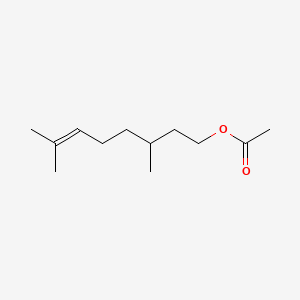
Terpene hydrocarbons (methyl octene, limonene, beta-phellendrene, beta-pinene), phthalides [(Z)-3-butyli-dene phthalide (Z)- and (E)-ligustilide] and citronellyl acetate showed large quantitative variations of different geographical locations.
Click to Show/Hide
|
||||||||||||||||||||||||||||||||||||||||||||||||||||||||||||||||||||||||||||||||||||||||
| Factor | Part | Location | NP Content | ||||||||||||||||||||||||||||||||||||||||||||||||||||||||||||||||||||||||||||||||||||||
|
Locality: Himachal Pradesh, India
|
Roots | Himachal Pradesh, India |
NP Content: 3.4 %
|
||||||||||||||||||||||||||||||||||||||||||||||||||||||||||||||||||||||||||||||||||||||
|
Locality: Kashmir, India
|
Roots | Kashmir, India |
NP Content: 10.3 %
|
||||||||||||||||||||||||||||||||||||||||||||||||||||||||||||||||||||||||||||||||||||||
| Species Name: Bupleurum gibraltarium | |||||||||||||||||||||||||||||||||||||||||||||||||||||||||||||||||||||||||||||||||||||||||
| Factor Name: Developmental Stage Variation | [2] | ||||||||||||||||||||||||||||||||||||||||||||||||||||||||||||||||||||||||||||||||||||||||
| Experiment Detail |
Plant material: Samples of B. gibraltarium were gathered in November 1995 during the fruiting period (F), in May 1996 during the pre-flowering period (PF), in July 1996 during the full flowering period (FF), and in September 1996 during the late flowering period (LF) from El Zumbel area (UTM: 30SVG3278) . Every sample consisted in the whole aerial parts of five single plants growing wild near one to another. Once the plants reached the laboratory, they were airdried for seven to 15 days, and separated by parts, i.e., leaves, stems, umbel rays and, when present, fruits.
Click to Show/Hide
|
||||||||||||||||||||||||||||||||||||||||||||||||||||||||||||||||||||||||||||||||||||||||
| Factor Function |
In the leaf oils, sabinene (12.0-33.9%) and limonene (7.8-23.4%) were the main components, the sabinene level being minimum in full flowering and maximum in fruiting. In stem oils, sabinene (4.7-21.6%) and 2,3,4-trimethylbenzaldehyde (9.3-13.6%) were the main components, the sabinene level being minimum in pre-flowering and maximum in full flowering. In umbel ray oils, sabinene (20.7-43.1%) was the first component in all the phenological periods, followed by alpha-pinene (7.3-28.2%). Both monoterpenes increased their levels in late flowering and reached minimum amounts in fruiting.
Click to Show/Hide
|
||||||||||||||||||||||||||||||||||||||||||||||||||||||||||||||||||||||||||||||||||||||||
| Factor | Part | Location | NP Content | ||||||||||||||||||||||||||||||||||||||||||||||||||||||||||||||||||||||||||||||||||||||
|
Leaf: full pre-flowering stage
|
Leaves | Spain |
NP Content: 1.2 %
|
||||||||||||||||||||||||||||||||||||||||||||||||||||||||||||||||||||||||||||||||||||||
|
Stem: full pre-flowering stage
|
Stems | Spain |
NP Content: 0.8 %
|
||||||||||||||||||||||||||||||||||||||||||||||||||||||||||||||||||||||||||||||||||||||
|
Aerial part: full flowering stage
|
Aerial parts | Spain |
NP Content: 1.6 %
|
||||||||||||||||||||||||||||||||||||||||||||||||||||||||||||||||||||||||||||||||||||||
|
Umbel: full flowering stage
|
Umbels | Spain |
NP Content: 0.7 %
|
||||||||||||||||||||||||||||||||||||||||||||||||||||||||||||||||||||||||||||||||||||||
| Species Name: Cymbopogon winterianus | |||||||||||||||||||||||||||||||||||||||||||||||||||||||||||||||||||||||||||||||||||||||||
| Factor Name: Pest Infestation | [3] | ||||||||||||||||||||||||||||||||||||||||||||||||||||||||||||||||||||||||||||||||||||||||
| Experiment Detail |
General plantation of citronella cv. Java 2 was maintained following recommended agricultural practices at the Experimental Farm of Central Institute of Medicinal and Aromatic Plants, Field Station, Hyderabad, India. The experimental station has a semi-arid tropical climate. The experiment was conducted in the same plantation for 2 consecutive years during the summer month of June 1996 and 1997, when the incidence of the disease was higher. In each year, 12 each of healthy and diseased plants were selected at random and harvested. The occurrence of the disease is generally observed during the hot summer season months, when the temperatures are in the range 36-43 ℃. Initial symptoms of the pest attack appear as yellow specks or blotches, mostly along leaf margins, that in later stages develop into yellow streaks running along the length of the affected leaves. Emerging young leaves are pale green to yellow coloured, twisted, crinkled, developed into whip-like structures and in severe cases of infection fail to open. Even if they do open, these leaves fail to exhibit a smooth leaf surface. Severely affected older leaves turn brown, dry and die. The overall growth and development of the infected plant is severely affected, giving it a dwarfed and unhealthy appearance.
Click to Show/Hide
|
||||||||||||||||||||||||||||||||||||||||||||||||||||||||||||||||||||||||||||||||||||||||
| Factor Function |
The essential oil examined by GC and GC-MS from cultivated healthy plants contained citronellal (28.4%), geraniol (24.8%), citronellol (11.8%) and elemol (10.2%). The major components from diseased plants were geraniol (19.0-25.5%), elemol (15.3-20.4%), citronellal (13.4-19.1%) and citronellol (12.9-15.1%). Caryophyllene oxide (3.5-6.0%) was an important minor component.
Click to Show/Hide
|
||||||||||||||||||||||||||||||||||||||||||||||||||||||||||||||||||||||||||||||||||||||||
| Factor | Part | Location | NP Content | ||||||||||||||||||||||||||||||||||||||||||||||||||||||||||||||||||||||||||||||||||||||
|
Healthy leaves of healthy plant
|
Leaves | Hyderabad, India |
NP Content: 3.2 %
|
||||||||||||||||||||||||||||||||||||||||||||||||||||||||||||||||||||||||||||||||||||||
|
Healthy leaves of diseased plant (Yellowing and crinkling disease)
|
Leaves | Hyderabad, India |
NP Content: 2.7 %
|
||||||||||||||||||||||||||||||||||||||||||||||||||||||||||||||||||||||||||||||||||||||
|
Crinkled, whip like leaves of diseased plant (Yellowing and crinkling disease)
|
Leaves | Hyderabad, India |
NP Content: 3 %
|
||||||||||||||||||||||||||||||||||||||||||||||||||||||||||||||||||||||||||||||||||||||
|
Dead leaves of diseased plant (Yellowing and crinkling disease)
|
Leaves | Hyderabad, India |
NP Content: 2.4 %
|
||||||||||||||||||||||||||||||||||||||||||||||||||||||||||||||||||||||||||||||||||||||
|
Semi-diseased leaves of diseased plant (Yellowing and crinkling disease)
|
Leaves | Hyderabad, India |
NP Content: 2.6 %
|
||||||||||||||||||||||||||||||||||||||||||||||||||||||||||||||||||||||||||||||||||||||
| Species Name: Micromeria biflora | |||||||||||||||||||||||||||||||||||||||||||||||||||||||||||||||||||||||||||||||||||||||||
| Factor Name: Seasonal Variation | [4] | ||||||||||||||||||||||||||||||||||||||||||||||||||||||||||||||||||||||||||||||||||||||||
| Experiment Detail |
The aerial parts of M. biflora collected during November 1993 and June 1994 were used for the investigation.
Click to Show/Hide
|
||||||||||||||||||||||||||||||||||||||||||||||||||||||||||||||||||||||||||||||||||||||||
| Factor Function |
The major constituents of the oil were neral (25.3-32.2%) and geranial (26.7-41.3%). The oil produced in the winter was found to contain higher amounts of oxygenated monoterpenes than the oil produced in the summer.
Click to Show/Hide
|
||||||||||||||||||||||||||||||||||||||||||||||||||||||||||||||||||||||||||||||||||||||||
| Factor | Part | Location | NP Content | ||||||||||||||||||||||||||||||||||||||||||||||||||||||||||||||||||||||||||||||||||||||
|
Harvesting time: Summer
|
Aerial parts | South India |
NP Content: 0.57 %
|
||||||||||||||||||||||||||||||||||||||||||||||||||||||||||||||||||||||||||||||||||||||
|
Harvesting time: Winter
|
Aerial parts | South India |
NP Content: 0.49 %
|
||||||||||||||||||||||||||||||||||||||||||||||||||||||||||||||||||||||||||||||||||||||
| Species Name: Pelargonium graveolens L'Her. | |||||||||||||||||||||||||||||||||||||||||||||||||||||||||||||||||||||||||||||||||||||||||
| Factor Name: Cultivar Comparison; Seasonal Variation | [5] | ||||||||||||||||||||||||||||||||||||||||||||||||||||||||||||||||||||||||||||||||||||||||
| Experiment Detail |
One-month-old rooted stem cuttings of three rosescented geranium cultivars, namely Bourbon type, CIM-Pawan and Kelkar were transplanted at 50 × 50 cm plant spacing in the experimental field of Central Institute of Medicinal and Aromatic Plants, Research Center Purara, Uttarakhand, in October 2007. Plants were irrigated immediately after transplanting and further crops were raised following the normal agricultural practices needed to grow the plant. The experimental site is located between the coordinates 28° 60′ and 31° 29′ N, 77° 49′ and 80° 60 m E, and at an altitude of 1250 m in the Kattyur valley. Climatologically, it is categorized as a sub-temperate (1200-1700 m) zone, where monsoon usually breaks in June and continues up to September. Sampling of the rose-scented geranium cultivars was started from March 2008 and taken on the tenth of every month until February 2009. Samples were collected in triplicate in each season. (A, cv. Bourbon type; B, cv. CIM-Pawan; C, cv. Kelkar; I, spring season; II, summer season; III, rainy season;IV, autumn season; V, winter season).
Click to Show/Hide
|
||||||||||||||||||||||||||||||||||||||||||||||||||||||||||||||||||||||||||||||||||||||||
| Factor Function |
The major components in the essential oil of cv. Bourbon type were geraniol (14.1-34.6%), citronellol (15.2-31.3%), linalool (2.9-9.2%), citronellyl formate (4.4-9.2%), isomenthone (4.5-6.6%), 10-epi-gamma-eudesmol (4.7-6.7%) and geranyl formate (3.8-6.2%). The dominant constituents of the cv. CIM-Pawan essential oil were geraniol (11.9-31.9%), citronellol (16.1-30.2%), citronellyl formate (5.2-8.9%), linalool (3.7-6.4%), isomenthone (4.0-6.3%), 10-epi-gamma-eudesmol (4.4-5.2%) and geranyl formate (4.3-5.0%). However, the chemical composition and odor of cv. Kelkar was quite different from the other two cultivars and the major components found in this oil were citronellol (51.0-63.4%) and isomenthone (9.8-17.8%).
Click to Show/Hide
|
||||||||||||||||||||||||||||||||||||||||||||||||||||||||||||||||||||||||||||||||||||||||
| Factor | Part | Location | NP Content | ||||||||||||||||||||||||||||||||||||||||||||||||||||||||||||||||||||||||||||||||||||||
|
Pelargonium graveolens cv. Bourbon type: (Harvesting time: spring season)
|
Fresh herb | Iran |
NP Content: 1.2 %
|
||||||||||||||||||||||||||||||||||||||||||||||||||||||||||||||||||||||||||||||||||||||
|
Pelargonium graveolens cv. Bourbon type: (Harvesting time: summer season)
|
Fresh herb | Iran |
NP Content: 1.3 %
|
||||||||||||||||||||||||||||||||||||||||||||||||||||||||||||||||||||||||||||||||||||||
|
Pelargonium graveolens cv. Bourbon type: (Harvesting time: autumn season)
|
Fresh herb | Iran |
NP Content: 1.3 %
|
||||||||||||||||||||||||||||||||||||||||||||||||||||||||||||||||||||||||||||||||||||||
|
Pelargonium graveolens cv. Bourbon type: (Harvesting time: winter season)
|
Fresh herb | Iran |
NP Content: 1 %
|
||||||||||||||||||||||||||||||||||||||||||||||||||||||||||||||||||||||||||||||||||||||
|
Pelargonium graveolens cv. Bourbon type: (Harvesting time: rainy season)
|
Fresh herb | Iran |
NP Content: 1.3 %
|
||||||||||||||||||||||||||||||||||||||||||||||||||||||||||||||||||||||||||||||||||||||
|
Pelargonium graveolens cv. CIM-Pawan: (Harvesting time: spring season)
|
Fresh herb | Iran |
NP Content: 1.2 %
|
||||||||||||||||||||||||||||||||||||||||||||||||||||||||||||||||||||||||||||||||||||||
|
Pelargonium graveolens cv. CIM-Pawan: (Harvesting time: summer season)
|
Fresh herb | Iran |
NP Content: 1.1 %
|
||||||||||||||||||||||||||||||||||||||||||||||||||||||||||||||||||||||||||||||||||||||
|
Pelargonium graveolens cv. CIM-Pawan: (Harvesting time: autumn season)
|
Fresh herb | Iran |
NP Content: 1.2 %
|
||||||||||||||||||||||||||||||||||||||||||||||||||||||||||||||||||||||||||||||||||||||
|
Pelargonium graveolens cv. CIM-Pawan: (Harvesting time: winter season)
|
Fresh herb | Iran |
NP Content: 1.3 %
|
||||||||||||||||||||||||||||||||||||||||||||||||||||||||||||||||||||||||||||||||||||||
|
Pelargonium graveolens cv. CIM-Pawan: (Harvesting time: rainy season)
|
Fresh herb | Iran |
NP Content: 1.5 %
|
||||||||||||||||||||||||||||||||||||||||||||||||||||||||||||||||||||||||||||||||||||||
|
Pelargonium graveolens cv. Kelkar: (Harvesting time: spring season)
|
Fresh herb | Iran |
NP Content: 1.3 %
|
||||||||||||||||||||||||||||||||||||||||||||||||||||||||||||||||||||||||||||||||||||||
|
Pelargonium graveolens cv. Kelkar: (Harvesting time: summer season)
|
Fresh herb | Iran |
NP Content: 0.7 %
|
||||||||||||||||||||||||||||||||||||||||||||||||||||||||||||||||||||||||||||||||||||||
|
Pelargonium graveolens cv. Kelkar: (Harvesting time: rainy season)
|
Fresh herb | Iran |
NP Content: 1.4 %
|
||||||||||||||||||||||||||||||||||||||||||||||||||||||||||||||||||||||||||||||||||||||
| Species Name: Rosa damascena | |||||||||||||||||||||||||||||||||||||||||||||||||||||||||||||||||||||||||||||||||||||||||
| Factor Name: Variety Comparison | [6] | ||||||||||||||||||||||||||||||||||||||||||||||||||||||||||||||||||||||||||||||||||||||||
| Experiment Detail |
Experimental site: The present study was conducted at the experimental farm of the CSIR-Institute of Himalayan Bioresource Technology, Palampur (1325 m amsl, 32° 06′ 05″ N, 76° 34′10″ E), India, in 2011. Minimum temperature ranges from 3.5 ℃ to 19.8 ℃, maximum temperature ranges from 15.2 ℃ to 31.4 ℃, relative humidity varies between 62.2% and 94.1% in the morning and 45.0% and 87.2% in the evening, and bright sunshine hour ranges from 2.9 to 8.9 hours. Plant material: A population of approximately 50,000 plants raised from mixed stem cuttings collected from perennial rose plantations at the University of Agriculture, Udaipur, Rajasthan, India, and maintained in the field of the CSIR-Institute of Himalayan Bioresource Technology, Palampur, Himachal Pradesh, India, were utilized as an original gene pool of R. damascena. Two varieties, Jwala and Himroz were diversified through selections of desirable traits (morphological/oil content) across 25,000 plants. The five elites, three of R. damascena var. Jwala, (Indica, Super jwala and Jwala) and two of R. damascena var. Himroz (Hot himroz and Himroz) were developed through field selections and maintained at the Natural Plant Products Division Experimental Farm of the Institute. Rosa bourboniana plants were collected from the Fragrance and Flavour Development Centre, Kannauj, UP, India, during 1992 and maintained at the Natural Plant Products Division Experimental Farm of the Institute.
Click to Show/Hide
|
||||||||||||||||||||||||||||||||||||||||||||||||||||||||||||||||||||||||||||||||||||||||
| Factor Function |
The essential oil content of the varieties of R. damascena varied from 0.037% to 0.051% and that of R. bourboniana was 0.017%. Super jwala recorded the highest oil content (0.051%). A total of 32 components were identified in the different varieties of rose oil. These components constituted 78.1-93.5% of the total rose oil species. The main components of rose oil were citronellol + nerol (16.3-30.1%), geraniol (15.8-29.3%), linalool (0.7-1.9%), rose oxide (0.9-2.6%), phenyl ethyl alcohol (0.1-0.4%), eugenol (0.3-2.2%), nonadecane (7.3-14.7%). The content of citronellol + nerol (30.1%) and geraniol (29.3%) was the highest in Himroz compared with other varieties.
Click to Show/Hide
|
||||||||||||||||||||||||||||||||||||||||||||||||||||||||||||||||||||||||||||||||||||||||
| Factor | Part | Location | NP Content | ||||||||||||||||||||||||||||||||||||||||||||||||||||||||||||||||||||||||||||||||||||||
|
Rosa damascena var. Himroz
|
Flowers | India |
NP Content: 0.3 %
|
||||||||||||||||||||||||||||||||||||||||||||||||||||||||||||||||||||||||||||||||||||||
|
Rosa damascena var. Hot Himroz
|
Flowers | India |
NP Content: 0.3 %
|
||||||||||||||||||||||||||||||||||||||||||||||||||||||||||||||||||||||||||||||||||||||
|
Rosa damascena var. Indica
|
Flowers | India |
NP Content: 0.3 %
|
||||||||||||||||||||||||||||||||||||||||||||||||||||||||||||||||||||||||||||||||||||||
|
Rosa damascena var. Jwala
|
Flowers | India |
NP Content: 0.3 %
|
||||||||||||||||||||||||||||||||||||||||||||||||||||||||||||||||||||||||||||||||||||||
|
Rosa damascena var. Super Jwala
|
Flowers | India |
NP Content: 0.4 %
|
||||||||||||||||||||||||||||||||||||||||||||||||||||||||||||||||||||||||||||||||||||||
| Species Name: Thymus vulgaris | |||||||||||||||||||||||||||||||||||||||||||||||||||||||||||||||||||||||||||||||||||||||||
| Factor Name: Cultivar Comparison; Seasonal Variation | [5] | ||||||||||||||||||||||||||||||||||||||||||||||||||||||||||||||||||||||||||||||||||||||||
| Experiment Detail |
One-month-old rooted stem cuttings of three rosescented geranium cultivars, namely Bourbon type, CIM-Pawan and Kelkar were transplanted at 50 × 50 cm plant spacing in the experimental field of Central Institute of Medicinal and Aromatic Plants, Research Center Purara, Uttarakhand, in October 2007. Plants were irrigated immediately after transplanting and further crops were raised following the normal agricultural practices needed to grow the plant. The experimental site is located between the coordinates 28° 60′ and 31° 29′ N, 77° 49′ and 80° 60 m E, and at an altitude of 1250 m in the Kattyur valley. Climatologically, it is categorized as a sub-temperate (1200-1700 m) zone, where monsoon usually breaks in June and continues up to September. Sampling of the rose-scented geranium cultivars was started from March 2008 and taken on the tenth of every month until February 2009. Samples were collected in triplicate in each season. (A, cv. Bourbon type; B, cv. CIM-Pawan; C, cv. Kelkar; I, spring season; II, summer season; III, rainy season;IV, autumn season; V, winter season).
Click to Show/Hide
|
||||||||||||||||||||||||||||||||||||||||||||||||||||||||||||||||||||||||||||||||||||||||
| Factor Function |
The major components in the essential oil of cv. Bourbon type were geraniol (14.1-34.6%), citronellol (15.2-31.3%), linalool (2.9-9.2%), citronellyl formate (4.4-9.2%), isomenthone (4.5-6.6%), 10-epi-gamma-eudesmol (4.7-6.7%) and geranyl formate (3.8-6.2%). The dominant constituents of the cv. CIM-Pawan essential oil were geraniol (11.9-31.9%), citronellol (16.1-30.2%), citronellyl formate (5.2-8.9%), linalool (3.7-6.4%), isomenthone (4.0-6.3%), 10-epi-gamma-eudesmol (4.4-5.2%) and geranyl formate (4.3-5.0%). However, the chemical composition and odor of cv. Kelkar was quite different from the other two cultivars and the major components found in this oil were citronellol (51.0-63.4%) and isomenthone (9.8-17.8%).
Click to Show/Hide
|
||||||||||||||||||||||||||||||||||||||||||||||||||||||||||||||||||||||||||||||||||||||||
| Factor | Part | Location | NP Content | ||||||||||||||||||||||||||||||||||||||||||||||||||||||||||||||||||||||||||||||||||||||
|
Pelargonium graveolens cv. Kelkar: (Harvesting time: autumn season)
|
Fresh herb | Iran |
NP Content: 1.6 %
|
||||||||||||||||||||||||||||||||||||||||||||||||||||||||||||||||||||||||||||||||||||||
